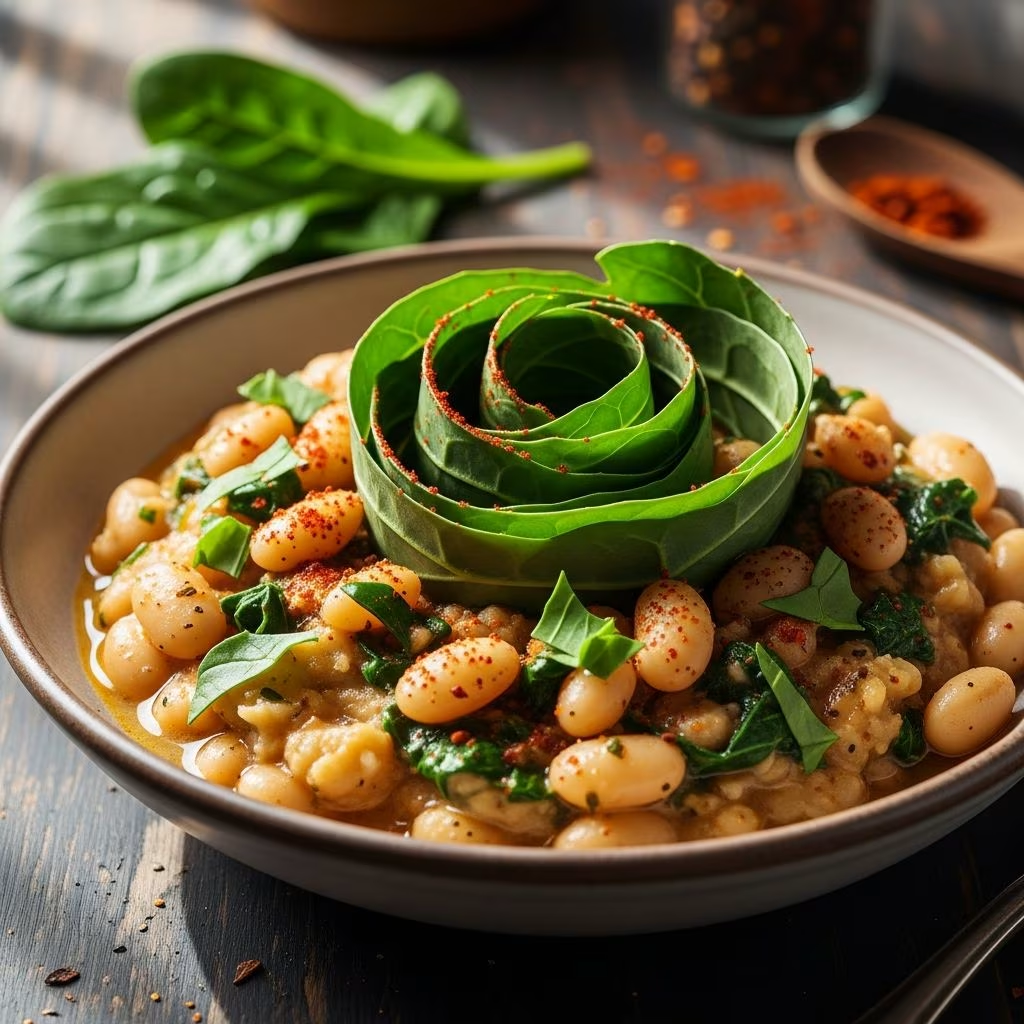
White beans represent one of the most versatile and nutritious foundations for contemporary cooking. When prepared with intentional seasoning and paired with nutrient-dense leafy vegetables, they transform into a sophisticated dish that satisfies both the palate and nutritional requirements. This comprehensive guide explores the techniques, ingredient selections, and flavor combinations that elevate this humble legume into memorable cuisine.
Understanding White Beans as a Culinary Foundation
White beans, including varieties such as cannellini and Great Northern, possess a naturally creamy texture when cooked properly. Their mild flavor profile serves as an excellent canvas for absorbing complementary spices and aromatics. Unlike heartier bean varieties, white beans develop a smooth consistency that creates a naturally rich base without requiring excessive fat or cream additions.
The nutritional profile of white beans includes substantial plant-based protein, dietary fiber, and essential minerals including iron, magnesium, and potassium. When combined with leafy greens, this pairing creates a complete nutritional powerhouse, offering amino acid diversity and enhanced mineral bioavailability through strategic ingredient combinations.
Selecting and Preparing Quality Ingredients
Choosing White Beans Wisely
Quality begins with ingredient selection. Dried white beans offer superior flavor development compared to canned alternatives, though canned beans provide convenient preparation shortcuts. When using dried beans, source them from suppliers with high turnover rates to ensure optimal texture and cooking time consistency. Inspect beans for discoloration, cracks, or debris before preparation.
If preparing dried beans from scratch, initiate the process with thorough rinsing under cool running water. Soaking overnight or using the quick-soak method reduces cooking time and improves digestibility by removing oligosaccharides responsible for digestive discomfort. For convenience without sacrificing quality, high-quality canned beans work effectively when rinsed thoroughly to remove excess sodium and starch.
Selecting Complementary Greens
Leafy greens contribute essential nutrients, vibrant color, and textural contrast. Options include hearty varieties like kale and Swiss chard, which withstand longer cooking times and develop sweeter profiles when cooked, or delicate greens like spinach that wilt quickly and contribute bright, fresh qualities. Consider the intensity of supporting spices when selecting greens; robust greens pair well with assertive spice blends, while milder greens benefit from gentler seasoning approaches.
Building Layers of Flavor Through Spice Selection
Core Spices and Their Functions
Creating depth in this dish relies on understanding how individual spices contribute to the overall flavor profile:
- Cumin: Provides earthy warmth and a slightly nutty undertone that anchors the dish
- Paprika: Contributes subtle sweetness and mild fruity notes alongside gentle heat
- Garlic and Ginger: Offer pungent aromatics that activate when heated in oil, creating an aromatic base
- Red Pepper Flakes: Deliver controlled heat that builds rather than overwhelms
- Coriander: Adds citrus-like brightness that balances earthier elements
Technique for Spice Blooming
The foundation of complex spiced dishes rests on properly blooming spices in fat before adding other ingredients. Heating spices briefly in oil or ghee causes volatile aromatic compounds to release and distribute throughout the cooking medium, intensifying their presence in the final dish. This technique transforms ground spices from one-dimensional flavors into multifaceted contributors to the overall profile.
Begin by heating a modest amount of oil over moderate heat, then add aromatics like minced garlic and fresh ginger. Once fragrant, approximately thirty seconds, introduce dried spices and toast for another fifteen to twenty seconds. This brief window prevents burning while maximizing flavor extraction. The kitchen should become aromatic without any burnt odors.
Construction and Cooking Methods
Step-by-Step Assembly
Begin the cooking process by sautéing diced onions in the prepared oil until translucent, approximately five minutes over medium heat. This develops natural sweetness through caramelization. Add minced garlic and ginger, cooking for an additional minute until fragrant. Layer in the ground spices according to the blooming method described previously.
Introduce your prepared white beans to the aromatic base, followed by vegetable or chicken stock depending on dietary preferences. The liquid should generously cover the beans with additional headroom for absorption. Bring the mixture to a gentle simmer, then reduce heat to maintain a barely perceptible bubble at the surface. This low, slow approach allows flavors to marry while preventing beans from breaking down excessively.
Incorporating Greens for Optimal Results
Timing the addition of leafy greens significantly impacts both texture and flavor integration. Heartier greens like kale benefit from addition approximately ten minutes before serving, allowing sufficient time for the cooking liquid to permeate the leaves while maintaining some structural integrity. Delicate varieties like spinach should be added in the final two minutes, just until wilted.
Rough chop greens into manageable pieces before adding to the pot. The chopping action increases surface area, facilitating faster cooking and better flavor absorption. Stir gently to ensure even distribution throughout the pot, allowing the cooking liquid to reach all portions of the greens.
Creating the Perfect Creamy Consistency
The natural creaminess of white beans develops as cooking progresses and some beans begin to break down, releasing their starch into the surrounding liquid. This gradual thickening creates richness without dairy additions. To enhance this effect, remove approximately one cup of the bean mixture once beans have become completely tender, mash thoroughly, and return to the pot, stirring well to combine. This technique multiplies the creamy sensation without requiring cream or butter.
For those preferring a brothier consistency, simply reduce the mashing step or use less of the bean mixture in mashing. Conversely, increase the quantity mashed for a more substantial, creamy final product. The beauty of this approach lies in the complete control over the final texture.
Seasoning Strategy and Balance
Proper seasoning represents the difference between adequate and exceptional dishes. Rather than adding salt at the beginning of cooking, which can interfere with bean tenderness, wait until beans have reached complete softness before introducing salt. Taste the dish at multiple stages, making note of flavor developments as spices continue to bloom throughout the cooking process.
Balance acidic elements through strategic additions of fresh lemon juice or quality vinegar, which brightens the dish and cuts through the richness of the beans. Begin conservatively, adding acid in small increments while tasting between additions. Too much acidity overwhelms delicate spice notes, while insufficient acid leaves the dish feeling flat and one-dimensional.
Nutritional Considerations and Health Benefits
| Component | Primary Benefit | Quantity per Serving |
|---|---|---|
| White Beans | Plant-based protein and fiber | Approximately 8g protein |
| Leafy Greens | Vitamins K, A, C and minerals | Significant micronutrient density |
| Spices | Antioxidants and anti-inflammatory compounds | Small quantities, cumulative benefits |
| Olive Oil | Heart-healthy monounsaturated fats | 2-3 tablespoons per serving |
This combination creates a nutritionally complete meal addressing protein requirements, dietary fiber for digestive health, and micronutrients supporting overall wellness. The fiber content in white beans contributes to sustained energy release and prolonged satiety, making this dish particularly satisfying.
Serving Suggestions and Accompaniments
Present this dish as a standalone meal or alongside complementary components. Crusty bread serves as an excellent vehicle for capturing the flavorful cooking liquid. Consider topping with a drizzle of quality olive oil, fresh herbs such as cilantro or parsley, or a sprinkle of toasted nuts for added textural interest.
For lighter presentations, serve over cauliflower rice or alongside roasted root vegetables. The adaptability of this dish accommodates various dietary preferences and meal planning strategies. Leftovers refrigerate well for up to five days, making this recipe particularly valuable for meal preparation routines.
Frequently Asked Questions
Can this dish be prepared in advance?
Yes, this recipe actually improves when made a day ahead, allowing spice flavors to develop more fully. Store in an airtight container in the refrigerator and gently reheat over low heat, adding additional broth if the consistency has thickened excessively.
What if my beans remain firm after extended cooking?
Undercooked beans typically indicate either insufficient cooking time or beans that were stored too long before use. Increase the cooking duration and ensure you’re sourcing fresh beans. Very old beans may never achieve proper tenderness regardless of cooking time.
How can I adjust the spice level for sensitive palates?
Reduce red pepper flakes or eliminate them entirely, and use sweet paprika rather than hot varieties. Individual spices can be halved if the overall profile proves too assertive. Remember that spices continue developing throughout the cooking process, so taste before making final adjustments.
Are frozen greens acceptable substitutes?
Frozen greens work reasonably well, though they release more liquid into the dish. Use slightly less than fresh greens would call for, or compensate by reducing the overall broth quantity proportionally. Thaw greens before adding to prevent excessive temperature fluctuation.
Can dairy be incorporated into this recipe?
While this recipe celebrates its naturally creamy qualities without dairy, a splash of coconut milk or Greek yogurt stirred in just before serving creates additional richness for those preferring it. Add dairy after removing the pot from heat to prevent curdling.
Storage and Make-Ahead Strategies
This recipe demonstrates exceptional versatility for meal preparation and storage. Portion cooled portions into glass containers and refrigerate for up to five days, or freeze in freezer-safe containers for up to three months. When reheating from frozen, thaw overnight in the refrigerator before gently warming over low heat with occasional stirring and modest additional broth as needed.
The flavor profile actually deepens over multiple days as spices continue to permeate the bean mixture, making day-two or day-three portions potentially superior to freshly prepared dishes. This quality makes the recipe particularly valuable for busy individuals prioritizing nutritious eating.
Variations and Creative Adaptations
This foundational recipe accommodates numerous creative variations. Incorporate Mediterranean flavors through additions of sun-dried tomatoes and fresh basil. Explore Indian-inspired variations by increasing turmeric and introducing garam masala. Create a Moroccan rendition through the addition of dried apricots and cinnamon.
Experiment with different green varieties, from bitter rapini to mild bok choy, each contributing distinct flavor notes. Add protein variations including poached eggs nestled into portions for added richness, or top with crispy chickpeas for textural contrast.
References
- Pulses and Health: Background Paper — Food and Agriculture Organization of the United Nations. 2021. https://www.fao.org/3/ca9200en/CA9200EN.pdf
- Nutritional Composition of Common Bean (Phaseolus vulgaris L.) — Journal of Agricultural and Food Chemistry, American Chemical Society. 2009. https://pubs.acs.org/doi/abs/10.1021/jf8006278
- Dietary Guidelines for Americans 2020-2025 — U.S. Department of Agriculture and U.S. Department of Health and Human Services. 2020. https://www.dietaryguidelines.gov/
- Bioactive Compounds in Leafy Green Vegetables: Absorption, Metabolism, and Antioxidant Activity — International Journal of Molecular Sciences. 2018. https://www.mdpi.com/1422-0067/19/2/588
- Spice and Health: Therapeutic Applications in Practice — American Journal of Clinical Nutrition. 2016. https://academic.oup.com/ajcn/article/104/3/738S/4564652