Soups featuring vegetables, legumes, and aromatic spices have long been central to culinary traditions worldwide. This comprehensive guide explores the fundamentals of crafting satisfying vegetable-based soups that combine nutritional value with exceptional flavor. Whether you’re seeking comfort on cooler days or a wholesome meal option, understanding the core techniques and ingredient combinations can elevate your soup-making skills.
Understanding the Core Ingredients
Creating a well-balanced vegetable soup begins with selecting quality ingredients that complement one another. The foundation of this approach relies on several key components that work together to build depth and complexity.
Root Vegetables as Your Base
Root vegetables serve as the structural foundation for most vegetable soups. Sweet potatoes contribute natural sweetness and a creamy texture when cooked thoroughly, while carrots add subtle earthiness and vibrant color. These vegetables become soft and manageable after extended cooking, making them ideal candidates for pureeing. The combination creates a visually appealing soup with warm tones that signal both comfort and nutrition.
When selecting root vegetables, choose firm specimens without soft spots or sprouting. Peeling and cutting vegetables into uniform sizes ensures even cooking throughout the preparation process.
The Role of Legumes in Vegetable Soups
Red lentils distinguish themselves from other legume varieties through their quick cooking time and tendency to break down during simmering. This characteristic makes them particularly valuable for creating creamy soup textures without requiring dairy products. Red lentils are rich in plant-based protein and dietary fiber, supporting satiety and nutritional completeness. Unlike beans that require pre-soaking, red lentils offer convenience without sacrificing nutritional benefits.
Fresh Produce Elements
Apples introduce complexity by balancing savory elements with gentle sweetness. This fruit adds natural sugars that enhance overall flavor while contributing subtle tartness that prevents the soup from becoming one-dimensional. Onions, when cooked until translucent, provide aromatic depth and umami undertones that anchor the entire dish.
Essential Aromatics and Spices
Spice selection transforms a simple vegetable soup into something memorable. The following elements create warmth and sophistication:
- Fresh Ginger: Adds peppery warmth and aids digestive comfort
- Cumin: Contributes earthy undertones and complements root vegetables
- Chili Powder: Introduces gentle heat without overwhelming the palate
- Paprika: Enhances color while adding subtle smokiness
- Black Pepper: Brightens flavors and stimulates taste perception
These spices work synergistically rather than competing for attention. Ginger pairs exceptionally well with sweet vegetables, while cumin echoes flavors found naturally in root vegetables. Paprika and chili powder add complexity without dominating the soup’s character.
Preparation Methodology
Initial Cooking Steps
Begin your preparation by melting cooking fat—butter or oil—in a substantial pot over medium-high heat. Add your prepared vegetables: sweet potatoes, carrots, apple, and onion. This initial cooking phase, lasting approximately ten minutes, serves multiple purposes. The vegetables begin softening while the fat carries and develops flavors. Cooking continues until onions become translucent, indicating that initial breakdown has begun.
During this phase, maintain regular stirring to ensure even heat distribution and prevent sticking. The pot’s heavy bottom helps distribute heat uniformly, preventing hot spots that could burn delicate vegetables.
Building Layers of Flavor
Once your vegetables have begun cooking, introduce your spice blend. Ginger, cumin, chili powder, paprika, and black pepper should be stirred into the vegetable mixture. This step, often called “blooming” spices, releases aromatic compounds and integrates flavors throughout the mixture. Cook this spiced vegetable combination for another minute or two, allowing warmth to activate the spices’ volatile components.
The Simmering Phase
Add your rinsed red lentils and vegetable broth to the pot. Bring the mixture to a rolling boil over high heat, then immediately reduce temperature to medium-low. Cover the pot partially and allow the soup to simmer gently for approximately thirty minutes. This extended cooking period allows lentils to completely soften and vegetables to become very tender. The lentils will begin disintegrating, naturally thickening the soup as their starches release into the liquid.
During simmering, you may notice the broth changing color and developing richer tones. This transformation reflects the melding of flavors and the release of nutrients from all ingredients.
Achieving the Perfect Texture
Pureeing Approaches
Three distinct methods exist for achieving your desired soup consistency. The traditional blender approach involves carefully transferring the hot soup in batches, filling the blender pitcher only halfway to prevent overflow. Cover the blender lid with a folded kitchen towel as you pulse and then puree, protecting yourself from steam release. This method produces silky, completely smooth results.
An immersion (hand) blender offers convenience by pureeing soup directly within the cooking pot. This approach eliminates transfer steps and reduces cleanup. You maintain complete control over texture, allowing you to create varying degrees of smoothness in different portions if desired.
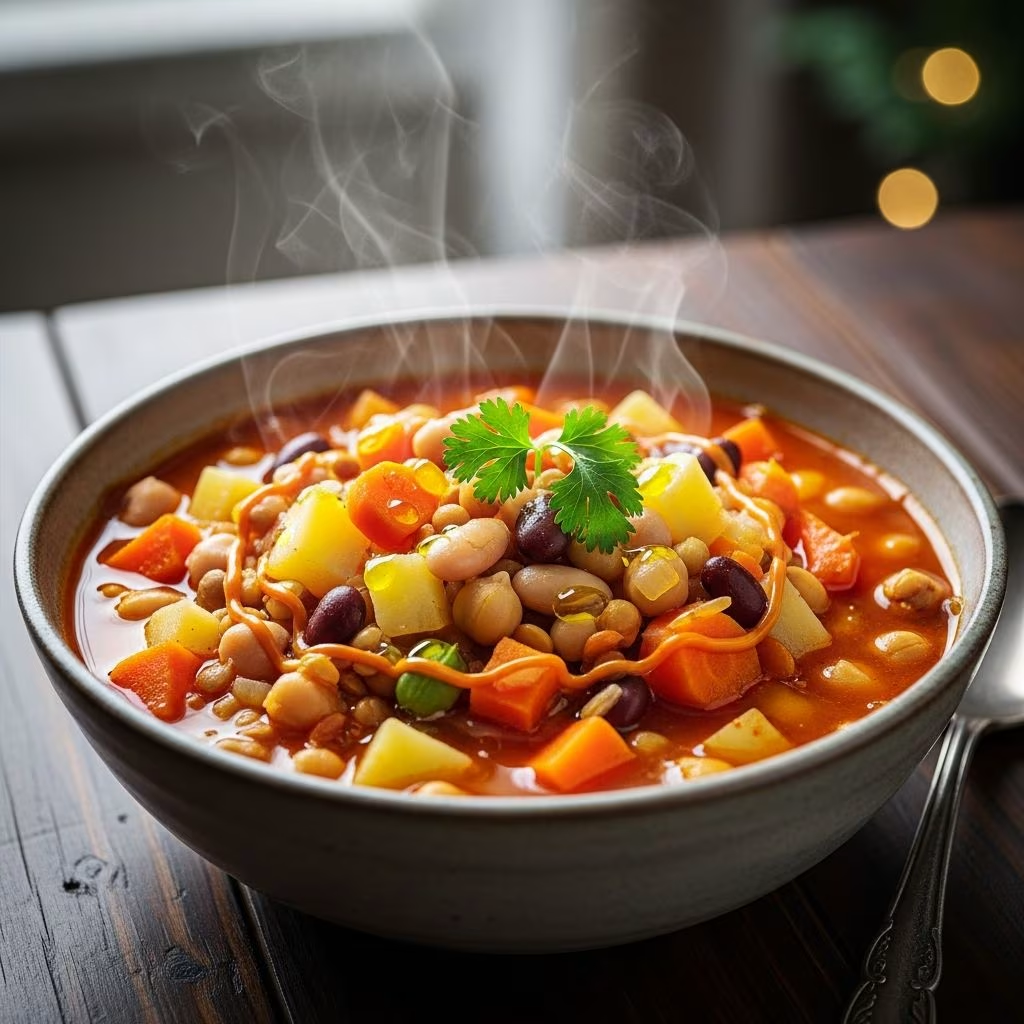
A third option involves leaving the soup with more texture, resembling a thick stew. This choice preserves vegetable identity while still creating a cohesive dish. Some prefer this approach as it maintains more fiber and creates different mouthfeel experiences.
Consistency Adjustments
After pureeing, return the soup to your cooking pot and bring it back to a simmer. This step ensures food safety and allows you to adjust thickness. Add water gradually, tasting as you proceed, until reaching your preferred consistency. Some prefer thicker, more substantial soups that coat the spoon, while others favor lighter, more pourable versions.
Nutritional Considerations
This soup delivers impressive nutritional density. Red lentils provide approximately eighteen grams of protein per cooked cup, supporting muscle maintenance and satiety. Sweet potatoes contribute beta-carotene, a precursor to vitamin A essential for vision and immune function. Carrots add additional carotenoids and fiber supporting digestive health. The combination of legumes and vegetables creates a complete nutritional profile suitable for various dietary approaches.
| Ingredient | Primary Nutrients | Health Benefits |
|---|---|---|
| Red Lentils | Protein, Fiber, Iron | Supports energy, digestion, blood health |
| Sweet Potatoes | Beta-carotene, Potassium | Vision support, heart health |
| Carrots | Carotenoids, Fiber | Antioxidant protection, digestive support |
| Ginger | Gingerols, Phenolics | Inflammation modulation, digestion aid |
Finishing Touches and Serving Suggestions
Plain yogurt offers a classic garnish providing cooling contrast to warm soup. The tangy dairy element balances spice intensity and adds creamy richness. Alternative garnishing options expand possibilities:
- Toasted pumpkin seeds for nutty crunch and additional nutrition
- Fresh cilantro for herbaceous brightness
- Sour cream or Greek yogurt for tanginess
- Crumbled feta cheese for salty complexity
- A drizzle of quality olive oil for richness
- Fresh thyme leaves for aromatic enhancement
These garnishes serve functional purposes beyond aesthetics, adding textural variety and complementary flavors that elevate the eating experience.
Equipment Flexibility
Instant Pot Adaptation
Modern pressure cookers offer time-saving alternatives to traditional stovetop methods. Begin using the sauté setting to cook vegetables in butter or oil for approximately ten minutes until onions become translucent. Add remaining ingredients—broth, water, lentils, and spices—then switch to the pressure cooking setting. Cook under pressure for about fifteen minutes, allowing natural pressure release afterward. This method produces comparable results in significantly less total time.
Slow Cooker Compatibility
Slow cookers offer another convenient approach. After the initial vegetable sauté step on your stovetop, transfer everything to the slow cooker with added broth and water. Cook on low for six to eight hours or on high for three to four hours. The extended cooking allows flavors to develop deeply while maintaining nutritional integrity.
Customization and Variations
This soup framework accommodates numerous modifications based on preference and availability. Some cooks prefer adding brown sugar for enhanced sweetness, while others introduce coconut milk for richness. Vegetable additions might include kale, spinach, or celery root. Spice variations could emphasize different profiles—turmeric for earthy warmth, nutmeg for subtle sweetness, or additional ginger for peppery intensity.
The fundamental technique remains consistent regardless of modifications. Understanding core principles allows confident experimentation and personalization.
Storage and Make-Ahead Considerations
This soup stores well in refrigerated containers for four to five days. The flavors actually intensify during storage as ingredients continue melding. Freezing portions in individual containers provides convenient future meals—frozen soup maintains quality for up to three months. Allow soup to thaw in the refrigerator overnight before reheating gently on the stovetop, adding water if the soup has thickened during storage.
Frequently Asked Questions
Can I use brown lentils instead of red?
Brown lentils take longer to cook and maintain their shape better than red varieties. Substituting them requires extended cooking time and produces different texture results. For this recipe’s creamy consistency, red lentils work optimally, but brown lentils create a heartier alternative.
Is this soup suitable for freezing?
Yes, this soup freezes exceptionally well. Portion into containers or freezer bags, leaving headspace for expansion. Frozen soup maintains quality for three months. Thaw overnight in the refrigerator and reheat gently before serving.
What if I don’t have vegetable broth?
Water combined with vegetable bouillon cubes or miso paste provides adequate alternatives. Adjust salt accordingly as commercial broths vary in sodium content. Some cooks use chicken or mushroom broth for different flavor profiles.
Can I make this soup vegan?
Absolutely. Replace butter with olive oil or coconut oil, and skip dairy garnishes. Plant-based yogurt, tahini drizzled over the soup, or coconut cream offer satisfying finishing touches.
How thick should the finished soup be?
Thickness preference varies individually. Add water gradually after pureeing until reaching your desired consistency. Thinner soups range from 2-3 cups of added water, while thicker versions use minimal additional liquid.
References
- Dietary Guidelines for Americans — U.S. Department of Agriculture and U.S. Department of Health and Human Services. 2020-2025. https://www.dietaryguidelines.gov
- Composition of Foods: Raw, Processed, Prepared — USDA FoodData Central. 2024. https://fdc.nal.usda.gov
- The Science of Cooking: Understanding Why Recipes Work — Lopez-Alt, J. Kenji. W.W. Norton & Company. 2015. https://www.wwnorton.com