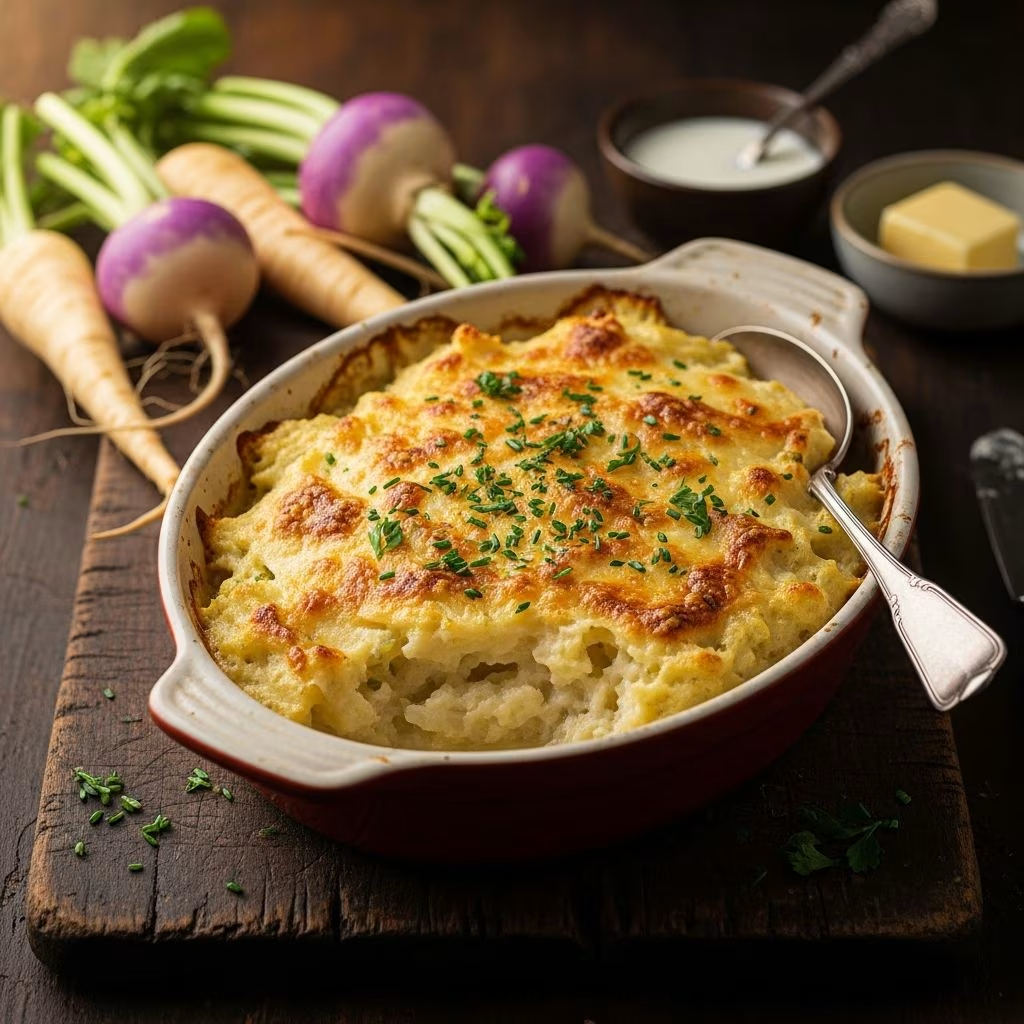
Root vegetables have long held a special place in home cooking traditions, offering versatile applications and natural sweetness when properly prepared. Among these humble ingredients, turnips often remain underappreciated, relegated to secondary roles in vegetable medleys or broths. Yet when given proper attention and complementary flavors, turnips reveal remarkable culinary potential. This article explores a sophisticated preparation method that elevates turnips from overlooked root to celebrated side dish through careful technique, thoughtful seasoning, and strategic flavor combinations.
Understanding the Foundation: Turnips as a Culinary Canvas
Turnips belong to the Brassica family, the same plant genus that includes cabbage, broccoli, and kale. Their mild, slightly peppery flavor and tender texture when cooked make them an ideal foundation for numerous dishes. Raw turnips possess a crisp, somewhat sharp taste, but cooking transforms their character entirely, revealing subtle sweetness and creating opportunities for creative preparation methods.
The texture of cooked turnips ranges from firm to soft depending on cooking duration and method. When diced into uniform cubes and simmered in flavorful broth, they absorb surrounding flavors while maintaining structural integrity. This makes them perfect candidates for dishes that benefit from texture contrast and flavor absorption. The versatility of turnips becomes apparent when considering their compatibility with various seasonings, fats, and other ingredients, particularly dairy products like sour cream and cheese.
Essential Ingredients for Building Layers of Flavor
Creating a memorable turnip preparation requires understanding how individual ingredients contribute to the final result:
- Vegetable Bouillon Cubes: These concentrated flavor packets provide an immediate umami foundation without requiring extensive stock preparation. One cube dissolves quickly in water, releasing salt, dehydrated vegetables, and flavor compounds that create a savory base for the cooking liquid.
- Fresh Aromatics: Minced onion and garlic serve dual purposes—they flavor the cooking liquid and soften through gentle heat, becoming integrated into the finished dish. Garlic particularly contributes pungent notes that round out the vegetable’s natural earthiness.
- Sour Cream: This dairy component introduces tanginess and silkiness to the preparation. Unlike heavy cream, sour cream adds richness without overwhelming the subtle turnip flavor, while its acidity brightens the overall profile.
- Cheese Selection: Sharp white cheddar provides distinctive flavor intensity and textural contrast through melting and browning. The cheese’s saltiness complements the mild vegetables while its creamy nature when melted binds ingredients together.
- Fresh Herbs: Parsley adds visual appeal and fresh, herbal notes that prevent the dish from tasting heavy or overcooked. Fresh herbs create flavor complexity that dried alternatives cannot achieve.
The Cooking Technique: Building Depth Through Sequential Steps
Initial Broth Development
The preparation begins with boiling water and dissolving the bouillon cube, establishing the flavor base. This step deserves attention because it sets the stage for everything that follows. Achieving a rolling boil ensures complete dissolution of the bouillon cube, preventing grainy texture or uneven flavor distribution. The one-minute dissolution period represents the minimum time required for complete hydration and flavor release.
Building the Vegetable Foundation
Once the broth reaches proper temperature and clarity, turnips, onion, and garlic are added simultaneously. This timing ensures even cooking and flavor integration. The vegetables return the liquid to a boil through their cooler temperature and moisture content. Approximately ten minutes of boiling at this stage softens the turnip cubes significantly while maintaining their structural integrity. The onion and garlic become translucent and begin losing their raw characteristics.
Reduction and Concentration
The transition to simmering represents a crucial phase in the preparation. Reducing heat prevents vigorous boiling that could break down the turnip cubes prematurely while allowing continued cooking and evaporation. Over ten to fifteen minutes, most cooking liquid transforms to steam, concentrating flavors dramatically. The vegetables absorb remaining liquid, becoming tender and flavorful rather than soupy. This reduction phase creates the ideal texture for dairy incorporation.
Dairy Integration and Finishing
Adding sour cream requires gentle technique to prevent curdling or creating uneven distribution. A light stirring motion coats vegetables while maintaining even temperature and preventing the dairy from seizing. Proper salt and pepper seasoning at this stage tastes different than earlier seasoning would, as the vegetables have released their own sodium and the overall flavor profile has concentrated. The final cheese topping melts from residual heat, creating a creamy layer that binds the preparation together. Fresh parsley provides finishing elegance and flavor brightness.
Variations and Creative Adaptations
Protein Additions
While delicious as a vegetarian preparation, this dish accommodates protein integration effectively. Crispy bacon pieces scattered throughout add smoky depth and textural contrast. Smoked ham or ham hock provides similar benefits while infusing the entire dish with savory complexity. Ground or minced meat can be browned in the saucepan before adding liquid, layering additional umami into the base.
Cheese Alternatives
Sharp white cheddar delivers distinctive results, but other cheeses produce equally interesting outcomes. Aged white Vermont cheddar intensifies sharp notes. Gruyère introduces nutty undertones and superior melting properties. A combination of sharp cheddar and aged gouda balances boldness with subtle sweetness. Fontina creates creamy consistency with subtle mushroom-like notes.
Seasoning Variations
Beyond standard salt and pepper, dried herbs integrate seamlessly during cooking. Thyme complements turnips naturally, adding earthy notes. A touch of paprika introduces mild smokiness. Fresh rosemary sprigs during cooking impart woody complexity, requiring removal before serving. Crushed red pepper flakes appeal to those preferring subtle heat. Nutmeg in small quantities adds unexpected sophistication without becoming identifiable.
Textural Modifications
Varying the final consistency offers interesting possibilities. Some prefer a firmer finished texture achieved through shorter reduction times. Others enjoy a creamier result from slight additional sour cream or the addition of cream. Mashed versions appeal to those seeking potato-like consistency. Chunky preparations maintain visible vegetable pieces throughout.
Nutritional Considerations and Health Benefits
Turnips offer substantial nutritional value often overlooked in dietary planning. They provide fiber for digestive health, vitamin C for immune function, and manganese for bone development and metabolism. The relatively low calorie content—approximately thirty-six calories per cup of cooked turnips—makes them attractive for those monitoring energy intake while desiring nutrient density.
Sour cream and cheese contribute fat-soluble vitamins including vitamin A and vitamin K₂, supporting bone health and calcium absorption. However, these additions increase overall caloric density and sodium content. Balancing portions with other vegetables and lean proteins creates nutritionally complete meals. The preparation method through gentle simmering preserves heat-sensitive nutrients better than rapid boiling or high-heat cooking methods.
Serving Suggestions and Complementary Dishes
This preparation pairs exceptionally well with roasted poultry, particularly chicken breasts or thighs where the creamy vegetable offsets richness. Baked or broiled fish benefits from the dish’s slight acidity and richness combination. Traditional pork preparations including chops, tenderloins, and ham steaks find natural complement in the turnip’s subtle flavor profile.
As a side dish, it occupies middle ground between heavy starches and light vegetable preparations. Serving alongside a grain-based component, fresh salad, and protein creates balanced plates. The dish holds temperatures well, making it suitable for entertaining scenarios where timing pressures arise.
Make-Ahead and Storage Strategies
This preparation benefits from advance preparation, as flavors meld and deepen through refrigeration. The complete dish stores effectively in airtight containers for three to four days, with cheese and parsley remaining visually appealing. Gentle reheating in low-temperature ovens or stovetop preserves texture and prevents overcooking.
Components can be prepared separately and assembled immediately before service for maximum texture and herb brightness. Turnips can be peeled and cut one day ahead, stored in water to prevent oxidation. The broth can be made hours before vegetable addition. This staged preparation accommodates busy schedules while delivering quality results.
Common Preparation Mistakes and Solutions
Overcooked turnips become mushy and lose structural integrity, creating unappetizing texture. Precise timing during each cooking phase prevents this outcome. Adding sour cream too quickly or at excessive temperature causes separation and grainy texture. Introducing dairy slowly while maintaining gentle heat ensures smoothness.
Using insufficient seasoning creates bland results despite quality ingredients. Tasting and adjusting at multiple points during cooking develops proper flavor development. Neglecting to remove parsley stems when using fresh herb adds stringy texture some find unpleasant; using only leaves ensures pleasant herb distribution.
Equipment Recommendations
A heavy-bottomed saucepan promotes even heat distribution and prevents scorching during reduction phases. A sharp knife makes precise turnip cutting simpler and safer than struggling with dull blades. Measuring spoons ensure proper bouillon and dairy proportions. A wooden spoon facilitates gentle stirring that preserves vegetable structure.
Frequently Asked Questions
Can frozen turnips substitute for fresh?
While possible, frozen turnips often become mushier during cooking due to ice crystal formation breaking down cell structure. Fresh turnips deliver superior texture and flavor in this particular preparation where texture integrity matters significantly.
What if bouillon cubes are unavailable?
Vegetable broth or light chicken broth can replace bouillon cube and water, though recipes require slight adjustment to prevent oversalting. Use approximately one cup of prepared broth instead of water plus bouillon.
Can this dish be made dairy-free?
Substituting sour cream with plant-based alternatives like cashew cream or coconut cream produces different but acceptable results. Nutritional yeast provides savory depth while maintaining vegan compatibility.
How much does this recipe yield?
The ingredient quantities produce approximately four servings as a side dish, though exact portions depend on serving context and individual appetites.
Is this preparation suitable for large gatherings?
The recipe scales proportionally—doubling or tripling ingredients maintains consistent results. Large batch preparation works effectively in bigger cookware with adjusted liquid reduction time based on surface area and heat intensity.
References
- Nutritional Data for Turnips (Raw and Cooked) — United States Department of Agriculture, FoodData Central. 2024. https://fdc.nal.usda.gov
- Culinary Uses and Nutritional Composition of Brassica Vegetables — Journal of Horticultural Science & Biotechnology. Published research. 2023. https://www.tandfonline.com/toc/thsb20/current
- Root Vegetable Cookery: Traditional and Modern Techniques — Published by Professional Culinary Institute. 2024. https://www.worldcat.org