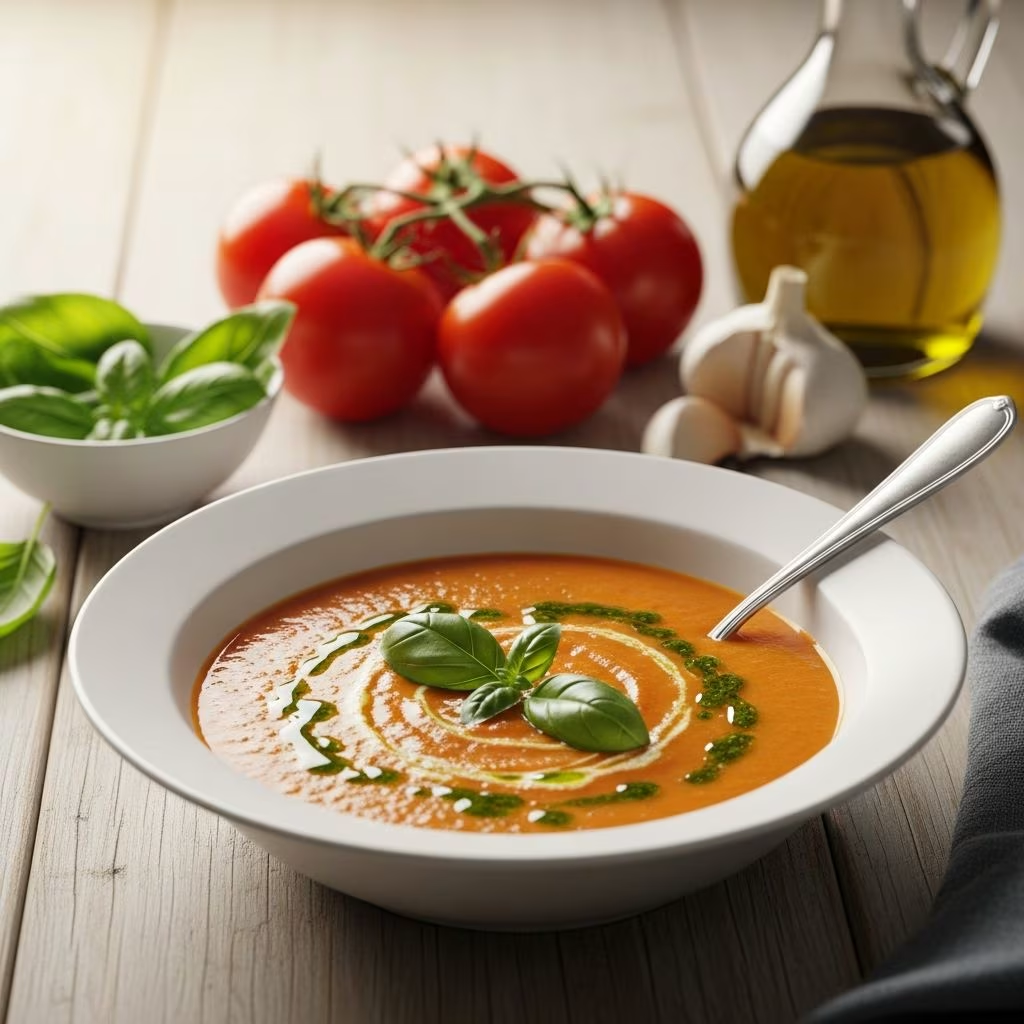
Few dishes embody warmth and culinary satisfaction quite like a bowl of velvety tomato basil soup. This classic preparation transcends casual weeknight dinners to become a sophisticated starter for entertaining or a soul-soothing remedy during cooler seasons. The beauty of this soup lies in its apparent simplicity—fresh tomatoes, aromatic basil, and cream come together to create something far greater than the sum of their parts. Whether you prefer the stovetop method for quick preparation or a slower approach that allows flavors to develop gradually, mastering this dish opens doors to countless variations and personal refinements.
Understanding the Foundation: Essential Ingredients
The success of any exceptional tomato basil soup begins with ingredient selection and quality. Unlike many recipes that hide mediocre components, this soup demands attention to what goes into your pot because each element plays a starring role.
Tomato Selection and Preparation
The tomato forms the soul of this dish, and choosing the right type matters significantly. Canned whole tomatoes, preferably San Marzano varieties, offer consistent quality year-round compared to their fresh counterparts during off-season months. These tomatoes have been picked at peak ripeness and processed at their freshest, delivering robust flavor. A 28-ounce can typically serves as your base, though some recipes employ both crushed and whole varieties to achieve dimensional flavor and varied texture. Before incorporating tomatoes into your soup, gently drain excess liquid while reserving the juice—this reserved liquid becomes crucial for adjusting consistency and deepening tomato essence throughout the cooking process.
The Aromatics: Building Flavor Foundation
Onions and garlic create the aromatic backbone that supports all other flavors. Yellow onions, diced into uniform pieces, caramelize gently when sautéed in butter or olive oil, developing subtle sweetness that balances tomato acidity. Typically, two to three medium onions provide adequate flavor without overwhelming the soup. Fresh garlic cloves—about three to four, minced—should be added after the onions have softened slightly. This timing prevents garlic from burning while ensuring its pungent compounds fully integrate into the developing flavor profile. Some recipes introduce shallots alongside or instead of onions for a more refined, slightly sweeter character.
The Herbaceous Element: Fresh and Dried Basil
Basil represents the signature flavor note that elevates this soup beyond basic tomato preparations. Fresh basil, added toward the end of cooking, provides bright, aromatic qualities that dried versions cannot replicate. Conversely, dried basil, incorporated earlier in the process, imparts deeper, more concentrated flavors that meld throughout the soup. Many successful recipes employ both forms—dried basil during initial cooking stages and fresh basil as a finishing touch. Approximately 1.5 teaspoons of dried basil combined with 1/4 cup of fresh basil creates a balanced herbaceous profile, though personal preference should guide final adjustments.
Supporting Cast: Broth, Cream, and Seasonings
Four cups of chicken broth provide the liquid foundation that balances tomato concentration and allows flavors to marry cohesively. Low-sodium varieties offer better control over final seasoning levels. Heavy cream, typically 1.5 cups, contributes luxurious texture and mouthfeel while tempering the soup’s acidity with subtle richness. Half-and-half serves as a lighter alternative for those seeking reduced fat content. Parmesan cheese, freshly grated rather than pre-shredded, dissolves smoothly and adds umami depth. Salt, pepper, and optional oregano complete the seasoning framework, with sugar playing a supporting role by balancing natural tomato tartness.
Fundamental Techniques: From Preparation to Serving
The Stovetop Method: Classic Approach
The traditional stovetop preparation offers immediate gratification and full control over cooking variables. Begin by heating two tablespoons of butter and olive oil in a large pot over medium heat until shimmering. Add diced onions and sauté for approximately ten minutes, stirring occasionally, until they become translucent and develop light golden edges. Introduce minced garlic along with optional red chili flakes, allowing these aromatics to bloom for two to three minutes until fragrant. This process, called bloom or bloom-out, releases volatile compounds that enhance overall soup complexity.
Next, add drained canned tomatoes directly to the pot, allowing them to simmer undisturbed for one to two minutes before actively stirring. Using a wooden spoon or sturdy utensil, gently crush whole tomatoes against the pot’s sides, breaking them into smaller pieces while extracting maximum juice. Add reserved tomato liquid and chicken broth, bringing everything to a gentle boil before reducing heat to medium-low. This simmering stage, lasting ten to fifteen minutes, allows individual flavors to develop and meld while liquids reduce slightly, concentrating taste.
Incorporate fresh basil and other seasonings during the final minutes before blending. Using an immersion blender—the most convenient option for most home cooks—purée the soup while it remains in the pot, working carefully to avoid splashing. For a standing blender, work in batches of no more than two cups at a time, always leaving the lid slightly vented to release steam. Return all puréed soup to the pot, then reduce heat to low before introducing heavy cream and freshly grated Parmesan cheese. Stir constantly until fully incorporated, cooking for several additional minutes to warm through completely without reaching boiling temperatures, which could separate cream elements.
Creating a Roux-Based Version for Deeper Richness
For those seeking maximum creaminess and refined mouthfeel, incorporating a roux—the classical French base made from equal parts fat and flour—provides superior thickening and body compared to cream alone. After completing the initial vegetable sauté and tomato reduction stages, prepare the roux separately in a smaller pot. Melt one-half cup of butter over medium-low heat, then whisk in one-half cup of all-purpose flour, stirring constantly for approximately ten minutes until the mixture transforms into a golden-brown paste with a subtle toasted aroma. This roux should never appear burnt or excessively dark, as these characteristics would impart unpleasant bitter notes.
Gradually introduce the prepared roux into your soup base by first ladle-mixing: transfer one large ladle of soup into the roux, stirring vigorously until a thick paste forms. This approach prevents lumping. Gradually introduce two to three additional cups of warm soup, whisking thoroughly after each addition, before combining the entire roux mixture back into the soup pot. The result is a soup with velvety, almost silken consistency that distinguishes professional-quality preparations from simpler versions. Continue with standard cream and cheese additions, simmering briefly before serving.
The Slow Cooker Alternative: Hands-Off Convenience
For those preferring minimal active cooking time, the slow cooker method delivers exceptional results with virtually no attention required during cooking. Transfer diced onions, carrots, celery, minced garlic, canned tomatoes with juice, tomato paste, chicken broth, dried oregano, and dried basil directly into your slow cooker. Cover and cook on low for five to six hours, allowing flavors to develop gradually through extended, gentle heating. This prolonged cooking softens all vegetable components completely while permitting aromatic compounds to fully integrate.
Approximately thirty minutes before serving, prepare your roux following the same process described previously. Create a slurry by combining one cup of soup with the prepared roux, whisking until smooth before adding this mixture back to the slow cooker. If desiring completely smooth soup, carefully transfer portions to a standing blender for puréeing, working in manageable batches to avoid spillage or burns. Return all blended soup to the slow cooker, then introduce heavy cream, Parmesan cheese, fresh basil, salt, and pepper, stirring well to combine. Allow the soup to warm through on low heat for an additional ten to fifteen minutes before serving.
Flavor Development Techniques: Elevating Your Soup
Roasting Fresh Tomatoes for Enhanced Depth
For adventurous cooks willing to invest additional preparation time, roasting fresh tomatoes creates concentrated, deeply complex flavors that transcend standard canned tomato preparations. Slice fresh tomatoes in half lengthwise, arrange cut-side up on parchment-lined baking sheets, then drizzle generously with olive oil and sprinkle with kosher salt and fresh cracked pepper. Roast at 425°F for approximately 45 to 60 minutes until tomatoes become softened, juicy, and beginning to caramelize at edges. This process concentrates natural sugars while developing subtle charred notes that add sophistication to the final dish.
Incorporating Umami Elements
Beyond traditional ingredients, subtle additions elevate soup complexity and mouthfeel. Tomato paste, typically two tablespoons, concentrates tomato essence and adds body. A touch of balsamic vinegar, roughly one tablespoon, introduces subtle sweetness and acidity balance that brightens the overall profile. Brown sugar, about three tablespoons, counteracts natural tomato tartness while enhancing perceived creaminess through flavor perception.
Cooking Method Comparison Table
| Method | Total Time | Active Time | Best For | Texture Result |
|---|---|---|---|---|
| Stovetop Standard | 40 minutes | 30 minutes | Quick weeknight meals | Smooth, moderately creamy |
| Stovetop with Roux | 50 minutes | 35 minutes | Special occasions | Velvety, luxuriously thick |
| Slow Cooker | 5-6 hours | 15 minutes | Busy schedules | Rich, deeply flavored |
| Fresh Roasted Tomatoes | 2 hours | 45 minutes | Premium presentations | Complex, concentrated |
Garnishing and Serving Suggestions
Presentation transforms casual soup into elegant cuisine worthy of special occasions. Fresh basil ribbons scattered across the surface add visual appeal and aromatic top notes. Freshly grated Parmesan cheese, applied generously, provides textural contrast and salty umami notes. Homemade croutons, tossed with garlic and herbs before toasting until golden, introduce delightful crunch. A drizzle of quality olive oil across the surface creates professional presentation while adding subtle richness. Crispy pancetta or prosciutto bits, freshly grated nutmeg, or a dollop of mascarpone cream round out sophisticated garnishing options depending on your desired flavor direction.
Frequently Asked Questions
Can I freeze tomato basil soup for later consumption?
Yes, tomato basil soup freezes exceptionally well when properly prepared and stored. Allow the soup to cool completely before transferring to freezer-safe containers, leaving approximately one inch of headspace to accommodate expansion during freezing. Soup maintains optimal quality for approximately three months when stored at 0°F or below. Thaw overnight in the refrigerator before gently reheating on the stovetop over low to medium heat, stirring occasionally to ensure even warming. If the soup appears too thick after thawing, thin with additional broth or milk to achieve desired consistency.
What substitutions work well for cream?
While heavy cream provides superior richness and mouthfeel, several alternatives accommodate dietary preferences or availability constraints. Half-and-half creates a lighter version with similar results. Whole milk produces a thinner soup that still offers creamy character when combined with flour roux. For dairy-free preparations, unsweetened coconut cream or cashew cream replicate the luxurious texture without animal products. Plant-based alternatives like oat cream or almond cream work adequately, though results differ slightly from traditional dairy versions.
How do I prevent my soup from tasting too acidic?
Tomato acidity can become overpowering if not properly managed. Begin by incorporating sugar gradually—typically one to three tablespoons—tasting after each addition. Cooking the soup longer allows natural acids to break down and become less pronounced. Adding heavy cream or milk directly counteracts perceived acidity through flavor balance. A pinch of baking soda, added gradually while stirring carefully as it will fizz, neutralizes acidity chemically. Finally, ensuring your canned tomatoes are high-quality San Marzano varieties reduces acidity levels significantly compared to budget brands.
Can I make this soup without cream?
Absolutely. Simply omit cream entirely and increase broth quantities accordingly to reach desired consistency. The roux-based method becomes particularly valuable here, providing body and creaminess perception without added dairy. Finish with additional Parmesan cheese for depth. The resulting soup will be lighter and more tomato-forward, equally delicious though distinctly different from traditional creamy versions.
Storage and Make-Ahead Considerations
Tomato basil soup improves with time as flavors continue developing, making it an excellent candidate for advance preparation. Prepare the soup completely through the blending stage up to three days ahead, storing in airtight containers in the refrigerator. Add cream and fresh basil only when reheating for serving, as these components can separate or deteriorate during storage. For meal planning purposes, prepare the base soup—everything through blending—and freeze in portions, then finish with cream and fresh herbs when thawing and reheating.
Conclusion: Mastering a Timeless Dish
Creating luxurious tomato basil soup at home requires minimal specialized equipment and achieves results rivaling professional restaurants. By understanding fundamental techniques, respecting ingredient quality, and personalizing recipes to your preferences, you develop capacity to produce this beloved classic consistently. Whether preparing a quick weeknight meal or impressing guests at a dinner party, tomato basil soup deserves a permanent place in your culinary repertoire.
References
- Creamy Tomato Basil Soup – Tastes Better From Scratch — Tastes Better From Scratch. Accessed April 2026. https://tastesbetterfromscratch.com/creamy-tomato-basil-parmesan-soup/
- Creamy Tomato Basil Soup – Modern Honey — Modern Honey. Accessed April 2026. https://www.modernhoney.com/creamy-tomato-basil-soup/
- Creamy Tomato Basil Soup with Roasted Tomatoes – Inquiring Chef — Inquiring Chef. Accessed April 2026. https://inquiringchef.com/creamy-tomato-basil-soup/
- 20-Minute Tomato Basil Soup – Dash of Sanity — Dash of Sanity. Accessed April 2026. https://dashofsanity.com/20-minute-creamy-tomato-basil-soup/
- Tomato Basil Soup with Fresh Roasted Tomatoes – Sugar Spun Run — Sugar Spun Run. Accessed April 2026. https://sugarspunrun.com/fresh-roasted-tomato-basil-soup-recipe/