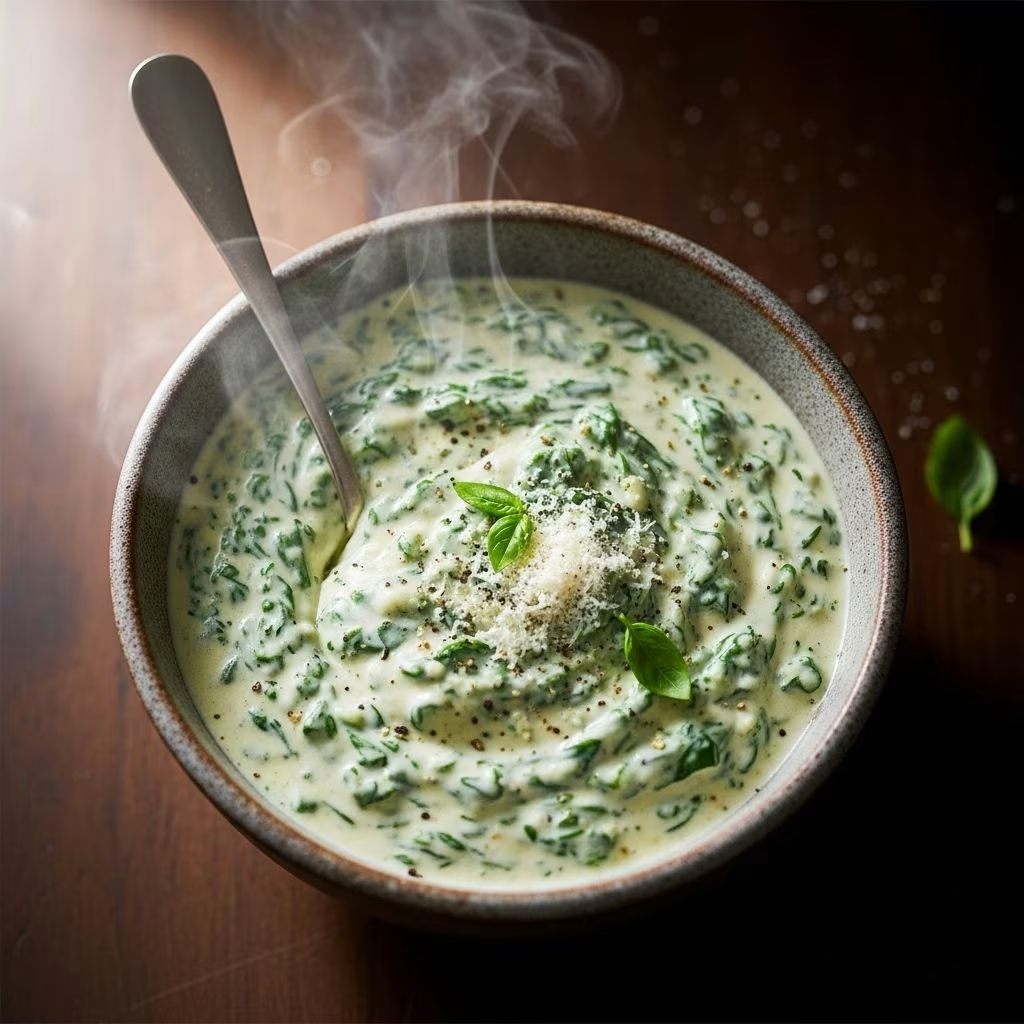
Creating a silky, flavorful spinach Alfredo sauce in your own kitchen transforms an ordinary weeknight dinner into an elevated culinary experience. This classic Italian-inspired sauce combines fresh spinach with a rich, creamy base that rivals what you’d find at upscale restaurants. The beauty of mastering this sauce lies in understanding the fundamental cooking principles and ingredient combinations that create its signature texture and taste.
Understanding the Fundamentals of Alfredo Sauce Construction
Alfredo sauce operates on a simple principle: emulsifying fat and liquid to create a smooth, cohesive coating that clings to pasta. The foundation begins with butter, which serves as both a flavoring agent and the primary fat source for emulsification. When heated gently, butter creates the perfect medium for building layers of flavor. The addition of cream and milk provides the liquid component, while cheese acts as a thickening agent and flavor enhancer.
The inclusion of spinach introduces earthy undertones and nutritional benefits without compromising the sauce’s luxurious mouthfeel. Fresh spinach, when properly prepared and integrated into the sauce, wilts down and disperses evenly throughout, creating a uniformly green sauce with subtle vegetable notes that complement rather than overpower the dairy and cheese components.
Essential Ingredients and Their Roles
| Ingredient | Quantity | Purpose |
|---|---|---|
| Unsalted Butter | 4-6 tablespoons | Flavor base and emulsification agent |
| Garlic | 2-3 cloves, minced | Aromatic depth and savory notes |
| All-Purpose Flour | 2-3 tablespoons | Thickening agent (roux component) |
| Heavy Cream | 1.5 cups | Primary liquid for richness and texture |
| Whole Milk | 1-1.5 cups | Lightens sauce, reduces heaviness |
| Parmesan Cheese | ½ cup, grated | Primary flavor and additional thickening |
| Romano Cheese | ¼ cup, grated | Sharper notes and enhanced umami |
| Fresh Spinach | 2-3 cups | Color, nutrients, and subtle earthiness |
| Sea Salt & Pepper | To taste | Seasoning balance |
Step-by-Step Preparation Methodology
Phase One: Building the Aromatic Base
Begin by melting butter in a large, heavy-bottomed saucepan over medium-low heat. Using medium-low rather than high heat prevents butter from browning excessively, which would impart bitter flavors. Once the butter reaches a foamy consistency, add freshly minced garlic and cook gently for approximately 60 seconds. This brief cooking window allows the garlic to release its aromatic compounds without burning, which would create harsh, acrid flavors that overpower the delicate sauce.
Phase Two: Creating the Roux Foundation
After the garlic becomes fragrant, sprinkle flour over the melted butter while stirring constantly. This combination creates a roux, a classical cooking base that serves as a thickening agent. Continue stirring for one to two minutes, allowing the flour to cook within the fat. This cooking process, called “blooming” the roux, eliminates the raw flour taste and creates a smoother, more refined thickening mechanism. The mixture should resemble wet sand or paste at this stage.
Phase Three: Gradual Liquid Integration
Rather than pouring all liquid at once, add the heavy cream in small splashes while whisking vigorously. This gradual incorporation prevents lumps from forming, which would create an undesirable grainy texture. After incorporating approximately half the cream, add the milk in similar fashion. The combination of cream and milk creates a sauce that’s rich without being overly heavy, striking a balance that coats pasta elegantly without sitting heavily in the stomach.
Bring the mixture to a gentle simmer, then reduce heat to low. As the sauce simmers, it naturally thickens as the starch from the roux swells and the proteins in the dairy denature. This process typically takes five to eight minutes and requires occasional stirring to ensure even heating and prevent sticking on the pan bottom.
Phase Four: Cheese Integration and Spinach Incorporation
Reduce heat to the lowest setting and begin adding grated cheese slowly, stirring continuously. Adding cheese gradually prevents it from clumping or becoming stringy. Ensure cheese is at room temperature before addition, as cold cheese can cause the sauce to seize or become grainy. The cheese melts smoothly into the warm sauce, contributing both flavor depth and additional body through its natural proteins and fats.
Add fresh spinach in handfuls, stirring between additions to allow it to wilt evenly. Fresh spinach contains significant moisture that will release as it cooks, slightly thinning the sauce initially. This is normal and expected. Continue stirring until all spinach is fully incorporated and the sauce achieves a uniform color. The entire spinach wilting process takes approximately three to five minutes.
Critical Techniques for Success
Temperature Management
Temperature control separates mediocre Alfredo from exceptional versions. Excessive heat causes proteins in cream to become grainy or break, creating a separated, unpleasant texture. Maintaining low to medium-low heat ensures proteins denature slowly and evenly, creating a silky emulsion. If the sauce appears to be breaking or separating, immediately reduce heat and whisk in a tablespoon of cold milk to re-emulsify.
Cheese Temperature and Addition
Cheese should always reach room temperature before addition. Cold cheese won’t melt smoothly and can cause the sauce to become lumpy or greasy. Remove cheese from refrigeration approximately 15-20 minutes before cooking to allow it to warm. Grating cheese fresh rather than using pre-shredded varieties yields superior results, as packaged cheese contains anti-caking agents that interfere with smooth melting.
Spinach Preparation
Fresh spinach works best for this sauce, as it integrates seamlessly and provides better flavor than frozen varieties. If using frozen spinach, thaw completely and squeeze dry to remove excess moisture, which would dilute the sauce. Some cooks prefer blanching spinach briefly before addition to remove any grittiness, though this step isn’t essential for home preparation.
Texture Adjustment and Troubleshooting
Alfredo sauce continues thickening as it cools and sits. Anticipate this by making the sauce slightly thinner than your target consistency when serving immediately. If the finished sauce becomes too thick during storage or reheating, add milk or chicken broth in small increments while stirring gently over low heat until reaching desired consistency. Conversely, if sauce is too thin, simmer uncovered for an additional few minutes to allow excess moisture to evaporate, or create a small amount of additional roux (equal parts butter and flour) to whisk in.
Should the sauce break or appear separated, stop cooking immediately. Whisk in a tablespoon or two of cold milk vigorously. Often this resolves the issue. If the sauce remains broken, strain it through fine mesh, discard solids, and whisk the liquid with a small amount of fresh cream over very low heat to re-emulsify.
Pasta Pairing and Serving Suggestions
Fettuccine remains the traditional choice for Alfredo sauce, as its wide, flat ribbons capture and hold the creamy coating effectively. Pappardelle, a wider ribbon pasta, also pairs beautifully. Avoid very thin pasta like spaghetti or angel hair, which becomes overwhelmed by the sauce. Generally, one pound of dried pasta serves four to six people, though the amount depends on whether you prefer saucier or drier preparations.
For optimal flavor integration, combine freshly drained pasta directly with the sauce, stirring gently to coat each strand. The pasta absorbs sauce as it sits, creating better flavor distribution than adding sauce to already-plated pasta. Garnish finished dishes with fresh parsley, additional grated cheese, cracked black pepper, or fresh spinach leaves for visual appeal and flavor enhancement.
Customization and Variation Options
The basic spinach Alfredo framework accommodates numerous variations. Adding sun-dried tomatoes introduces sweetness and textural interest. Mushrooms sautéed separately add earthiness and umami depth. Cooked chicken, shrimp, or bacon transform the sauce into a complete protein dish. A pinch of nutmeg enhances the spinach’s earthiness, while white wine added to the sauce base contributes subtle acidity and complexity. Roasted garlic creates deeper, more mellow flavors compared to raw minced garlic.
Storage and Make-Ahead Strategies
Completed spinach Alfredo sauce stores in airtight containers for three to four days in the refrigerator. The sauce thickens considerably during storage as starches and proteins set. Reheat gently over low heat with additional milk or broth to restore original consistency. For longer storage, freeze sauce in ice cube trays for convenient single-serving portions lasting up to three months. Note that freezing may slightly alter texture, though flavor remains excellent.
Making sauce several hours ahead is practical for entertaining, as you simply reheat it while pasta cooks. The flavor actually improves slightly as ingredients meld over time, provided you store the sauce properly in the coldest section of your refrigerator.
Frequently Asked Questions
Can I use dried spinach instead of fresh?
Dried spinach works but contributes less flavor and creates texture issues, as it doesn’t rehydrate smoothly in the sauce. Fresh or frozen spinach yields superior results.
Why is my sauce breaking or becoming grainy?
Excessive heat is the primary culprit. Always maintain low to medium-low temperature. Ensure cheese is room temperature before addition. If breaking occurs, whisk in cold milk immediately while removing from heat.
How can I make this sauce lighter?
Increase the milk-to-cream ratio or substitute some cream with chicken or vegetable broth. This reduces richness while maintaining creaminess.
Can I prepare this sauce in advance?
Yes, make sauce several hours ahead and refrigerate. Reheat gently with additional milk to restore consistency, as sauce thickens significantly when cold.
What if I don’t have Romano cheese?
Use additional Parmesan cheese instead. Romano provides sharpness, but Parmesan alone still creates delicious sauce with slightly milder flavor.
References
- Olive Garden’s Alfredo Sauce — The Cozy Cook. Accessed April 2026. https://thecozycook.com/olive-garden-alfredo-sauce/
- Spinach Alfredo Sauce (Better than Olive Garden) — IC Friendly Recipes. Accessed April 2026. http://icfriendlyrecipes.blogspot.com/2017/03/spinach-alfredo-sauce-better-than-olive.html