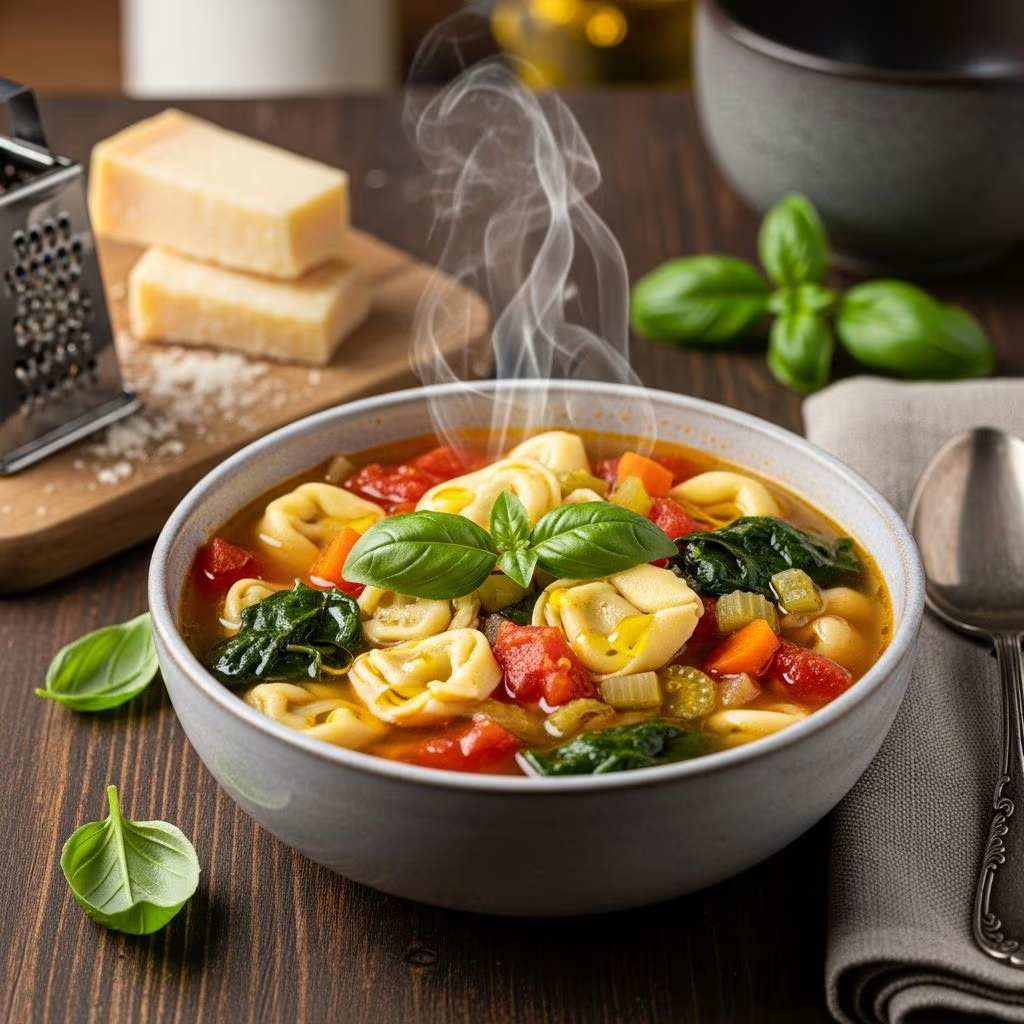
Tortellini soup represents one of Italy’s most beloved comfort dishes, combining delicate pasta pockets filled with cheese and herbs in a savory broth infused with fresh vegetables and aromatic seasonings. This traditional preparation transforms simple ingredients into a warming, satisfying meal that captures the essence of Italian home cooking. Whether you’re seeking a weeknight dinner solution or planning to impress guests with authentic flavors, mastering this classic recipe opens doors to endless variations and personal touches.
Understanding the Foundation of Italian Tortellini Soup
The beauty of tortellini soup lies in its elegant simplicity. At its core, the dish comprises three essential components working in harmony: the broth, the tortellini, and the supporting vegetables and seasonings. The broth forms the flavor foundation, requiring quality stock and carefully balanced aromatics. The tortellini provides both substance and textural interest, with the cheese filling complementing the savory liquid. Supporting ingredients like garlic, onions, and herbs create depth while maintaining the dish’s traditional character.
Understanding how these elements interact allows home cooks to achieve restaurant-quality results. The broth must be flavorful enough to stand independently while not overpowering the delicate tortellini. The pasta itself should maintain its structural integrity without becoming mushy. The vegetables should soften enough to release their flavors while remaining identifiable in the finished dish.
Essential Ingredients for Authentic Preparation
Creating an authentic tortellini soup requires attention to ingredient selection. Each component contributes meaningfully to the final flavor profile and texture.
The Broth Base
High-quality chicken or vegetable broth serves as the foundation for your soup. Approximately 6 to 7 cups of broth provides adequate liquid for a hearty, satisfying consistency without making the soup too thin. Consider using homemade stock when possible, as the depth of flavor significantly enhances the finished dish compared to commercial varieties. If using store-bought broth, select low-sodium options to allow better seasoning control throughout the cooking process.
Tortellini Selection
Cheese tortellini forms the heart of this dish. Approximately 9 to 14 ounces of refrigerated cheese tortellini works well, though some cooks prefer making their own pasta from scratch for maximum authenticity. Fresh tortellini requires minimal cooking time and delivers superior texture compared to dried varieties. The filling’s richness complements the broth beautifully, creating a harmonious balance between creamy and savory elements.
Aromatic Vegetables
Traditional aromatics build the flavor foundation. One medium onion, minced or finely chopped, along with 2 to 3 fresh garlic cloves pressed or minced, create the classic Italian mirepoix. Some recipes incorporate carrots and celery for additional depth and subtle sweetness. These vegetables should be cooked gently in fat until softened, allowing their essential oils to infuse the broth.
Tomato Components
Tomatoes add body and acidity to the broth. Options include diced canned tomatoes with their juices, tomato sauce, or tomato paste. Many authentic preparations use a combination of these components to achieve layered tomato flavor. A one-inch Parmesan cheese rind, while optional, adds umami complexity and should be added during the simmering stage for maximum flavor extraction.
Cream and Finishing Touches
Half-and-half or heavy cream is stirred in at the final stage, creating a luxurious mouthfeel without overwhelming the dish. Fresh spinach, added just before serving, contributes color and nutritional value. Fresh parsley and grated Parmesan cheese serve as garnishes, adding brightness and savory notes to each bowl.
Seasoning and Flavor Development
Proper seasoning transforms good soup into exceptional soup. Italian seasoning, which typically includes dried basil, oregano, thyme, and rosemary, provides the foundational flavor profile. Adding dried basil, fresh thyme, and bay leaves creates complexity without requiring numerous individual spices. Salt and pepper require careful adjustment throughout cooking, as flavors concentrate during simmering.
Many cooks benefit from tasting the broth at various stages and adjusting seasonings accordingly. This approach prevents over-salting or under-seasoning the finished dish. A small pinch of red pepper flakes can add subtle heat, while balsamic vinegar or a squeeze of fresh lemon juice brightens the overall flavor profile.
Step-by-Step Cooking Instructions
Initiating the Flavor Base
Begin by heating 2 tablespoons of olive oil or butter in a large saucepan or Dutch oven over medium heat. Once the fat is melted and shimmering, add the finely chopped onion and cook, stirring occasionally, for approximately 5 minutes until it becomes translucent and softened. This initial cooking stage is crucial for developing sweet, savory notes that form the flavor backbone.
After the onion softens, add the minced garlic and stir constantly for about 30 seconds to 1 minute, ensuring the garlic doesn’t burn. Some recipes at this stage add a tablespoon of all-purpose flour and cook for another minute, creating a light roux that will help thicken the soup naturally. This technique adds body without requiring additional thickening agents later.
Building the Broth
Pour the broth into the pot, followed by tomato components—whether diced tomatoes with juices, tomato sauce, or tomato paste diluted slightly with broth. Add Italian seasoning, dried basil, bay leaves, and if available, the Parmesan rind. Stir thoroughly to combine all ingredients and ensure even seasoning distribution.
Bring the mixture to a gentle boil over medium-high heat, then reduce to a simmer and cook uncovered for approximately 10 to 15 minutes. This simmering period allows flavors to meld and deepen. Taste the broth and adjust seasonings as needed, remembering that pasta and cream will be added later, slightly diluting the flavor intensity.
Cooking the Tortellini
Add the cheese tortellini directly to the simmering broth. Fresh tortellini typically requires 3 to 5 minutes of cooking to reach perfect tenderness—they’ll float to the surface when fully cooked. Avoid overcooking, as tortellini can become mushy and lose their structural integrity. Stir gently once or twice during cooking to prevent sticking and ensure even heating.
Final Assembly
Once the tortellini are tender and floating, remove the pot from heat. Stir in the fresh spinach and cream components, allowing residual heat to gently wilt the spinach. Add grated Parmesan cheese and stir until it melts smoothly into the soup. Some cooks prefer cooking on very low heat for an additional minute or two, but extended cooking after adding cream can cause it to break or become grainy.
Cooking Method Variations
Stovetop Preparation
The traditional stovetop method offers maximum control over cooking temperatures and timing. Using a large saucepan or Dutch oven, cooks can adjust heat easily and observe flavor development throughout the process. Total cooking time typically ranges from 25 to 35 minutes from start to finish.
Slow Cooker Adaptation
For busier schedules, the slow cooker presents an excellent alternative. Brown the sausage (if using) and sauté aromatics on the stovetop for 5 minutes, then transfer all ingredients except tortellini, spinach, and cream to the slow cooker. Cook on low for 6 to 8 hours or on high for 3 to 4 hours. About 30 minutes before serving, switch to high and add the tortellini and remaining ingredients. This method produces deeply developed flavors with minimal hands-on time.
Instant Pot Method
Pressure cooking significantly reduces total cooking time while maintaining flavor development. Set the Instant Pot to sauté mode, heat oil, cook aromatics for 2 to 3 minutes, add broth and tomato components, seal, and cook on high pressure for 5 minutes. After quick-release, add tortellini, spinach, and cream. This method takes approximately 20 minutes total, making it ideal for quick weeknight meals.
Optional Protein Additions
While the traditional recipe focuses on cheese tortellini as the primary protein, many home cooks enhance the soup with additional meat components. Italian sausage, either sweet or hot varieties, browns beautifully and adds savory richness. Approximately 1 pound of ground Italian sausage, broken into small pieces and cooked until no longer pink, integrates seamlessly into the broth. For lighter preparations, chicken sausage offers comparable flavor with reduced fat content.
Some cooks incorporate white beans for additional protein and fiber without adding meat. Approximately one 15-ounce can of white beans, rinsed and drained, can replace or supplement meat proteins. The beans absorb broth flavors and contribute creamy texture when partially broken down during cooking.
Vegetable Enhancements and Substitutions
| Vegetable | Amount | Preparation | Cooking Notes |
|---|---|---|---|
| Fresh Spinach | 2-3 cups | Chopped or whole leaves | Add at the very end; wilts quickly |
| Kale | 3 cups packed | Remove thick stems, chop | Add before tortellini; requires longer cooking |
| Carrots | 1/2 cup grated or diced | Thin slices or small dice | Add during initial vegetable cooking stage |
| Celery | 1 rib, sliced | Thin slices | Cook with onions during flavor base development |
| Sun-Dried Tomatoes | 1/4 cup | Chopped | Add with broth for concentrated tomato flavor |
Storing and Reheating Your Soup
Tortellini soup keeps well for up to 3 days when stored in an airtight container in the refrigerator. The flavors often improve as they continue to meld during storage. When reheating, use medium-low heat and add a splash of additional broth if the soup has thickened significantly. Avoid high heat, which can cause cream to break or become grainy.
For longer storage, freeze the soup without the cream and tortellini components. After thawing and reheating the broth, cook fresh tortellini directly in the soup and add cream just before serving. This approach maintains the best possible texture and flavor in the finished dish.
Frequently Asked Questions
Can I use dried tortellini instead of fresh?
Yes, though fresh tortellini produces superior texture and flavor. Dried tortellini requires longer cooking times, typically 8 to 10 minutes. Add dried tortellini earlier in the cooking process to ensure complete tenderness before serving.
What if I don’t have Parmesan cheese rind?
Omit it or substitute with grated Parmesan cheese added directly to the broth. While the rind provides concentrated umami, the soup remains delicious without it. Grated cheese dissolves more quickly but offers similar flavor contributions.
How can I make this soup vegetarian?
Use vegetable broth instead of chicken broth and omit any meat proteins. Replace lost umami by increasing Parmesan cheese or adding a small amount of miso paste. Additional vegetables like mushrooms or sun-dried tomatoes enhance the depth of flavor.
Can I prepare this soup ahead?
Prepare the broth base one day ahead and refrigerate. Add the tortellini, spinach, and cream just before serving to maintain optimal texture. Reheating pre-made soup with tortellini can result in mushy pasta.
What bread pairs well with tortellini soup?
Crusty Italian bread, focaccia, or garlic bread complements the soup beautifully. For lighter options, breadsticks or grissini work equally well. The bread’s role is primarily to capture any remaining broth rather than serve as a substantial side.
Conclusion: Mastering Italian Comfort Food
Authentic tortellini soup exemplifies how simple ingredients, when treated with respect and combined with proper technique, produce extraordinary results. The recipe welcomes personal modifications while maintaining its essential character—creamy, savory, and deeply satisfying. By understanding the foundational cooking methods and ingredient interactions, home cooks can confidently prepare this dish repeatedly, adjusting for seasonal availability and personal preferences while honoring its traditional roots.
References
- Creamy Tomato and Spinach Tortellini Soup — Tastes Better From Scratch. https://tastesbetterfromscratch.com/creamy-tomato-and-spinach-tortellini-soup/
- One-Pot Sausage Tortellini Soup — The Mediterranean Dish. https://www.themediterraneandish.com/tortellini-soup/
- Creamy Tuscan Tortellini Soup — Flavorful Life. https://flavorfulife.com/tuscan-tortellini-soup/
- Creamy Tortellini Soup — The Modern Proper. https://themodernproper.com/tortellini-soup-with-italian-sausage-and-kale
- Italian Tortellini Soup With Sausage And Spinach — StoneGable. https://stonegableblog.com/italian-sausage-tortellini-and-spinach-soup/
- Tortellini Soup Recipe — Love and Lemons. https://www.loveandlemons.com/tortellini-soup/
- Ang’s Creamy Tortellini Soup Recipe — Pinch of Yum. https://pinchofyum.com/tortellini-soup