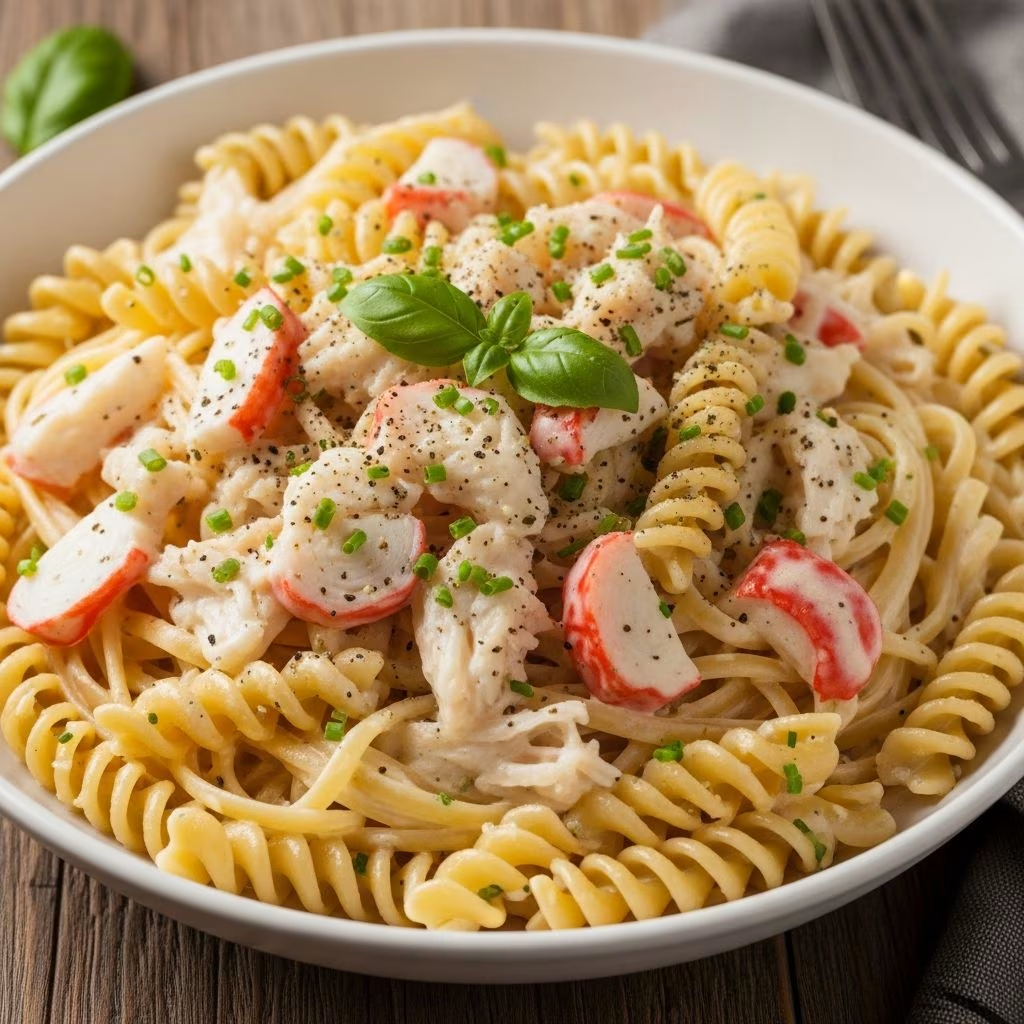
Creating an impressive seafood pasta dish at home doesn’t require expensive ingredients or complicated techniques. Imitation crab—also known as surimi—offers an affordable, accessible alternative that delivers genuine seafood flavor without the premium price tag. When combined with a silky cream sauce and perfectly cooked pasta, this ingredient transforms into a dish that rivals upscale restaurant offerings.
The appeal of this pasta preparation lies in its versatility and simplicity. Whether you’re cooking for family on a busy weeknight or entertaining guests for a casual dinner party, this recipe adapts beautifully to various skill levels and ingredient preferences. The foundation remains consistent: quality pasta, tender imitation crab, and a well-balanced cream sauce enhanced by aromatics and seasonings.
Understanding Imitation Crab and Its Culinary Applications
Imitation crab meat represents a remarkable innovation in food production and sustainability. This product, created from surimi (minced fish flesh), offers several advantages that make it particularly suited to home cooking. Unlike fresh crab, which demands careful handling and rapid preparation, imitation crab maintains consistent quality throughout storage and cooking.
The texture of imitation crab remains stable during heating, preventing the toughness that sometimes accompanies overcooked fresh crab. Additionally, the mild flavor profile complements delicate cream sauces without overwhelming the palate. The affordability factor cannot be understated—imitation crab costs significantly less than wild-caught or farmed crab, making elegant seafood dinners accessible to more households.
When selecting imitation crab for this dish, look for products that list fish and other recognizable ingredients on the label. The quality varies among brands, so experimenting with different options helps identify your preferred texture and flavor profile. Shelf-stable packages offer convenience, though refrigerated varieties sometimes provide a more tender bite.
Essential Ingredients for Building Layers of Flavor
The foundation of exceptional creamy crab pasta begins with ingredient selection. Each component contributes distinct characteristics that build a harmonious final dish.
Pasta Selection and Preparation
The pasta serves as more than a neutral base—it functions as a flavor vehicle and textural element. Long, ribbon-like varieties such as fettuccine or pappardelle showcase the sauce beautifully, allowing the cream to coat each strand evenly. Medium-width options like linguine or tagliatelle offer similar advantages. Shorter shapes like penne or rigatoni work equally well, though they distribute sauce throughout their hollow centers rather than along surfaces.
Cooking pasta to proper doneness represents a critical step often overlooked in home kitchens. The ideal texture—al dente—means the pasta retains a slight firmness when bitten, not soft or mushy. This requires precise timing according to package directions, usually ranging from eight to twelve minutes. After cooking, rinsing with cool water stops the cooking process and removes excess starch that might cloud the sauce.
Building the Cream Sauce Foundation
The cream sauce transforms simple ingredients into something luxurious and restaurant-worthy. Traditional preparation begins with fat—typically butter—heated gently to avoid browning. This creates the foundation for aromatic vegetables and serves as the base for creating a roux if flour becomes part of the recipe.
Heavy cream or half-and-half provides the rich base that coats the pasta and creates a smooth mouthfeel. Heavy cream produces a denser, more decadent sauce, while half-and-half offers a lighter alternative that still delivers creaminess without excessive heaviness. Some recipes incorporate both milk and cream in varying ratios to achieve specific consistency and richness levels.
Cheese—particularly Parmesan—adds umami depth and helps thicken the sauce as it melts into the cream. The choice between pre-grated and freshly grated cheese matters; freshly grated Parmesan melts more smoothly because it lacks anti-caking agents that can create graininess in warm sauce.
Aromatics and Seasonings
Minced garlic provides the primary aromatic element, introducing pungent complexity that elevates the entire dish. Gentle cooking prevents harsh bitterness that results from burning garlic. Fresh herbs such as tarragon, parsley, or dill complement the delicate sweetness of imitation crab beautifully.
Lemon juice or zest brightens the cream sauce, cutting through richness while emphasizing the subtle seafood character. Salt and freshly ground black pepper require careful adjustment to taste, as different cream products and cheeses carry varying salt content.
Step-by-Step Preparation Process
Initial Setup and Mise en Place
Successful cooking begins with organized preparation. Gathering all ingredients and equipment before starting prevents scrambling mid-recipe. Measure creams, pre-grate cheese, mince garlic, and tear imitation crab into bite-sized pieces. This preparation style, known as mise en place, allows smooth execution once cooking begins.
The Cooking Sequence
Begin by bringing pasta water to a rolling boil in a large pot. Add salt generously—the water should taste pleasantly salty, similar to seawater—before adding dried pasta. Stir occasionally to prevent sticking and ensure even cooking.
While pasta cooks, prepare the sauce. Melt butter in a separate skillet or saucepan over medium heat. Add minced garlic, stirring constantly for approximately thirty seconds until fragrant. This brief cooking time releases garlic’s aromatic compounds without allowing them to burn.
Gradually add cream to the garlic-butter mixture, whisking constantly to maintain a smooth consistency. As the cream heats, it may thicken slightly—this is normal and desired. Once the mixture reaches a gentle simmer, reduce heat to prevent boiling, which can cause the cream to break and separate.
Add shredded Parmesan cheese to the simmering cream, stirring frequently until fully melted and incorporated. The sauce should appear glossy and cohesive. Season with salt, pepper, lemon zest, and any fresh herbs, tasting and adjusting as needed.
Drain the cooked pasta and add it directly to the cream sauce, tossing gently to ensure even coating. Carefully fold in the prepared imitation crab, mixing thoroughly but without aggressive stirring that might break apart the crab pieces. The residual heat from the sauce gently warms the crab without requiring additional cooking time.
Variations and Creative Adaptations
Spiced Cajun Rendition
Transform the basic cream sauce by incorporating Cajun seasonings—cayenne pepper, paprika, garlic powder, and onion powder create a warming, slightly spicy variation. This adaptation suits fettuccine beautifully and pairs well with crusty bread for soaking up extra sauce. Fresh parsley garnish adds visual contrast and herbaceous freshness.
One-Pot Efficiency Method
For simplified cleanup and faster execution, combine pasta and sauce in a single pot. Add water and cream together, bringing the mixture to a boil before adding dried pasta. The pasta cooks directly in the sauce, absorbing flavor while releasing starch that naturally thickens the mixture. This technique requires more frequent stirring to prevent sticking but produces creamy results with minimal dishware.
Cold Salad Adaptation
Cooling the entire preparation transforms it into a refreshing pasta salad perfect for warm weather entertaining. Mix cooked, chilled pasta with imitation crab, mayonnaise-based dressing rather than hot cream sauce, fresh vegetables like diced celery or bell peppers, and tangy elements such as lemon juice. This version benefits from advance preparation and actually improves after several hours as flavors meld.
Ingredient Substitution Options
| Original Ingredient | Substitution Option | Impact on Dish |
|---|---|---|
| Heavy Cream | Greek Yogurt or Sour Cream | Lighter texture with subtle tang |
| Parmesan Cheese | Gruyere or Asiago | Deeper, more complex flavor profile |
| Fresh Garlic | Garlic Powder or Shallots | Milder or sweeter aromatic character |
| Tarragon | Dill or Chives | Different herbal emphasis while maintaining freshness |
| Fettuccine | Linguine or Pappardelle | Similar sauce-coating capabilities with visual variation |
Troubleshooting Common Preparation Issues
Sauce Consistency Concerns
If the finished sauce appears too thick, additional cream or milk loosened incrementally restores the desired consistency. Conversely, sauce that seems too thin requires continued gentle simmering to reduce liquid content and concentrate flavors. Some cooks incorporate a small amount of cornstarch slurry—cornstarch mixed with cold water—to thicken without adding more cream.
Preventing Separation and Graininess
Cream-based sauces occasionally separate when exposed to excessive heat or acidic ingredients added too quickly. Maintaining a gentle simmer rather than aggressive boiling prevents protein breakdown. When adding lemon juice or wine, incorporate these elements slowly while whisking constantly.
Ensuring Crab Piece Integrity
Imitation crab meat holds together better than fresh crab, but rough handling still damages the product. Use a gentle folding motion when combining crab with sauce rather than vigorous stirring. Add the crab just before serving to minimize time the pieces spend in the warm sauce.
Serving Suggestions and Presentation
Plating this dish thoughtfully enhances the dining experience. Twirl pasta onto individual plates using tongs or forks, creating an attractive nest that showcases the creamy coating. Spoon additional sauce over the top, ensuring visible crab pieces garnish the presentation. Fresh parsley, chives, or additional lemon zest sprinkled over the surface adds color contrast and emphasizes fresh flavors.
Serving temperature affects perception of the dish. Remove from heat and plate immediately while the pasta remains hot enough to steam slightly—this temperature range highlights the cream sauce’s luxurious texture. Accompany with crusty bread for sauce soaking and a crisp green salad providing textural and flavor contrast.
Make-Ahead and Storage Guidance
This dish reaches its peak immediately after preparation, but components can be prepared in advance. The sauce can be made up to one day ahead and reheated gently over low heat with additional cream stirred in to restore proper consistency. Fresh pasta should cook just before serving to maintain ideal texture.
Storing leftover portions in airtight containers keeps them fresh for two to three days in the refrigerator. Reheating requires gentle warming over low heat with splash of cream or milk to restore sauce consistency. Imitation crab tolerates brief reheating without texture degradation, though the pasta may become slightly softer upon repeated heating.
Nutritional Considerations
Imitation crab provides protein and minerals while remaining lower in sodium compared to some seafood options. The cream sauce contributes significant calories and fat, reflecting its luxurious nature. Portion control and balanced meal composition—including vegetables and lighter sides—supports nutritional goals while enjoying this indulgent preparation.
Frequently Asked Questions
Can fresh crabmeat substitute for imitation crab?
Yes, fresh or frozen lump crab meat creates an equally delicious dish with more pronounced seafood flavor. Add fresh crab only in the final moments to prevent toughening from overcooking. The cooking technique remains identical, though cost increases substantially with premium crab products.
What pasta shape works best?
Long, flat varieties like fettuccine or pappardelle excel at showcasing creamy sauces, but personal preference guides this choice. Experiment with different shapes to discover your preferred sauce-to-pasta ratio and visual presentation.
How far in advance can this dish be prepared?
Prepare components separately—sauce and cooked pasta—up to one day ahead. Combine just before serving for optimal texture. The cold salad adaptation, however, improves with several hours of advance preparation as flavors develop.
Are there dairy-free sauce options?
Coconut milk or cashew cream provide dairy-free alternatives that maintain richness and creaminess. Nutritional yeast adds umami depth without dairy products. Adjust seasoning accordingly as these alternatives carry distinct flavor profiles.
References
- Surimi and Surimi Seafood Products — U.S. Food and Drug Administration. 2023. https://www.fda.gov/food/seafood/surimi-and-surimi-seafood-products