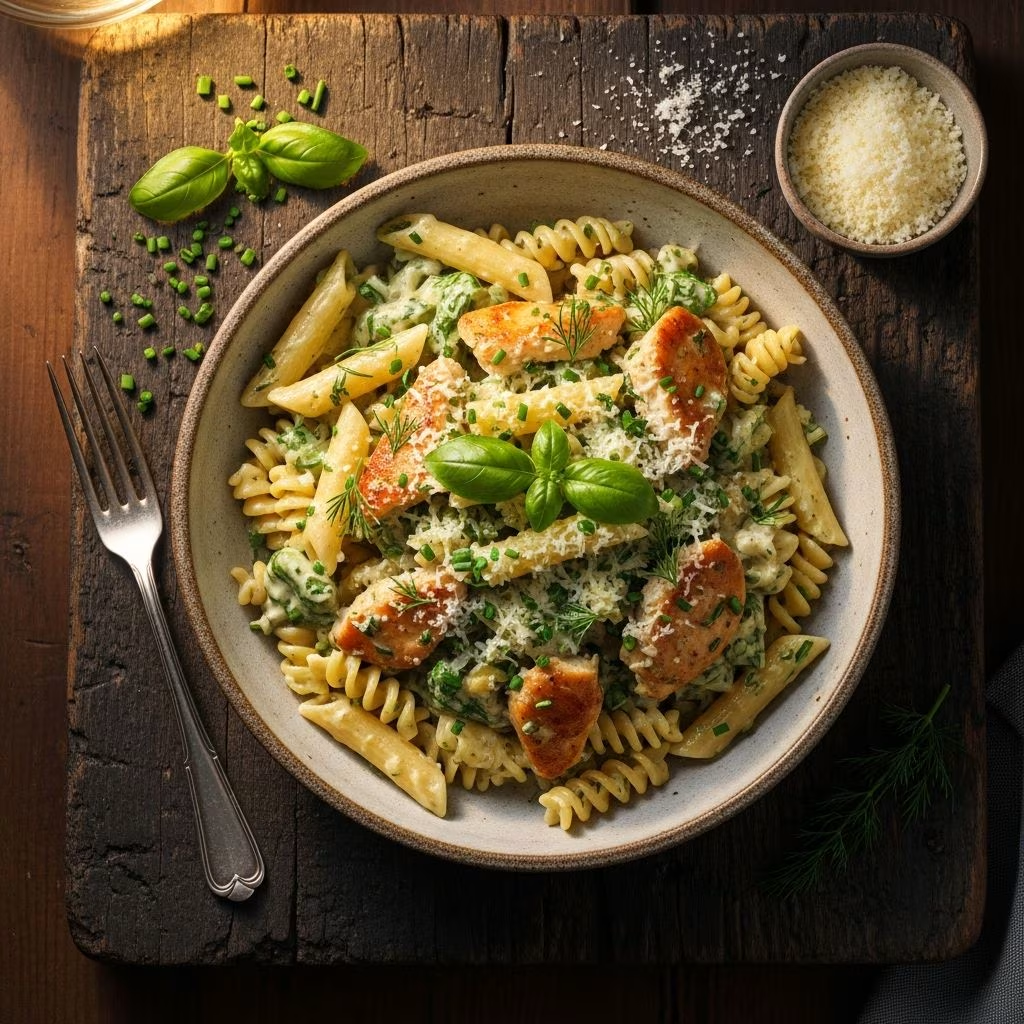
Creamy herb cheese chicken pasta represents one of the most versatile and satisfying dishes to master in your cooking repertoire. This elegant yet approachable recipe combines tender poultry, silky sauce, and perfectly cooked noodles into a single, cohesive meal that delivers restaurant-quality results from your home kitchen. The beauty of this dish lies not only in its remarkable flavor profile but also in its ability to come together quickly enough for weeknight dinners while remaining sophisticated enough to impress dinner guests.
Understanding the Core Components
The foundation of an exceptional creamy herb cheese chicken pasta begins with understanding each individual component and how they work together harmoniously. Rather than viewing this as a simple one-pot meal, recognize it as a carefully orchestrated combination of complementary elements that each deserve attention and proper execution.
The Protein Foundation
Chicken serves as the primary protein in this dish, and your selection method directly impacts the final outcome. Fresh chicken breasts offer a lean option that cooks relatively quickly, typically requiring between 15 to 20 minutes depending on thickness and preparation method. For optimal results, consider pounding chicken breasts to an even thickness of approximately half an inch before cooking. This ensures uniform cooking throughout and prevents the exterior from overcooking while the interior remains undercooked.
Alternatively, utilizing rotisserie chicken from your local grocery store provides significant time savings, particularly on evenings when your schedule runs tight. Simply shred or cube the pre-cooked chicken and incorporate it during the final stages of sauce preparation. This approach delivers comparable flavor while reducing active cooking time substantially.
Selecting Quality Pasta
The pasta selection influences both texture and sauce adherence. Short pasta varieties such as penne, rigatoni, or fusilli work exceptionally well because their ridged surfaces and shapes trap the creamy sauce efficiently. Longer pasta options like fettuccine or linguine create an elegant presentation and provide ample surface area for sauce coating. Select dried pasta made from durum wheat semolina for superior texture and cooking consistency.
Cook pasta to al dente consistency—this means it should offer slight resistance when bitten but remain tender enough to eat comfortably. Reserve a full cup of pasta cooking water before draining; this starchy liquid becomes invaluable for adjusting sauce consistency and helping the sauce coat the noodles more effectively.
The Herb Cheese Element
Herb-infused cheese products bring distinctive character to this dish. These specialty cheeses combine cream cheese bases with dried herbs and garlic, creating complex flavor profiles without requiring you to manually blend multiple seasonings. The cheese melts smoothly into cream and broth, creating a luxurious sauce base that clings to pasta and chicken alike.
Building Your Aromatic Base
Every successful creamy pasta begins with properly developed aromatics. This foundation layer establishes flavor depth that permeates the entire dish.
Start by heating fat—either butter or olive oil—in a large skillet over medium heat. Once the fat reaches a shimmering state, add minced garlic and allow it to cook for approximately one minute, stirring constantly. This brief cooking period releases garlic’s essential oils and develops its sweet, mellow flavor without burning it into bitterness. The aromatics at this stage should smell distinctly fragrant without any acrid or burnt notes.
Crafting the Silky Sauce
The sauce represents the heart of this dish, transforming simple ingredients into something extraordinary. Understanding sauce construction prevents common pitfalls like excessive thickness or a grainy, separated appearance.
Liquid Ratios and Heat Management
After your aromatics have developed properly, pour in chicken broth and heavy cream in proportions that create balanced, silky consistency. A typical ratio combines approximately three-quarters cup chicken broth with one-half cup heavy cream. These liquids form the base into which your herb cheese will melt.
Bring these combined liquids to a gentle simmer—this means small bubbles break the surface at a calm, steady pace. Avoid rolling boils at this stage, as aggressive heat can cause cream to break or separate. Once simmering gently, introduce the herb cheese product, stirring continuously until it melts completely and incorporates fully into the liquid. The resulting sauce should appear smooth, glossy, and homogeneous.
Incorporating Additional Vegetables
Fresh spinach adds nutritional value, color contrast, and subtle earthiness without overwhelming other flavors. Add fresh spinach leaves to your simmering sauce and stir gently until the greens wilt completely, typically requiring just two to three minutes. The residual heat transforms firm leaves into tender components that distribute throughout the dish.
Sun-dried tomatoes provide concentrated tomato flavor and textural interest through their chewy consistency. Add these along with your chicken during the final heating phase, allowing them two to three minutes to warm through completely.
Combining Everything Strategically
The order in which you combine components affects both texture and flavor distribution. After your sauce has developed and vegetables have incorporated, add your cooked chicken pieces and allow everything to simmer together gently for two to three minutes. This step ensures the chicken heats throughout and absorbs some sauce flavors.
Finally, add your drained pasta directly to the skillet with the sauce. Toss everything gently but thoroughly, ensuring sauce coats each piece of pasta. If the mixture appears too thick, add reserved pasta water one tablespoon at a time, stirring between additions until you achieve your desired consistency. The pasta should glisten with sauce rather than sitting in a pool of liquid or appearing dry.
Flavor Development and Seasoning
Taste your finished dish and adjust seasonings according to your preferences. Freshly ground black pepper adds subtle heat and complexity. Additional salt may be necessary depending on the saltiness of your broth and cheese product. Fresh lemon juice brightens the overall flavor profile, adding brightness that cuts through the richness of cream and cheese.
Fresh parsley, whether stirred in before serving or used as a garnish, adds herbaceous notes and visual appeal. Grated Parmesan cheese sprinkled over individual portions adds umami depth and textural interest through its crystalline quality.
Timing Considerations for Success
| Component | Preparation Time | Cooking Time | Total Time |
|---|---|---|---|
| Fresh chicken breast (pounded) | 5 minutes | 15-20 minutes | 20-25 minutes |
| Rotisserie chicken (store-bought) | 2 minutes | 0 minutes | 2 minutes |
| Pasta cooking | 2 minutes | 8-12 minutes | 10-14 minutes |
| Sauce preparation | 3 minutes | 8-10 minutes | 11-13 minutes |
| Final assembly | 1 minute | 2-3 minutes | 3-4 minutes |
A realistic total cooking time, using fresh chicken and starting from scratch, ranges between 30 to 40 minutes. Using rotisserie chicken reduces this significantly to approximately 25 to 30 minutes. Strategic multitasking—beginning pasta water boiling while chicken cooks, then starting sauce preparation once pasta reaches a boil—optimizes your time in the kitchen.
Customization Options and Variations
This dish welcomes creative modifications based on your ingredient preferences and dietary requirements. Mushrooms, whether cremini, shiitake, or oyster varieties, add umami depth and meaty texture. Sauté them alongside your aromatics before adding liquids. Red pepper flakes introduce subtle heat for those preferring spicier preparations. Caramelized onions contribute sweet complexity that rounds out the dish’s flavor profile beautifully.
For lighter preparations, substitute half-and-half or milk for some of the heavy cream, though recognize that this slightly reduces sauce richness. Vegetable broth replaces chicken broth for vegetarian versions, though you might add additional protein through chickpeas, white beans, or tofu if desired.
Frequently Asked Questions
Why does my sauce appear grainy or separated?
Grainy texture typically results from excessive heat causing cream to break or from inadequately melted cheese. Ensure you maintain gentle simmering rather than rolling boils. Stir herb cheese continuously as it melts to promote even incorporation. If separation occurs, remove the skillet from heat and whisk in a tablespoon of room-temperature cream, whisking vigorously until the sauce becomes smooth again.
Can I prepare this dish ahead of time?
Cook components separately and store in sealed containers until you’re ready to serve. Reheat sauce gently over low heat, stirring occasionally and adding pasta water to restore proper consistency. Cook pasta just before serving for optimal texture, as reheated pasta becomes mushy. Combining everything shortly before eating delivers the best final result.
What if my sauce becomes too thick?
Thinning an overly thick sauce is simple—whisk in reserved pasta water one tablespoon at a time until achieving your desired consistency. Alternatively, add chicken broth or even milk in small increments. Remember that sauce continues thickening as it cools, so aim for slight looseness when the dish comes off the heat.
How should I store leftovers?
Transfer cooled pasta to an airtight container and refrigerate for up to three days. Reheat gently over low stovetop heat, adding a splash of milk or broth to restore sauce consistency. Alternatively, microwave individual portions at 50% power, stirring at one-minute intervals until thoroughly heated.
Professional Tips for Restaurant-Quality Results
Taste as you cook rather than waiting until the end to season. This approach allows gradual flavor building and prevents over-seasoning. Use fresh rather than pre-minced garlic when possible—the flavor difference is notable and worth the minimal additional effort.
Pat chicken dry before cooking to encourage browning rather than steaming. A proper sear develops fond—flavorful browned bits clinging to the pan—that enriches your sauce when you deglaze with liquid. Don’t skip reserving pasta water; this starchy, salty liquid is invaluable for achieving silky sauce consistency.
Finish your dish by tasting and adjusting seasonings one final time. A small squeeze of lemon juice added at the last moment brightens flavors dramatically without making the dish taste overtly citrusy. Serve immediately in warmed bowls, as this helps maintain sauce consistency and keeps your pasta at the ideal eating temperature.
Why This Dish Deserves Your Time
Creamy herb cheese chicken pasta delivers exceptional satisfaction relative to the effort required. The combination of tender protein, silky sauce, and properly cooked noodles creates a fundamentally comforting meal that simultaneously feels elegant and refined. Whether preparing this for a simple Tuesday night dinner or impressing guests at a gathering, this recipe performs reliably and consistently produces impressive results.
By understanding the principles behind each component and mastering basic techniques, you transform a simple recipe into something you can execute confidently and customize based on your preferences and available ingredients. This foundational knowledge applies to countless other pasta preparations, making your time perfecting this dish valuable beyond this single meal.
References
- Boursin Cheese Chicken Pasta — Art From My Table. https://www.artfrommytable.com/boursin-chicken-pasta/
- Boursin Chicken Pasta — Salt & Lavender. https://www.saltandlavender.com/boursin-chicken-pasta/
- Boursin Cheese Chicken Pasta — Baked Bree. https://bakedbree.com/boursin-chicken-pasta
- Garlic And Herb Boursin Pasta With Chicken — Springer Mountain Farms. https://www.springermountainfarms.com/recipes/garlic-and-herb-boursin-pasta-with-chicken/
- Boursin Chicken Pasta — Spinach and Bacon. https://spinachandbacon.com/2025/07/28/boursin-chicken-pasta/