Pasta dishes don’t need to be complicated or time-consuming to be both impressive and nutritious. One such preparation that exemplifies simplicity without sacrificing visual appeal or flavor involves combining fresh greens with a handful of pantry staples to create an elegant meal that can be prepared in roughly thirty minutes. The approach centers on leveraging the power of a blender to transform raw leafy vegetables and aromatics into a vibrant coating for pasta, eliminating the need for lengthy simmering or complex techniques.
Understanding the Foundation of Green Pasta Dishes
Green pasta preparations have long held a special place in culinary traditions across Mediterranean and European cuisines. Unlike traditional red sauces built on tomatoes or cream-based preparations that require heating, this style of dish embraces the concept of raw vegetable sauces that preserve the bright, vital qualities of their ingredients. The foundation of such preparations typically involves selecting high-quality greens and herbs that contribute both nutritional value and distinctive flavor profiles.
The primary advantage of uncooked vegetable sauces lies in their ability to maintain the delicate textures and vibrant colors that cooking might diminish. Additionally, this approach appeals to modern diners who seek meals that feel both contemporary and health-conscious without requiring specialized culinary skills.
Essential Components and Ingredient Selection
Creating an effective green pasta sauce requires understanding how each ingredient contributes to the final result. The composition typically includes several categories of components that work in concert to achieve the desired flavor, texture, and nutritional profile.
The Leafy Green Base
The foundation of this dish rests upon tender leafy vegetables that provide bulk, color, and nutritional density. Baby spinach serves as an ideal starting point because its mild flavor profile allows other ingredients to shine while contributing iron, vitamins, and a vibrant green hue. Kale, when selected carefully and prepared properly, adds earthiness and structural integrity to the sauce. The selection of younger kale varieties with more tender leaves ensures a smoother, less bitter final product compared to mature varieties designed for long cooking.
Fresh basil brings aromatic complexity and a peppery undertone that distinguishes this preparation from other green sauces. The quantity of basil should be calibrated to personal preference, as its flavor can quickly become dominant if used excessively.
Aromatic Foundations
Garlic functions as the aromatic anchor, providing pungency and depth that prevents the sauce from tasting flat or overly herbaceous. Raw garlic, when blended rather than cooked, contributes a sharp edge that mellows slightly as it mingles with the starchy pasta water and other components. The quantity should be modest—typically one to two cloves—to avoid overwhelming other flavors.
Textural and Binding Elements
Dairy products serve dual purposes in this preparation. Feta cheese contributes saltiness, tanginess, and a crumbly texture that, when blended, creates a creamy consistency while maintaining distinctiveness. Cream cheese acts as an emulsifier and fat carrier, helping to bind the various components while smoothing the overall texture. Together, these elements create a sauce that coats pasta strands without feeling heavy or requiring cream or butter.
Flavor Enhancement and Finishing
Extra-virgin olive oil provides the lipid base necessary for the sauce to adhere properly to pasta while contributing its own distinctive flavor. The oil also helps achieve the proper consistency for a coating sauce. Salt, derived from both the pasta cooking water and the cheese components, requires careful calibration to achieve balance without excessive sodium.
Preparation Methodology
Initiating the Pasta Cooking Process
Success begins with establishing a proper cooking environment for the pasta itself. A generously salted pot of water should reach a rolling boil before the pasta enters. This initial salting serves multiple purposes beyond seasoning the pasta; it creates a starchy cooking medium that will later become a key component of the sauce. The salt concentration should be sufficient to taste pleasantly seasoned when sampled, similar to sea water in its salinity.
Simultaneous Sauce Preparation
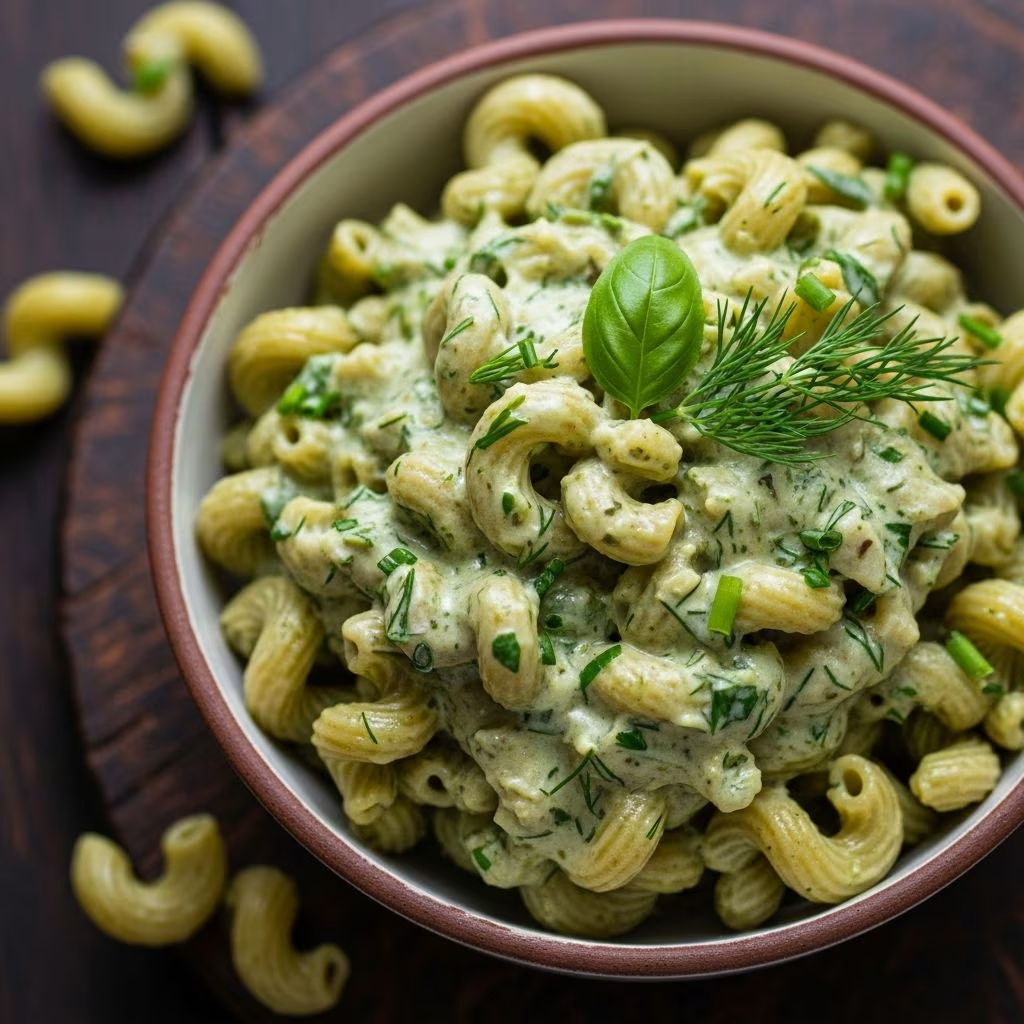
While the pasta cooks, the sauce components should be assembled and processed. Rather than cooking down vegetables in a pan, this method relies on blending raw ingredients into a cohesive mixture. The spinach, kale, basil, garlic, feta, cream cheese, and olive oil combine in a blender along with approximately one cup of the hot salted pasta water. This starchy liquid serves as the binding agent and flavor carrier, allowing the blender to achieve a smooth consistency while preventing the mixture from becoming too thick.
The blending should continue until a uniform, creamy texture results—typically ninety seconds to two minutes depending on blender power. During this final stage, the operator should taste the mixture and adjust seasoning, keeping in mind that the pasta water already contains salt and additional will be incorporated through the starchy pasta itself.
Combining Components
Once the pasta reaches the desired level of doneness, draining and transferring it to a clean pot creates space for the sauce to be added without risk of splashing. The green sauce mixture is then stirred thoroughly into the hot pasta, ensuring even coating and allowing the heat from the pasta to gently warm the raw sauce slightly while preserving its vibrant color and fresh characteristics.
Flavor Profile and Sensory Experience
The resulting dish presents a compelling combination of tastes and textures. The brightness of fresh basil and garlic provides aromatic liveliness, while the earthiness of kale and spinach grounds the flavor profile. The feta and cream cheese create a subtle tang and creamy mouthfeel without the heaviness associated with butter-based preparations. The starchy pasta serves as a neutral canvas that allows the sauce components to express themselves distinctly.
Visually, the dish presents an appealing verdant color that signals the presence of fresh ingredients. The uniform coating of sauce creates an elegant presentation suitable for both casual family meals and more refined entertaining occasions.
Nutritional Considerations
This preparation approach offers substantial nutritional advantages. The leafy greens provide vitamins A, C, and K along with dietary fiber and minerals including iron and magnesium. The garlic contributes compounds with potential antimicrobial and anti-inflammatory properties. The combination of dairy products and olive oil provides fat-soluble vitamins and supports nutrient absorption. The whole dish creates a balanced meal component that supplies carbohydrates from pasta, proteins from dairy, and micronutrients from fresh vegetables.
Customization and Adaptation
Ingredient Variations
While the core components provide structure, modifications can accommodate different preferences and dietary requirements. Alternative leafy greens such as arugula, Swiss chard, or tender dandelion greens can substitute for spinach or kale. Different herbs—parsley, chervil, or mint—can replace or supplement basil. The dairy products can be adjusted based on availability; ricotta offers a creamier alternative to cream cheese, while other aged cheeses provide different flavor dimensions.
Pasta Selection
While spaghetti serves as the traditional choice, alternative pasta shapes can work effectively. Penne, fusilli, or farfalle each offer different surface areas for sauce adhesion and create varying textural experiences. The sauce consistency remains consistent regardless of pasta shape choice.
Quantity Scaling
The recipe adapts readily to serve varying numbers of people. The ratio of sauce components to pasta remains relatively consistent, though individual preference dictates exact proportions. Larger batches may require additional pasta water to achieve proper sauce consistency.
Preparation Timeline and Efficiency
The entire preparation typically requires thirty minutes or less from start to finish. The simultaneous cooking of pasta and preparation of sauce maximizes efficiency. Cleanup remains minimal because the single-pot finish reduces the number of cooking vessels requiring washing. The preparation method suits both weeknight family dinners and casual entertaining scenarios where advance preparation would prove difficult.
Storage and Holding
The finished dish should be consumed immediately to preserve the vibrancy of color and freshness of flavor that characterize this preparation. Any leftovers can be refrigerated for up to two days, though the sauce may oxidize slightly, resulting in a darker appearance. Reheating should be gentle and brief, using low heat to warm the pasta without further cooking the delicate greens. The addition of a splash of pasta water during reheating can restore proper sauce consistency.
Serving Suggestions and Accompaniments
The dish pairs well with simple accompaniments that don’t overshadow its fresh character. Additional crumbled feta offers a complementary salty accent. A squeeze of fresh lemon juice brightens the overall flavor profile. A simple green salad with vinaigrette provides contrast and additional vegetables. Light white wines with herbaceous notes complement the dish’s character effectively.
Frequently Asked Questions
Can this sauce be prepared in advance?
The sauce components can be prepped and refrigerated separately for up to one day, but blending should occur shortly before serving to maximize color vibrancy and flavor freshness. Oxidation that occurs with extended storage may result in browning of the final sauce.
What if the sauce seems too thick?
Additional pasta water should be added gradually while stirring until the desired consistency is achieved. The sauce should cling to pasta strands without appearing dry or clumpy.
Can dairy-free alternatives work?
Nutritional yeast and plant-based creams can substitute for traditional dairy products, though the flavor profile will shift accordingly. The binding function requires adequate fat, so olive oil quantity may need adjustment.
Is raw garlic safe in this preparation?
Raw garlic in moderate quantities is safe and traditional in many cuisines. Those with digestive sensitivities might reduce the quantity or substitute with a single lightly crushed clove.
References
- Simply Julia: 110 Easy Recipes for Healthy Comfort Food — Julia Turshen. 2021. Accessed via Eat Your Books recipe database.
- Nutritional Data: Spinach — United States Department of Agriculture FoodData Central. 2024. https://fdc.nal.usda.gov
- Garlic and Health Benefits — National Center for Biotechnology Information, U.S. National Library of Medicine. 2023. https://www.ncbi.nlm.nih.gov