Potato gratin represents one of the most versatile and elegant side dishes in culinary tradition. This layered creation combines thinly sliced potatoes with a luxurious cream sauce infused with aromatic garlic, resulting in a dish that transitions seamlessly from casual family dinners to formal holiday celebrations. The appeal of this dish lies not only in its sophisticated appearance but also in its comforting, indulgent flavor profile that appeals to virtually any palate.
Understanding the Foundation of Potato Gratin
The essence of a properly executed potato gratin lies in understanding how its components work together. The dish comprises three fundamental elements: potatoes as the structural base, a creamy liquid component that binds everything together, and flavoring agents that elevate the overall taste. When these elements combine during the baking process, they create a harmonious dish where the potatoes become tender while absorbing the surrounding flavors, and the liquid transforms into a velvety sauce that coats each layer.
The magic of gratin preparation occurs through the Maillard reaction and the natural starches in potatoes. As the dish bakes, the top layer develops a golden-brown crust through careful heat application, while the interior remains creamy and luxurious. This textural contrast distinguishes a well-made gratin from inferior versions.
Selecting the Right Potatoes for Optimal Results
Potato variety significantly impacts the final texture and consistency of your gratin. Different potato types contain varying levels of starch and moisture, which directly influence how they absorb cream and cook through.
- Russet potatoes: These starchy varieties absorb cream exceptionally well, creating a dense, creamy texture throughout the dish. Their high starch content breaks down slightly during cooking, contributing to a naturally rich consistency without requiring added thickeners.
- Yukon Gold potatoes: These waxy potatoes maintain their shape beautifully during extended cooking times. They offer a slightly firmer bite compared to russets while still delivering creamy results through their natural buttery flavor and moderate starch content.
- Fingerling potatoes: When cut appropriately, these smaller potatoes provide an elegant presentation and cook more evenly due to their consistent size. Their waxy nature ensures they don’t become mushy during the baking process.
Regardless of variety chosen, potatoes must be fresh and free from sprouting or discoloration. Storing potatoes in a cool, dark place ensures optimal starch retention before cooking.
The Art of Potato Preparation and Slicing
Achieving uniform potato slices represents one of the most critical steps in gratin preparation. Inconsistent slice thickness results in uneven cooking, where thinner pieces become overly soft while thicker portions remain partially cooked. The ideal thickness ranges from 1/8 inch to 1/4 inch, depending on your preferred texture and the total baking time.
A mandoline slicer provides the most consistent results and significantly reduces preparation time compared to knife slicing. When using a mandoline, exercise caution with your fingers and consider using the protective guard to prevent injuries. For those without a mandoline, a sharp knife and steady hand can produce acceptable results, though slightly more variation should be expected.
After slicing, many cooks prefer to soak potatoes briefly in cool water. This removes excess surface starch and prevents oxidation, which can cause discoloration. Drain potatoes thoroughly before using them in your gratin to avoid excess moisture that could dilute your cream sauce.
Crafting the Aromatic Cream Foundation
The cream sauce serves as both a cooking medium and flavor delivery system for your gratin. This component requires careful preparation to ensure optimal flavor distribution and silky texture.
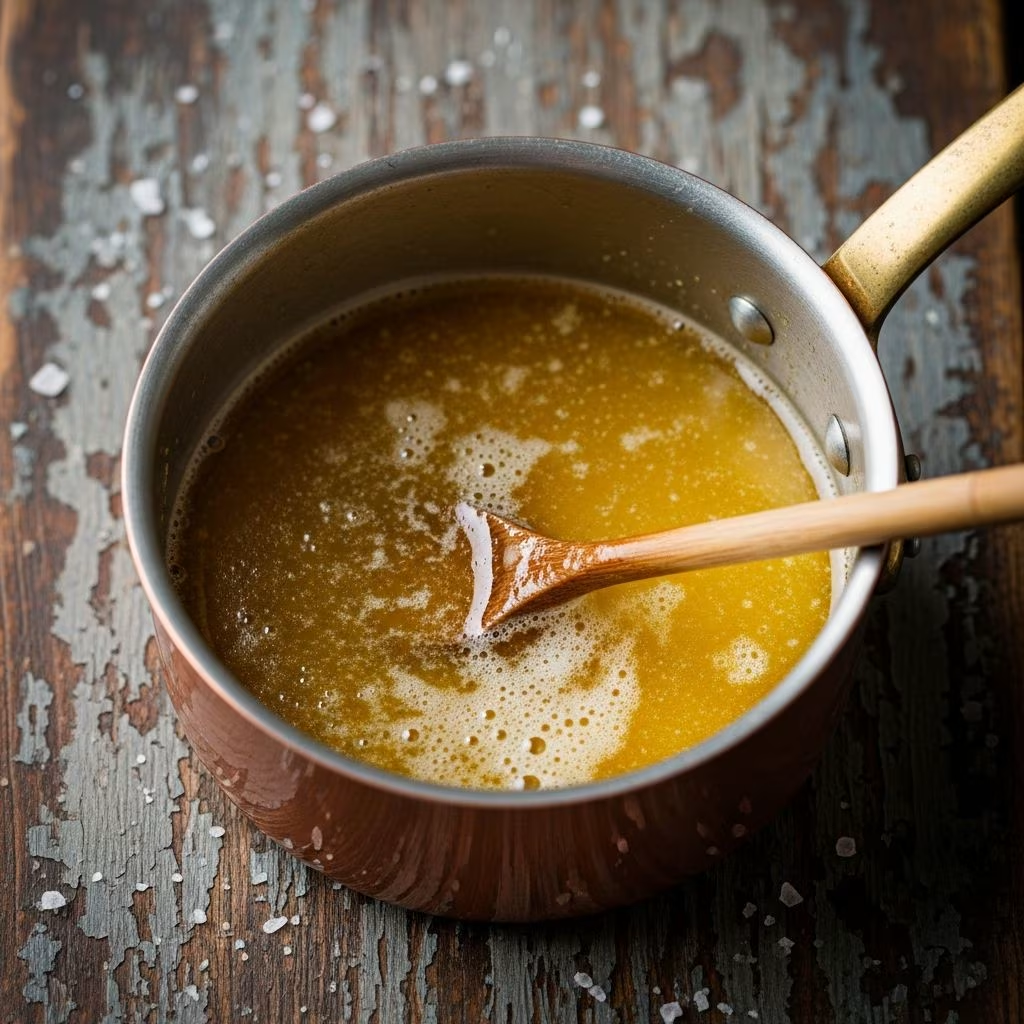
Fresh garlic forms the aromatic backbone of this sauce. Two distinct preparation methods offer different intensity levels. Raw minced or grated garlic provides bold, sharp garlic flavor that becomes mellowed through the baking process. Alternatively, roasted garlic contributes a sweeter, more subtle garlic presence with deeper complexity. Some cooks prefer mixing garlic directly into the cream sauce, while others create garlic-infused cream by simmering crushed garlic with the liquid before straining it out.
Fresh thyme and rosemary complement garlic beautifully, though these additions remain optional. Whole herb sprigs can be steeped in heated cream for 20-30 minutes, then removed before combining with potatoes. This method infuses delicate herbal notes without leaving visible pieces throughout the dish.
Heavy cream provides the richest results, creating a decadent sauce that coats each potato layer. Some recipes incorporate milk to reduce richness while maintaining creaminess. The ratio of cream to milk depends on your dietary preferences and desired final texture.
Cheese Selection and Integration
While not universally included in all gratin recipes, cheese enhances flavor complexity and contributes to the golden crust formation. Different cheese varieties offer distinct characteristics:
| Cheese Type | Characteristics | Best Use |
|---|---|---|
| Gruyère | Nutty flavor, excellent melting properties | Mixed throughout layers or as topping |
| Parmesan | Sharp, complex flavor, aids browning | Reserved primarily for the top layer |
| White Cheddar | Mild, creamy, melts smoothly | Mixed into cream sauce or between layers |
| Fontina | Creamy texture, subtle nutty notes | Alternative option for sophisticated preparation |
Layering Technique for Perfect Texture
The way potatoes and flavoring ingredients are arranged directly impacts both the aesthetic appeal and cooking consistency. Begin by buttering your baking dish generously to prevent sticking and encourage browning on the bottom layer. A 9×13-inch rectangular dish distributes potatoes over a wide surface area, which promotes more even cooking than deeper, narrower vessels.
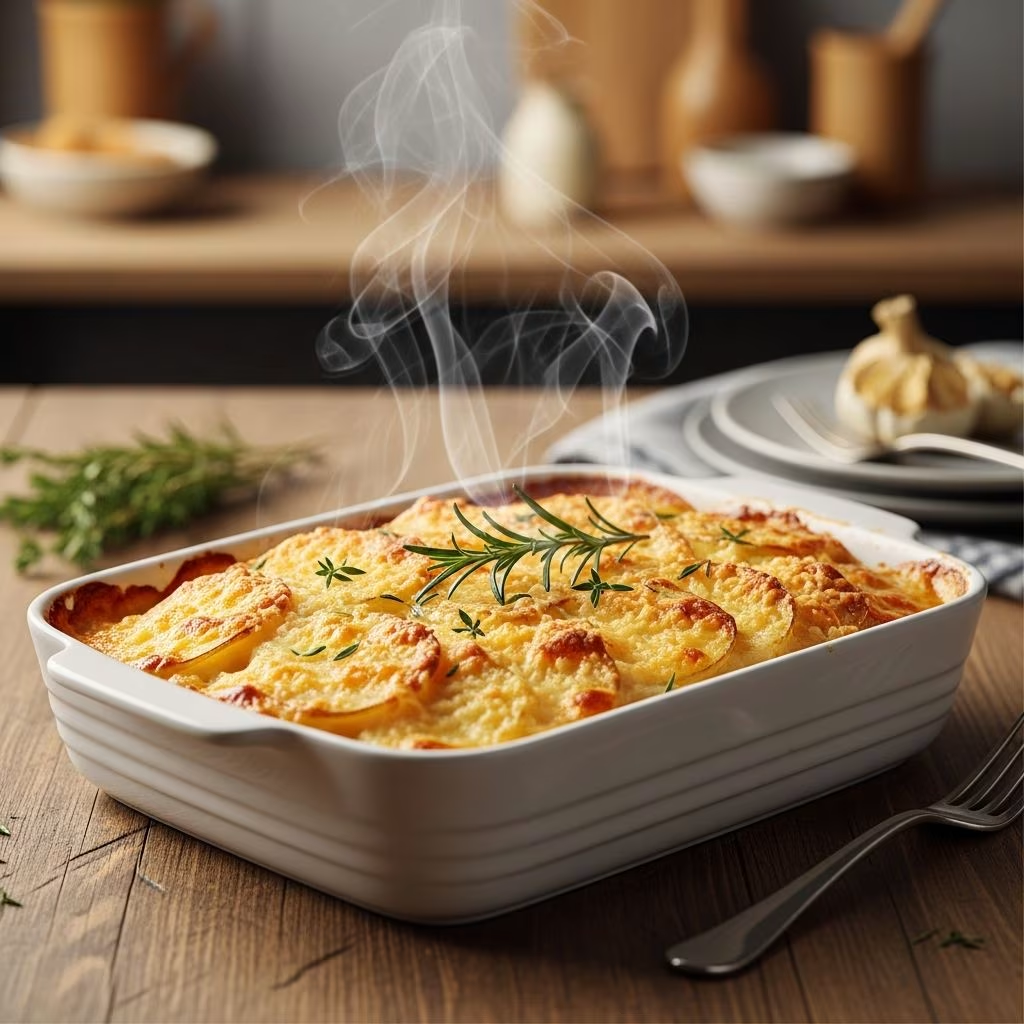
Layer potatoes in slightly overlapping rows, similar to shingling roof tiles. This arrangement ensures potatoes cook at similar rates and creates visual appeal. Season each layer modestly with kosher salt and freshly ground black pepper, as these flavors intensify during the extended baking period.
Distribute garlic, butter, and optional herbs across each potato layer before adding the next layer. Some recipes call for creaming cheese with butter and garlic before layering, while others incorporate cheese into the cream sauce itself. Both approaches produce excellent results, with texture varying slightly based on method chosen.
Continue layering until all potatoes are used, ensuring the final layer consists of potato slices rather than cream, which prevents excessive browning.
Preparing for the Oven
Preheat your oven to 350°F, allowing it to reach the target temperature before placing your gratin inside. Pour cream mixture over the arranged potatoes until it reaches approximately three-quarters of the way up the dish. The exact amount varies based on your preference for creamy results versus firmer texture.
Some recipes recommend covering the gratin with parchment paper or foil during the initial baking phase. This covering traps steam and ensures potatoes cook through before the top begins browning excessively. Alternatively, an uncovered approach from the beginning results in earlier crust development and potentially drier interior layers.
Baking Process and Doneness Indicators
Total baking time typically ranges from 60 to 90 minutes, depending on your oven’s characteristics, the initial temperature of ingredients, and the depth of your layered potatoes. Begin checking for doneness after 60 minutes by piercing the center with a sharp knife or skewer. Potatoes should offer minimal resistance, indicating complete tenderness.
Many experienced cooks press down on the gratin every 20 minutes during baking. This pressure consolidates layers, promoting better adhesion and creamier texture. A wooden spoon handle works well for this purpose.
Visual cues matter equally as important as texture testing. The top should develop a golden-brown appearance, with cream sauce bubbling slightly around the edges. If the top browns too quickly before potatoes cook through, reduce oven temperature by 25°F and extend baking time accordingly.
Finishing Touches and Flavor Enhancement
Upon removing your gratin from the oven, resist the urge to serve immediately. Allowing the dish to rest for 10-15 minutes lets the cream sauce set, making serving easier and improving the overall structural integrity. During this resting period, the layers firm up slightly while remaining warm and inviting.
Fresh herbs sprinkled over the finished gratin add color and brightness. Chopped fresh chives, flat-leaf parsley, or additional thyme leaves provide visual appeal and subtle flavor enhancement. Flaky sea salt sprinkled over individual portions amplifies flavors and adds textural contrast.
For a luxurious addition, drizzle truffle oil over the finished gratin just before serving. This enhancement elevates the dish to restaurant-quality status and impresses dinner guests seeking sophisticated flavors.
Storage and Make-Ahead Options
Potato gratin is an excellent make-ahead option for busy cooks. The dish can be assembled completely and refrigerated for up to 24 hours before baking. When baking refrigerated gratin, add approximately 15-20 minutes to the total cooking time, as the cold temperature requires additional time to reach complete doneness.
Leftover gratin stores well in an airtight container for up to 4 days. Reheating can be accomplished in a 350°F oven covered with foil until warmed through, approximately 20-25 minutes. Alternatively, individual portions can be reheated in a microwave, though the crust may soften slightly.
Troubleshooting Common Issues
- Undercooked potatoes: Potatoes may remain firm due to insufficient baking time or oven temperature too low. Test with a knife before removing from heat, and extend cooking time if necessary.
- Watery dish: Excess moisture typically results from excess cream, potatoes with high water content, or inadequate baking time. Reduce cream volume slightly and ensure potatoes are thoroughly drained after slicing.
- Burnt top: Reduce oven temperature slightly if browning occurs too quickly, and cover the top with foil during the final portion of baking.
- Separating sauce: Ensure cream reaches room temperature before combining with hot potatoes. Combining cold cream with hot ingredients can cause separation.
Serving Suggestions and Menu Planning
Potato gratin complements virtually any protein-based main course. The creamy richness balances grilled fish, roasted chicken, or beef preparations beautifully. For holiday meals, this side dish steals attention alongside traditional roasted meats. Vegetarian menus benefit from gratin’s hearty nature, which can serve as a centerpiece when combined with roasted vegetables and bread.
Portion size generally ranges from 3/4 cup to 1 cup per person, depending on what accompaniments are served. The dish’s richness means smaller portions satisfy most diners.
Frequently Asked Questions
Can I use non-dairy cream alternatives? While traditional recipes rely on dairy cream, coconut cream or cashew-based alternatives can substitute successfully. Results may vary slightly in terms of creaminess and richness.
Is it necessary to use a mandoline slicer? A mandoline produces the most consistent results, but a sharp knife works adequately for home cooks. Ensure slices are as uniform as possible for even cooking.
Can I prepare this dish in advance? Yes, fully assemble the gratin up to 24 hours before baking. Cover and refrigerate until ready to bake, adding extra time to the cooking duration.
What potato variety works best? Russet and Yukon Gold potatoes represent the most reliable options. Russets absorb cream beautifully, while Yukon Golds maintain shape better during cooking.
References
- Rich & Creamy Garlicky Potato Gratin — Well Seasoned Studio. https://www.wellseasonedstudio.com/garlicky-potato-gratin/
- Garlic Potato Gratin — Food My Muse. https://foodmymuse.com/garlic-potato-gratin/
- Potatoes Au Gratin — Spoon Fork Bacon. https://www.spoonforkbacon.com/cheesy-garlic-potatoes-gratin/
- Au Gratin Potatoes For Two — Homemade In The Kitchen. https://www.chocolatemoosey.com/garlic-parmesan-au-gratin-potatoes/
- Best Potatoes Au Gratin Recipe — Delish. https://www.delish.com/cooking/recipe-ideas/a63902265/best-potatoes-au-gratin-recipe/
- Au Gratin Potatoes — The Cozy Cook. https://thecozycook.com/au-gratin-potatoes/