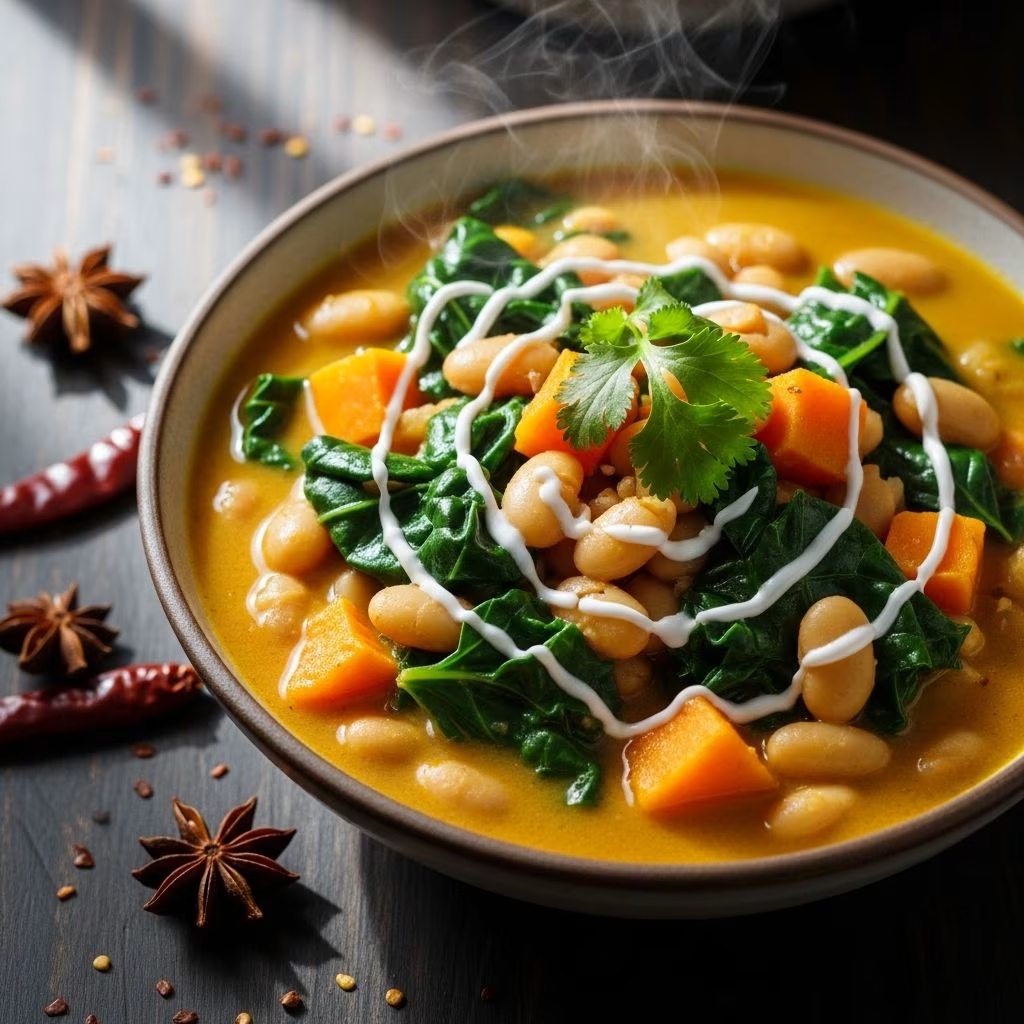
Comfort food transcends geographical boundaries, and nowhere is this more evident than in the universal appeal of hearty stews. This particular preparation draws inspiration from traditional East African cooking methods, particularly the beloved mbaazi wa nazi—a pigeon pea dish celebrated throughout the region. By adapting this classical approach with readily available pantry ingredients and fresh produce, home cooks can recreate an authentic dining experience without requiring obscure specialty items.
Understanding the Flavor Foundation
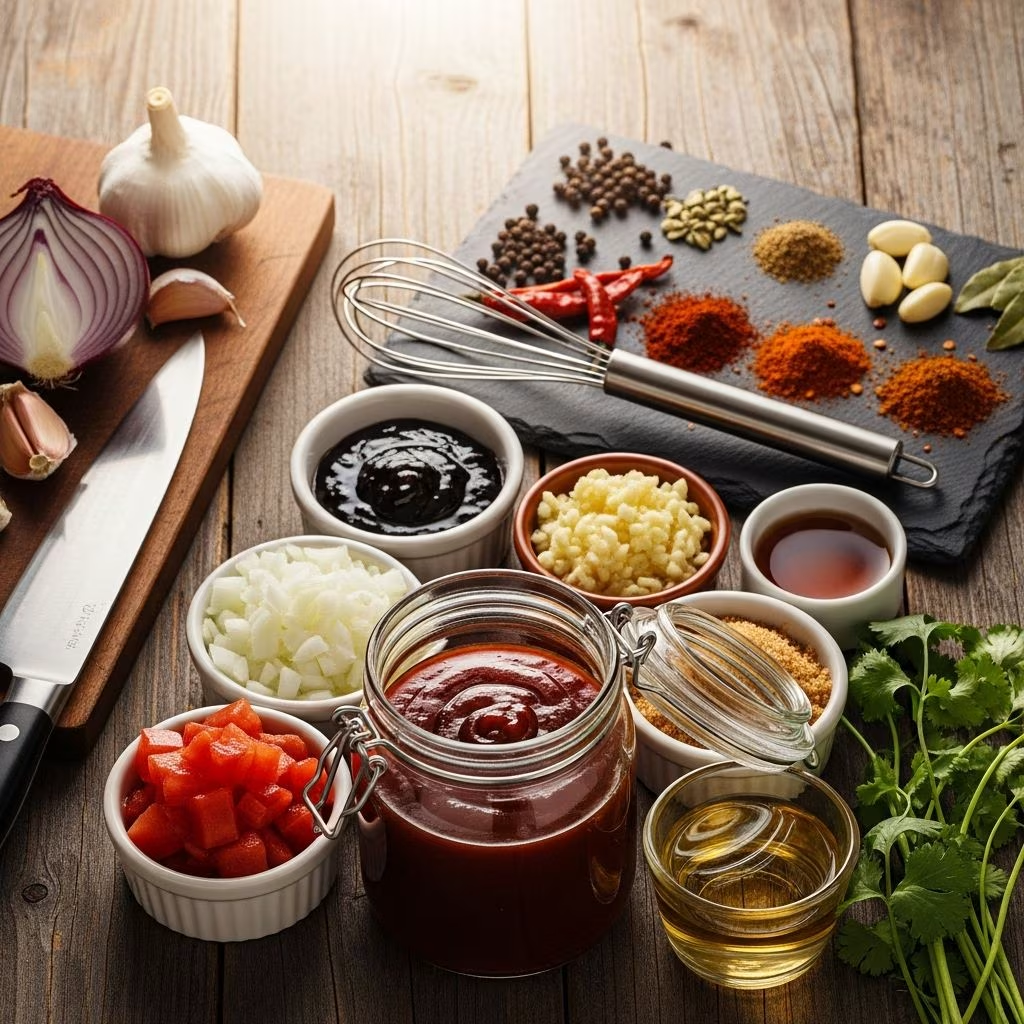
The backbone of this dish relies on a **spiced paste** that develops flavor through careful caramelization rather than quick cooking. This technique ensures that the aromatic components—onion, garlic, ginger, and chile—release their essential oils and deepen their natural sweetness. The resulting paste becomes rich and concentrated, providing the stew with its distinctive character and depth.
Creating this foundation requires minimal equipment and straightforward preparation. A high-powered blender transforms raw aromatics into a smooth puree within minutes, which then undergoes a gentle transformation in a skillet. This two-stage process—blending followed by cooking—represents a significant departure from traditional methods where these ingredients would be ground by hand, yet the end result achieves comparable complexity and satisfaction.
Key Ingredients and Their Roles
Aromatics and Spices
- Medium onion: Provides a mild sweetness and body to the paste; when cooked down, develops caramelized notes that anchor the entire dish
- Fresh ginger: Contributes warmth and subtle heat; supports digestion and adds authentic character
- Garlic cloves: Deliver pungent, savory depth that mellows with cooking
- Chile peppers: Red Thai or Fresno varieties bring moderate heat and bright, fruity undertones
- Ground coriander: Adds a gentle citrusy note that complements coconut
- Ground cumin: Provides earthy, warm spice that ties the other flavors together
Protein and Vegetable Components
The stew incorporates **legumes** as its primary protein source. Butter beans, gigante beans, or cannellini varieties all work admirably, though each brings slightly different texture and flavor profiles. Butter beans offer a creamy consistency that dissolves partially into the cooking liquid, while cannellini maintain firmer structure throughout cooking. These legumes contain substantial amounts of dietary fiber and plant-based protein, making the dish substantially satisfying even for those following meat-free diets.
**Leafy greens** add nutritional density and textural contrast. Swiss chard and Tuscan kale both perform exceptionally well in this application. Swiss chard contributes mild flavor with tender leaves, while kale brings earthiness and structural integrity—its sturdier leaves resist becoming mushy even with extended cooking. For either selection, removing the central ribs and thick stems before chopping prevents tough, fibrous pieces from appearing in finished bowls.
A **sweet potato** rounds out the vegetable medley, adding subtle natural sweetness and creaminess as it softens during cooking. Sliced into thin rounds, it distributes evenly throughout the pot and becomes fork-tender without dissolving into the broth.
The Coconut Element
Unsweetened **coconut milk** provides the rich, creamy base that characterizes this stew. Unlike the sweetened varieties found in dessert applications, full-fat unsweetened coconut milk delivers authentic flavor without competing sweetness. The fat content creates luxurious mouthfeel while the coconut undertones complement rather than overwhelm the other ingredients. When combined with water, the coconut milk yields a broth that coats the palate without becoming overly heavy.
Preparation Methodology
Stage One: Creating the Aromatic Base
Begin by combining the chopped onion, tomato, garlic, ginger, and fresh chile in a blender. Pulse until the mixture becomes completely smooth—this may require 30-60 seconds of blending depending on your appliance’s power. The resulting puree should resemble thin peanut butter in consistency, with no visible chunks remaining.
Heat a single tablespoon of extra-virgin olive oil in a large, deep skillet over medium heat. Once the oil shimmers slightly, add the entire puree along with the initial salt measurement. Cook while stirring occasionally, allowing the mixture to gradually lose its moisture. This stage typically requires 12-16 minutes of cooking time, during which the mixture will transition from wet and glossy to paste-like and slightly tacky. The moment when the mixture begins adhering slightly to the skillet bottom indicates proper development—this browning contributes essential caramelized flavors.
Stage Two: Building the Broth
Once the paste achieves the correct consistency, introduce the ground coriander and cumin, stirring thoroughly to distribute the spices evenly. Pour in the entire can of coconut milk along with approximately two cups of water, stirring until completely combined. Increase the heat to medium-high and bring the mixture to a boil, which typically occurs within 3-5 minutes.
Stage Three: Cooking the Vegetables
Add the sliced sweet potato rounds and allow them to simmer until completely tender, approximately 10-12 minutes. The potatoes will transform from translucent at the edges to opaque throughout, with a knife easily piercing the center. Next, introduce the prepared leafy greens and drained beans, stirring occasionally. Within 4-5 minutes, the greens will collapse into the liquid, releasing their nutrients and flavors into the broth.
Stage Four: Final Adjustments
Remove the stew from heat and stir in fresh lemon juice, which brightens the coconut’s richness and adds crucial acidity. Taste the preparation and adjust both salt and additional lemon juice according to preference. Some cooks prefer a more pronounced citrus note, while others favor a gentler touch—personal preference should guide these final seasonings.
Serving and Accompaniments
While this stew stands satisfactorily on its own, simple additions elevate the dining experience considerably. **Toasted bread** provides textural contrast and serves as a vehicle for soaking up the flavorful broth. Slice a baguette diagonally into thick pieces and fry in olive oil in a cast-iron skillet over medium-high heat until golden on both sides, approximately 2 minutes per side. A light drizzle of additional olive oil over individual bowls adds richness and visual appeal, while **flaky sea salt** scattered across the surface provides crystalline texture and emphasizes the other flavors.
Alternative accompaniments might include:
- Crispy fried shallots for textural contrast
- Fresh cilantro or mint for brightness
- Additional fresh lime juice for acidity variation
- A dollop of yogurt for cooling creaminess
- Spicy chili oil for those preferring additional heat
Nutritional Considerations
This single-pot preparation combines multiple nutritional powerhouses into one satisfying meal. The **legume component** contributes significant plant-based protein, typically providing 8-10 grams per serving. Dietary fiber from both beans and leafy greens supports digestive health, with each serving delivering approximately 6-8 grams of fiber when prepared according to the base recipe.
The **fresh aromatics**—garlic, ginger, and onion—have long been celebrated in traditional medicine systems for their immune-supporting properties. Modern nutritional science validates these traditional practices; studies indicate that these ingredients contain bioactive compounds supporting overall wellness.
Sweet potatoes provide **beta-carotene**, a precursor to vitamin A, supporting vision and cellular health. Leafy greens contribute essential minerals including iron, calcium, and magnesium. The coconut milk, while calorie-dense, provides medium-chain triglycerides that some research suggests may support metabolic function.
Adaptations and Variations
Ingredient Substitutions
| Component | Standard Option | Alternative |
|---|---|---|
| Leafy Green | Swiss chard or Tuscan kale | Collard greens, spinach, or mustard greens |
| Bean Variety | Cannellini or butter beans | Chickpeas, black-eyed peas, or pinto beans |
| Root Vegetable | Sweet potato | Regular potato, pumpkin, or butternut squash |
| Chiles | Red Thai or Fresno | Scotch bonnets, serranos, or jalapeños |
Regional Interpretations
While inspired by East African traditions, this recipe welcomes cultural interpretation. Some cooks incorporate **miso paste** dissolved in water, adding umami depth reminiscent of Asian flavor profiles. Others introduce **cinnamon** or **cardamom** for warmth and complexity. Substituting lime juice for lemon creates bright Caribbean undertones, while the addition of **tomato paste** deepens the color and adds concentrated tomato flavor.
Storage and Make-Ahead Strategies
This stew improves upon standing, with flavors melding and becoming more integrated. Refrigerate in airtight containers for up to four days, or freeze for three months. When reheating, add water or additional coconut milk as needed, since the stew thickens considerably as it cools. The beans and greens maintain excellent texture after freezing, making this an ideal candidate for advance preparation and portion control.
Frequently Asked Questions
- Can I use frozen greens instead of fresh?
- Yes, though texture will differ slightly. Thaw frozen greens completely and squeeze out excess moisture before adding to prevent the stew from becoming watery. Frozen greens work particularly well if you thaw and crumble them directly into the pot during the final cooking stage.
- What if I don’t have a high-powered blender?
- A food processor produces acceptable results, though the paste may be slightly chunkier. Alternatively, mince all aromatics very finely by hand and proceed with cooking. The final result will be comparable despite the slightly different preparation method.
- Is this recipe suitable for meal preparation?
- Absolutely. This stew actually benefits from advance preparation, as flavors meld overnight. Prepare the entire recipe and portion into individual containers for grab-and-go lunches throughout the week.
- How can I adjust the heat level?
- Use fewer chiles initially, tasting as you progress through cooking. You can always add more heat through additional chile, hot sauce, or chili oil at serving time, but removing excess heat once added proves difficult.
- Can I make this in a slow cooker or pressure cooker?
- Yes. For a slow cooker, prepare the aromatic paste on the stovetop, then transfer to the slow cooker with remaining ingredients. Cook on low for 6-8 hours. For an Instant Pot, use the sauté function to prepare the paste, then add remaining ingredients and pressure cook on high for 6 minutes.
Culinary Tradition Meets Modern Convenience
This stew represents the beautiful intersection between time-honored cooking traditions and contemporary convenience. East African culinary traditions emphasize layering flavors through slow cooking and patient development, principles honored in this recipe despite its relatively quick execution. The use of modern blending technology accelerates preparation without compromising authenticity or depth.
Whether serving to family on a weeknight or impressing guests at a dinner party, this preparation delivers substantial satisfaction alongside nutritional benefits. Its accessibility—requiring no specialized ingredients beyond those found in well-stocked supermarkets—removes barriers to preparing globally-inspired cuisine at home.
References
- The Role of Legumes in Plant-Based Nutrition — Food and Agriculture Organization of the United Nations (FAO). 2024. https://www.fao.org/3/ca7844en/ca7844en.pdf
- Bioactive Compounds in Ginger and Garlic — National Center for Biotechnology Information (NCBI/PubMed). 2023. https://pubmed.ncbi.nlm.nih.gov/
- Nutritional Composition of Leafy Greens — United States Department of Agriculture (USDA) FoodData Central. 2024. https://fdc.nal.usda.gov/
- Sweet Potato Nutritional Profile and Health Benefits — Journal of Nutrition and Metabolism. 2022. https://www.hindawi.com/journals/jnume/