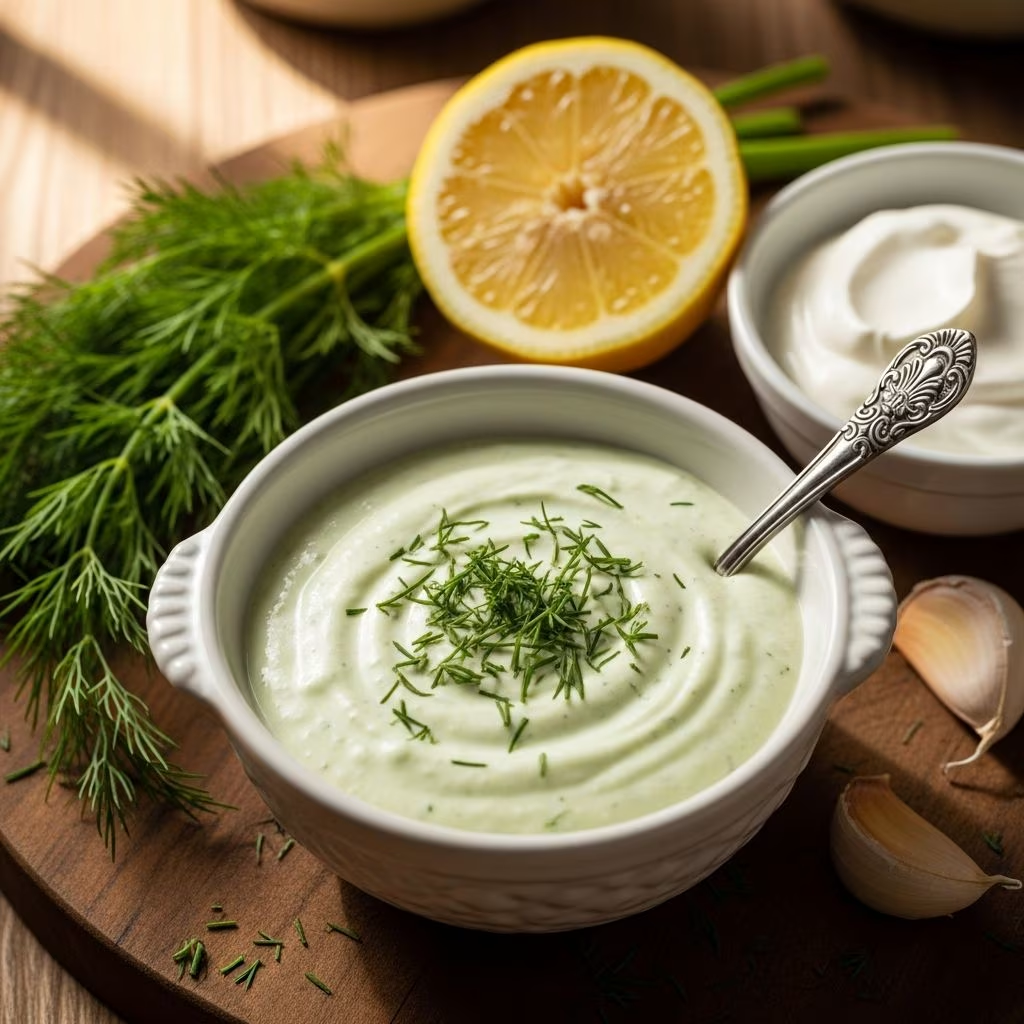
A creamy dill dipping sauce represents one of the most versatile and elegant accompaniments you can offer at any gathering. Whether you’re hosting a casual family dinner or preparing appetizers for a sophisticated event, this simple yet flavorful sauce delivers consistent results with minimal effort. The beauty of this sauce lies in its adaptability—it pairs exceptionally well with fresh vegetables, crispy crackers, artisan breads, and various seafood preparations. Understanding the fundamentals of sauce construction and ingredient selection will elevate your culinary confidence and help you create restaurant-quality results in your own kitchen.
Understanding the Foundation of Your Dipping Sauce
The structural foundation of any successful dill sauce begins with selecting the right base ingredients. Sour cream serves as the primary building block, offering a naturally tangy profile that complements the brightness of fresh dill. When choosing sour cream, quality matters significantly—full-fat versions provide superior creaminess and texture compared to reduced-fat alternatives. The fat content contributes essential mouthfeel and prevents the sauce from becoming thin or watery during storage.
Mayonnaise functions as a complementary thickening agent that enriches the overall texture and adds subtle depth to the flavor profile. The ratio between sour cream and mayonnaise can be adjusted based on personal preferences; some recipes favor equal parts for maximum creaminess, while others prioritize the tanginess of sour cream by using a higher proportion of it. For those seeking lighter alternatives, Greek yogurt or plain whole milk yogurt can effectively replace either ingredient, providing similar textural properties while offering different nutritional benefits.
The Role of Fresh and Dried Dill in Your Sauce
Dill represents the defining flavor element that distinguishes this sauce from generic creamy dips. Fresh dill delivers vibrant, herbaceous notes with a slightly citrusy undertone that cannot be perfectly replicated by its dried counterpart. However, dried dill weed offers practical advantages for year-round preparation and stores reliably for extended periods. When using fresh dill, approximately one-quarter cup of finely chopped leaves provides optimal flavor intensity. For dried alternatives, reduce the quantity to approximately two teaspoons, as the drying process concentrates the herb’s potency.
The preparation method for fresh dill affects both the final texture and flavor distribution. Finely chopping the herb ensures even dispersal throughout the sauce, preventing clumpy accumulations while promoting consistent seasoning. If fresh dill proves unavailable, dried varieties work admirably, though the texture will differ slightly—the sauce will appear more uniform in color rather than displaying visible herb flecks. Layering dill with other complementary seasonings creates a more sophisticated flavor profile than using dill as a standalone seasoning.
Complementary Seasonings and Flavor Enhancers
Beyond dill, several supporting ingredients work harmoniously to develop a well-rounded flavor profile. Garlic powder or fresh minced garlic provides pungent depth that balances the sauce’s creaminess and acidity. The amount can be adjusted to suit individual taste preferences—approximately one teaspoon of garlic powder typically suffices for standard batch sizes, though fresh garlic allows for more nuanced flavor control.
Lemon juice introduces essential brightness and acidity that prevents the sauce from tasting overly heavy or one-dimensional. Fresh-squeezed lemon juice offers superior flavor compared to bottled varieties, contributing subtle floral notes alongside its characteristic tartness. Typically, one to two tablespoons of lemon juice balances the creamy base effectively, though you may adjust this according to your palate’s acidity preferences.
Onion powder contributes savory undertones without introducing moisture or textural complications that fresh onions would create. Additional aromatics such as dried parsley and salt round out the flavor profile, with salt enhancing overall seasoning while parsley adds subtle freshness and visual appeal.
Step-by-Step Preparation Instructions
The beauty of preparing creamy dill dipping sauce lies in its straightforward methodology. Begin by gathering all ingredients and measuring them precisely to ensure consistent results. In a medium-sized mixing bowl, combine one cup of sour cream with one cup of mayonnaise, using a whisk to blend these base ingredients thoroughly until no lumps remain.
Add your dried dill weed (approximately two teaspoons) along with one teaspoon of garlic powder, one teaspoon of onion powder, and one tablespoon of fresh-squeezed lemon juice to the sour cream mixture. For recipes incorporating fresh dill, add approximately one-quarter cup of finely chopped herb at this stage. Whisk the combination vigorously until all ingredients integrate completely and the sauce achieves a uniform consistency.
Season with salt, starting with one-half teaspoon and adjusting incrementally to reach your desired saltiness level. Remember that seasoning salt directly within the sauce allows for more controlled distribution than adding it at the end. For variations incorporating mustard or additional flavor elements, incorporate these ingredients during this whisking stage to ensure proper emulsification.
Transfer your completed sauce to a serving vessel of choice and refrigerate for at least thirty minutes before serving. This chilling period allows flavors to meld and intensify while achieving optimal serving temperature and consistency.
Storage and Shelf Life Considerations
Properly stored creamy dill dipping sauce maintains excellent quality for approximately three days when kept in a covered container within your refrigerator. The sour cream base naturally preserves the sauce due to its acidic properties, though the fresher your ingredients at preparation time, the longer your sauce will maintain peak flavor quality. Always use clean utensils when removing sauce from its storage container to prevent bacterial contamination that could compromise shelf life.
For extended storage beyond three days, freezing represents a viable option, though the sauce’s texture may shift slightly upon thawing due to the separation of liquid components. If freezing becomes necessary, transfer the sauce to an airtight freezer-safe container, leaving minimal headspace to prevent crystallization. Thaw frozen sauce overnight in your refrigerator rather than at room temperature to maintain food safety standards.
Variations and Creative Adaptations
While the classic formulation provides an excellent foundation, numerous variations allow you to customize this sauce to complement specific dishes or accommodate dietary preferences. A lighter version substitutes Greek yogurt for mayonnaise entirely, significantly reducing fat content while maintaining creamy texture. This adaptation works particularly well for serving alongside lighter vegetable crudités or lean protein options.
For those seeking additional complexity, incorporating two teaspoons of Dijon mustard introduces subtle tang and sophistication without overwhelming the dill’s delicate flavor. This variation pairs exceptionally well with smoked fish or roasted salmon presentations. A Mediterranean-inspired adaptation might include fresh tarragon alongside the dill, creating a more herbaceous profile suitable for French-influenced entertaining.
Reducing the mayonnaise proportion in favor of increased sour cream creates a lighter, more tangy sauce with less richness—ideal for those who prefer their dips to serve more as flavor accents rather than indulgent centerpieces. Conversely, incorporating additional mayonnaise and reducing sour cream yields a denser, more luxurious sauce suited to heavier appetizer presentations.
Serving Suggestions and Pairing Ideas
| Food Item | Pairing Notes |
|---|---|
| Fresh Vegetables | Carrots, celery, bell peppers, and cucumber slices showcase the sauce’s bright herbaceous qualities |
| Crackers and Crisps | Both savory and lightly salted varieties complement the sauce without overwhelming its delicate flavors |
| Artisan Breads | Toasted bread cubes or breadsticks provide textural contrast while absorbing the creamy sauce effectively |
| Seafood | Smoked salmon, shrimp, and white fish preparations benefit from the sauce’s brightness and acidity |
| Grilled Vegetables | Asparagus, zucchini, and eggplant enhance their natural flavors when accompanied by this dill sauce |
Beyond traditional dipping applications, this versatile sauce functions admirably as a condiment for baked potatoes, a topping for grilled vegetables, or a flavor-enhancing accompaniment to seafood preparations. The sauce’s adaptability makes it an invaluable component of any cook’s repertoire, capable of elevating simple ingredients into memorable dishes.
Troubleshooting Common Preparation Issues
Should your sauce develop a consistency that appears too thin or watery, several corrective strategies prove effective. Adding additional sour cream in small increments gradually thickens the mixture without introducing excess liquid. Alternatively, allowing the sauce to refrigerate for several hours enables natural thickening as cold temperatures reduce moisture mobility within the mixture.
If your sauce tastes excessively salty or acidic, adjust by introducing additional sour cream, which neutralizes these intense flavors through dilution and balancing effects. Conversely, insufficient seasoning can be remedied through gradual salt additions and additional lemon juice, always tasting after each adjustment to achieve your preferred balance.
Lumpy textures typically result from inadequate whisking during the initial mixing phase. If lumps form, pass the entire mixture through a fine-mesh strainer or blend briefly using an immersion blender to achieve smooth consistency. Prevention remains preferable to correction—thorough whisking during preparation typically prevents textural complications.
Frequently Asked Questions About Dill Dipping Sauce
Can I make this sauce ahead of time for entertaining? Yes, preparing this sauce one to two days in advance allows flavors to develop and intensify, actually improving the final result. Store it in a covered container within your refrigerator until serving time.
What if I only have dried dill available? Dried dill works effectively as a substitute for fresh varieties. Use approximately one teaspoon of dried dill for every tablespoon of fresh dill called for in your recipe, adjusting to taste as dried herbs concentrate flavor intensity.
Is this sauce suitable for vegetarian or vegan diets? Traditional versions containing sour cream and mayonnaise accommodate vegetarian preferences. For vegan adaptations, substitute plant-based alternatives such as vegan sour cream and vegan mayonnaise while maintaining equivalent proportions.
Can I use this sauce beyond dipping applications? Absolutely. This sauce functions admirably as a salad dressing, sandwich spread, potato topping, or fish accompaniment. Its versatility extends well beyond traditional dipping scenarios.
How should I adjust quantities for smaller gatherings? Scaling recipes downward works effectively—simply halve or quarter all ingredient measurements while maintaining proportional relationships between components.
Mastering Your Sauce-Making Skills
Creating successful creamy dill dipping sauce represents an accessible entry point into sauce preparation that builds foundational skills applicable to countless culinary applications. The techniques required—precise measuring, thorough mixing, proper seasoning, and temperature control—translate directly to more advanced sauce preparations. Practicing with this straightforward recipe develops your palate’s sensitivity to flavor balance and textural qualities that become invaluable as you advance your cooking capabilities.
The satisfaction of presenting guests with homemade dipping sauces rather than store-bought alternatives reflects genuine hospitality and culinary care. Investment in quality ingredients and attention to proper technique consistently yield superior results that impress discerning palates while requiring minimal time investment.
References
- Creamy Dill Dipping Sauce – Mayo Free — In Jennie’s Kitchen. 2018. https://www.injennieskitchen.com/2018/07/creamy-dill-dipping-sauce-mayo-free-no-mayo/
- Creamy Dill Dip Recipe — 4 Sons ‘R’ Us. https://4sonrus.com/delicious-dill-dip/
- Creamy Dill Sauce — Barefeet In The Kitchen. https://barefeetinthekitchen.com/creamy-dill-sauce/
- Quick and Easy Dill Dip Recipe — The Diary of a Real Housewife. YouTube. https://www.youtube.com/watch?v=2Jg04XtAbnA
- Creamy Dill Sauce Recipe — Love and Lemons. https://www.loveandlemons.com/dill-sauce/
- Easy Dill Dip — The Salty Marshmallow. https://thesaltymarshmallow.com/easy-dill-dip/
- Creamy Dill Sauce for Salmon or Trout — RecipeTin Eats. https://www.recipetineats.com/creamy-dill-sauce-for-salmon-or-trout/