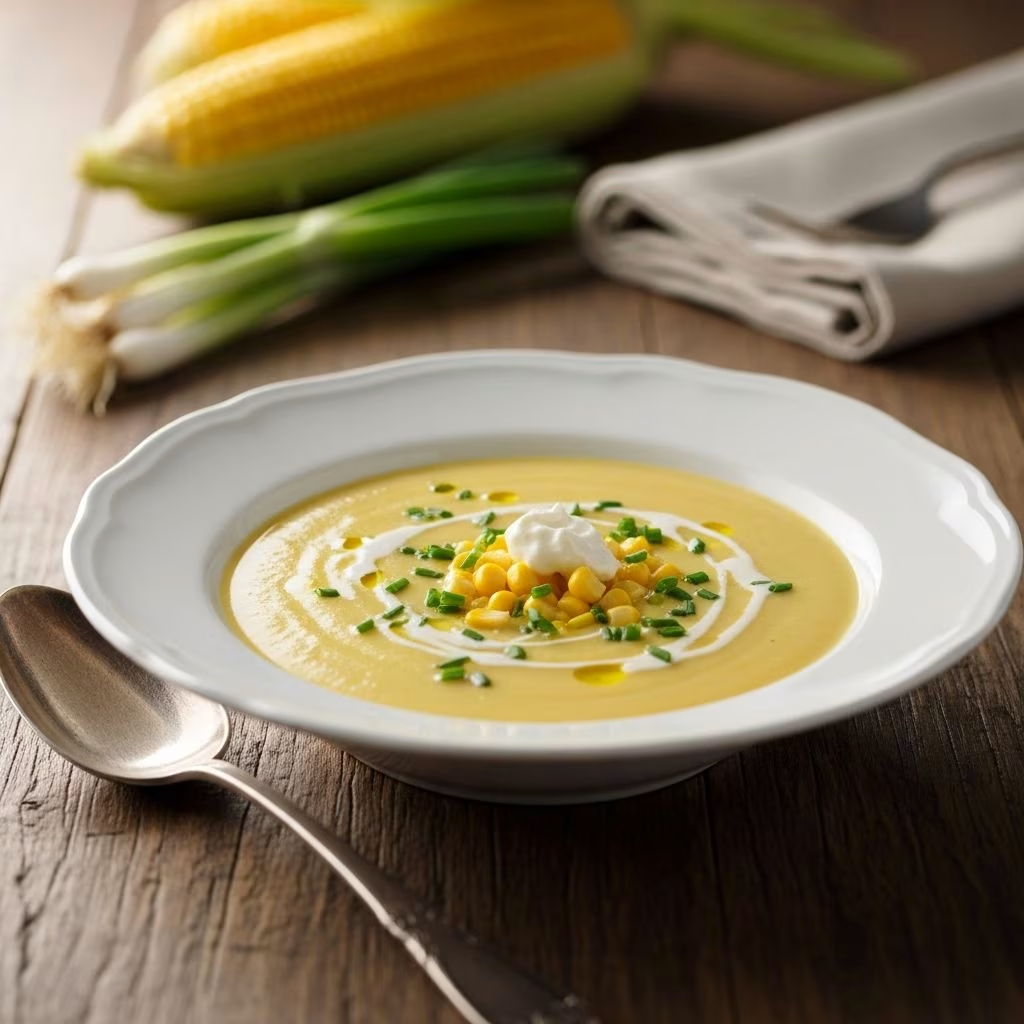
Corn soup represents one of the most approachable yet satisfying dishes in the culinary world. Whether served as a light lunch or a warming dinner course, this golden-hued creation combines humble ingredients into something truly memorable. The appeal lies in its versatility—corn soup adapts beautifully to seasonal availability, dietary preferences, and regional flavor profiles. Understanding the fundamentals of preparation transforms an ordinary recipe into an exceptional dish that showcases the natural sweetness of corn while delivering a luxuriously smooth texture.
Understanding the Core Components of Creamy Corn Soup
Creating exceptional corn soup begins with recognizing how each ingredient contributes to the final result. The foundation rests on quality corn, which provides both flavor and body to the finished dish. The choice between fresh, frozen, or canned corn impacts not only the taste but also the preparation method and cooking duration. Fresh corn from late summer months delivers an incomparable sweetness, while frozen corn offers convenience without sacrificing nutritional value. Canned corn works well when other options are unavailable, though it requires careful selection to avoid excessive sodium.
The creamy component extends beyond simple dairy additions. While heavy cream or half-and-half provide richness, other ingredients like potatoes contribute natural thickening through their starch content. This dual approach creates texture without relying solely on cream, resulting in a lighter yet still velvety consistency. Onions and garlic form the aromatic base, their gentle sweetness complementing the corn’s natural flavor profile. Broth selection—whether chicken, vegetable, or a neutral option—influences the soup’s overall character and makes the recipe adaptable to various dietary needs.
Ingredient Selection and Preparation Techniques
Choosing Your Corn Source
- Fresh corn: Requires approximately 15 additional minutes of simmering to fully tenderize compared to frozen varieties. Kernels should be cut directly from the cob using a sharp knife, with the cob itself sometimes reserved for broth enrichment.
- Frozen corn: Already blanched during processing, frozen kernels integrate more quickly into the soup while maintaining nutritional integrity and natural sweetness.
- Canned corn: Offers maximum convenience but benefits from draining excess liquid and rinsing to reduce sodium content.
Preparing Supporting Vegetables
The onion deserves particular attention during the sautéing stage. Cooking the onion until it reaches complete translucence—typically three to four minutes over medium-high heat—allows its natural sugars to develop and soften its sharpness. This foundational step significantly impacts the final soup’s flavor complexity. Garlic should be minced finely to distribute its essence evenly throughout the liquid, while potatoes benefit from small, uniform dicing to ensure even cooking and proper starch release for natural thickening.
The Building-Block Approach to Soup Construction
Phase One: Aromatic Foundation
Begin by melting butter or warming olive oil in a heavy-bottomed pot over medium-high heat. Once the fat reaches the proper temperature, introduce chopped onions and allow them to become translucent and fragrant. This initial phase typically requires three to four minutes. The goal is not to brown the onions but to soften them sufficiently to release their natural compounds. Adding minced garlic in the final moments of this phase prevents burning while ensuring its flavor remains prominent throughout the soup.
Phase Two: Building Flavor and Body
Add the corn kernels to the aromatics and stir constantly for one to two minutes. This brief cooking period allows the corn to warm through and begin releasing its sugars into the surrounding fat. Next, introduce your choice of broth—chicken, vegetable, or another option—along with diced potatoes, salt, pepper, and any optional spices like cayenne for subtle heat. Bring the mixture to a rolling boil, then reduce the heat and cover the pot partially. The simmer phase typically lasts thirty minutes, though this timing adjusts based on whether fresh or frozen corn is used. Fresh kernels require the full thirty minutes plus an additional fifteen-minute extension to achieve complete tenderness.
Phase Three: Achieving the Perfect Consistency
Once vegetables are completely tender, the soup transitions into its final preparation stage. This is where blending technique becomes crucial. Using an immersion blender allows precise control over texture, from slightly chunky to entirely smooth. For those preferring a completely uniform consistency, transferring portions to a traditional blender works equally well, though care must be taken when processing hot liquids. Some cooks prefer creating a hybrid texture by pureeing only three-quarters of the soup while leaving some corn pieces intact for pleasant texture contrast. The starch from potatoes naturally thickens the soup during this blending process, creating that characteristic velvety mouthfeel without requiring flour or cornstarch.
Incorporating Creamy Elements and Flavor Finishes
After blending, remove the pot from heat before adding dairy components. This prevents curdling and ensures a smooth integration of cream into the warm soup base. Sour cream, heavy cream, milk, or half-and-half all work depending on desired richness and dietary considerations. Approximately one-quarter to one-half cup of dairy per serving provides adequate creaminess without overwhelming the corn flavor. Grated cheese—particularly sharp white cheddar or a milder option depending on preference—contributes both creaminess and savory depth. A squeeze of fresh lime juice brightens the soup’s flavor profile in the final moments, cutting through richness and highlighting the corn’s natural sweetness.
Creative Variations and Flavor Explorations
Regional and Cultural Interpretations
The global popularity of corn soup has inspired numerous regional adaptations. Mexican-style versions incorporate cilantro, cayenne pepper, and cotija or queso fresco cheese for a fresh, zesty finish. These soups often feature toasted corn kernels as garnish, creating textural contrast between smooth soup and crunchy toppings. Colombian crema de mazorca takes a lighter approach, relying on milk rather than cream and using potato as the primary thickening agent, resulting in a soup that celebrates corn’s natural flavor without heavy dairy masking its essence.
Protein and Accompaniment Additions
While corn soup traditionally stands alone as a vegetarian dish, it welcomes various additions. Crispy chorizo crumbles add spice and smokiness, while roasted vegetable pieces contribute earthiness and visual appeal. Toasted corn kernels prepared in an air fryer at 350°F for six to eight minutes, or in a conventional oven at the same temperature for approximately fifteen minutes, provide delightful textural contrast. These kernels should be lightly coated with olive oil and seasoned with salt and optional cayenne before roasting. Fresh cilantro, additional sour cream dollops, and thin-sliced green onions round out the presentation.
Cooking Methods and Equipment Considerations
Traditional Stovetop Preparation
The conventional pot-based method remains the most accessible approach for most home cooks. A heavy-bottomed Dutch oven or soup pot distributes heat evenly and prevents scorching during the extended simmering phase. The pot’s weight ensures consistent temperatures throughout the cooking process, resulting in even vegetable tenderness and proper blending consistency.
Modern Appliance Options
Slow cookers and pressure cookers offer alternative paths to the same delicious destination. When using a slow cooker, extend the initial simmering time significantly—typically four to six hours on low or two to three hours on high. Pressure cookers dramatically reduce cooking time, with full vegetable tenderness achieved in approximately eight minutes under pressure. After releasing pressure, proceed with blending and cream incorporation as with stovetop methods.
Troubleshooting Common Preparation Challenges
Achieving the Desired Thickness
If soup turns out thinner than expected, additional cooking allows water to evaporate naturally. Alternatively, whisking together small amounts of flour or cornstarch with cold broth and stirring into the soup creates additional body. For soups that become too thick, gradual broth additions restore the preferred consistency. Remember that potatoes naturally release starch during cooking and blending, so initial thickness often increases as the soup sits.
Managing Flavor Intensity
Over-salting represents the most common flavor mistake. Since broth and cheese both contribute sodium, taste before adding additional salt. Conversely, under-seasoned soup responds well to careful salt additions in quarter-teaspoon increments. A squeeze of lime juice or vinegar can brighten flavors when they seem flat or one-dimensional. For soups that taste too rich from cream, supplementary broth restores balance.
Storage, Make-Ahead Planning, and Serving Suggestions
Corn soup stores beautifully in the refrigerator for up to four days when kept in airtight containers. Most soups actually improve after a day as flavors continue developing. For longer storage, freezing works well, though cream-based soups may separate slightly upon thawing. To minimize this issue, freeze the soup before adding dairy components, then add cream after reheating. The soup can also be served chilled during warm months, offering a refreshing alternative to hot preparations. Before serving chilled soup, taste for seasoning as cold temperatures mute flavor perception slightly.
Nutritional Profile and Dietary Adaptations
Corn soup naturally provides vitamins, minerals, and fiber, particularly when prepared with minimal processing. The addition of potatoes contributes resistant starch, which supports digestive health when soup is cooled before eating. For lighter versions, substituting heavy cream with milk or non-dairy alternatives like oat or coconut cream maintains creaminess while reducing saturated fat content. Vegetable broth instead of chicken broth keeps the dish completely plant-based without sacrificing depth of flavor. Adjusting fat content by using less butter or oil doesn’t significantly impact the final result given the natural creaminess potatoes and corn provide.
Frequently Asked Questions
Can I make corn soup ahead of time?
Yes, corn soup makes excellent advance preparation. Prepare the entire recipe through the blending stage up to two days ahead, storing in the refrigerator. Add cream and cheese only before serving to ensure optimal texture and prevent separation. The flavors actually improve after a day as ingredients continue melding together.
What’s the best way to serve corn soup?
Serve in warmed bowls to maintain temperature. Garnish with toasted corn kernels, fresh cilantro, a dollop of sour cream, or crispy chorizo depending on your chosen flavor profile. A crack of fresh black pepper adds visual appeal and subtle spice.
Can I substitute cream with other ingredients?
Absolutely. Half-and-half, whole milk, or unsweetened non-dairy milk alternatives work well. The potato naturally thickens the soup regardless of dairy choice, though richness levels vary accordingly. Greek yogurt or sour cream stirred in after cooking also creates creaminess.
How do I prevent a grainy texture?
Grainy texture typically results from curdled cream added to excessively hot soup. Remove the pot from heat before dairy additions, and ensure dairy is at room temperature before incorporating. Stir gently and slowly rather than vigorously mixing.
Is fresh corn necessary for quality soup?
While fresh corn offers incomparable flavor during peak season, frozen corn produces equally delicious results year-round. The freezing process locks in nutrients and natural sweetness at peak ripeness. Canned corn works acceptably but benefits from rinsing to reduce sodium content.
References
- Corn (Zea mays L.): Production, Composition, and Nutritional Attributes — National Center for Biotechnology Information (NCBI), National Institutes of Health. 2023. https://pubmed.ncbi.nlm.nih.gov/
- The Science of Soup: How Starches Create Thickness and Mouthfeel — Journal of Culinary Science & Technology, Taylor & Francis Online. 2022. https://www.tandfonline.com/
- Food Storage Guidelines: Proper Refrigeration and Freezing Practices — U.S. Department of Agriculture Food Safety and Inspection Service. 2024. https://www.fsis.usda.gov/
- Flavor Development in Root Vegetables During Cooking — Institute of Food Technologists. 2023. https://www.ift.org/
- Dairy Chemistry: Cream Separation and Prevention in Heat-Based Preparations — University of California Davis, Department of Food Science. 2023. https://foodscience.ucdavis.edu/