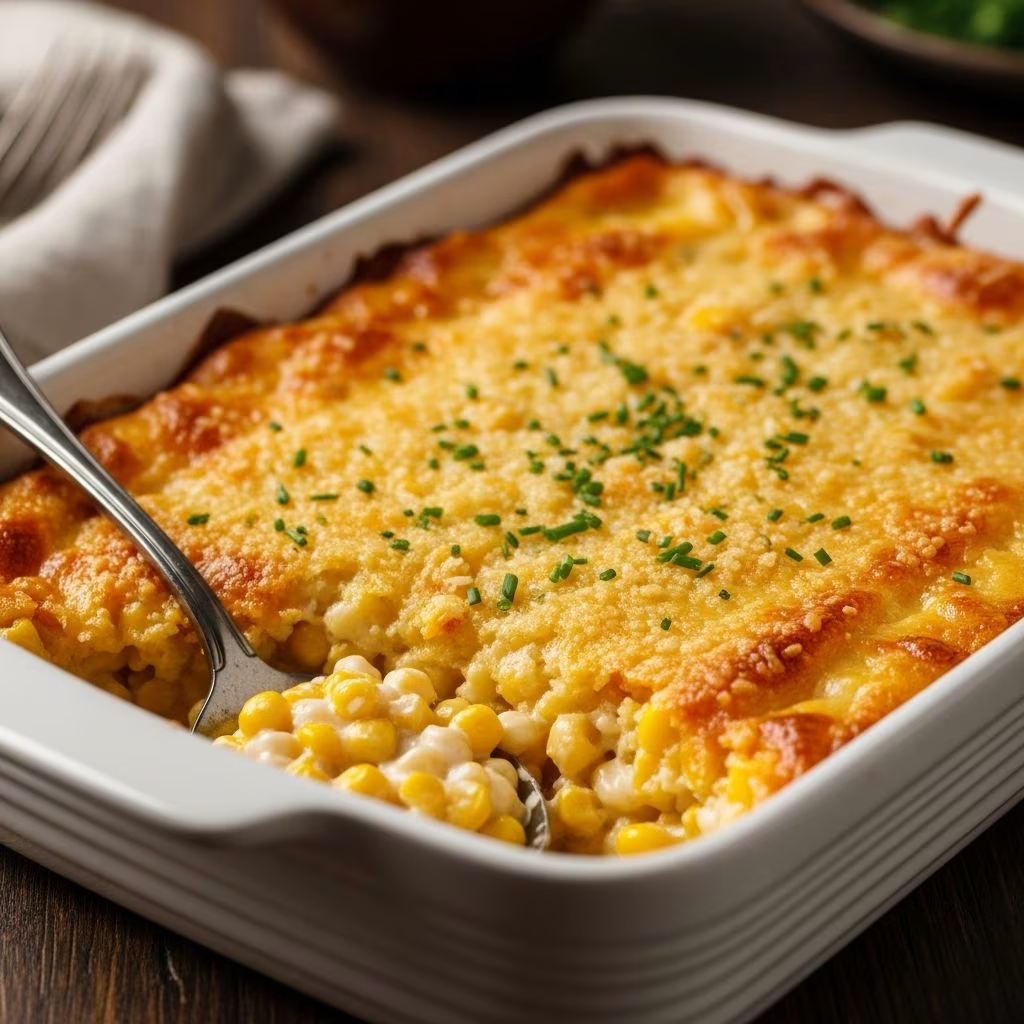
Few dishes embody comfort and simplicity quite like a well-executed corn casserole. This beloved side dish has graced dinner tables across generations, offering warmth, flavor, and nostalgia in a single serving. Whether you’re preparing a holiday feast or seeking an uncomplicated weeknight accompaniment, creamy corn casserole delivers satisfying results with minimal effort. This comprehensive guide explores everything you need to know about creating this versatile dish, from ingredient selection through plating and presentation.
Understanding the Foundation: Core Ingredients and Their Roles
A successful corn casserole begins with understanding how each component contributes to the final product. The foundation typically consists of corn in multiple forms, binding agents, enriching elements, and seasoning components that work together harmoniously.
The Corn Components
Most traditional recipes employ a dual-corn approach that creates textural interest and depth. Whole kernel corn provides distinct pockets of sweetness and a pleasant bite, while cream-style corn establishes a velvety base that unifies all ingredients. This combination ensures the finished casserole achieves a luxurious consistency without requiring excessive liquid additions. You have flexibility in sourcing these ingredients—frozen varieties offer convenience and consistent quality, canned options provide year-round accessibility, and fresh corn delivers superior flavor during peak seasons.
Binding and Enriching Agents
Butter and sour cream function as the backbone of creaminess in most contemporary recipes. These dairy products contribute not only richness but also enable proper texture development during baking. Some variations incorporate eggs, which add structure and help the casserole set properly while maintaining a tender crumb. Additional cream-based components like milk or heavy cream can be included to adjust consistency according to preference.
Structural Support: Grain-Based Elements
Cornbread mix appears frequently in modern recipes, serving dual purposes as both a structural element and flavor contributor. For those preferring from-scratch approaches, all-purpose flour combined with cornmeal provides comparable results. These dry ingredients absorb excess moisture while contributing subtle corn flavor that complements rather than overwhelms.
Seasoning and Flavor Enhancement
Salt, pepper, and sugar form the fundamental seasoning trio. Sugar, while sometimes unexpected in savory side dishes, actually emphasizes the natural sweetness of corn without creating a dessert-like profile when used judiciously. Optional ingredients like jalapeños introduce complexity for those seeking additional dimension.
Comprehensive Ingredient Reference Table
| Ingredient Category | Primary Component | Typical Amount | Function |
|---|---|---|---|
| Corn Base | Cream-style corn (canned) | 15 oz | Creates creamy foundation |
| Corn Base | Whole kernel corn | 15 oz | Adds texture and sweetness |
| Dairy Enrichment | Unsalted butter | ½ cup | Provides richness and flavor |
| Dairy Enrichment | Sour cream | ½-1 cup | Adds tanginess and moisture |
| Binding | Eggs | 2 large | Helps set structure |
| Structure | Cornbread mix or flour | 8.5 oz box or ¼ cup flour | Creates cohesive texture |
| Sweetening | Granulated sugar | 1-2 tbsp | Enhances corn sweetness |
| Seasoning | Salt and pepper | To taste | Balances flavors |
Step-by-Step Preparation Method
Pre-Baking Setup and Organization
Successful casserole preparation begins before ingredients combine. Preheat your oven to 350°F, allowing it to reach optimal temperature before the mixture enters. Select an appropriately sized baking vessel—an 8×8-inch or 9×9-inch dish accommodates most standard recipes effectively. Prepare this dish by coating it with nonstick cooking spray or a light butter application to prevent sticking.
Combining the Wet Base
Begin by whisking together butter, sour cream, eggs, and sugar in a substantial mixing bowl. This step requires patience—vigorous whisking for approximately one minute ensures complete incorporation and creates a smooth, unified base that distributes evenly throughout the casserole. The mixture should appear homogeneous without visible butter streaks or egg white strands.
Incorporating Dry and Specialty Components
Once your wet base achieves proper consistency, introduce cornbread mix or flour, followed by both corn varieties. Stir gently but thoroughly until all ingredients combine without overworking the mixture. Overmixing can result in a dense, heavy-textured casserole rather than the desired light consistency. At this stage, taste and adjust seasonings according to personal preference, remembering that flavors intensify slightly during baking.
Transfer and Initial Appearance
Pour the prepared mixture into your ready baking dish, spreading it evenly with a spatula. The mixture should reach approximately ¾ inch from the rim, allowing for slight expansion during cooking without spillover. Some recipes call for a light sugar dusting at this stage, which creates an appealing caramelized surface upon completion.
Baking Parameters and Doneness Indicators
Baking times range from 20 to 90 minutes depending on recipe composition and oven characteristics. Recipes incorporating cornbread mix typically require 20-35 minutes, as the mix contains leavening agents that accelerate setting. Traditional recipes with flour bases demand extended cooking periods—often 1 hour to 1 hour 15 minutes—to allow proper structure development.
Doneness manifests through several observable characteristics: the surface develops a golden-brown color, particularly if sugar was applied beforehand; the mixture sets firmly when the center is gently pressed; and a knife inserted in the middle emerges clean or with minimal moist residue. The edges typically bubble slightly during the final minutes of baking, indicating complete cooking.
Creative Variations and Customization Options
Cheese Integration
Sharp cheddar cheese appears frequently in corn casserole adaptations, contributing savory depth and complexity. Fold in ¾ to 1 cup shredded cheese during the mixing stage for subtle presence, or sprinkle additional cheese over the surface before baking for a more pronounced crust.
Spice and Heat Elements
Minced pickled jalapeños introduce vibrant heat and subtle acidity that complement corn’s natural sweetness. Add these sparingly if unfamiliar with spicy preparations, as their intensity can dominate an entire casserole if used excessively.
From-Scratch Adaptations
Eliminate cornbread mix by combining all-purpose flour with cornmeal for equivalent structural support. This approach allows greater control over flavor profile and reduces dependency on processed ingredients while maintaining authentic results.
Practical Tips for Exceptional Results
- Room Temperature Ingredients: Allow butter, sour cream, and eggs to reach room temperature before combining, promoting smooth integration and superior texture
- Don’t Overmix: Combine ingredients just until no dry spots remain; excessive mixing develops gluten and yields tough, dense results rather than the desired tender crumb
- Use Frozen Corn: Frozen corn varieties offer superior texture and flavor consistency compared to some fresh options, particularly outside peak season
- Drain Whole Kernel Corn: Always drain canned whole kernel corn thoroughly to prevent excess liquid that creates a watery final product
- Center Rack Positioning: Position the baking dish on the middle oven rack for even heat distribution and consistent browning
- Allow Resting Time: Let the finished casserole rest for 5 minutes before serving, allowing structure to set completely
- Make-Ahead Advantage: Prepare the mixture the evening before, refrigerate overnight, and extend baking time by 10-15 minutes to account for cold starting temperature
Frequently Asked Questions
Can creamy corn casserole be prepared in advance?
Yes, this dish adapts well to make-ahead preparation. Mix ingredients up to 24 hours before baking, cover tightly, and refrigerate. Extend baking time slightly to compensate for starting from a cold temperature.
What causes a corn casserole to become watery or overly wet?
Insufficient draining of canned corn, excessive milk addition, or underbaking contributes to wet results. Measure liquids carefully and ensure complete draining of whole kernel corn before incorporation.
How should leftover corn casserole be stored?
Store cooled casserole in an airtight container in the refrigerator for up to four days. Reheat in a 350°F oven for 15-20 minutes until warmed through, or use a microwave for faster results.
Can frozen or fresh corn replace canned varieties?
Frozen corn works excellently when thawed and drained. Fresh corn can substitute but may require slight liquid adjustments. Canned remains the most convenient year-round option.
What makes the casserole creamy?
Cream-style corn, butter, sour cream, and eggs work together to create the signature creamy texture. Adequate mixing and proper baking temperature ensure creaminess develops uniformly throughout.
Serving Recommendations and Pairing Suggestions
This versatile side dish complements numerous main courses across various cuisines. Roasted poultry benefits from corn casserole’s richness, while grilled meats pair effectively with the subtle sweetness. The dish shines particularly bright during holiday meals, where tradition meets comfort. Consider serving alongside green salads to balance richness, or with fresh bread to soak up any flavorful residue from the baking dish.
Nutritional Considerations
Creamy corn casserole represents an indulgent side dish with significant butter and dairy content. A typical serving provides carbohydrates from corn and grain components alongside fat from enriching ingredients. This dish suits occasional consumption or special occasions rather than regular weeknight rotation, though portions can be moderated to fit various dietary approaches.
Conclusion: Mastering This Timeless Classic
Creating exceptional creamy corn casserole requires minimal technique while demanding attention to ingredient quality and proper measurement. By understanding how each component contributes to the final product, selecting appropriate variations suited to personal preferences, and following fundamental preparation principles, anyone can produce restaurant-quality results in a home kitchen. Whether honoring family traditions or establishing new favorites, this enduring dish delivers consistent satisfaction and warmth that transcends generations.
References
- Cream Cheese Corn Casserole (Creamy, Cheesy, Easy to Make!) — Five Heart Home. 2024. https://www.fivehearthome.com/creamy-cheesy-corn-casserole/
- Best Corn Casserole Recipe – with Jiffy Mix – Five Minute Prep — Show Me The Yummy. 2024. https://showmetheyummy.com/creamy-corn-casserole/
- Creamy Corn Casserole — 12 Tomatoes. 2024. https://12tomatoes.com/creamy-corn-casserole/
- Easy Creamed Corn Casserole (Just Like Grandma Made It!) — Unsophisticook. 2024. https://unsophisticook.com/creamed-corn-casserole/
- Old-Fashioned Creamed Corn Casserole — Wishes and Dishes. 2024. https://wishesndishes.com/old-fashioned-creamed-corn-casserole/
- Easy Creamy Cornbread Casserole — Belly Full. 2024. https://bellyfull.net/easy-creamy-cornbread-casserole/
- Creamy Corn Casserole — A Pretty Life In The Suburbs. 2024. https://aprettylifeinthesuburbs.com/creamy-corn-casserole/