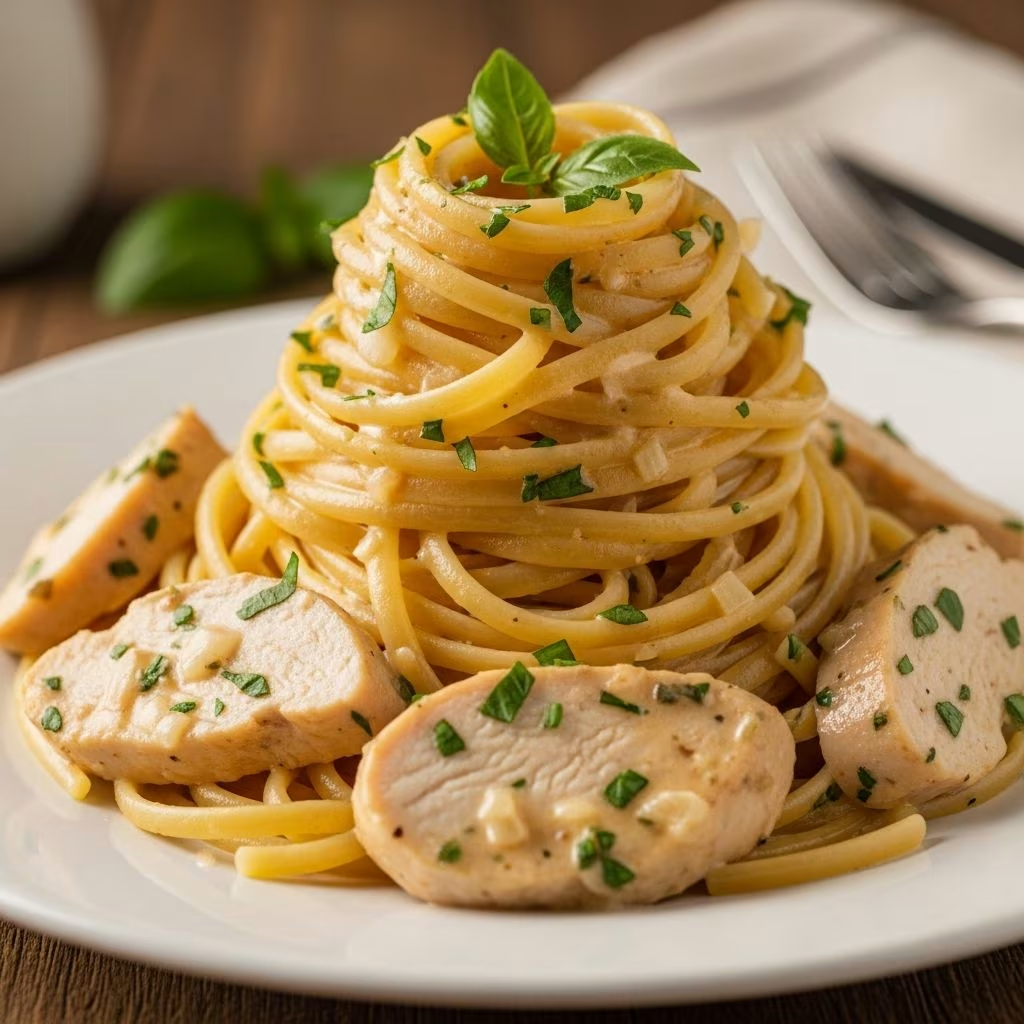
Creamy chicken linguine represents one of the most approachable yet satisfying pasta dishes that can grace any dinner table. This Italian-inspired creation combines tender poultry, delicate ribbon pasta, and a luxurious sauce that coats each strand with silky richness. Whether you’re preparing an elegant dinner for guests or seeking a comforting weeknight meal that transcends the ordinary, this dish delivers both simplicity and sophistication.
The beauty of this recipe lies in its forgiving nature. Unlike dishes requiring precise measurements or complex techniques, creamy chicken linguine welcomes adaptations and personal touches while maintaining its essential character. The foundation rests on three key components: properly cooked chicken, al dente pasta, and a sauce that achieves the perfect balance of creaminess without becoming heavy.
Understanding Your Primary Ingredients
Success begins with selecting quality components. Each ingredient serves a specific purpose in creating the final dish, and understanding these roles helps you make informed substitutions when necessary.
Choosing the Right Chicken
Chicken selection significantly impacts both texture and flavor. Boneless, skinless chicken thighs offer inherent juiciness that remains intact even with slightly longer cooking times, making them forgiving for home cooks. These cuts contain more fat than breast meat, contributing to a naturally moist result. Chicken breasts, conversely, cook more quickly but require vigilant monitoring to prevent drying out. When selecting breasts, look for uniform thickness to ensure even cooking. If your market offers only thick breasts, consider butterflying them horizontally to create even thinner portions that cook uniformly and provide more surface area for flavor development.
Cutting chicken into bite-sized pieces before cooking offers practical advantages. Smaller pieces cook through more rapidly, ranging from seven to ten minutes in a hot skillet, compared to fifteen to twenty minutes for whole breasts. This approach also distributes chicken throughout the pasta more evenly, ensuring every forkful contains protein.
Selecting Pasta
Linguine’s flat, ribbon-like shape cradles creamy sauce admirably, allowing it to cling to each strand. However, this recipe accommodates various pasta shapes successfully. Spaghetti provides a traditional option with a thinner profile, while fettuccine offers broader surfaces that capture sauce generously. The crucial element involves cooking pasta to al dente consistency—tender yet maintaining slight resistance when bitten. This texture prevents the finished dish from becoming mushy and maintains structural integrity when combined with sauce. Reserve approximately one-quarter cup of starchy pasta cooking water before draining; this liquid becomes invaluable for adjusting sauce consistency and helping it adhere to the pasta.
Building Blocks of Flavor
Aromatic ingredients form the flavor foundation. Fresh garlic, minced or chopped finely, provides pungency that mellows during cooking into subtle sweetness. Italian seasoning—a blend typically containing oregano, basil, thyme, and marjoram—infuses the chicken and sauce with Mediterranean character. Salt and black pepper serve as essential seasoning components that should be applied in stages rather than all at once, allowing you to adjust the final salt balance before plating.
Creating the Sauce Base
A proper roux—the combination of fat and flour cooked together—creates the foundation for this creamy sauce. Butter contributes richness and flavor that oil cannot replicate, while all-purpose flour acts as a thickening agent. When heated together over medium heat, these ingredients should combine into a smooth paste before additional liquid is introduced. This crucial step prevents lumps that can mar the final texture.
Liquid Components
Chicken broth provides savory depth while keeping the sauce from becoming too rich. Low-sodium varieties allow better control over the final salt content. Heavy cream or half-and-half creates the signature silkiness; if sauce becomes too thick during cooking, reserved pasta water thins it gracefully while maintaining the desired consistency.
Mastering the Cooking Process
The sequence of steps matters considerably in achieving optimal results. Understanding the reasoning behind each stage enables you to troubleshoot issues and adapt confidently.
Step One: Prepare Your Pasta Foundation
Begin by bringing a large pot of water to a rolling boil. Once boiling, add pasta and cook according to package directions until al dente. Before draining, scoop out approximately one-quarter cup of cooking water and reserve it in a small cup. This starchy liquid serves multiple purposes: it helps the sauce adhere to pasta, allows adjusting consistency if the sauce thickens too much, and adds subtle flavor. Drain the pasta thoroughly to remove excess water, then set aside in a warmed serving bowl covered with foil to maintain temperature while you prepare the sauce.
Step Two: Cook the Chicken with Aromatics
Heat olive oil in a large skillet over medium heat until it shimmers. Add your prepared chicken pieces and chopped garlic simultaneously, stirring occasionally to ensure even exposure to heat. Distribute the Italian seasoning, salt, and black pepper evenly over the chicken, tossing gently to coat all surfaces. This seven to ten-minute cooking phase develops golden-brown surfaces on the chicken while allowing aromatics to infuse the oil. The chicken is finished when its interior shows no pink and juices run clear when pierced with a knife.
Step Three: Build the Roux
Transfer the cooked chicken to a clean plate, leaving as much flavorful oil and browned bits in the pan as possible. These browned particles, technically called fond, contain concentrated flavor. Add butter to the skillet and allow it to melt completely, then use a wooden spoon to scrape the fond from the pan bottom, incorporating it into the butter. This deglazing step transfers every bit of flavor into your sauce base.
Once the fond has been incorporated and combined with the melted butter, sprinkle flour over the mixture while whisking continuously. This whisking prevents lumps from forming; the flour particles should be fully incorporated into the fat, creating a thick, smooth paste. Continue whisking for approximately one minute to cook out the raw flour taste.
Step Four: Create the Creamy Sauce
Reduce the heat to medium-low, then begin adding chicken broth in a thin stream while whisking constantly. Whisking is essential at this stage—it prevents lumps and ensures smooth sauce development. After the broth is fully incorporated, add your choice of cream (heavy cream, half-and-half, or the combination typically used in traditional preparations). Continue whisking for several minutes until the mixture achieves complete smoothness, with no visible flour particles remaining.
Increase the heat slightly to bring the sauce to a gentle simmer. Simmering thickens the sauce as excess moisture evaporates while the flour finishes cooking. The sauce should coat the back of a spoon and flow slowly off it—neither too thin nor too thick. If it thickens excessively, whisk in small amounts of reserved pasta water until you achieve the desired consistency.
Step Five: Combine Components
Return the cooked chicken to the skillet with the simmering sauce, stirring gently to distribute it throughout. Add the drained pasta directly to the sauce and chicken mixture, along with a small splash of reserved pasta water—this starchy liquid helps the sauce cling to each strand of pasta. Toss everything together gently but thoroughly, ensuring the pasta is completely coated with sauce and the chicken is evenly distributed throughout.
Step Six: Final Adjustments and Service
Taste the finished dish and adjust seasonings as needed. Additional salt, pepper, or Italian seasoning can be added at this point if desired. If the sauce seems too thin, continue simmering for another minute or two to allow slight evaporation. Transfer to serving plates or bowls and garnish generously with fresh parsley or basil. Fresh herbs brighten the rich cream sauce and add visual appeal.
Ingredient Variations and Substitutions
This recipe welcomes creative modifications based on dietary preferences, ingredient availability, or flavor preferences.
- Cream options: Heavy cream provides maximum richness, while half-and-half offers a lighter alternative. For a leaner version, substitute with whole milk or a combination of milk and Greek yogurt added at the very end (to prevent curdling from heat).
- Pasta shapes: Spaghetti, fettuccine, penne, and rigatoni all pair successfully with this sauce. Tube-shaped pastas like rigatoni capture sauce in their centers, while thinner strands require sauce that clings more readily.
- Cheese additions: Grated Parmesan cheese stirred in just before serving adds depth and umami richness. Use freshly grated cheese rather than pre-grated varieties for superior melting and flavor.
- Vegetable inclusions: Sautéed mushrooms, sun-dried tomatoes, spinach, or roasted red peppers add nutrition and visual interest without compromising the dish’s essential character.
- Herb variations: Fresh thyme, sage, or dill can replace or supplement Italian seasoning, creating subtle flavor shifts while maintaining the dish’s integrity.
Troubleshooting Common Issues
Sauce Appears Lumpy
Lumps typically result from insufficient whisking when introducing flour or when adding broth too quickly. If this occurs, pour the sauce through a fine-mesh strainer into another pot, pressing solids gently with the back of a spoon. Reheat and proceed with adding the remaining ingredients.
Sauce Becomes Too Thick
Excessive thickening happens when simmering continues too long or if too much flour was used initially. Simply whisk in reserved pasta water, one tablespoon at a time, until the desired consistency returns.
Sauce Seems Too Thin
Insufficient thickening usually indicates inadequate simmering time or too much liquid was added. Continue simmering uncovered for several additional minutes, allowing evaporation to concentrate flavors and thicken the sauce naturally.
Chicken Appears Dry
Overcooking is the primary culprit. Use a meat thermometer to ensure chicken reaches 165°F (74°C) internally without exceeding 170°F (77°C). If already overcooked, reduce the sauce consistency slightly so the creamy component better moistens the chicken in the final dish.
Frequently Asked Questions
- Can I prepare this dish in advance?
- Yes, you can cook all components separately and store them in the refrigerator for up to three days. Reheat the sauce gently over low heat, stirring occasionally, and cook fresh pasta just before serving. Combine them shortly before eating for optimal texture and temperature.
- Is this recipe suitable for freezing?
- The cooked chicken and sauce freeze well separately for up to three months. However, freeze them without the pasta, as pasta texture deteriorates significantly after freezing. Thaw overnight in the refrigerator, reheat, cook fresh pasta, and combine before serving.
- What wine pairs well with this meal?
- White wines with medium body and acidity complement the creamy sauce beautifully. Pinot Grigio, Sauvignon Blanc, or Chardonnay work excellently without overwhelming the delicate chicken and cream flavors.
- How many servings does this recipe yield?
- This recipe typically serves four people as a main course with moderate portions. For lighter appetites or when serving alongside substantial sides, it may stretch to five or six servings.
- Can I add white wine to the sauce?
- Absolutely. Add one-quarter cup of dry white wine after creating the roux and before adding broth. Allow it to simmer for one minute to reduce alcohol content before proceeding with the recipe as written.
Serving Suggestions and Complementary Dishes
Serve this elegant pasta as the centerpiece of your meal, supplemented by thoughtfully chosen accompaniments. A simple green salad with lemon vinaigrette provides refreshing contrast to the rich cream sauce. Garlic bread or focaccia offers textural variety and allows guests to capture every drop of sauce. Roasted vegetables such as broccoli, asparagus, or zucchini add nutrition while their slight bitterness balances the dish’s richness. For entertaining, plate individual portions directly in shallow bowls rather than serving family-style, which enhances the dish’s elegant presentation.
Creamy chicken linguine transcends its simplicity through proper technique and quality ingredients. By understanding each component’s role and following the cooking sequence thoughtfully, home cooks can achieve restaurant-quality results that impress without requiring extensive culinary training. This dish proves that uncomplicated preparations, executed with attention to detail, yield the most satisfying meals.
References
- Food Safety and Inspection Service, U.S. Department of Agriculture — USDA. 2024. https://www.fsis.usda.gov/food-safety/safe-food-handling-and-preparation/chicken-food-safety
- Pasta Cooking and Al Dente Guidelines — International Pasta Organization. 2023. https://www.internationalpasta.org
- Culinary Fundamentals: Roux Preparation and Sauce Making — The Culinary Institute of America. 2023. https://www.ciachef.edu