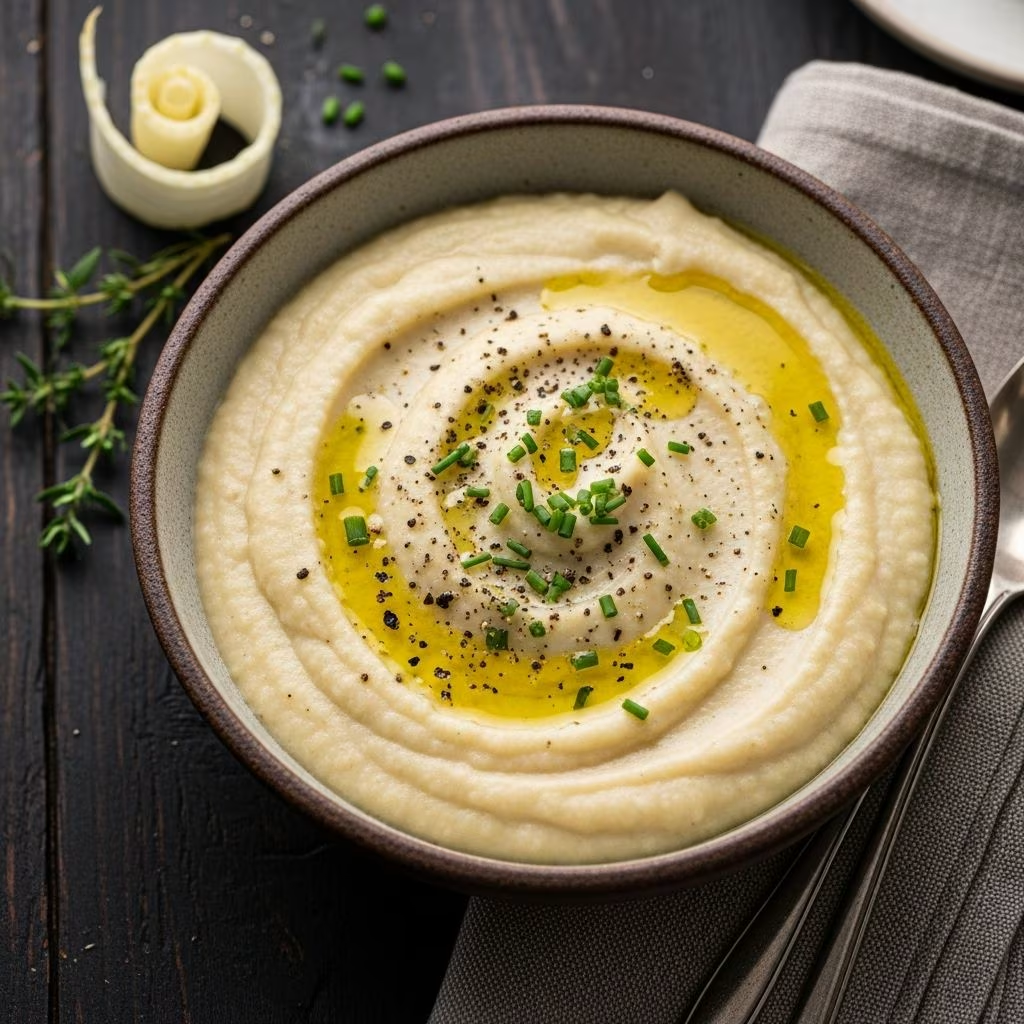
Celery root, also known as celeriac, offers a sophisticated and refined alternative to conventional mashed potato accompaniments. This underground vegetable produces a naturally creamy texture when cooked and pureed, delivering a subtle celery flavor that complements both meat and vegetarian dishes. Whether you’re seeking a low-carbohydrate option or simply looking to expand your vegetable repertoire, celery root puree presents an elegant solution that transforms an often-overlooked ingredient into a show-stopping table presentation.
Understanding Celery Root and Its Culinary Properties
Celery root distinguishes itself from standard celery by being specifically cultivated for its substantial bulbous root system rather than its leafy stalks or stems. This knobby, beige-colored vegetable contains approximately 85 percent water and offers a mild, slightly nutty celery flavor with earthy undertones that becomes even more pronounced when cooking concentrates its natural sugars.
The vegetable contains valuable nutritional compounds including vitamin K, potassium, and various antioxidants. When prepared as a puree, celery root delivers fewer carbohydrates than traditional mashed potatoes, making it particularly appealing for individuals monitoring their carbohydrate intake. The natural starches present in celery root contribute to its inherently creamy quality, requiring minimal additional thickening agents to achieve a luxurious consistency.
Essential Components for Success
Ingredient Selection and Preparation
The foundation of an exceptional celery root puree begins with selecting quality produce and complementary ingredients. Here are the primary components you’ll need:
- Celery root: Two to three medium bulbs (approximately two pounds) provide the primary flavor and texture foundation. Larger bulbs may contain hollow cores, so medium-sized specimens typically offer superior quality. Wash thoroughly under running water and remove the tough outer skin with a vegetable peeler or knife.
- Potatoes: While optional, adding one to two russet or Yukon Gold potatoes extends the recipe’s yield and reduces overall cost. Potatoes contribute additional starches that enhance creaminess. Yukon Gold varieties offer superior buttery notes compared to starchy russets.
- Aromatic vegetables: Onions and garlic provide foundational flavor complexity. One half medium onion and 8 cloves of garlic create a balanced savory profile without overwhelming the subtle celery notes.
- Cooking liquid: Vegetable or chicken broth, water, or a combination thereof serves as the cooking medium. Chicken broth imparts additional richness, while vegetable broth maintains a lighter profile suitable for plant-based presentations.
- Dairy components: Heavy cream and unsalted butter create the final luxurious texture and enhance flavor depth. For dairy-free alternatives, full-fat coconut milk or olive oil-based preparations deliver satisfying results.
- Seasonings: Kosher salt, freshly ground black pepper, and optional finishing touches like fresh lemon juice or fresh herbs round out the flavor profile.
Equipment Considerations
While several cooking methods produce excellent results, certain equipment streamlines the process. An immersion blender directly within the cooking vessel creates smooth texture with minimal transfer, reducing cleanup. Food processors, standard blenders, or even potato ricers offer alternatives. A food mill produces particularly smooth results by pressing vegetables through small perforations, though this equipment isn’t essential for home cooks.
Step-by-Step Preparation Method
Cooking the Vegetables
Begin by combining prepared celery root, onion, and garlic in a medium saucepan. Add enough chicken or vegetable broth to cover vegetables by approximately one inch. Bring the mixture to a rolling boil over high heat, then immediately reduce the temperature to medium-low. Cover the saucepan partially and maintain a gentle simmer.
The celery root typically reaches complete tenderness within 15 to 20 minutes, depending on the size of your cuts. Smaller, more uniform pieces cook faster and more evenly than larger chunks. Meanwhile, if using potatoes, cook them separately in salted water to prevent the potato starch from clouding the cooking liquid and creating an undesirable texture.
Test doneness by piercing the celery root with a fork—it should meet virtually no resistance and break apart easily. Overcooked celery root doesn’t compromise flavor but may develop a slightly watery consistency.
The Pureeing Process
Once vegetables reach complete tenderness, drain most of the cooking liquid while reserving approximately one-quarter cup within the saucepan. This reserved liquid maintains moisture during blending and prevents the puree from becoming excessively thick. If cooking potatoes separately, drain them and incorporate them into the saucepan.
Add cold butter and heavy cream to the warm vegetables. Using an immersion blender, puree until the mixture achieves a completely smooth, homogeneous consistency. For less refined presentations, a potato masher creates a chunkier texture that some diners prefer. If using a traditional food processor or blender, work in batches to avoid overfilling, and add reserved cooking liquid gradually as needed.
Continue blending for one to two minutes after smoothness appears, as extended blending further develops the silky texture characteristic of restaurant-quality preparations.
Flavor Enhancement Strategies
Building Complexity Through Aromatics
The foundation aromatics of onion and garlic create basic savory notes, but additional ingredients amplify the dish’s sophistication. Shallots offer a refined, slightly sweet onion quality that elevates the preparation beyond standard options. Fresh thyme, sage, or tarragon introduce herbal dimensions that complement the celery’s natural profile without overwhelming it.
Textural Additions
While the base puree achieves its greatest appeal through smoothness, thoughtful garnishes introduce visual appeal and textural contrast. Finely chopped fresh celery leaves, parsley, or chives scattered across the finished dish provide color and herbaceous finish notes. A thin drizzle of premium olive oil, truffle oil, or a small pat of compound butter placed atop individual servings adds richness and professional presentation.
Exploring Dietary Variations
Dairy-Free Alternatives
Those avoiding dairy products can substitute full-fat coconut milk for traditional heavy cream and butter, yielding surprisingly luxurious results. The coconut’s subtle sweetness balances celery root’s earthiness without introducing competing flavors. Alternatively, using additional olive oil and vegetable broth creates a lighter, Mediterranean-inspired version that maintains creamy texture through the vegetable’s natural starches and the oil’s emulsifying properties.
Low-Carbohydrate Preparations
Omitting potatoes entirely reduces the carbohydrate content substantially while allowing celery root’s characteristic flavor to take center stage. The vegetable contains approximately 9 grams of carbohydrates per 100-gram serving compared to roughly 17 grams in traditional mashed potatoes, making it an excellent selection for carbohydrate-conscious diners.
Creative Serving Presentations
Contemporary Plating Approaches
Modern cuisine often features celery root puree as a sophisticated base upon which proteins and vegetables rest. A modest spoonful of the puree anchors a plate, providing visual height and creamy foundation supporting roasted meats, seared fish, or vegetable preparations. The subtle flavor doesn’t compete with primary components, making it an ideal supporting player in composed dishes.
Seasonal Accompaniments
Celery root puree pairs exceptionally well with roasted root vegetables, particularly beets with balsamic reduction or pearl onions with caramelized surfaces. Mushroom preparations, particularly those featuring earthy varieties like cremini or porcini, complement the subtle vegetable notes. Game meats, duck, and venison benefit from the puree’s delicate flavor profile that enhances without masking their distinctive qualities.
Frequently Asked Questions
Can celery root puree be prepared in advance?
Yes, celery root puree stores well in the refrigerator for three to four days in an airtight container. Gentle reheating on the stovetop with a splash of additional broth or cream restores the desired consistency. The puree can also be frozen for up to three months, though texture may become slightly grainier upon thawing. Reheat from frozen over low heat, stirring frequently.
What causes lumps in celery root puree?
Incomplete cooking represents the primary cause of lumpy texture. Ensure vegetables reach complete tenderness before attempting to puree. Additionally, blending in batches rather than attempting to process excessive volume at once allows the immersion blender or food processor to achieve complete smoothness. Adding cooking liquid gradually rather than all at once prevents pockets of unblended vegetable from remaining.
How can I adjust the consistency of finished puree?
If the puree appears too thick, gradually incorporate reserved cooking liquid, broth, or cream while stirring to reach desired consistency. Conversely, if excessive liquid has diluted the puree, return it to medium heat and simmer uncovered for several minutes to evaporate moisture. This method provides more controlled consistency adjustment than adding additional thickeners.
Is peeling celery root necessary?
The thick, fibrous outer skin contains tough, relatively inedible celery root tissue. Peeling before cooking ensures completely smooth finished texture without stringy components. Remove approximately one-quarter inch of outer skin to eliminate the tough layer while preserving usable flesh beneath.
What’s the difference between celery root and celery?
Celery root (celeriac) is a distinct variety cultivated specifically for its swollen underground bulb, whereas standard celery is grown for its above-ground stalks and leaves. The underground variety contains more concentrated starch and produces more substantial yields when cooked and pureed. Both share similar flavor families but differ in texture and culinary applications.
Storage and Make-Ahead Considerations
Prepared celery root puree maintains optimal quality when stored in glass or food-grade plastic containers within the coldest section of the refrigerator, typically lasting three to four days. Freezing extends storage to approximately three months, though texture may become slightly separated upon thawing—gentle reheating with additional liquid restores acceptable consistency.
For entertaining purposes, prepare the vegetable mixture through the cooking stage earlier in the day, then complete the pureeing step shortly before serving. This approach minimizes last-minute kitchen activity while ensuring optimal texture and warmth at table presentation.
Conclusion: An Underrated Culinary Gem
Celery root puree represents an accessible yet sophisticated vegetable preparation worthy of regular rotation in home cooking repertoires. The straightforward technique requires minimal specialized equipment, yet produces results that rival professional kitchen standards. Whether serving as a supporting component to composed plates or showcasing the preparation’s understated elegance as a standalone accompaniment, celery root puree elevates ordinary dinners toward memorable dining experiences. Its natural creaminess, subtle celery flavor, and impressive presentation make this humble root vegetable a valuable addition to the contemporary cook’s collection of essential techniques and recipes.
References
- Celery Root Puree Recipe — From A Chef’s Kitchen. https://www.fromachefskitchen.com/celery-root-puree/
- Creamy Celery Root Puree Recipe — Pamela Salzman. https://pamelasalzman.com/celery-root-puree-recipe/
- Celery Root Puree with Balsamic Roasted Beets and Pearl Onions — Downshiftology. https://downshiftology.com/recipes/celery-root-puree/
- Celery Root Purée — Liz The Chef. https://lizthechef.com/celery-root-puree/
- Celery Root and Potato Puree — True North Kitchen. https://true-north-kitchen.com/celery-root-and-potato-puree/
- Anne Burrell’s Celery Root and Potato Puree — Food Network. https://www.youtube.com/watch?v=qDjldbBxKqE
- Gramercy Tavern’s Celeriac Purée — Edible Manhattan. https://ediblemanhattan.com/recipes/brain-food-gramercy-taverns-celeriac-puree/