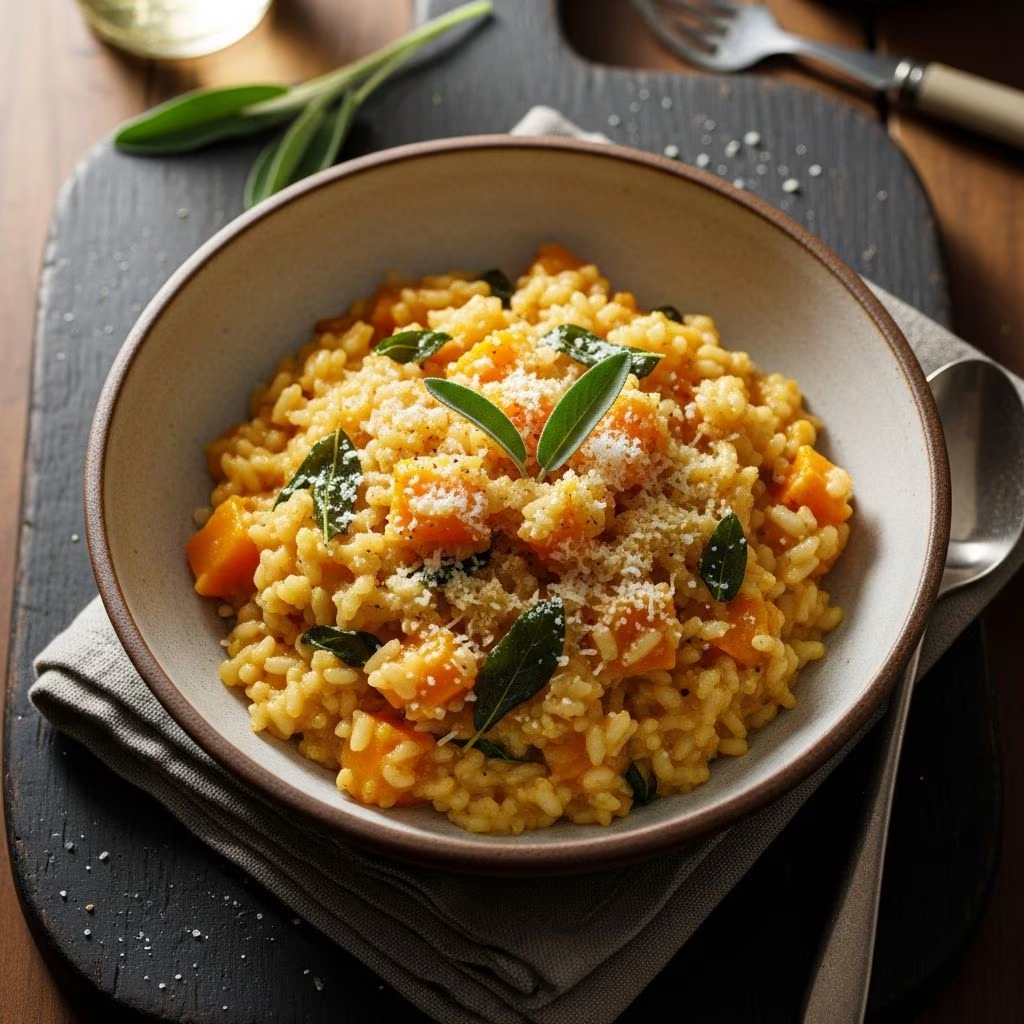
Risotto represents one of the most celebrated dishes in Italian cuisine, and when paired with the natural sweetness of butternut squash, it transforms into a sophisticated yet comforting meal suitable for any occasion. This creamy rice dish combines the earthy flavors of autumn vegetables with the luxurious texture that risotto is renowned for. Whether you’re preparing dinner for guests or creating a special weeknight meal, understanding the fundamentals of risotto preparation will ensure consistent, restaurant-quality results.
Understanding Risotto and Its Core Components
Risotto is an Italian rice dish that achieves its signature creaminess through a specific cooking technique rather than the addition of cream. The process involves gradually incorporating warm broth into short-grain rice while stirring continuously, allowing the rice to release its starches and create a naturally creamy sauce. This method contrasts sharply with standard rice cooking, where grains are simply boiled until tender.
The magic of risotto lies in selecting the correct rice variety. Arborio rice stands as the traditional choice for risotto preparation. This Italian short-grain white rice contains high levels of amylopectin starch, which dissolves during cooking to create the characteristic creamy consistency. Other suitable varieties include Carnaroli and Vialone Nano rice, though Arborio remains the most widely accessible and reliable option for home cooks.
Butternut squash brings both flavor and nutritional value to this dish. The squash’s natural sweetness complements the savory elements of the risotto while adding vibrant color and subtle earthiness. Proper preparation of the squash ensures it integrates seamlessly into the final dish.
Preparing Your Ingredients for Success
Ingredient preparation significantly influences the cooking process and final outcome. Taking time to properly prepare each component before cooking begins streamlines the actual cooking phase, which demands constant attention and regular stirring.
Butternut Squash Selection and Preparation
Choose a butternut squash that feels firm and heavy for its size, indicating good flesh density. A medium-sized squash typically provides the ideal quantity for most risotto recipes without requiring excessive trimming. Two primary preparation methods offer different advantages:
- Cubed Method: Cut the peeled squash into small, uniform 1/4-inch cubes. These smaller pieces cook through during the risotto preparation time, becoming tender and distributing throughout the dish. This method showcases the squash’s presence and provides textural contrast.
- Puree Method: Process roasted or cooked butternut squash into a smooth puree. This approach creates a more integrated, uniform flavor throughout the risotto and produces a silkier, more cohesive texture. The puree blends seamlessly with the broth, enriching the entire dish rather than appearing in distinct pieces.
- Roasted Cubes Method: Roast cubed squash separately until caramelized and tender. These roasted pieces are stirred in near the end of cooking, adding concentrated flavor and visual appeal while maintaining their shape and slight firmness.
Each method produces different textural and flavor outcomes, allowing you to choose based on your preferences and available time.
Rice and Broth Considerations
Measure your Arborio rice accurately—typically 1 cup serves 2-3 people as a main course. Set your broth on a separate burner, bringing it to a gentle simmer before beginning the cooking process. Using warm broth, rather than cold, prevents temperature drops that interrupt the cooking rhythm and can affect the final texture. Homemade vegetable or chicken broth offers superior flavor compared to low-sodium commercial varieties, though quality store-bought options work adequately.
Aromatics and Seasonings
Finely chop yellow onions or shallots into uniform, small pieces that cook evenly and incorporate smoothly into the dish. Mince garlic cloves finely to distribute their flavor throughout the risotto. Fresh herbs like sage and rosemary complement butternut squash beautifully, with sage particularly suited to autumn-themed risottos. Prepare these elements in advance so you can focus on stirring during cooking.
The Step-by-Step Cooking Process
Risotto preparation follows a logical sequence that builds flavor and achieves the desired creamy texture. Understanding each step’s purpose helps you make adjustments if needed and recognize when transitions to the next phase should occur.
Building the Flavor Foundation
Heat extra-virgin olive oil or butter in a large, heavy-bottomed saucepan or skillet over medium heat. The saucepan’s weight helps distribute heat evenly, preventing hot spots that could scorch the rice. Add chopped onions and cook for 2-3 minutes, stirring occasionally, until they become translucent and softened. This initial cooking develops the onion’s natural sweetness through caramelization.
If using the cubed butternut squash method, add the diced squash pieces to the softened onions and continue cooking for 6-8 minutes. The squash begins to soften during this period, and some surface caramelization develops, adding depth to the final flavor profile. Stir occasionally to ensure even cooking and prevent sticking.
Toasting the Rice
Add minced garlic and your fresh herbs (rosemary or sage) to the vegetable mixture, stirring constantly for about 30 seconds to distribute their aromatic oils. Then add the measured Arborio rice, stirring for approximately 1 minute. This toasting process, though brief, coats each grain with oil and begins to slightly firm the exterior, helping the rice maintain its structure during the gradual broth addition. The rice grains should appear glossy and well-coated.
Deglazing with Wine
Pour in dry white wine (approximately 1/2 to 3/4 cup) and stir continuously for 1-3 minutes, allowing the rice to absorb the liquid completely. The wine’s acidity adds complexity to the dish while its alcohol content evaporates during cooking. You’ll observe the liquid gradually disappearing as the rice absorbs it, and the mixture will appear slightly dry before you begin adding broth.
Gradual Broth Integration
Begin adding your warmed broth one ladle or 3/4-cup measure at a time. Add each portion and stir frequently—not continuously, but regularly enough to encourage starch release without creating a mushy texture. Continue stirring until each broth addition is almost completely absorbed before adding the next portion. This gradual process typically takes 18-25 minutes total.
The constant stirring serves multiple purposes: it prevents the rice from sticking to the pan bottom, encourages even cooking, and most importantly, facilitates the release of rice starch that creates the dish’s signature creamy consistency. Maintain a gentle simmer throughout this process—overly vigorous boiling can break down the rice too quickly and create a mushy texture.
Achieving Perfect Consistency
Risotto reaches completion when the rice kernels have absorbed liquid and become tender while still retaining a slight firmness at their centers—a texture Italians describe as “al dente.” The finished risotto should appear loose and flowing rather than stiff or clumpy. It should move slowly across a tilted plate rather than sliding off immediately or remaining in a tight mound.
If you’re using butternut squash puree mixed into the broth, the final risotto will achieve a beautiful golden-orange hue with velvety smoothness. If using the roasted cubes method, stir the caramelized squash pieces in near the end of cooking, during the final broth additions, so they remain intact rather than breaking down into the sauce.
Finishing Touches and Flavor Enhancement
The final moments of risotto preparation determine whether your dish achieves excellence or merely adequacy. Professional risotto preparation includes a finishing technique called “mantecatura” that adds richness and smoothness.
Remove the pan from heat and stir in cold, diced butter (typically 2-3 tablespoons) and freshly grated Parmigiano-Reggiano cheese. The cold butter and cheese create an emulsion with the risotto’s residual heat, producing an ultra-creamy, silky texture. Some preparations include brown butter, which adds nutty complexity to the finished dish.
Season carefully with sea salt and freshly ground black pepper, tasting as you adjust. The cheese contributes saltiness, so account for this when seasoning. A squeeze of fresh lemon juice brightens the butternut squash’s richness without overwhelming it.
Serving Suggestions and Variations
Serve risotto immediately after completion, as the texture begins to stiffen as it cools. Divide among warm bowls and offer additional grated cheese at the table for diners to customize their portions.
Optional garnishes enhance both appearance and flavor. Fresh sage leaves, either raw or crisped in hot oil, add visual interest and herbaceous notes. Toasted nuts such as pistachios or pine nuts contribute textural contrast. A final drizzle of quality olive oil or additional brown butter adds luxuriousness.
Dietary adaptations accommodate various preferences: dairy-free versions substitute vegan cream and nutritional yeast for cheese and butter. Adding cooked sausage or pancetta transforms the dish into a heartier main course. Some preparations incorporate mushrooms or other vegetables alongside the butternut squash for additional complexity.
Common Challenges and Solutions
| Challenge | Cause | Solution |
|---|---|---|
| Overly thick, gluey texture | Excessive stirring or overabsorption of broth | Reduce stirring frequency; add warm broth in smaller amounts at the end |
| Rice still firm and undercooked | Insufficient cooking time or broth | Continue cooking longer; add additional warm broth gradually |
| Watery risotto | Too much broth added; insufficient rice starch release | Continue cooking without adding broth until desired consistency achieved |
| Burned or scorched rice at pan bottom | Heat too high or inadequate stirring | Reduce heat to medium; stir more frequently; use heavier-bottomed pan |
| Flavorless dish | Inadequate seasoning or low-quality broth | Taste frequently during cooking; adjust seasonings; use flavorful broth |
Frequently Asked Questions
Can I prepare risotto in advance?
Traditional risotto must be prepared immediately before serving for optimal texture. However, you can prepare the mise en place (all ingredients measured and chopped) several hours ahead. Some cooks prepare risotto partially, stopping before the final broth additions, then completing it just before serving, though this requires careful technique.
What type of wine works best for butternut squash risotto?
Dry white wines such as Pinot Grigio, Sauvignon Blanc, or Vermentino work excellently, offering acidity without sweetness that would clash with the squash. Avoid oaky or heavily buttered wines that overpower the dish’s delicate balance.
Is brown rice arborio acceptable for this recipe?
Brown Arborio rice offers nutritional benefits and slightly nuttier flavor compared to white varieties. However, it requires longer cooking time (approximately 40-50 minutes) and produces a less creamy texture than traditional white Arborio. Adjust liquid quantities and cooking time accordingly.
How do I prevent the risotto from becoming lumpy?
Consistent, frequent stirring prevents lumping by distributing heat evenly and encouraging gradual starch release. Avoid long periods without stirring, and add broth only when the previous portion is nearly absorbed, not all at once.
Can vegetable broth replace chicken broth?
Vegetable broth works perfectly and is preferred for vegetarian preparations. Choose quality, flavorful varieties rather than light or low-sodium options that may produce a bland final dish.
References
- Butternut Squash Risotto Recipe — Love and Lemons. Accessed April 2026. https://www.loveandlemons.com/butternut-squash-risotto/
- Butternut Squash Risotto — Skinnytaste. Accessed April 2026. https://www.skinnytaste.com/butternut-squash-risotto/
- Roasted Butternut Squash Risotto Recipe — Cookie and Kate. Accessed April 2026. https://cookieandkate.com/roasted-butternut-squash-risotto/
- Roasted Butternut Squash Risotto with Brown Butter & Sage — Food Nouveau. Accessed April 2026. https://foodnouveau.com/butternut-squash-risotto-with-brown-butter/