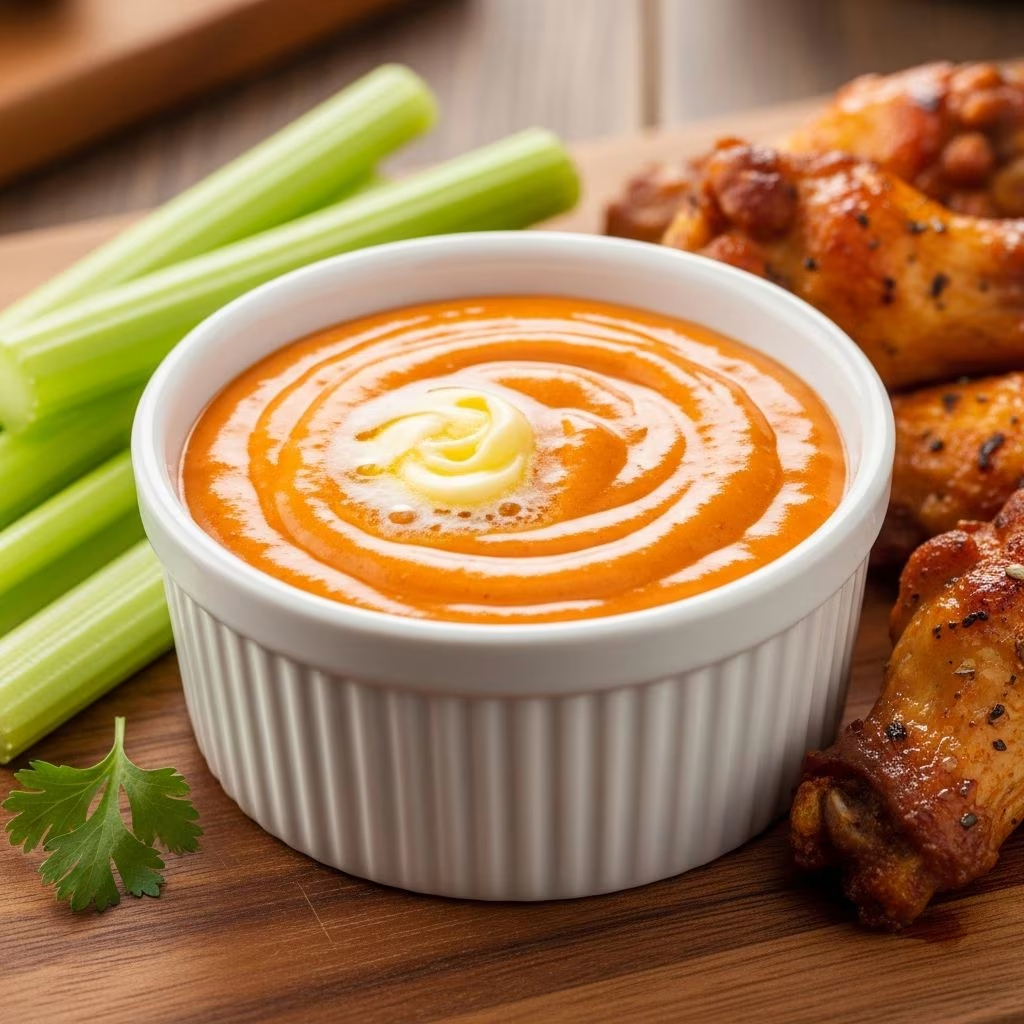
The appeal of creamy buffalo dipping sauce extends far beyond traditional chicken wings. This versatile condiment has become a staple at gatherings, parties, and casual dining occasions, offering a perfect balance of spicy heat and creamy richness. Whether you’re hosting a game day event or simply looking to elevate your appetizer spread, understanding how to craft this sauce from scratch empowers you to customize flavors to your exact preferences and impress your guests with homemade quality.
Understanding the Foundation of Buffalo Flavor
Buffalo sauce derives its characteristic taste from a combination of hot sauce, fat, and acidic components that work together to create complexity and depth. The traditional approach involves combining Frank’s RedHot sauce or similar cayenne-based hot sauces with butter or other creamy elements, which mellows the heat while adding richness and body to the mixture. The acidic component—whether vinegar or other ingredients—brightens the flavor profile and prevents the sauce from becoming one-dimensional.
The science behind this combination is straightforward: hot sauce alone can be sharp and overpowering, but when combined with butter or cream, the fat molecules coat your palate and distribute the heat more gradually. This creates a more pleasant eating experience compared to consuming hot sauce directly. Understanding this foundation allows you to experiment confidently with variations and adjustments.
Essential Ingredients and Their Roles
Creating an authentic creamy buffalo dipping sauce requires attention to quality ingredients and understanding what each contributes:
- Hot Sauce Base: Frank’s RedHot remains the industry standard for buffalo preparations, offering a vinegar-forward profile without overwhelming heat. Alternative options like Crystal Louisiana Pure Hot Sauce or similar cayenne pepper-based products work well if Frank’s is unavailable.
- Butter: Cold, unsalted butter serves as the primary creaming agent, creating the luxurious texture that defines this sauce. Butter also carries fat-soluble flavors and adds richness without competing with the buffalo profile.
- Acid Components: Apple cider vinegar or white vinegar brightens flavors and adds complexity. These acidic elements balance the richness and prevent palate fatigue when consuming multiple dips.
- Seasonings: Garlic powder, onion powder, and Worcestershire sauce build layers of umami and savory depth. Using powdered versions rather than granules ensures smooth texture without grittiness.
- Optional Creaminess Enhancers: Some recipes incorporate plain yogurt, sour cream, or cream cheese for alternative textural approaches, each offering distinct advantages for different applications.
Traditional Preparation Method
The most reliable approach to making creamy buffalo dipping sauce follows a gentle heating and emulsification process. Begin by combining all ingredients except the butter in a small saucepan. Heat over medium-low temperature, whisking frequently to incorporate the powdered ingredients completely. This initial warming phase should bring the mixture to a low simmer—a critical step that allows flavors to meld while the gentle heat prevents ingredient separation.
Once the mixture reaches a light simmer, remove it from direct heat. The most important technique involves adding cold butter gradually, in small cubes, while whisking continuously. This methodical approach prevents the sauce from cooling too rapidly, which would cause the butter to congeal rather than incorporate smoothly. Add perhaps three to four small butter pieces at a time, whisking until fully melted before adding the next portion. This patience-requiring step creates the signature creamy emulsion that characterizes the finished sauce.
The entire process typically requires five to ten minutes from start to finish. Taste the finished product and adjust salt as needed. Allow the sauce to cool to room temperature before serving, as it will thicken slightly as it cools.
Alternative Preparation Approaches
Beyond the traditional butter-based method, several alternative techniques offer convenience or unique flavor profiles:
Quick Mayo Method: For maximum simplicity, combine store-bought mayonnaise with hot sauce in a bowl and mix thoroughly. This two-minute approach requires no heating and creates an immediately ready dipping sauce. Adjust the hot sauce quantity based on your preferred spice level and the specific sauce brand you’re using.
Yogurt Integration: For a lighter alternative, melt butter over medium heat, add hot sauce, then cool for a few minutes before mixing in plain yogurt. This approach reduces caloric density while maintaining creaminess, and the yogurt’s tang complements the buffalo heat beautifully.
Cream Cheese Based: For applications requiring maximum creaminess, melt cream cheese over low heat and whisk in sour cream before adding hot sauce and seasonings. This variation works exceptionally well in buffalo chicken dips and creates an exceptionally rich final product.
Cashew Cream Option: Blend soaked cashews with hot sauce, vinegar, and seasonings to create a naturally thick, creamy sauce without any dairy. This plant-based approach appeals to those with dietary restrictions while delivering impressive texture and richness.
Flavor Customization and Personalization
One of the greatest advantages of homemade sauce is the ability to adjust flavors precisely. The heat level can be modulated by using less hot sauce or adding cooling ingredients like sour cream or yogurt. For those desiring more intense spice, additional cayenne pepper can be whisked in gradually until reaching desired intensity.
Experiment with different hot sauce varieties to discover subtle flavor variations. Some brands emphasize vinegar forward notes, while others highlight pepper characteristics or subtle sweetness. The specific brand selected significantly impacts the final flavor profile, making it worthwhile to test multiple options.
Acidic components can be varied between apple cider vinegar, white vinegar, or even lemon zest to create different flavor directions. Worcestershire sauce quantity can be adjusted based on preference for umami depth. For those seeking a milder, more approachable version, gradually reduce the hot sauce while increasing the creamy components.
Storage and Longevity Considerations
Properly stored creamy buffalo dipping sauce maintains quality for extended periods. Refrigerated sauce made with butter can typically last up to one month, as the butter acts as a natural preservative. Store in an airtight container to prevent absorption of refrigerator odors.
For mayo-based versions, refrigeration extends storage to approximately two weeks. Cream cheese and yogurt-based variations follow similar timelines as standard dairy products, lasting approximately two weeks when properly sealed. For extended storage beyond these periods, freezing works well for butter-based versions—simply thaw in the refrigerator before serving.
Note that sauces may thicken significantly when cold, particularly butter-based versions. Gentle reheating over low heat or brief counter-sitting before service restores optimal consistency for dipping.
Serving Suggestions and Applications
While traditionally paired with chicken wings, creamy buffalo dipping sauce enhances numerous applications. Vegetable platters gain excitement when accompanied by this sauce—carrots, celery, and other raw vegetables provide textural contrast to the creamy richness. Tortilla chips, pita chips, and other sturdy crackers serve as excellent vehicles for the sauce.
Beyond appetizers, this sauce functions beautifully as a sandwich condiment, baked potato topping, or incorporated into salad dressings. Some prepare buffalo chicken dips by mixing shredded cooked chicken with the sauce, cream cheese, and cheese for a hearty crowd-pleasing dish. The versatility makes mastering this recipe worthwhile for home cooks of varying skill levels.
Troubleshooting Common Preparation Issues
Graininess or Separation: If the sauce appears grainy or separated, improper emulsification likely occurred. Prevent this by adding cold butter gradually rather than in large quantities, and maintain whisking throughout the process. If separation occurs, try warming gently and whisking vigorously, or starting fresh with a gentler approach.
Excessive Thickness: Sauces thicken substantially as they cool. If your finished product proves too thick for desired use, incorporate additional hot sauce, vinegar, or for cream-based versions, a small amount of milk to reach preferred consistency.
Inadequate Heat Level: Cayenne pepper can be gradually whisked in to increase spiciness without dramatically changing the sauce’s composition. Alternatively, switch to spicier hot sauce brands or add sriracha for progressive heat increases.
Flavor Imbalance: If the sauce tastes overly acidic, incorporate additional butter or cream to balance it. If insufficient tang emerges, add more vinegar in small increments while tasting continuously.
Nutritional Considerations
Creamy buffalo dipping sauce, while flavorful, contains significant calories primarily from butter or mayo used for creaminess. A tablespoon of traditional butter-based sauce contains approximately 95-120 calories. Mayo-based versions typically contain 90-100 calories per tablespoon. For those monitoring caloric intake, reducing portion sizes, using lighter alternatives like yogurt, or selecting cashew-based versions provides viable options.
The sauce contains minimal carbohydrates and protein, serving primarily as a fat-based flavor delivery system. Sodium content varies based on hot sauce selection, with many commercial hot sauces containing substantial sodium levels. Those monitoring sodium intake should verify their chosen hot sauce brand’s sodium content before preparation.
Frequently Asked Questions
What hot sauce works best if Frank’s RedHot is unavailable?
Crystal Louisiana Pure Hot Sauce and similar cayenne pepper-based hot sauces serve as excellent alternatives. Avoid hot sauces featuring heavy smoke, sweetness, or chile powder bases, as these create distinctly different flavor profiles unsuitable for traditional buffalo preparations.
Can this sauce be made in advance?
Yes, the sauce can be made up to one month in advance and refrigerated in an airtight container. Reheat gently before serving, as cold storage causes thickening. Some advocates recommend refrigeration for at least 30 minutes to allow flavors to meld more completely.
Is this recipe suitable for vegan diets?
Traditional butter-based recipes require substitution with plant-based butter alternatives. The cashew cream method offers an entirely plant-based option that delivers authentic texture and richness. Soy sauce can replace Worcestershire sauce for additional dietary compliance.
How can I reduce the spice level?
Increase the creamy component ratio by adding more butter, yogurt, or mayo relative to hot sauce. Alternatively, simply use less hot sauce in the initial preparation. Cooling ingredients like sour cream effectively temper heat without compromising flavor.
What consistency should the finished sauce have?
The sauce should coat the back of a spoon and flow slowly when tilted, thicker than typical salad dressing but thinner than mayonnaise. Adjust by adding small amounts of additional hot sauce, vinegar, or cream-based ingredients as needed.
Conclusion: Elevating Your Entertaining Game
Mastering creamy buffalo dipping sauce represents an accessible entry point into sauce-making that yields impressive results. The combination of simple ingredients, straightforward techniques, and endless customization possibilities makes this recipe valuable for home cooks of all skill levels. Whether selecting the traditional butter-based method, exploring quick alternatives, or experimenting with creative variations, the foundational knowledge provided here enables confident preparation and confident entertaining. With practice, you’ll develop intuition for flavor balance and texture optimization that transforms this humble sauce into a signature element of your culinary repertoire.
References
- Creamy Buffalo Sauce Recipe — Chiles and Smoke. https://www.chilesandsmoke.com/creamy-buffalo-sauce/
- Creamy Buffalo Sauce — CookWell. https://cookwell.com/recipe/creamy-buffalo-sauce
- Easy Buffalo Sauce Recipe — Everyday Family Cooking. https://www.everydayfamilycooking.com/homemade-buffalo-sauce/
- Super Creamy Buffalo Chicken Dip — Little Vienna. https://www.lilvienna.com/super-creamy-buffalo-chicken-dip/
- Buffalo Dipping Sauce — Always Use Butter. https://alwaysusebutter.com/buffalo-dipping-sauce/
- The BEST Thick Buffalo Sauce Recipe — Modern Minimalism. https://modernminimalism.com/best-thick-buffalo-sauce-recipe/