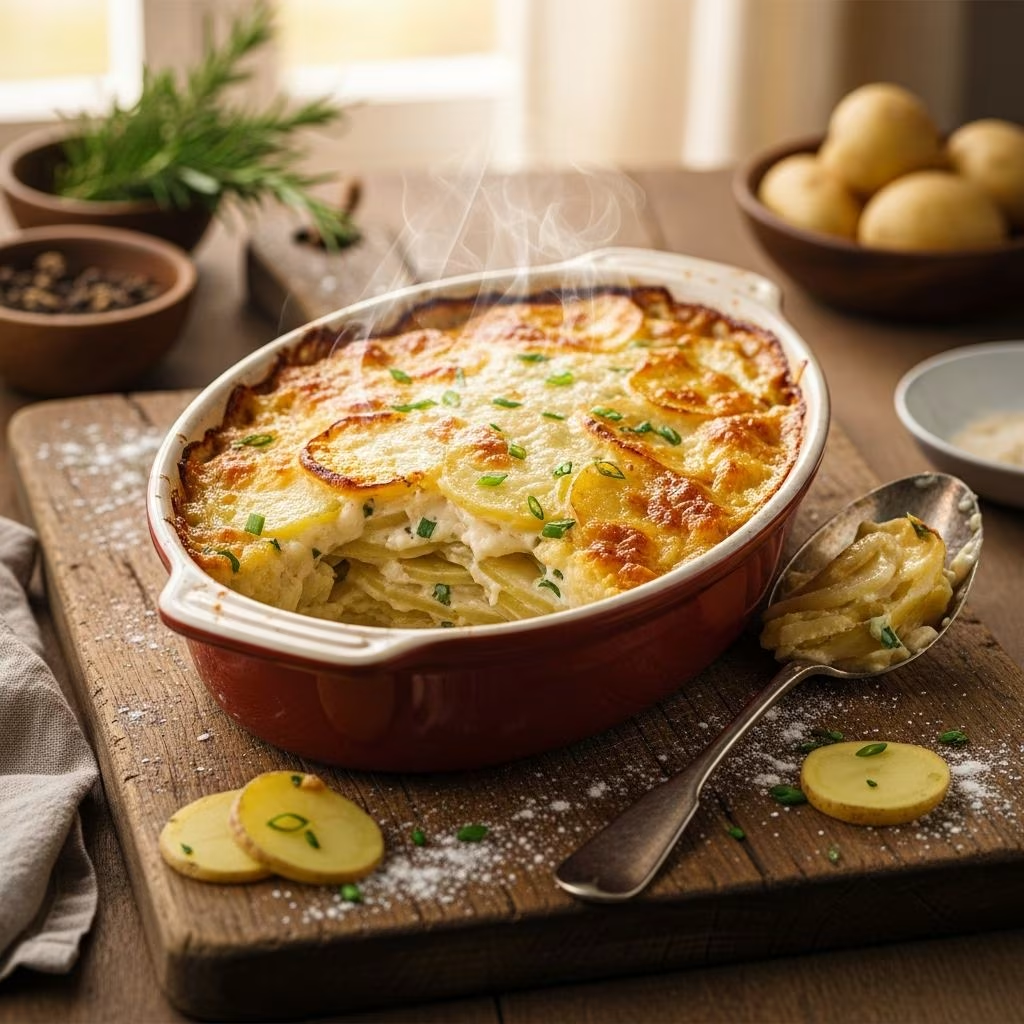
Few dishes evoke the warmth and satisfaction of home cooking quite like a perfectly executed creamy baked potato casserole. This beloved side dish combines tender sliced potatoes with a velvety cream sauce, creating a comforting accompaniment to roasted meats, grilled vegetables, or holiday spreads. Whether you’re preparing an everyday family dinner or hosting a special gathering, understanding the fundamentals of this classic recipe ensures you’ll achieve restaurant-quality results in your own kitchen.
Understanding the Core Components
A successful creamy baked potato casserole relies on several essential elements that work together harmoniously. The foundation consists of freshly peeled and uniformly sliced potatoes, which provide the structural base for your dish. The second crucial component is the creamy sauce, traditionally made from a combination of butter, flour, and milk—a technique known as creating a roux-based sauce. Finally, aromatic vegetables and seasonings elevate the flavor profile, while cheese adds richness and depth.
Selecting the Right Potatoes
The type of potato you choose significantly impacts the final texture and flavor of your casserole. Yukon Gold potatoes offer a naturally buttery flavor and creamy texture when cooked, making them an excellent choice for this dish. Russet potatoes provide a starchy option that absorbs flavors well and develops a tender consistency during baking. White or red potatoes work equally well, each contributing their unique characteristics to the finished dish. For the most consistent results, select potatoes of similar size so they cook evenly throughout the baking process.
Preparation Techniques That Ensure Success
Proper preparation sets the stage for a successful casserole experience. Begin by preheating your oven to the appropriate temperature—typically between 375°F and 400°F, depending on your specific recipe and desired cooking time. Thoroughly scrub your potatoes under running water to remove any soil or debris. After peeling, slice the potatoes to a uniform thickness of approximately 1/8 inch to 1/4 inch, depending on your preference. Many home cooks prefer using a mandoline slicer for consistency, though a sharp chef’s knife works equally well.
To prevent the sliced potatoes from oxidizing and developing a grayish appearance, immediately place them in a bowl of cold water after slicing. This additional step preserves their natural color and prevents discoloration during the preparation and baking phases. When you’re ready to assemble your casserole, drain the potatoes thoroughly and pat them dry with paper towels to remove excess moisture.
Preparing Your Baking Vessel
Select an appropriately sized baking dish for your casserole—typically a 9×13-inch rectangular dish accommodates standard recipe quantities. Alternatively, an 8×8-inch square baking dish works well for smaller portions. Generously grease the bottom and sides of your chosen dish using butter or nonstick cooking spray. This prevents sticking and ensures easy removal and serving once the casserole is complete.
Creating the Perfect Cream Sauce
The cream sauce represents the heart of your casserole, providing moisture, richness, and flavor. The process begins with melting butter over medium or medium-low heat in a heavy-bottomed saucepan. Add finely diced onions to the melted butter and cook gently until they become soft and translucent—typically requiring 5 to 7 minutes of occasional stirring. This patient approach allows the onions to develop subtle sweetness rather than browning.
Once the onions have softened, add minced garlic cloves and cook for just 30 to 60 seconds, allowing the garlic to release its aromatic compounds without burning. The next step involves creating a roux by sprinkling all-purpose flour over the onion mixture and stirring constantly for approximately 1 to 2 minutes. This cooking period allows the flour to toast slightly and eliminates the raw flour taste from the final sauce.
Incorporating Milk and Building Consistency
The transformation from thick paste to silky sauce occurs through the gradual addition of milk. Pour the milk slowly while whisking continuously to prevent lumps from forming. Begin with small amounts of milk—approximately 1/4 cup—whisking thoroughly until smooth before adding more. Continue this patient process until all liquid has been incorporated and you’ve achieved a smooth, creamy consistency. Some recipes incorporate a combination of whole milk and heavy cream for added richness, or substitute a portion of milk with chicken broth for additional depth of flavor.
Season your sauce with salt, pepper, and optional ingredients such as Dijon mustard, ground nutmeg, or dried herbs. These seasonings enhance the overall flavor profile and add complexity to the finished dish. Allow the sauce to simmer gently for 2 to 3 minutes, stirring occasionally, to ensure it reaches the desired consistency and all flavors meld together.
The Art of Layering and Assembly
Strategic layering distributes flavors evenly throughout your casserole while creating appealing visual appeal when served. Begin by arranging the first layer of drained, dried potato slices in the bottom of your prepared baking dish, slightly overlapping each slice for efficient coverage. Season this layer generously with salt and freshly ground black pepper to taste. Pour approximately one-third of your prepared cream sauce over this potato layer.
Repeat the layering process with additional potato slices, seasonings, and sauce until all ingredients are used, typically creating three layers total. The final layer should conclude with sauce rather than potatoes, ensuring the top potatoes absorb moisture and cook properly. If desired, top the casserole with shredded cheese—cheddar, parmesan, or asiago varieties work particularly well—for added flavor and a beautiful golden-brown finish.
Baking Guidelines and Timing
Cover your assembled casserole tightly with aluminum foil to trap steam and facilitate gentle, even cooking of the potatoes. Place the covered dish in your preheated oven and bake for approximately 45 to 90 minutes, depending on your oven temperature and the thickness of your potato slices. The exact timing varies based on individual ovens and equipment, so begin checking for doneness around the 45-minute mark.
The potatoes reach the desired tenderness when a fork easily pierces them without resistance. Once the potatoes are fork-tender, remove the aluminum foil covering and continue baking for an additional 15 to 20 minutes. This uncovered baking phase allows the top to develop an appetizing golden-brown color and permits excess moisture to evaporate, resulting in a sauce of ideal thickness.
Achieving the Perfect Golden Top
For an extra-crispy, deeply browned top layer, consider placing your uncovered casserole under the broiler for the final 2 to 3 minutes of cooking. Watch carefully during this step to prevent burning, as broiler intensity varies significantly among ovens. Once the top reaches your desired color, remove the casserole from heat immediately.
Resting and Serving Recommendations
After removing your casserole from the oven, allow it to rest at room temperature for 10 to 15 minutes before serving. This resting period permits the sauce to thicken further as it cools slightly, resulting in better texture and easier portioning. The casserole will also reach a more comfortable serving temperature, reducing the risk of burns.
Use a sharp spoon or cake server to carefully cut through the layers and transfer individual portions to serving plates. The casserole can be held warm in a low oven (around 200°F) for 30 minutes if you’re not serving immediately, though it’s best enjoyed fresh from the oven.
Make-Ahead and Storage Strategies
This casserole adapts beautifully to advance preparation, making it ideal for busy schedules and entertaining situations. Prepare the dish completely through assembly, cover it tightly with plastic wrap, and refrigerate for up to 24 hours before baking. When ready to cook, remove the casserole from the refrigerator and allow it to sit at room temperature for 30 minutes. Extend the covered baking time to 50 to 60 minutes due to the chilled starting temperature, then proceed with the uncovered baking phase as directed.
Leftover casserole stores well in an airtight container in the refrigerator for up to 5 days. Reheat individual portions in the microwave or warm the entire dish covered in a 350°F oven for approximately 20 to 30 minutes, or until heated through. The texture and flavor remain remarkably consistent through storage and reheating.
Ingredient Variations and Creative Modifications
| Ingredient Category | Traditional Option | Alternative Choice | Effect on Dish |
|---|---|---|---|
| Cheese Type | Mild Cheddar | Gruyère or Swiss | Adds nutty, complex flavor |
| Dairy Base | Whole Milk | Heavy Cream Mix | Creates richer, more luxurious sauce |
| Aromatics | Onion and Garlic | Shallots and Leeks | Provides milder, more subtle flavor |
| Protein Addition | None | Bacon or Ham | Adds savory depth and texture |
| Herbs | Black Pepper Only | Thyme or Rosemary | Introduces earthy, aromatic notes |
The beauty of this casserole lies in its versatility and adaptability to various preferences and dietary considerations. Substitute a portion of the whole milk with heavy cream for increased richness, or use chicken broth in place of some milk for a lighter flavor profile. Experiment with different cheese varieties—sharp cheddar provides bolder flavor, while gruyère introduces nutty complexity and Swiss cheese adds subtle sweetness.
For added substance and protein, incorporate crispy bacon pieces, diced ham, or cooked sausage into the casserole. Fresh herbs such as thyme, rosemary, or parsley contribute aromatic depth and visual appeal. Ground nutmeg, a traditional addition to many cream-based potato dishes, adds warmth and subtle sweetness when used judiciously.
Troubleshooting Common Issues
- Watery sauce after baking: Ensure adequate uncovered baking time to allow excess moisture to evaporate. Use a slightly thicker roux ratio or extend cooking time by 10 to 15 minutes.
- Undercooked potatoes: Check that potatoes are sliced uniformly to thickness and use a fork to verify tenderness before removing the foil covering. Extend covered baking time if necessary.
- Burnt cheese topping: Lower oven temperature slightly and ensure adequate oven rack spacing. Monitor carefully during the final browning stages, particularly if using the broiler.
- Curdled sauce: Prevent this by adding milk gradually while whisking constantly and avoiding excessively high heat during sauce preparation. Room-temperature milk also helps prevent temperature shock.
- Lumpy sauce: Strain the sauce through fine-mesh sieve before pouring over potatoes, or use an immersion blender to achieve smooth consistency.
Frequently Asked Questions
What potato varieties work best?
Yukon Gold, Russet, and white potatoes all perform excellently. Choose based on personal preference for texture—Yukon Golds offer creamy texture, while Russets provide more starch. Avoid waxy potatoes like red potatoes for this application.
Can I prepare this dish without cheese?
Yes, the casserole remains delicious without cheese, though it loses some richness and depth. Increase seasonings such as herbs and salt to compensate for missing cheese flavor.
How do I know when the casserole is done?
Pierce the potatoes with a fork—they should offer no resistance when fully cooked. The top should be golden brown, and the edges should show slight browning from the baking dish.
Is a mandoline slicer essential?
While helpful for achieving uniform thickness, a sharp chef’s knife works equally well with careful attention and patience. Consistent potato thickness ensures even cooking.
How far in advance can I make this?
Prepare through assembly and refrigerate up to 24 hours ahead. Adjust baking time accordingly when cooking from cold. Cooked leftovers store for up to 5 days.
References
- Potato Varieties and Cooking Properties — United States Department of Agriculture (USDA). 2024. https://www.usda.gov/
- Food Safety Guidelines: Dairy and Cooked Foods Storage — FDA/USDA. 2024. https://www.foodsafety.gov/
- Roux Preparation and Sauce Techniques — Culinary Institute of America. 2023. https://www.ciachef.edu/
- Baking Temperature and Time Guidelines — North American Meat Institute. 2024. https://www.meatinstitute.org/
- Cheese Melting and Cooking Properties — Wisconsin Cheese. 2024. https://www.wisconsincheese.com/