Scones represent a cornerstone of refined baking, and when paired with unexpected flavor combinations, they transform into an impressive dessert worthy of any special occasion. The marriage of buttery cream scones with the bright acidity of goat cheese and the natural sweetness of grilled nectarines creates a sophisticated plate that balances richness with freshness. This contemporary approach to traditional scone preparation demonstrates how classic techniques can be elevated through thoughtful ingredient selection and skillful technique.
Understanding the Foundation: Quality Cream Scones
The success of this dish begins with understanding the fundamentals of exceptional scone preparation. Cream scones differ from traditional scones through their reliance on heavy cream rather than eggs as the binding agent, resulting in a tender crumb with exceptional moisture retention. The technique requires precision because the goal is to create a delicate structure that remains structurally sound while delivering a melt-in-mouth eating experience.
Creating the ideal scone texture depends on several critical factors. Temperature control throughout the process ensures that fat remains distributed in distinct pockets rather than becoming fully incorporated into the dough. When these pockets of fat warm in the oven, they create steam, which produces the characteristic flaky layers that define superior scones. Using cold butter cubed into small pieces and maintaining cold cream throughout mixing prevents the fat from breaking down prematurely.
The flour selection matters considerably. All-purpose flour provides the right balance of protein content to develop adequate structure without creating excessive toughness. The mixing method distinguishes proper scone preparation from less successful attempts. A light hand and minimal mixing preserve the delicate structure. Once the dry ingredients are combined with the cold cream mixture, overworking the dough develops gluten strands that result in dense, tough scones rather than light, tender ones.
The Art of Grilling Nectarines
Nectarines transform dramatically when exposed to high heat on a grill or grill pan. The natural fruit sugars caramelize, developing complex flavors that intensify the stone fruit character while creating textural contrast through charring. Selecting ripe but still-firm nectarines proves essential—overly soft fruit will deteriorate during grilling, while underripe specimens lack the sugar content necessary for proper caramelization.
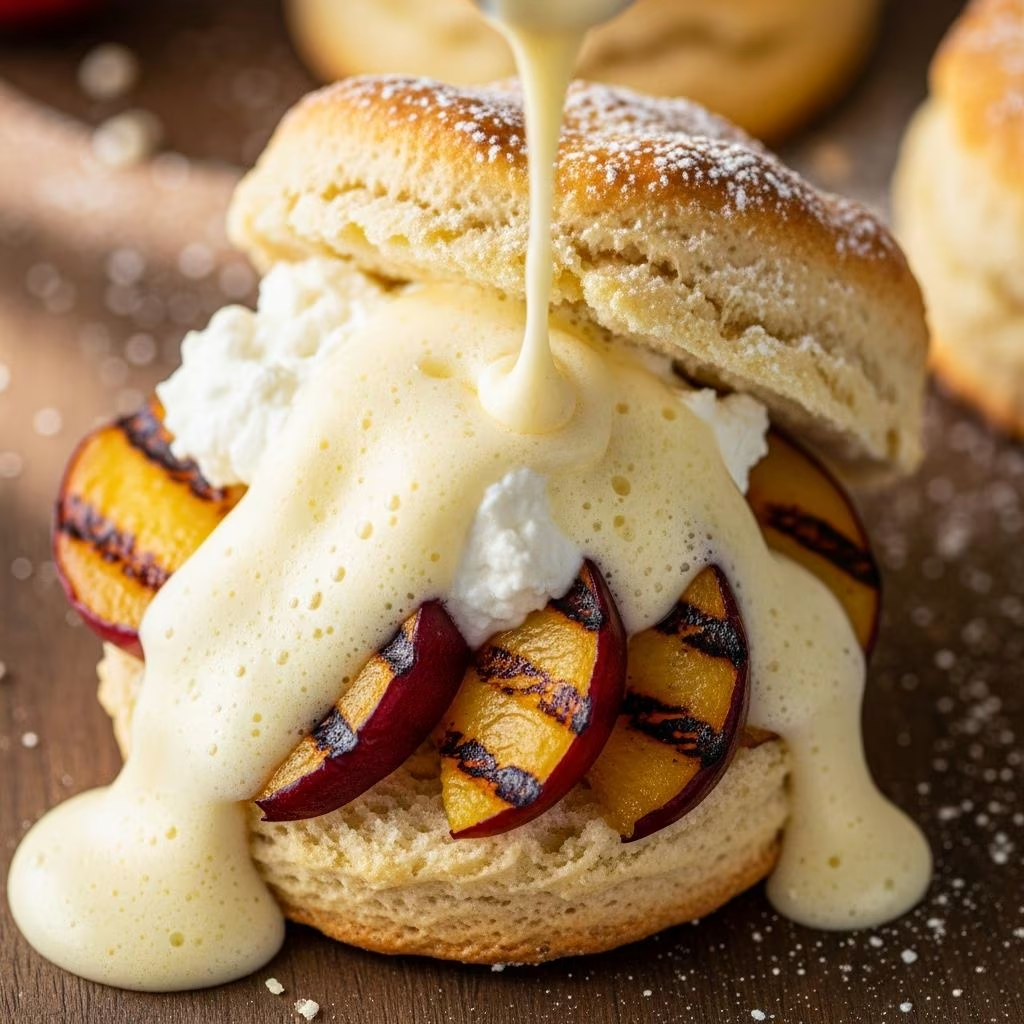
Preparation begins with halving the nectarines lengthwise and removing the pit carefully. The flat surfaces created by this cut provide ideal contact with the hot cooking surface. A light coating of neutral oil prevents sticking and promotes even browning. Medium-high heat applied for three to five minutes per side develops those desirable caramelized exterior marks while maintaining a tender interior.
The grilling process need not be intimidating. A standard cast-iron grill pan works excellently for home cooks without outdoor grilling equipment. The key is achieving consistent heat and allowing sufficient time for color development without burning. Rotating the fruit halfway through cooking creates attractive crosshatch marks that enhance both visual appeal and suggest careful preparation to guests.
Crafting Goat Cheese Sabayon: Technique and Tradition
Sabayon represents a French cooking technique that produces an aerated, custard-like sauce through whisking egg yolks with liquid and sometimes fat over gentle heat. The traditional preparation yields a luxurious sauce that transforms desserts through its silky texture and rich mouthfeel. Incorporating goat cheese into this preparation introduces a savory-sweet element that challenges conventional dessert expectations while providing sophisticated complexity.
The fundamental principle behind sabayon involves transforming individual ingredients through mechanical action and heat into something entirely new. Egg yolks contain natural emulsifiers that allow them to hold together disparate components that would otherwise separate. When whisked with liquid and gentle heat—approximately 160 to 180 degrees Fahrenheit—the proteins in the yolks set slightly, creating structure while the vigorous whisking incorporates air, creating volume and lightness.
Making goat cheese sabayon requires attention to temperature. If heat proves too intense, the mixture can scramble, resulting in a grainy, separated disaster. If temperature stays too low, the sabayon fails to reach the proper consistency and remains thin and lifeless. Constant whisking ensures even heat distribution and incorporates the essential air that creates the characteristic fluffy texture.
The addition of tangy goat cheese introduces complexity that distinguishes this sauce from classic vanilla sabayon. The cheese’s inherent sharpness complements rather than overwhelms the natural sweetness of grilled nectarines. The quantity of cheese requires careful calibration—enough to assert itself against the fruit’s sweetness but not so much that it creates an overly pungent sauce.
Ingredient Selection and Substitution Guidelines
| Component | Primary Ingredient | Viable Alternatives | Notes on Selection |
|---|---|---|---|
| Flour | All-purpose flour | Cake flour (reduces toughness), bread flour (increases structure) | Choose based on desired crumb texture preference |
| Fat | Cold unsalted butter | European-style butter with higher fat content for enhanced richness | Quality impacts final flavor and texture significantly |
| Dairy | Heavy whipping cream | Sour cream mixed with regular cream (adds tang) | Cold temperature is non-negotiable for proper texture |
| Stone Fruit | Fresh nectarines | Peaches, apricots, or plums | Select fruit at peak ripeness for optimal caramelization |
| Cheese Component | Goat cheese | Chèvre with herbs, fresh ricotta, mascarpone with citrus | Balance between tang and richness guides selection |
Seasonal Considerations and Flavor Development
This dessert concept thrives during late spring through early fall when stone fruits reach their peak and farmers markets overflow with options. The seasonal window emphasizes the importance of timing—attempting this dish with out-of-season fruit that has been shipped long distances and stored in controlled atmosphere produces disappointing results compared to locally-grown fruit at its prime.
Flavor development extends beyond individual components. The contrast between the warm grilled fruit and cool, aerated sabayon creates temperature-based textural interest. The slight savory notes from goat cheese provide a counterpoint to the dessert’s fundamental sweetness. These layered flavors reward careful attention and discourage rushing through preparation.
Storage considerations matter for advance preparation. Scones maintain quality for several hours after baking but gradually lose their tender crumb as they age. Sabayon requires freshness and should be prepared shortly before serving. Grilled fruit can be prepared an hour or two ahead and served at room temperature or gently warmed as desired.
Presentation and Plating Strategy
The visual presentation of this dessert deserves as much attention as its flavor profile. Scones should be split horizontally to create two distinct layers, revealing the tender interior crumb. A generous dollop of goat cheese sabayon spreads across the bottom portion, providing a creamy base layer. Grilled nectarine halves or wedges arrange attractively across the top, with any remaining sabayon artfully spooned around the plate.
Garnishing options enhance visual appeal without overwhelming the plate. Fresh mint leaves suggest summer’s freshness. A light dusting of powdered sugar adds elegance. A drizzle of honey or aged balsamic vinegar introduces visual richness while subtly amplifying flavors. Edible flowers like borage blossoms or violas provide sophisticated color contrast without requiring extensive ingredient additions.
Complementary Beverage Pairings
Selecting appropriate beverages enhances the overall dining experience. Champagne and sparkling wines’ acidity and effervescence complement the buttery scones while cutting through the richness of the sabayon. Sweet wines such as late-harvest Riesling or moscato echo the grilled fruit’s natural sweetness while the wine’s acidity provides balance. For non-alcoholic options, sparkling elderflower cordial or fresh lemonade with raspberries maintains the light, summery character.
Iced tea infused with citrus or berries offers another refreshing pairing that won’t overpower delicate flavors. Coffee devotees might appreciate a light, bright roast—ideally served as an after-dessert palate cleanser rather than alongside the plate.
Common Preparation Challenges and Solutions
Dense or Tough Scones: This typically results from overmixing the dough or using warm ingredients. Ensure all components remain cold and mix only until ingredients combine. Handle the dough minimally after combining wet and dry ingredients.
Sabayon Separation or Graininess: Temperature fluctuations cause this issue. Maintain consistent, gentle heat throughout whisking. If separation begins, remove from heat immediately and whisk in a spoonful of room-temperature liquid gradually.
Uneven Nectarine Grilling: Ensure consistent grill pan temperature before adding fruit. Avoid moving fruit excessively—allow sufficient time for color development before flipping. Cut fruit into consistently-sized pieces for even cooking.
Excessive Acidity in Sabayon: If goat cheese flavor overwhelms, add a small quantity of honey or decrease cheese proportion. Balance can be adjusted through additional whipping to incorporate air and lighten the overall profile.
Nutritional Considerations
This dessert indulges in traditional ingredients without apology, featuring butter, cream, and eggs as its foundation. A single serving provides substantial fat and calories, making it appropriate for special occasions rather than regular consumption. The fresh fruit component offers fiber, vitamins, and antioxidants that offset some indulgence. Goat cheese provides protein and beneficial probiotics if the cheese remains unpasteurized.
Portion control naturally regulates intake—the richness of the components means that reasonable portions satisfy completely. Serving alongside lighter courses balances the meal’s overall nutritional profile.
Frequently Asked Questions
Can this dessert be prepared in advance?
Scones can be baked hours ahead and briefly warmed before serving. Sabayon must be prepared within one to two hours of serving for optimal texture. Grilled fruit stores well at room temperature for several hours or can be gently warmed if preferred.
What if I lack a grill pan?
A regular skillet heated to medium-high temperature produces similar results. Alternatively, nectarines can be roasted in a hot oven on a baking sheet or even broiled for several minutes, though these methods produce less-defined caramelization.
Are there dairy-free adaptations?
Adapting this dessert to dairy-free requirements fundamentally challenges the core preparations. Non-dairy cream alternatives lack the fat content necessary for proper scone texture. Dairy-free cheese products rarely achieve the sabayon technique’s requirements. Attempting substantial modifications moves the recipe away from its intended character.
How do I know when nectarines are perfectly ripe?
Ripe nectarines yield slightly to gentle pressure but remain firm enough for grilling. The fruit should emit a fragrant stone fruit aroma. Avoid selecting rock-hard specimens that will resist caramelization or overly soft fruit that will deteriorate during cooking.
Can I substitute other stone fruits?
Peaches, apricots, and plums all work satisfactorily. Peaches provide similar character to nectarines. Apricots offer more pronounced tartness. Plums introduce deeper flavor but less sweetness. Adjust seasonings if necessary to maintain flavor balance.
References
- Pull-Apart Scones with Grilled Nectarines — Bake from Scratch. 2024. https://bakefromscratch.com/pull-apart-scones-grilled-nectarines/
- Cream Scones with Grilled Nectarine and Goat Cheese Sabayon — Eat Your Books. https://www.eatyourbooks.com/library/recipes/2991272/cream-scones-w-grilled-nectarine
- Grilled Nectarines with Goat Cheese — 14 Hands Wine. https://www.14hands.com/recipes/food/grilled-nectarines