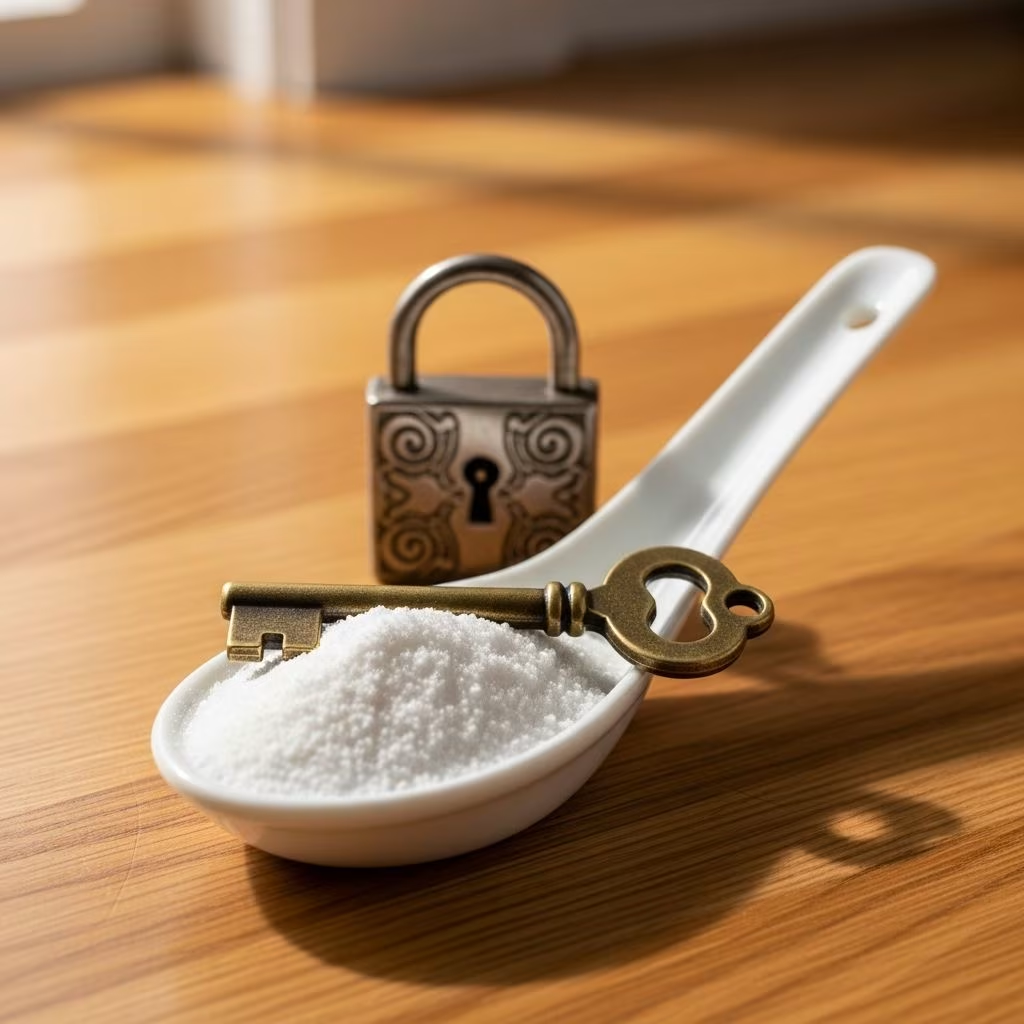
Cream of tartar stands as one of those understated ingredients that punches above its weight in the world of cooking and baking. This fine white powder, often tucked away in the spice aisle, plays a crucial role in achieving light, airy textures and stable structures in a variety of recipes. Far from being a modern invention, its story traces back thousands of years, intertwined with the art of winemaking and early culinary chemistry.
The Ancient Roots in Winemaking
At its core, cream of tartar is potassium bitartrate, a natural deposit that forms during the fermentation process in winemaking. These crystals, known as tartrates, cling to the sides of barrels and bottles as wine ages. Winemakers have encountered these deposits for over 7,000 years, initially viewing them as a nuisance before recognizing their potential.
The transformation from crude crystals to the powdered form we use today began in the mid-18th century. A Swedish chemist refined the purification process, drying the scraped crystals in furnaces, grinding them into powder, and treating portions with sulfuric acid and sodium carbonate to create a versatile product. This makes cream of tartar one of the earliest leavening agents, predating baking powder and soda by centuries.
Chemical Composition and Properties
Chemically, cream of tartar is potassium hydrogen tartrate (KC4H5O6), an acidic salt with no distinct flavor or aroma. This neutrality allows it to integrate seamlessly into sweet and savory dishes alike. Its acidity is key: it lowers pH levels, which is vital for stabilizing proteins in egg whites and cream.
In baking, it reacts with baking soda to produce carbon dioxide gas, mimicking baking powder. The reaction is: 2 KH(C4H4O6) + Na2CO3 → 2 KNaC4H4O6 + CO2 + H2O. This effervescence creates lift without leaving a soapy aftertaste, unlike some substitutes.
Primary Roles in Baking and Beyond
Cream of tartar’s superpowers shine brightest in delicate preparations. Here’s how it transforms everyday cooking:
- Stabilizing Egg Whites: When whipping egg whites for meringues, soufflés, or angel food cake, add 1/8 teaspoon per white. It prevents overbeating, maintains peaks, and ensures volume holds during baking.
- Whipped Cream Enhancement: A pinch keeps whipped cream voluminous and prevents weeping, ideal for prepping garnishes in advance.
- Leavening Boost: Combined with baking soda, it serves as an instant baking powder substitute—mix 2 parts cream of tartar to 1 part soda.
Beyond baking, it inhibits sugar crystallization in syrups for candies and icings, preserves vegetable colors when blanching, and thickens cold sauces without heat.
Substitution Guide: When You’re in a Pinch
Running low? Here’s a handy table of equivalents:
| 1 tsp Baking Powder | Substitute | |
|---|---|---|
| 2 tsp cream of tartar + 1 tsp baking soda | Mix fresh for best rise. | |
| Lemon juice or vinegar | 1/2 tsp per tsp baking powder (adjust liquid in recipe) | |
For egg white stabilization, white vinegar or lemon juice works in small amounts, but cream of tartar yields superior results due to its dry form.
Creative Recipes to Try
Fluffy Meringue Cookies
Ingredients: 4 egg whites, 1 cup sugar, 1/4 tsp cream of tartar, 1/2 tsp vanilla.
Whip whites with cream of tartar to stiff peaks, gradually add sugar and vanilla. Pipe onto sheets, bake at 200°F for 1.5 hours. Yields crisp, melt-in-mouth treats.
Stabilized Whipped Cream
Beat 1 cup heavy cream with 2 tbsp sugar and 1/8 tsp cream of tartar until peaks form. Stores in fridge up to 24 hours without separating—perfect for trifles.
Homemade Snickerdoodles
Cream 1/2 cup butter with 1 cup sugar, add 1 egg, 1/2 tsp vanilla, 1.5 cups flour, 1 tsp cream of tartar, 1/2 tsp baking soda, 1/4 tsp salt. Roll in cinnamon sugar, bake at 400°F for 8 minutes. The tartar gives signature tangy chew.
Crystal-Free Candy Syrup
For hard candies: Boil 2 cups sugar, 1 cup water, 1/8 tsp cream of tartar to 300°F. Pour into molds—no gritty textures!
Storage and Shelf Life
Store in an airtight container in a cool, dry place. It lasts indefinitely if kept moisture-free, as it’s a stable mineral salt. Check for clumping, which indicates humidity exposure—simply sift to revive.
Health and Nutritional Notes
Cream of tartar is low-calorie (about 0 per tsp) and provides trace potassium. It’s gluten-free, vegan, and suitable for most diets. In large amounts, its acidity might irritate sensitive stomachs, but culinary doses are safe.
Common Myths Debunked
- Myth: It’s just tartaric acid. Fact: It’s the potassium salt, milder and more stable.
- Myth: Interchangeable with cornstarch. Fact: Cornstarch thickens via starch gelatinization; cream of tartar acidifies.
- Myth: Only for sweets. Fact: It shines in savory vegetable prep too.
Frequently Asked Questions (FAQs)
What exactly is cream of tartar made from?
It’s purified potassium bitartrate crystals scraped from wine barrels, processed into powder.
Can I skip it in recipes?
Often yes, but expect less stable foams or rise. Substitutes work but alter texture slightly.
Is it the same as tartaric acid?
No—tartaric acid is more potent; cream of tartar is its buffered salt form.
How much for meringue?
1/8 tsp per egg white, added at soft peak stage.
Does it expire?
No true expiration, but efficacy drops if exposed to moisture.
Advanced Techniques for Pros
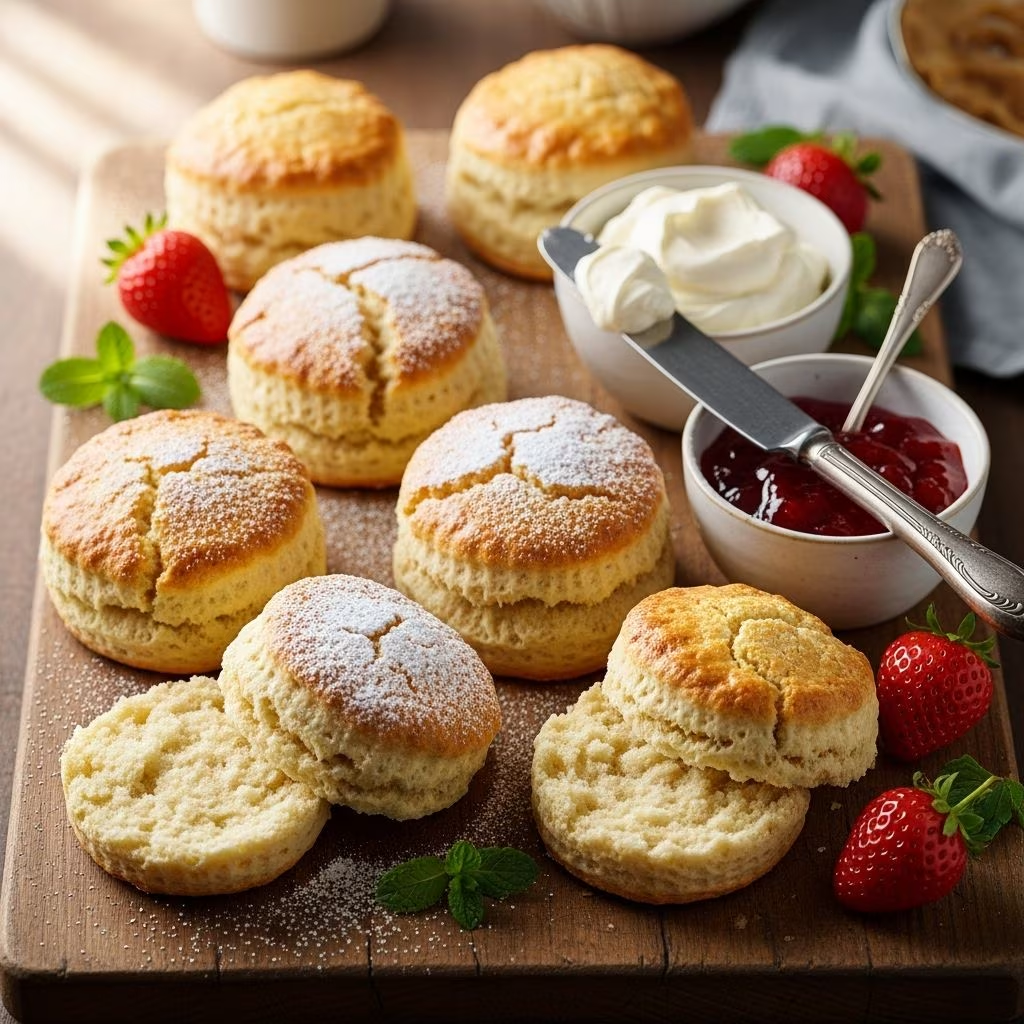
Experiment with Italian meringue: Stabilize with cream of tartar before adding hot sugar syrup for foolproof pavlovas. In candy making, it controls nucleation for smoother fudges. For biscuits, sift with dry ingredients for tender, high-rise results.
In molecular gastronomy, it aids spherification by fine-tuning acidity for sodium alginate gels.
Pairing with Other Leaveners
While versatile solo, it amplifies baking powder (often an ingredient itself). Use in tandem for double-acting lifts: initial release at mixing, second at heat.
Sourcing and Cost Tips
Affordable at $2-5 per ounce, buy in bulk for savings. Look for pure potassium bitartrate—avoid blends unless specified.
In summary, cream of tartar elevates from obscure to indispensable. Its winemaking legacy fuels modern miracles in your kitchen, ensuring every bake soars. Stock up and experiment—the results will transform your cooking game.
References
- What is Cream of Tartar? – Painless Cooking — Painless Cooking. Accessed 2026. https://www.painlesscooking.com/what-is-cream-of-tartar.html