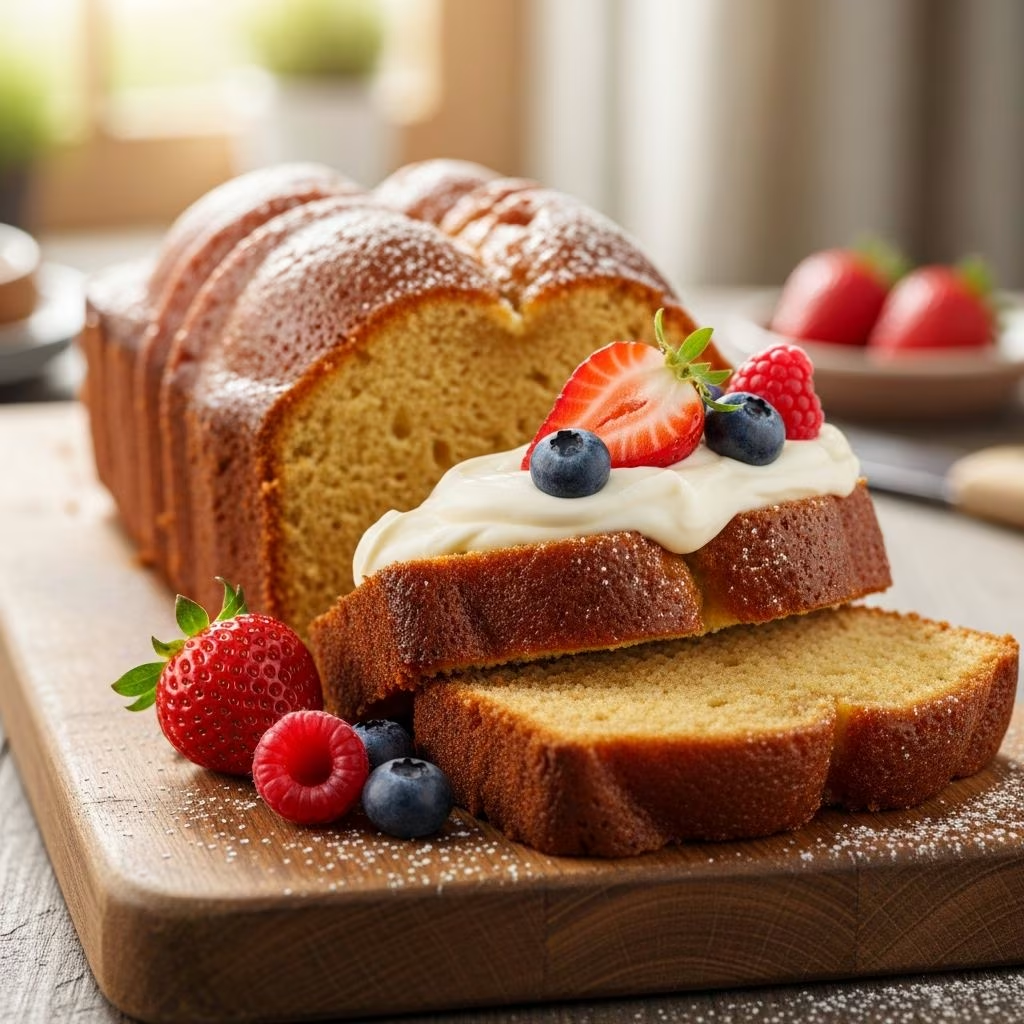
Indulge in the timeless delight of cream cheese pound cake, a dessert that combines buttery richness with a tender, moist crumb. This classic treat elevates simple ingredients into something extraordinary, making it a staple for gatherings, holidays, or everyday cravings. Unlike traditional pound cakes, the addition of cream cheese ensures exceptional moisture and flavor depth, preventing the common pitfall of dryness.
Why Cream Cheese Makes All the Difference
The magic of cream cheese pound cake lies in its namesake ingredient. Full-fat, brick-style cream cheese adds fat and acidity, which tenderizes the batter and locks in moisture during baking. This results in a dense yet velvety texture that stays fresh for days. Bakers praise it for its ability to create lift without chemical leaveners in many recipes, relying instead on prolonged creaming to incorporate air.
Historically rooted in Southern baking traditions, this variation evolved from the original pound cake—equal parts flour, sugar, butter, and eggs—to incorporate cream cheese for superior results. Its subtle tang balances the sweetness, making each slice irresistible.
Essential Ingredients for Success
Gathering the right components is crucial. Here’s a breakdown of what you’ll need for a standard 10-12 cup bundt pan recipe, scalable for variations:
- Butter (1.5-3 cups unsalted, room temperature): Provides structure and rich flavor. European-style high-fat butter enhances tenderness.
- Cream Cheese (8 oz full-fat block, softened): The star—never use whipped or low-fat versions, as they alter texture.
- Sugar (2.5-3 cups granulated): Sweetens and aids in creaming for air incorporation.
- Eggs (5-6 large, room temperature): Bind the batter; add one at a time for emulsion.
- Flour (3 cups all-purpose or cake flour, sifted): Cake flour yields a finer crumb.
- Flavorings (1-2 tsp vanilla, optional almond extract): Elevate taste without overpowering.
- Optional Add-Ins: Pinch of salt, baking powder/soda (1/8-1/4 tsp for lift), sour cream or oil (2 Tbsp-1/3 cup for extra moisture).
| Ingredient | Standard Amount | Role | Pro Tip |
|---|---|---|---|
| Butter | 1.5 cups | Richness & Structure | Soften to 65-70°F |
| Cream Cheese | 8 oz | Moisture & Tang | Full-fat block only |
| Sugar | 3 cups | Sweetness & Aeration | Granulated for creaming |
| Eggs | 6 large | Binding & Lift | Room temp to prevent curdling |
| Flour | 3 cups | Structure | Sift to avoid density |
Mastering the Mixing Technique
Precision in mixing separates great pound cakes from the rest. Start with a cool oven (300-325°F) to bake low and slow, promoting even cooking and a crack-free top.
- Prep the Pan: Generously grease a bundt or tube pan with butter/shortening, then flour or use baking spray. Brushing melted butter ensures no sticking.
- Cream Fats: Beat butter and cream cheese on high for 1-2 minutes until smooth. Add sugar gradually, creaming 5-7 minutes until pale and fluffy. This builds structure via air pockets.
- Incorporate Eggs: Add one at a time, beating 30 seconds each on medium-high. Scrape sides frequently for even distribution.
- Add Dry Ingredients: Sift flour (and leavener if using) over batter. Fold gently by hand or low speed to preserve air—overmixing toughens the crumb.
- Flavor and Rest: Stir in extracts. Let batter sit 10-15 minutes for starch hydration.
Batter should be thick, ribbon-like, and pale yellow. Pour into pan, tap to release bubbles, and bake 75-90 minutes until golden and a tester comes out clean.
Perfect Baking and Cooling Methods
Oven temperature is key: 300°F yields a denser cake; 325°F for slightly lighter. Avoid opening the door early to prevent sinking. Cool in pan 15-20 minutes on a rack, then invert onto a plate. Full cooling prevents gumminess.
Common issues? Cracks indicate high heat or overbeating; sunken center from underbaking or drafts. A crispy crust forms from sugar caramelization—embrace it for texture contrast.
Flavor Variations to Try
Customize your cake for any occasion:
- Lemon Cream Cheese Pound Cake: Add 1 Tbsp lemon zest and 2 Tbsp juice to batter; glaze with lemon icing.
- Chocolate Swirl: Fold in 1/2 cup melted chocolate or swirl through half the batter.
- Sour Cream Boost: Swap 1/3 cup sour cream for part of butter for tangier moisture.
- Nutty Addition: Mix in 1 cup chopped pecans or almonds.
- Fruit-Infused: Fold in blueberries or swirl strawberry puree.
For gluten-free, substitute 1:1 flour blend. Reduce sugar slightly for fruit versions to balance sweetness.
Storage and Freezing Tips
Store wrapped tightly at room temp for 3 days, refrigerate up to a week (bring to room temp before serving), or freeze slices up to 3 months. Thaw overnight for best texture.
Serving Suggestions That Wow
Serve plain for purity, or elevate: strawberry shortcake-style with whipped cream and berries; alongside ice cream; or drizzled with ganache. Pairs perfectly with coffee or as a base for trifles.
Troubleshooting Common Problems
| Issue | Cause | Solution |
|---|---|---|
| Dry Cake | Overbaking/Low-fat dairy | Bake to 200°F internal temp; use full-fat |
| Sunken Center | Undermixing eggs/Door opened | Beat thoroughly; stable oven |
| Gummy Texture | Underbaking/Not cooled properly | Extend bake time; cool fully |
| Sticking | Poor greasing | Flour after greasing; chill pan |
Nutrition and Dietary Notes
A slice (1/12th) offers about 400-500 calories, rich in fats from butter and cheese. For lighter versions, reduce butter by 1/4 cup oil substitute. Not keto-friendly due to flour, but almond flour adaptations exist.
Frequently Asked Questions (FAQs)
Can I use salted butter?
Yes, but omit added salt to avoid over-salting.
Why low baking temperature?
It ensures even cooking and moisture retention without cracking.
Substitute for cream cheese?
Sour cream works but alters flavor; stick to full-fat for best results.
Bundt vs. loaf pan?
Bundt for even baking; loaf needs adjusted time and foil tenting.
How to get a crack-free top?
Lower oven 25°F or bake in water bath for humidity.
With these techniques, your cream cheese pound cake will impress every time. Experiment confidently—baking is as much art as science.
References
- Cream Cheese Pound Cake – Sugar Spun Run — Sugar Spun Run. Accessed 2026. https://sugarspunrun.com/cream-cheese-pound-cake/
- Cream Cheese Pound Cake Recipe – Grandbaby Cakes — Grandbaby Cakes. Accessed 2026. https://grandbaby-cakes.com/cream-cheese-pound-cake-recipe/
- Southern Cream Cheese Pound Cake (Old Fashioned) — Not Entirely Average. Accessed 2026. https://notentirelyaverage.com/cream-cheese-pound-cake-recipe/
- Cream Cheese Pound Cake – Southern Bite — Southern Bite. Accessed 2026. https://southernbite.com/cream-cheese-pound-cake/
- Sour Cream Cream Cheese Pound Cake — Whip It Like Butter. Accessed 2026. https://whipitlikebutter.com/sour-cream-cream-cheese-pound-cake/
- Perfect Cream Cheese Pound Cake — Sally’s Baking Addiction. Accessed 2026. https://sallysbakingaddiction.com/cream-cheese-pound-cake/