Mashed potatoes have long been a staple of comfort food across countless dinner tables and holiday celebrations. Yet when you infuse this classic side dish with cream cheese, you unlock an entirely new dimension of flavor and texture. The tangy richness of cream cheese transforms ordinary mashed potatoes into something truly extraordinary—a dish that feels both familiar and indulgent. This guide walks you through every aspect of creating mashed potatoes that are creamy, smooth, and absolutely memorable.
Understanding the Magic of Cream Cheese in Mashed Potatoes
The addition of cream cheese to mashed potatoes serves multiple culinary purposes. Unlike butter alone, cream cheese contributes both fat and a subtle tanginess that deepens the overall flavor profile. It creates a naturally velvety texture without requiring excessive liquid, and it helps the potatoes hold their consistency longer, making it ideal for dishes that need to sit on a buffet or table for extended periods. The cream cheese essentially acts as a flavor enhancer and textural component that elevates the dish beyond the ordinary.
Selecting the Right Potatoes for Your Dish
The foundation of exceptional mashed potatoes begins with choosing the correct potato variety. Russet potatoes remain the most popular choice for this purpose, offering high starch content that yields naturally fluffy results. Their neutral flavor profile allows the cream cheese and butter to shine without competing flavors. Yukon Gold potatoes present another excellent alternative, delivering a slightly waxy texture and buttery undertones that complement the cream cheese beautifully. The choice between these varieties depends on your preferred texture—Russets produce lighter, fluffier potatoes, while Yukon Golds create a creamier consistency naturally.
Regardless of which variety you select, ensure your potatoes are relatively uniform in size. This promotes even cooking and prevents the situation where some pieces become mushy while others remain firm.
Essential Ingredients and Their Roles
Creating exceptional cream cheese mashed potatoes requires understanding what each ingredient contributes to the final result:
- Potatoes (3½ to 5 pounds): The primary ingredient that determines texture and volume. The quantity depends on your serving size and desired consistency.
- Cream Cheese (8 ounces): Provides richness, tanginess, and helps achieve that signature velvety texture. Always use brick-style Philadelphia cream cheese rather than spreadable varieties for best results.
- Butter (½ to 1 stick): Adds richness and contributes to the smooth mouthfeel. Room temperature butter incorporates more easily than cold butter.
- Milk or Heavy Cream (½ to 1 cup): Adjusts consistency to your preference. Warm liquid incorporates more smoothly and helps prevent lumps.
- Seasonings (salt and pepper): Enhance natural potato flavor. Start conservatively and adjust to taste, as you cannot remove excess salt.
- Optional additions (garlic powder, fresh chives): These can elevate flavor depending on your desired final taste profile.
Preparation: Setting Yourself Up for Success
Proper preparation is essential for smooth execution. Begin by peeling your potatoes under cool running water. Cut them into uniform 1-inch cubes or similar-sized pieces to ensure even cooking. Place the prepared potatoes in a large stockpot and cover them completely with cold water by approximately one inch.
Add about a tablespoon of salt to the water—this seasons the potatoes from within and prevents them from absorbing excess water during cooking. Bring the pot to a boil over high heat, then reduce the heat to maintain a gentle simmer. Cook for 15 to 20 minutes until the potatoes become tender enough to pierce easily with a fork or butter knife.
While the potatoes cook, prepare your other ingredients. Remove your cream cheese and butter from the refrigerator to reach room temperature, as this significantly improves their ability to incorporate smoothly into the warm potatoes. Additionally, warm your milk or cream in the microwave or on the stove. Warm liquid mixes more easily with the potatoes and prevents the temperature from dropping too much when combined.
Cooking Methods: Finding Your Preferred Technique
The Hand Masher Approach
This traditional method offers simplicity and control. After draining the cooked potatoes thoroughly, return them to the warm pot or transfer to a large mixing bowl. Add the room-temperature cream cheese, butter, warm milk, and seasonings. Using a sturdy potato masher, begin breaking down the potatoes with firm, deliberate strokes. Work gradually, adding milk in small increments to achieve your desired consistency. This method allows you to feel the texture developing and stop before over-working the potatoes.
The Electric Mixer Method
An electric hand mixer or stand mixer creates exceptionally smooth results in less time. Return the drained potatoes to the warm pot or mixer bowl. Add all ingredients starting with half the liquid. Begin mixing on low to medium-low speed, being careful not to over-mix. Potatoes contain high starch content, and excessive mixing releases this starch, transforming your creation into a gluey paste. Mix until just combined and smooth, then adjust consistency by adding the remaining milk gradually. Use a wooden spoon to stir in any final adjustments by hand to prevent over-mixing.
The Ricer Technique
For the silkiest possible texture, a potato ricer eliminates virtually all lumps before any mixing occurs. Work in batches, pressing cooked potatoes through the ricer into your warm pot. Layer the softened, cubed cream cheese between batches of riced potatoes, allowing it to soften and incorporate naturally from the residual heat. Once all potatoes are riced, gently stir in melted butter, pepper, and warm milk using a wooden spoon or rubber spatula until everything combines. This method requires no additional mixing, reducing the risk of over-working the potatoes.
Achieving the Perfect Consistency
The texture of your mashed potatoes depends on personal preference and the dish’s purpose. Some people prefer thick, chunky potatoes with visible texture, while others desire perfectly smooth, silky results. The key to achieving your preferred consistency is adding liquid gradually rather than all at once.
Begin with half the recommended milk or cream, then assess the texture. Add the remaining liquid in small increments—perhaps just a quarter cup at a time—until you reach the ideal consistency. Remember that potatoes continue to absorb liquid as they cool, so slightly looser consistency when hot will firm up somewhat as they sit. If you accidentally make them too thin, you cannot easily remedy this without adding more potatoes or starches.
Seasoning: Enhancing Natural Flavors
Proper seasoning transforms good mashed potatoes into exceptional ones. Start with the salt and pepper suggested in the recipe, but always taste before serving. The cream cheese adds a subtle saltiness, so this should influence your salt adjustment. Freshly ground black pepper adds complexity that pre-ground varieties cannot match.
Consider optional flavor additions like garlic powder for depth, fresh or dried chives for brightness, or a pinch of nutmeg for subtle warmth. These additions should enhance rather than dominate the natural potato and cream cheese flavors. Add any optional seasonings gradually, tasting as you go, since you cannot remove them once added.
Making Ahead and Storage Considerations
Cream cheese mashed potatoes adapt well to advance preparation. Complete all preparation steps up to the final mixing. Transfer the combined potatoes to a baking dish, cover with foil, and refrigerate until ready to serve—typically up to two days ahead. When ready to serve, reheat in a 350°F oven for approximately 30 minutes until heated through, or reheat on the stovetop over low heat, stirring frequently and adding a small amount of warm milk if they’ve become too thick during storage.
Properly stored mashed potatoes keep in the refrigerator for three to four days. They do not freeze well due to their dairy content, which can result in a separated, grainy texture after thawing.
Serving and Presentation Ideas
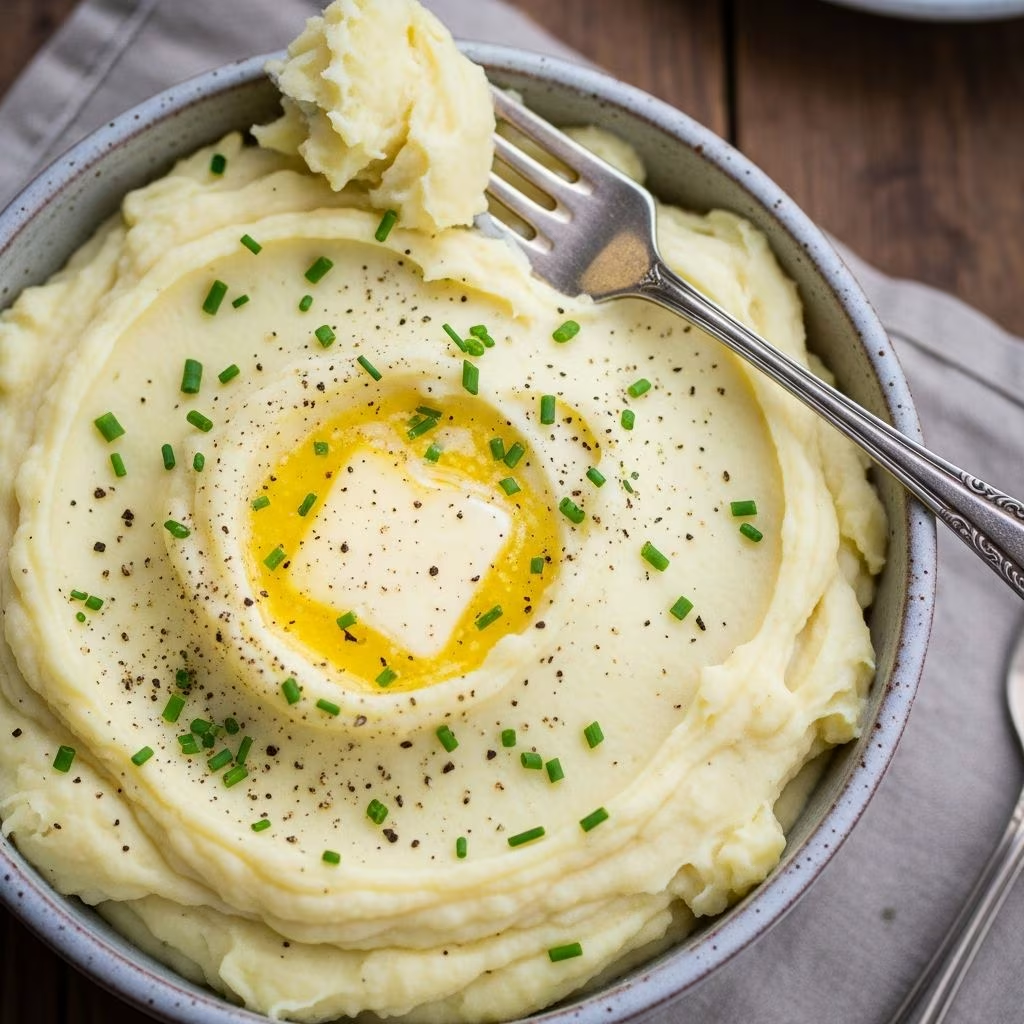
Transfer your finished mashed potatoes to a serving bowl and crown with a generous pat of butter. Fresh herbs like chives, parsley, or dill add visual appeal and complementary flavors. A light dusting of freshly ground pepper provides sophistication. Serve immediately while still hot for the best texture and flavor impact.
These mashed potatoes pair beautifully with roasted meats, grilled fish, and hearty vegetables. Their rich, creamy nature makes them particularly suited to dishes with sauce or gravy.
Common Mistakes to Avoid
Understanding what goes wrong helps you achieve perfect results. Over-mixing activates potato starches, creating a gluey consistency. Stop mixing as soon as the potatoes reach the desired smoothness. Using cold cream cheese and butter requires extensive mixing for incorporation, increasing the risk of over-working. Always bring dairy products to room temperature first. Adding all liquid at once prevents you from achieving your ideal consistency. Add liquid gradually for complete control. Peeling potatoes and letting them sit before cooking allows them to absorb excess water. Peel immediately before cooking for the best texture.
Troubleshooting Your Results
| Problem | Possible Cause | Solution |
|---|---|---|
| Gluey texture | Over-mixing or cold cream cheese | Stop mixing once smooth; always use room temperature dairy |
| Lumpy consistency | Inadequate cooking or improper mixing | Ensure potatoes are fully tender; use a ricer for smoother results |
| Too thin | Excess liquid added | Cook longer uncovered to evaporate liquid, or refrigerate overnight |
| Lacks flavor | Insufficient seasoning | Gradually add more salt, pepper, and optional garlic powder |
Frequently Asked Questions
Can I use store-bought mashed potatoes as a base?
While technically possible, starting from scratch produces significantly superior results. Store-bought versions contain additives and have already been processed, limiting your ability to control texture and flavor.
What if I don’t have a mixer or ricer?
A simple hand masher works perfectly for creating mashed potatoes. The process takes slightly longer but offers complete control over consistency and helps prevent over-mixing.
Can I substitute sour cream for cream cheese?
Yes, sour cream creates a different but equally delicious result. It produces a tangier flavor profile and slightly different texture. Use the same quantity as you would cream cheese, or adjust to taste.
How do I reheat mashed potatoes without them becoming dry?
Reheat gently on the stovetop over low heat, stirring frequently and adding warm milk or cream as needed. Avoid microwaving, which creates hot spots and can dry out the potatoes.
Are these potatoes suitable for freezing?
Mashed potatoes with dairy products do not freeze well due to separation and texture changes upon thawing. Refrigerate for up to four days instead.
What potato varieties work best for this recipe?
Russet and Yukon Gold potatoes are ideal. Russets produce fluffier results, while Yukon Golds create a naturally creamier texture.
Conclusion: Elevating Your Dinner Table
Mashed potatoes enhanced with cream cheese represent the perfect marriage of comfort and sophistication. By following these guidelines and understanding the role of each ingredient and technique, you can create mashed potatoes that impress at any gathering. The subtle tanginess of cream cheese, combined with the richness of butter and the natural earthiness of potatoes, creates a side dish that stands confidently beside any main course. With practice, you’ll develop an intuition for consistency and seasoning, allowing you to customize this recipe to your exact preferences. These potatoes aren’t just side dishes—they’re a canvas for culinary creativity and a testament to how small ingredient additions can transform a beloved classic into something extraordinary.
References
- Ultimate Creamy Mashed Potatoes (with Cream Cheese) — Kitchen Treaty. 2024. https://www.kitchentreaty.com/best-ever-mashed-potatoes/
- Cream Cheese Mashed Potatoes — The Salty Marshmallow. 2024. https://thesaltymarshmallow.com/cream-cheese-mashed-potatoes/
- Cream Cheese Mashed Potatoes — Striped Spatula. 2024. https://stripedspatula.com/cream-cheese-mashed-potatoes/
- Potato Cookery and Nutrition — United States Department of Agriculture. 2023. https://www.usda.gov/
- Food Science Principles in Cooking — American Culinary Federation Educational Institute. 2023. https://www.acfchefs.org/