Cranberry salad has become a staple on holiday tables across North America, offering a delightful balance of tart and sweet flavors that complement traditional festive meals. Whether you prefer a light, greenery-based composition or a creamy, marshmallow-studded creation, cranberry salads provide versatile options for both contemporary and nostalgic gatherings. These recipes can be prepared hours or even days in advance, making them an ideal choice for busy hosts who want to minimize last-minute kitchen stress.
Understanding Cranberry Salad Variations
Cranberry salad encompasses a broader category of dishes than many home cooks realize. Modern interpretations include fresh green salads topped with dried cranberries and nuts, while traditional recipes feature cranberries as the primary component, combined with gelatin, whipped cream, or both. Some regional variations incorporate fresh fruit like apples, pineapple, and grapes, while others emphasize creamy textures through the addition of marshmallows and whipped dairy products. Understanding these distinctions helps you select a recipe that matches your culinary preferences and dietary needs.
The Classic Make-Ahead Cranberry Fluff
One of the most beloved versions in American households is what many Midwest residents call “Cranberry Fluff.” This recipe begins with fresh cranberries that are chopped and sweetened with granulated sugar, then combined with crushed pineapple, walnuts, and miniature marshmallows. The mixture is folded into whipped heavy cream, creating a light, airy consistency that develops deeper flavor complexity as it refrigerates for 24 to 48 hours before serving. The beauty of this approach lies in its make-ahead convenience—the flavors meld during chilling, and the marshmallows gradually soften into the creamy base, resulting in a perfectly textured dish that tastes better the next day than when first prepared. This version serves double duty as both a side dish and a light dessert, making it particularly valuable for holiday menus where space is limited.
Fresh and Elegant Green Salad Approach
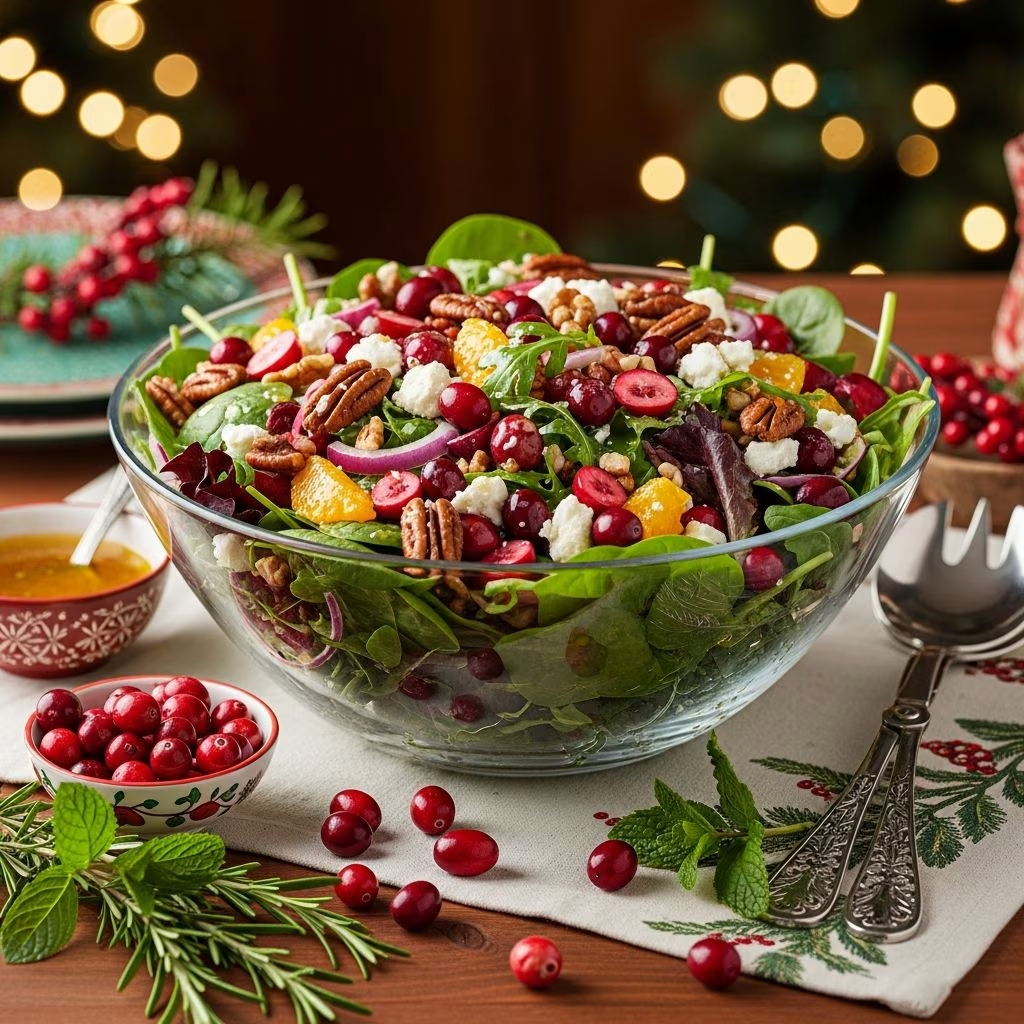
For those seeking a lighter, more contemporary presentation, fresh green salad compositions featuring cranberries offer sophisticated alternatives. These salads typically combine mixed salad greens with dried cranberries, toasted pecans, and tangy goat cheese, complemented by a simple vinaigrette. The dressing for these compositions often includes extra virgin olive oil, Dijon mustard, and fresh citrus juice—either lemon or lime—creating brightness that enhances the cranberries’ natural acidity. The contrast between tender greens, creamy cheese, crunchy nuts, and tart-sweet cranberries creates a multi-textured experience that appeals to modern palates while remaining accessible enough for traditional holiday tables.
Incorporating Fresh Cranberries and Complementary Fruits
Fresh cranberries pair exceptionally well with other fruits, particularly apples, grapes, and pineapple. When fresh cranberries are processed until coarsely chopped and then macerated with sugar for at least two hours, they develop a bright, jewel-like appearance and concentrated flavor. This prepared cranberry base can be combined with diced Granny Smith apples, which provide crisp texture and subtle tartness that doesn’t overpower the cranberries. Halved grapes add sweetness and juiciness, while walnuts or pecans contribute necessary crunch and richness. When these components are combined without gelatin and simply folded together with whipped cream, the result is a lighter texture than traditional gelatin-based versions, yet still substantial enough to serve as a meaningful side dish.
Gelatin-Based Traditional Recipes
The gelatin-based cranberry salad represents a classic preparation method that remains popular, particularly in multigenerational households. These recipes typically start with a 6-ounce package of flavored gelatin—most commonly raspberry, cherry, or strawberry—dissolved in boiling water. Canned whole berry cranberry sauce is broken into smaller pieces and added to the gelatin mixture along with canned pineapple (juice included), chopped pecans or walnuts, and mandarin oranges. The entire composition is then poured into a serving bowl and refrigerated until set. This approach produces a firm yet tender texture that slices cleanly and maintains its shape throughout serving. The advantage of this method is its simplicity and the fact that it requires no special equipment or technique—even novice cooks can produce reliable results.
Preparation and Timing Strategies
One of the greatest advantages of cranberry salads is their exceptional make-ahead capability. Most cranberry salad recipes benefit from advance preparation, as the flavors continue to develop and marry during refrigeration. Cranberry Fluff recipes taste noticeably better when prepared 24 to 48 hours before serving, as the marshmallows soften and integrate more completely with the whipped cream, and the cranberry flavor becomes more mellow and rounded. For layered salads featuring separate components, preparing each element independently up to one day in advance prevents sogginess—the chopped cranberry mixture and apple-walnut combination can be stored in separate covered containers, then combined with fresh romaine lettuce only on the day of serving. For gelatin-based versions, allow a minimum of four hours for setting, though overnight refrigeration is preferable. This flexibility allows hosts to complete significant portions of their holiday meal preparation in advance, reducing stress on serving day.
Ingredient Selection and Substitutions
While traditional cranberry salad recipes provide clear guidelines, understanding ingredient flexibility helps accommodate different preferences and dietary restrictions. Fresh cranberries are ideal for maximum flavor control and tartness, but frozen cranberries work equally well when thawed. Dried cranberries offer convenience and slightly different flavor characteristics, with a more concentrated sweetness. For nuts, walnuts and pecans are traditional choices, though almonds or pecans can be substituted based on preference or allergy considerations. Regarding dairy elements, whipped heavy cream is the standard for creamy versions, but whipped coconut cream provides a dairy-free alternative without significantly altering flavor profile. Sugar quantity can be adjusted based on preference for tartness or sweetness—reducing sugar creates more pronounced cranberry tanginess, while increasing it appeals to those with sweeter preferences.
Dressing and Flavor Enhancement Options
For green salad versions, dressing composition dramatically influences overall flavor. A classic vinaigrette using extra virgin olive oil, Dijon mustard, and fresh citrus juice creates brightness that complements cranberries beautifully. The proportion of oil to acid should typically lean toward more acid than traditional vinaigrettes, accounting for the natural sweetness of the cranberries. Some recipes incorporate maple syrup or golden syrup into dressings, creating subtle sweetness that balances acidity without overwhelming the palate. For those preferring cream-based salads, the whipped cream base typically remains unsweetened or only lightly sweetened, allowing the other ingredients—particularly the cranberries—to provide the primary flavor notes.
Nutritional Considerations and Health Benefits
Cranberries contribute valuable nutritional elements to any salad composition. These tart berries contain significant amounts of vitamin C and antioxidants, supporting immune function and overall wellness. Fresh cranberries provide dietary fiber when consumed whole, though processing them into sauce reduces fiber content somewhat. When nuts are included—whether pecans, walnuts, or others—they contribute healthy monounsaturated fats, protein, and additional vitamin E. The combination of fresh fruit, nuts, and in some versions whipped cream, creates a nutritionally balanced side dish that provides satisfaction without excessive calories. Those monitoring sugar intake should be aware that traditional recipes often contain substantial sugar, both from added granulated sugar and from pineapple and other fruit components, though the cranberries themselves remain relatively low in sugar compared to other fruits.
Serving Suggestions and Presentation
Cranberry salads work effectively across multiple service contexts. Traditional creamy versions can be unmolded from their serving bowl for dramatic presentation, or served directly from their prepared container for casual settings. Green salad versions benefit from immediate assembly to maintain crispness of greens, though dressing can be prepared several hours in advance. For buffet-style service, cranberry salads hold up well during extended exposure, particularly gelatin-based or creamy versions, making them ideal for large gatherings. Portion size varies by version—lighter green salads typically serve as standard salad portions, while creamy versions function as either side dishes or desserts depending on portion size offered. Most recipes yield 8 to 10 servings, making them appropriate for family gatherings or small dinner parties.
Common Questions About Cranberry Salads
Can cranberry salad be frozen?
Most cranberry salads freeze successfully, particularly gelatin-based versions, which maintain their texture well through freezing and thawing. Cream-based versions may experience slight separation of liquid, but the overall composition remains acceptable. Frozen cranberry salads should be thawed in the refrigerator overnight before serving.
How long do cranberry salads keep in the refrigerator?
Properly covered cranberry salads typically maintain quality for 3 to 5 days when refrigerated. Cream-based versions should be consumed within this timeframe, while gelatin-based versions may last slightly longer. Always store covered to prevent absorption of other refrigerator odors.
What if my cranberry salad seems too tart?
Tartness can be adjusted by increasing the amount of sugar added during initial preparation, or by adding additional sweetened components like marshmallows or sweetened pineapple. For future batches, reduce the fresh cranberry quantity or increase other sweeter components.
Can I make cranberry salad without gelatin?
Absolutely. Cream-based versions using whipped cream as the binding agent work beautifully and avoid gelatin entirely. These provide a lighter texture and are suitable for vegetarian or those avoiding gelatin.
Conclusion: Embracing Cranberry Salad Versatility
Cranberry salads represent a uniquely flexible category of dishes that accommodate both traditional and contemporary tastes while offering exceptional make-ahead convenience. Whether you prefer the bright, tart freshness of a green salad composition, the nostalgic comfort of a creamy marshmallow-studded version, or the structured elegance of a gelatin-based creation, cranberry salads deliver memorable flavors that enhance holiday meals and year-round celebrations. The recipes’ simplicity, combined with their flexibility regarding ingredients and preparation timing, makes them accessible to cooks of varying skill levels while remaining impressive enough for formal occasions.
References
- Easy Green Salad with Cranberries and Pecans — Urban Farmie. https://urbanfarmie.com/easy-cranberry-salad-with-pecans/
- Cranberry Apple Salad — The Floating Kitchen. https://www.floatingkitchen.net/cranberry-apple-salad/
- Millionaire Cranberry Salad — Spend With Pennies. https://www.spendwithpennies.com/cranberry-millionaire-salad/
- Mom’s BEST (Simple) Cranberry Salad — Food for a Year. https://foodforayear.com/2014/11/moms-simple-cranberry-salad/
- Cranberry Salad with Grapes and Walnuts — Reluctant Entertainer. https://reluctantentertainer.com/best-fresh-cranberry-grape-walnut-salad/
- Best Cranberry Salad Ever — Good Dinner Mom. https://gooddinnermom.com/best-cranberry-salad-ever/