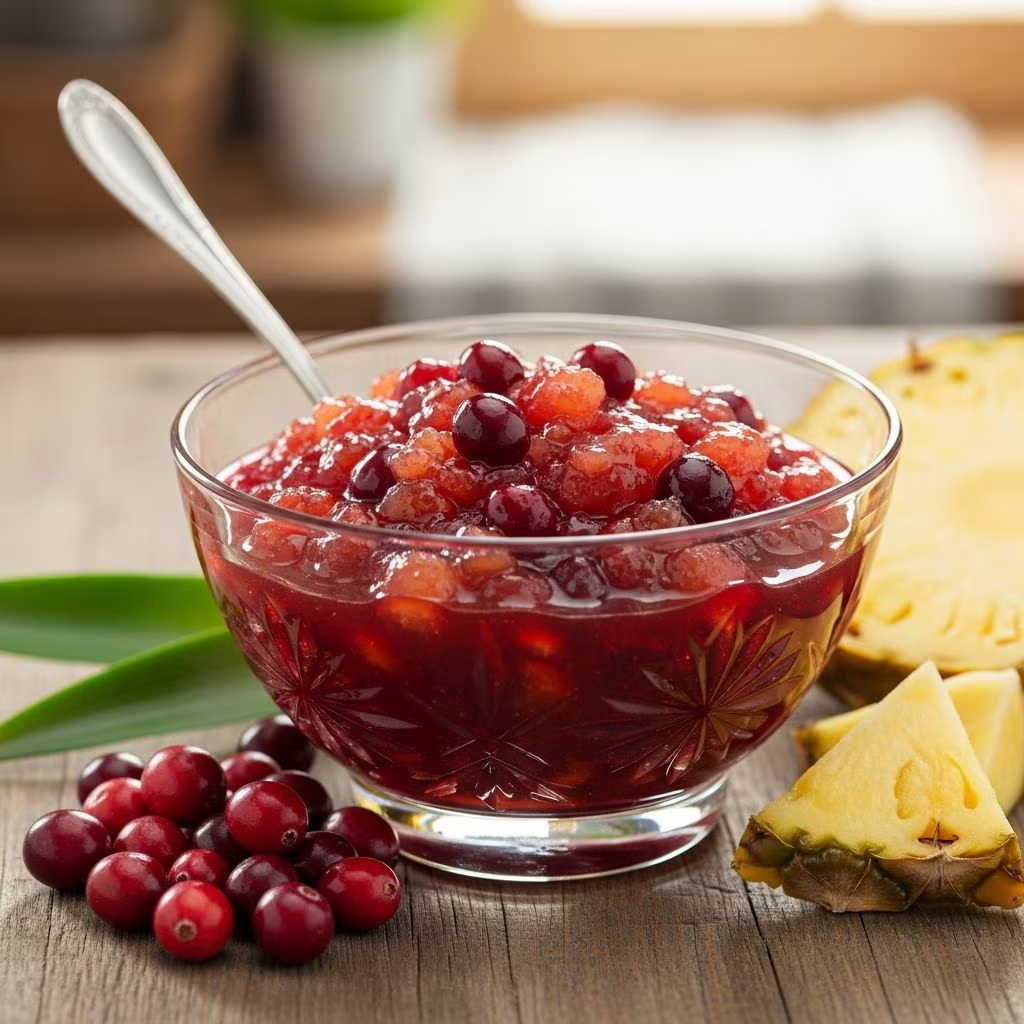
Cranberry sauce has long been a staple on holiday tables, providing a tart and vibrant complement to festive meals. When you combine fresh cranberries with the tropical sweetness of pineapple, you create a sophisticated sauce that balances flavor complexity with accessibility. This guide walks you through every aspect of preparing this delightful condiment, from selecting quality ingredients to mastering cooking techniques and exploring creative variations.
Understanding Your Core Ingredients
The foundation of exceptional cranberry pineapple sauce begins with thoughtful ingredient selection. Each component plays a crucial role in developing the final flavor profile and texture.
Fresh Cranberries: The Foundation
Fresh cranberries provide the distinctive tartness that defines this sauce. A standard 12-ounce package supplies sufficient berries for most recipes, creating a batch that serves approximately 8-12 people depending on portion size. When shopping for cranberries, look for those that are firm, glossy, and deeply colored. Before cooking, rinse the berries thoroughly under cold water and carefully sort through them, discarding any that appear soft, wrinkled, or damaged. If fresh cranberries are unavailable, frozen varieties work equally well—simply thaw them completely before incorporating them into your sauce.
Pineapple: Adding Tropical Dimension
Pineapple transforms this sauce into something extraordinary. Whether using canned crushed pineapple or fresh pineapple that you prepare yourself, this ingredient adds natural sweetness and subtle tropical notes that beautifully complement cranberry’s inherent tartness. Canned crushed pineapple offers convenience and consistency, while fresh pineapple provides a more rustic texture. If using canned pineapple, resist the urge to drain it completely—the natural juices contribute essential moisture and subtle flavor to your sauce.
Citrus Juice: The Flavor Catalyst
Orange juice serves as more than a mere liquid component. Its natural acidity and bright flavor profile enhance both the cranberry and pineapple notes, creating a well-rounded taste experience. Typically, recipes call for between one-quarter and one-half cup of fresh orange juice, though some variations use more for additional citrus emphasis. Fresh-squeezed juice delivers superior flavor compared to bottled alternatives.
Sweetening Agents: Finding Balance
Sugar acts as a counterbalance to the natural tartness of cranberries. Most recipes incorporate between two tablespoons and one full cup of granulated sugar, depending on your desired sweetness level and the sweetness intensity of your pineapple product. Some contemporary recipes reduce sugar content significantly or substitute brown sugar, coconut sugar, or other alternatives for different flavor dimensions.
Essential Spices and Flavor Enhancements
While basic cranberry pineapple sauce requires only four fundamental ingredients, strategic spice additions can elevate the sauce from simple to spectacular.
- Ground Cinnamon: Provides warmth and subtle sweetness that enhances both fruit components. A quarter to half teaspoon typically suffices.
- Fresh Ginger: Adds complexity and gentle heat. Fresh minced ginger brings more vibrancy than ground varieties.
- Whole Cloves: Contribute sophisticated depth and spice notes when added during cooking.
- Orange Zest: Brightens the finished sauce with concentrated citrus flavor and visual appeal.
Step-by-Step Cooking Instructions
Preparation Phase
Begin by gathering all ingredients and arranging them near your cooking station. Select a medium-sized saucepan—preferably one with a non-reactive surface if you’re working with acidic ingredients. Non-reactive cookware prevents any metallic aftertaste that might otherwise develop during extended contact with acidic fruits.
Initial Combination and Heating
Combine your orange juice and sugar in the saucepan, placing it over medium-high heat. If you’re including pineapple juice or additional liquid components, add them now. Stir continuously until the sugar completely dissolves, which typically requires one to two minutes. This ensures even sweetness distribution throughout your sauce.
Bringing to a Boil
Once the liquid mixture reaches a rolling boil, add your prepared cranberries and pineapple. Stir well to ensure all berries make contact with the hot liquid. The cranberries will quickly begin releasing their natural juices and pectin, which acts as a natural thickening agent. You’ll notice the mixture returning to a boil within moments.
Simmering to Completion
Reduce the heat to low or medium-low, maintaining a gentle simmer rather than an aggressive boil. This controlled cooking environment allows the cranberries to pop gradually and release their flavors and thickening properties without breaking down excessively. Simmer for approximately 10-15 minutes, stirring occasionally to prevent sticking. Most cranberries will have burst by the end of this period, and the mixture will begin visibly thickening.
Cooling and Final Setting
Remove your sauce from heat and allow it to cool at room temperature. This resting period is crucial—the sauce continues thickening as it cools, developing the characteristic jelly-like consistency that makes cranberry sauce so appealing. For maximum thickness, transfer the cooled sauce to a serving bowl and refrigerate for several hours or overnight before serving.
Texture Development and Thickening Science
The natural thickening that occurs in cranberry pineapple sauce results from pectin, a naturally occurring compound in cranberries. This substance forms a gel-like structure as the fruit cooks and cools, creating the signature texture without requiring cornstarch or other commercial thickeners. The longer your sauce sits in the refrigerator, the thicker it becomes. Most recipes recommend preparing sauce a day or two before serving to allow complete thickening and flavor development.
Versatile Flavor Variations
Incorporating Additional Fruits
Fresh apples add subtle sweetness and complexity. When including apples, peel, core, and chop them into quarter-inch pieces, adding them during the final cooking phase. This allows them to soften while maintaining some structural integrity.
Ginger-Enhanced Version
Create a sophisticated variation by adding freshly minced ginger to your cooking liquid before adding cranberries. Allow the ginger to simmer for two minutes, infusing its flavor throughout the base liquid. This approach yields a sauce with gentle heat and complexity that pairs exceptionally well with poultry and game meats.
Low-Sugar Alternative
For health-conscious preparations, reduce sugar to just two tablespoons and rely on the natural sweetness of your pineapple product. This variation creates a tangier sauce with approximately 43 calories per serving, making it suitable for various dietary considerations.
Storage and Shelf Life Considerations
| Storage Method | Duration | Best Practices |
|---|---|---|
| Refrigerator | 2 weeks | Store in airtight containers or covered bowls. Sauce will continue thickening during storage. |
| Freezer | 3 months | Use freezer-safe containers, leaving slight headspace for expansion. Thaw overnight in refrigerator before serving. |
| Room Temperature | 4 hours maximum | Only suitable for short-term serving periods during meals. Not recommended for extended storage. |
Serving Suggestions and Pairing Ideas
Cranberry pineapple sauce extends far beyond traditional holiday accompaniments. Consider these versatile serving applications:
- Serve alongside roasted turkey, duck, or game meats as a traditional holiday condiment
- Dollop onto glazed ham for additional flavor dimension
- Use as a topping for vanilla yogurt or Greek yogurt for a sophisticated breakfast option
- Swirl into cream cheese for an elegant appetizer spread
- Accompany pork chops or salmon fillets for enhanced flavor profiles
- Top desserts like cheesecake or vanilla ice cream for sweet-tart contrast
- Incorporate into grain bowls with roasted vegetables and proteins
Frequently Asked Questions
Can I use frozen cranberries instead of fresh?
Absolutely. Frozen cranberries work equally well in this recipe. Simply thaw them completely before cooking. Ensure you rinse them and discard any damaged berries, just as you would with fresh fruit.
What if my sauce is too thin after cooking?
This usually resolves during refrigeration as pectin continues setting. If you need immediate thickening, return the sauce to the stovetop and simmer for an additional 5-10 minutes, then allow it to cool completely before serving.
How far in advance can I prepare this sauce?
Prepare sauce one to two days ahead of your event. This advance preparation allows flavors to meld and the sauce to reach optimal thickness. Store it covered in the refrigerator until serving time.
Is this recipe suitable for dietary restrictions?
Yes. The basic recipe is naturally gluten-free, dairy-free, and vegan. Those watching sugar intake can reduce sweetener as desired. Always verify specific ingredient sourcing if serving individuals with severe allergies.
Can I add alcohol to this sauce?
Optional additions like orange liqueur, cranberry vodka, or port wine can enhance the sauce’s sophistication. Add 1-2 tablespoons during the final minutes of cooking, stirring well to incorporate.
Troubleshooting Common Issues
Sauce remains too tart: Increase sugar content in future batches, or stir in honey or maple syrup to the finished sauce for subtle sweetness without affecting texture.
Texture becomes too thick: Thin overly thick sauce by stirring in small amounts of orange juice or water until you achieve your preferred consistency.
Sauce separates during storage: This is normal and harmless. Simply stir thoroughly before serving to recombine the components.
Conclusion: Elevating Your Sauce Game
Homemade cranberry pineapple sauce represents an achievable culinary achievement that delivers impressive results with minimal effort. By understanding your ingredients, mastering fundamental techniques, and experimenting with creative variations, you can produce a sauce that becomes the anticipated highlight of any meal. Whether you prefer the traditional balance of flavors or venture into unique variations featuring ginger, spices, or additional fruits, this versatile condiment adapts to your preferences and cooking style. Start with the basic recipe, then confidently explore variations that resonate with your palate. Your homemade sauce will undoubtedly surpass store-bought alternatives, impressing family and guests alike.
References
- Skinny Cranberry Pineapple Sauce — Make It Skinny Please. https://makeitskinnyplease.com/skinny-cranberry-pineapple-sauce/
- Pineapple Cranberry Sauce — Carlsbad Cravings. https://carlsbadcravings.com/pineapple-cranberry-sauce/
- My Mom’s Cranberry Sauce Recipe — An Affair from the Heart. https://anaffairfromtheheart.com/my-moms-cranberry-sauce/
- Pineapple Cranberry Sauce — Salt in My Coffee. https://saltinmycoffee.com/pineapple-cranberry-sauce/
- Chunky Cranberry Sauce with Pineapple and Ginger — A Zest for Life. https://azestforlife.com/recipe/chunky-cranberry-sauce-with-pineapple-and-ginger/
- Cranberry Sauce with Pineapple & Apple Recipe — YouTube. https://www.youtube.com/watch?v=1zJpEu0ssfQ