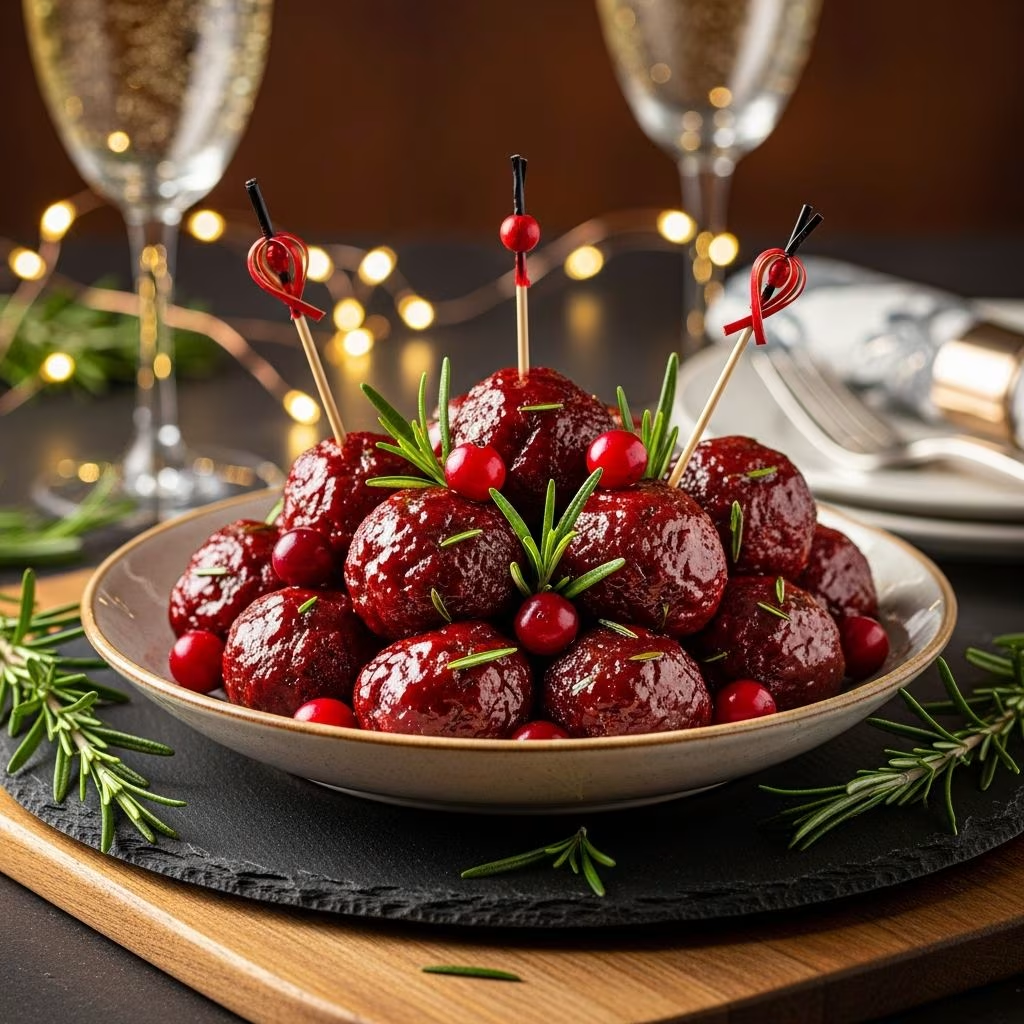
Cranberry meatballs represent one of the most accessible and crowd-pleasing appetizers for entertaining at home. The combination of tart cranberry sauce with savory ground meat creates a balanced flavor profile that appeals to diverse palates. Whether you’re hosting a formal holiday dinner or a casual gathering with friends, this dish offers flexibility in preparation methods and ingredient choices. The recipe can be adapted to accommodate dietary preferences, cooking equipment availability, and time constraints, making it an ideal option for busy hosts and experienced cooks alike.
Understanding the Foundation of Cranberry Meatballs
The appeal of cranberry meatballs lies in their simplicity combined with sophisticated flavor development. The tartness of cranberries provides a counterpoint to the richness of ground meat, while complementary spices and seasonings create depth and complexity. This dish has become a staple at holiday events, office parties, and family gatherings because it requires minimal active cooking time while delivering impressive results.
The beauty of this recipe extends beyond its taste profile. Preparation can begin hours in advance, and the dish actually improves as flavors meld together during the cooking process. This makes cranberry meatballs particularly suited to slow cooker preparation, where extended cooking times enhance the overall flavor experience.
Selecting Your Meatball Approach
Home cooks have several options when deciding how to prepare meatballs for this dish. The choice between homemade and frozen meatballs depends on available time, desired flavor customization, and equipment on hand.
Homemade Meatball Preparation
Creating meatballs from scratch allows for complete control over ingredient quality and flavor profile. The process begins with combining ground meat with binder ingredients, seasonings, and aromatics. A bread and milk base, known as a panade, creates moisture and tenderness in the finished product. Ingredients typically include ground beef, pork, or poultry, along with minced garlic, grated onion, breadcrumbs, eggs, and a selection of spices.
The mixing technique significantly impacts the final texture. Overmixing can result in dense, compact meatballs, while gentle combining produces lighter, more tender results. Rolling meatballs by hand or using a small scoop ensures uniform sizing, which promotes even cooking.
Baking homemade meatballs in a preheated oven at 350-375°F yields superior results compared to stovetop pan-frying. This method allows heat to surround each meatball, promoting even browning and cooking throughout. Baking typically requires 15-25 minutes, depending on meatball size and oven characteristics.
Utilizing Frozen Meatballs
Frozen store-bought meatballs offer significant time savings without sacrificing quality when high-quality products are selected. These pre-formed meatballs arrive fully cooked, requiring only warming through in the sauce. This approach eliminates mixing, shaping, and initial cooking steps, reducing active preparation time to approximately 10 minutes.
The choice of frozen meatballs affects the final dish’s flavor profile. Turkey-based options provide a leaner alternative, while beef varieties deliver richer, more traditional meatball characteristics. Combination blends of beef and pork offer balanced flavor and texture.
Crafting the Perfect Cranberry Sauce
The sauce represents the signature component of this dish, transforming simple meatballs into something memorable. Multiple sauce approaches exist, ranging from straightforward two-ingredient combinations to complex blends incorporating multiple spices and flavor elements.
Basic Sauce Formula
The simplest version combines canned cranberry sauce with bottled chili sauce in equal proportions. This combination provides the necessary tartness from cranberries while chili sauce contributes subtle spice and tomato-based depth. The ratio typically approximates one 14-ounce can of cranberry sauce to one 12-ounce bottle of chili sauce, creating sufficient sauce for approximately two pounds of meatballs.
Enhanced Flavor Development
More complex sauce variations incorporate additional seasonings and ingredients to create sophisticated flavor profiles. Worcestershire sauce adds umami depth and complexity. Brown sugar balances tartness with subtle sweetness, typically requiring just one to two tablespoons. Fresh orange juice brightens the sauce and enhances cranberry flavors, with one-quarter cup providing noticeable enhancement without overwhelming other components.
Spice additions can transform the sauce character. Cinnamon, clove, and allspice create warm, autumnal notes particularly suited to holiday entertaining. Mustard powder contributes subtle tang, while ginger and sriracha provide heat and complexity for those preferring more assertive flavor profiles.
Cooking Method Options
The flexibility of this recipe extends to cooking methodology. Different approaches suit various circumstances, preferences, and available equipment.
Slow Cooker Method
Slow cooker preparation represents the most hands-off approach, requiring minimal attention once ingredients combine. The process begins by placing meatballs in the slow cooker, followed by adding sauce components. Cooking on low heat for 4 hours allows flavors to gradually meld and deepen. The extended cooking time transforms individual components into a cohesive dish where flavors become impossible to distinguish separately.
This method excels for entertaining because the meatballs remain warm throughout serving without drying out. The slow cooker can be switched to warm setting, maintaining ideal serving temperature for hours. This proves particularly valuable during parties where guests arrive and depart at staggered intervals.
Stovetop Simmering
For those preferring faster results, stovetop cooking offers an efficient alternative. After baking homemade meatballs or warming frozen varieties, they combine with sauce in a large skillet or saucepan. Simmering over medium-low heat for 15-30 minutes allows sauce reduction and flavor concentration without scorching.
Stovetop cooking requires occasional stirring and attention, but rewards with more control over sauce consistency and cooking progression. This method works particularly well when preparing meatballs shortly before serving.
Oven-Based Finishing
Some cooks prefer combining meatballs and sauce in a baking dish for oven warming. This approach suits situations where stovetop and slow cooker space prove limited. Covering the dish with foil prevents drying while allowing gentle heating at 325-350°F for 20-30 minutes.
Ingredient Quality and Selection
While cranberry meatballs accommodate budget-conscious preparation, ingredient choices influence the final result’s quality.
Meat Selection
Ground meat quality affects texture and flavor significantly. Higher fat content, typically 15-20% for beef, promotes tenderness and juiciness. Mixing beef with pork creates superior flavor and texture compared to either variety alone. Turkey offers a leaner option, though it requires careful handling to prevent density.
Sauce Components
Whole berry cranberry sauce generally delivers superior texture and flavor compared to jellied varieties. Fresh-squeezed orange juice provides noticeably better results than frozen or bottled alternatives. Higher-quality chili sauce varieties, while potentially more expensive, create more refined flavor profiles without excessive artificial ingredients.
Seasonings and Flavor Profiles
Strategic seasoning elevates cranberry meatballs from ordinary to exceptional. The key involves balancing flavors without allowing any single element to dominate.
Sweet Elements: Brown sugar, maple syrup, or honey provide sweetness that complements cranberry tartness. Typically, one to two tablespoons suffice for two pounds of meatballs.
Acidic Components: Vinegar sharpens flavors and enhances cranberry character, though used judiciously to prevent overwhelming other elements.
Warm Spices: Cinnamon, nutmeg, clove, and allspice evoke autumn and holiday associations, making them natural companions to cranberry flavoring.
Savory Enhancers: Worcestershire sauce, mustard, and Tabasco contribute umami depth and complexity.
Serving Strategies and Presentations
Proper serving enhances the dining experience and encourages guests to sample your creation.
- Transfer to slow cooker on warm setting for extended serving periods
- Garnish with fresh parsley or green onions for color contrast and freshness
- Add orange zest just before serving to provide visual appeal and aromatic enhancement
- Serve with toothpicks or small plates for convenient consumption at standing gatherings
- Maintain sauce temperature around 140-160°F for food safety and optimal palatability
Make-Ahead and Storage Considerations
Cranberry meatballs adapt well to advance preparation, reducing day-of stress.
Homemade meatballs can be shaped and frozen unbaked for up to three months. Bake directly from frozen, adding 5-10 minutes to cooking time. Alternatively, prepare meatballs completely and freeze in sauce for convenient reheating.
The dish reheats beautifully on stovetop or in a slow cooker. Refrigerated meatballs maintain quality for 3-4 days when properly stored in covered containers. Frozen meatballs in sauce remain palatable for 2-3 months, though quality peaks within the first month.
Customization and Variations
The basic formula supports numerous adaptations to suit preferences and dietary requirements.
Protein Alternatives
Ground turkey provides leaner results. Lamb creates Mediterranean-inspired variation, while pork-only meatballs offer richer flavor. Plant-based ground meat alternatives accommodate vegetarian guests while maintaining recognizable preparation methods.
Sauce Variations
Barbecue sauce replaces chili sauce for smokier profiles. Jelly base variations using different fruit preserves create distinct characteristics. Bourbon or wine additions contribute sophistication for adult-focused gatherings.
Troubleshooting Common Issues
| Problem | Cause | Solution |
|---|---|---|
| Meatballs fall apart during cooking | Insufficient binder or overmixing | Ensure adequate egg and breadcrumb proportions; mix gently |
| Sauce too thin or watery | Excess liquid from frozen meatballs or insufficient reduction | Simmer uncovered to reduce; use cornstarch slurry to thicken |
| Overly sweet final product | Too much sugar or sweet sauce components | Reduce brown sugar; add vinegar or acidic element for balance |
| Dense, heavy texture in meatballs | Overmixing meat mixture | Mix just until combined; handle meat gently during shaping |
Frequently Asked Questions
Can I prepare meatballs entirely in advance?
Yes. Shape homemade meatballs and freeze for up to three months, or bake and freeze in sauce for convenient reheating. Frozen meatballs in sauce maintain quality for 2-3 months.
What’s the difference between jellied and whole berry cranberry sauce?
Jellied sauce offers smoother texture and cleaner appearance, while whole berry provides richer flavor and more pronounced fruit character. Both work, though whole berry generally delivers superior results.
How long can meatballs stay in the slow cooker on warm setting?
Properly prepared meatballs remain safe and appetizing in a slow cooker on warm setting for 4-6 hours, though flavor peaks within the first 2-3 hours of serving.
Can I double this recipe?
Absolutely. The recipe scales well to any quantity. Maintain ingredient proportions and adjust cooking times based on total volume and chosen cooking method.
Are there gluten-free options?
For homemade meatballs, substitute gluten-free breadcrumbs for regular varieties. Most frozen meatballs and canned cranberry sauce contain no gluten, though verification of specific products remains necessary.
Nutritional Considerations
Cranberry meatballs provide protein from meat and modest amounts of vitamins and minerals from cranberry sauce. The dish contains notable sodium from chili sauce and other processed components. Turkey-based versions offer reduced fat compared to beef alternatives. Portion control promotes balanced incorporation into holiday menus without nutritional excess.
Conclusion
Cranberry meatballs exemplify how simple ingredients and straightforward techniques combine to create impressive entertaining fare. Whether prepared entirely from scratch or utilizing convenient frozen components, the basic concept accommodates diverse preferences, schedules, and skill levels. The flexibility to prepare ahead, maintain warm throughout extended service periods, and adapt flavoring profiles makes this dish invaluable for anyone entertaining regularly. With attention to ingredient selection, cooking methodology, and flavor balance, even novice cooks can create memorable appetizers that garner compliments and disappear from serving platters.
References
- Homemade Cranberry Meatballs — Olive & Mango. Accessed April 2026. https://www.oliveandmango.com/homemade-cranberry-meatballs/
- Crockpot Cranberry BBQ Meatballs Recipe — Joyful Healthy Eats. Accessed April 2026. https://www.joyfulhealthyeats.com/crock-pot-cranberry-bbq-meatballs/
- Cranberry-Glazed Meatballs — David Lebovitz. Accessed April 2026. https://www.davidlebovitz.com/cranberry-glazed-meatballs-recipe/
- Crockpot Cranberry Meatballs — 365 Days of Baking and More. Accessed April 2026. https://www.365daysofbakingandmore.com/cranberry-meatballs/
- Cranberry Meatballs (Slow Cooker) — Dinner at the Zoo. Accessed April 2026. https://www.dinneratthezoo.com/cranberry-meatballs/
- Cocktail Meatballs with Cranberry Sauce — Wyse Guide. Accessed April 2026. https://www.wyseguide.com/cocktail-meatballs-with-cranberry-sauce/
- Ultimate Party Meatballs: Easy & Delicious Recipes — Ocean Spray. Accessed April 2026. https://www.oceanspray.com/recipes/ultimate-party-meatballs