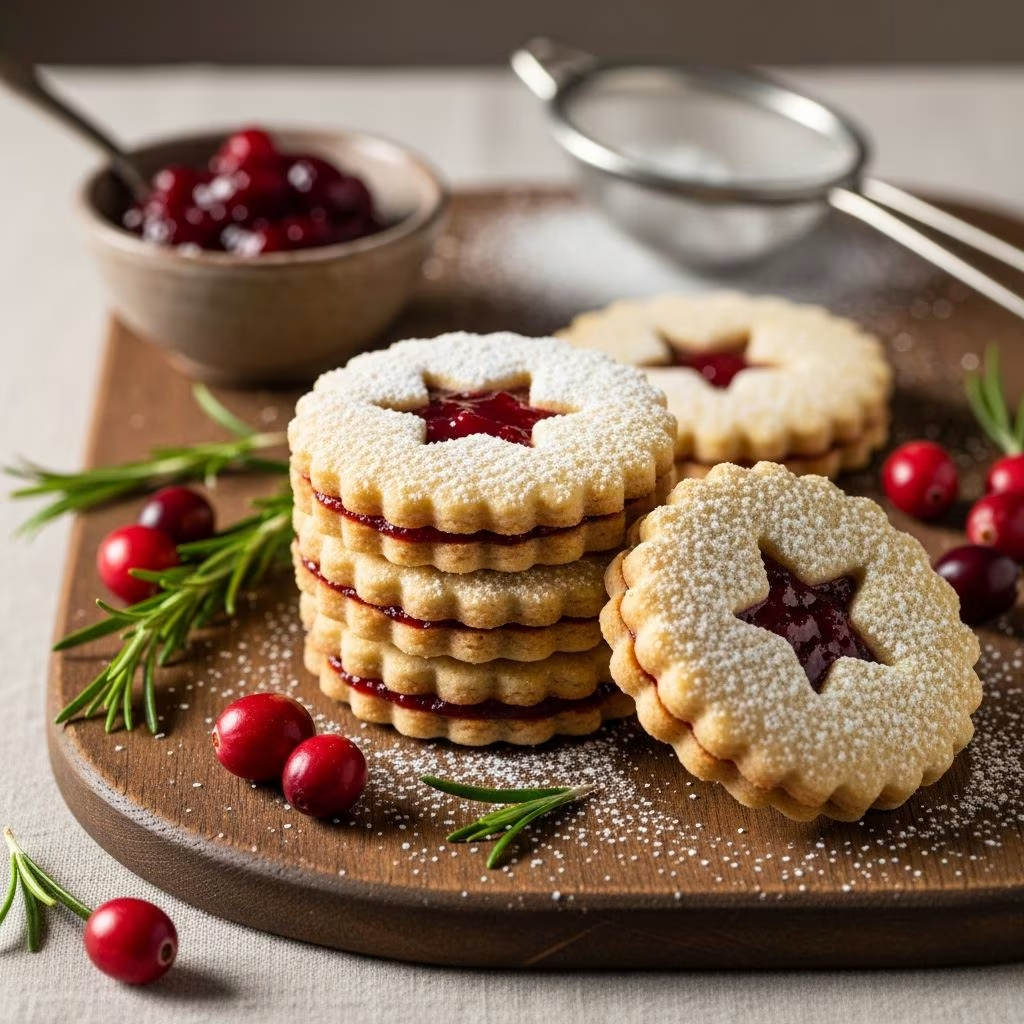
Linzer cookies represent a timeless European tradition that has captivated bakers for generations. These delicate sandwich cookies showcase a delightful contrast between a buttery, crumbly dough and a jewel-toned filling that peeks through decorative cutouts. When combined with the subtle texture of cornmeal and the tart brightness of cranberry, linzer cookies transform into an elegant dessert that impresses both casual diners and discerning palates.
The beauty of cranberry cornmeal linzer cookies lies in their versatility and visual appeal. The cornmeal introduces a gentle, grainy texture that distinguishes these cookies from traditional flour-based versions, while cranberry filling provides a sophisticated flavor profile that moves beyond conventional jam selections. Whether you’re preparing treats for a holiday gathering, seeking a showstopping dessert for a special occasion, or simply wanting to expand your baking repertoire, this recipe delivers consistent results with manageable techniques suitable for both novice and experienced bakers.
Understanding the Core Components
The Butter Foundation
Butter serves as the backbone of these cookies, contributing both flavor and structure. When creamed properly with sugar, butter develops the light, fluffy consistency necessary for tender cookies with a delicate crumb. Using room-temperature butter ensures even incorporation of air, which creates the characteristic melt-in-your-mouth texture these cookies are known for. The fat content in butter also promotes browning during baking, developing the subtle golden edges that indicate perfectly baked linzer cookies.
Sugar’s Role in Cookie Development
Sugar performs multiple functions in cookie dough beyond simple sweetness. Granulated sugar provides structure and encourages spread during baking, while also promoting browning through caramelization. The combination of sugar types—whether using only white sugar or incorporating powdered sugar—affects both the final texture and the visual appearance of the finished cookies. Proper sugar measurement and distribution ensure consistent results with each batch.
Cornmeal: Adding Texture and Character
Cornmeal distinguishes these cookies from standard linzer varieties. This ingredient adds a subtle, pleasant grittiness that creates textural interest with each bite. Cornmeal, derived from ground dried corn, introduces a mild corn flavor that complements both sweet and tart filling options. The inclusion of cornmeal typically ranges from half a cup to a full cup, depending on how pronounced you desire the cornmeal character to be in your finished cookies.
Cranberry Filling: Balancing Sweet and Tart
The filling transforms these cookies from simple shortbread into sophisticated sandwich cookies. Cranberry filling can be prepared fresh or utilize pre-made options depending on your time availability and flavor preferences. When creating filling from scratch, fresh or dried cranberries are combined with sugar, water, and often a complementary citrus element like orange juice or lemon juice. The cooking process breaks down the cranberry fruit, releasing natural pectin and creating a thick, spreadable consistency that holds its shape when sandwiched between cookie layers.
Gathering Your Ingredients: A Complete Breakdown
| Ingredient | Quantity | Purpose |
|---|---|---|
| Butter (softened) | ¾ cup | Creates richness and tender crumb |
| White Sugar | ¾ cup | Sweetens dough and promotes browning |
| Egg | 1 large | Binds ingredients and adds moisture |
| Vanilla Extract | 1 teaspoon | Enhances overall flavor profile |
| All-Purpose Flour | 1½ cups | Provides structure to dough |
| Cornmeal | ½ cup | Adds distinctive texture and mild flavor |
| Baking Powder | 1 teaspoon | Promotes slight rise for tender texture |
| Kosher Salt | ½ teaspoon | Balances sweetness and enhances flavors |
| Fresh/Dried Cranberries | 1½ cups (chopped) | Creates tart, flavorful filling |
| Brown Sugar (for filling) | ⅓ cup | Sweetens cranberry mixture |
| Water (for filling) | ⅓ cup | Creates filling consistency |
| Cold Butter (for filling) | 1½ tablespoons | Adds richness to finished filling |
| Lemon Juice | 1½ tablespoons | Brightens cranberry flavor |
Step-by-Step Cookie Dough Preparation
Creaming Butter and Sugar
Begin by combining softened butter and white sugar in a large mixing bowl. Using an electric mixer set to medium speed, beat these ingredients together for 5 to 8 minutes. This extended beating time is crucial—it incorporates air into the mixture, creating the pale, fluffy texture that indicates successful creaming. Scrape down the bowl occasionally with a rubber spatula to ensure even mixing and uniform incorporation of air throughout the butter-sugar base.
Incorporating Wet Ingredients
Once your butter mixture has achieved the desired light consistency, add the egg and vanilla extract. Continue beating at medium speed until these wet ingredients are completely incorporated and the mixture appears uniform in color and texture. This step typically takes 1 to 2 minutes. Ensure no streaks of egg white remain visible in the mixture.
Combining Dry Components
In a separate bowl, whisk together your all-purpose flour, cornmeal, baking powder, and kosher salt. Whisking these dry ingredients together distributes the leavening agent evenly throughout and prevents lumps from forming when mixed into the wet ingredients. This preliminary combination ensures consistent rise and texture throughout all your cookies.
Bringing It Together
Gradually add the flour mixture to your creamed butter and sugar, beating at low speed. Continue mixing until the ingredients just come together into a cohesive dough. Take care not to overmix at this stage, as excessive mixing can develop gluten and result in tough rather than tender cookies. The dough should come together without any visible streaks of flour remaining.
Preparing the Cranberry Filling
While your dough chills, prepare the filling component that will give these cookies their distinctive character. In a medium saucepan, combine finely chopped fresh or dried cranberries with brown sugar and water. Place the saucepan over medium-high heat, stirring occasionally. The mixture will gradually warm, and the cranberries will begin to release their natural juices and break down into a thick consistency. This process typically requires approximately 10 minutes of cooking time.
Once the cranberry mixture has reached a thick, jam-like consistency and the fruit pieces have softened considerably, remove the saucepan from heat. Stir in the cold butter and lemon juice, allowing the residual heat to soften the butter and fully incorporate it into the filling. The lemon juice brightens the tart cranberry flavor and adds complexity to the overall taste profile. Allow the filling to cool to room temperature before using it to assemble your finished cookies.
Shaping and Baking Process
Dough Preparation for Cutting
After your dough has chilled for at least one hour, remove it from the refrigerator and allow it to sit at room temperature for several minutes until it’s slightly soft but still firm. Roll the dough between two pieces of parchment paper to a uniform thickness of approximately ⅛ inch. This consistent thickness ensures that all cookies bake evenly, preventing some from becoming overdone while others remain underbaked.
Creating the Signature Design
Using cookie cutters, cut the dough into matching shapes. For traditional linzer cookies, round cutters work beautifully, though any shape you prefer will suffice. From half of your cookie shapes, use a smaller cookie cutter or knife to remove a cutout from the center. This distinctive center opening allows the cranberry filling to peek through after assembly, creating the characteristic visual appeal of linzer cookies. Carefully remove the center pieces and reserve them for snacking or crumbling into other desserts.
Baking to Perfection
Transfer your prepared cookie shapes to parchment-lined baking sheets, leaving approximately one inch between each cookie to allow for slight expansion during baking. Preheat your oven to 350°F. Place the baking sheets in the preheated oven and bake for 10 to 12 minutes, or until the edges are lightly golden brown. The centers should remain lighter in color. Remove the baking sheets from the oven and allow the cookies to cool on the baking sheet for 3 minutes before transferring them to a wire cooling rack.
Assembly and Final Presentation
Once your cookies have cooled completely to room temperature, you’re ready to assemble them into sandwich cookies. Place a small spoonful of cooled cranberry filling on the flat side of a solid cookie. Using a small spatula or the back of a spoon, spread the filling in an even layer, leaving approximately ¼ inch of space from the edges. Gently press a cutout cookie (with the hole) on top of the filling, aligning the edges carefully. The filling should be visible through the center cutout, creating an attractive presentation.
For additional visual appeal, dust the assembled cookies with powdered sugar using a fine-mesh sieve. This finishing touch adds elegance and a subtle sweetness that complements the tart filling beautifully.
Storage and Make-Ahead Guidance
Short-Term Storage
Store assembled cranberry cornmeal linzer cookies in an airtight container at room temperature for up to 5 days. Layer the cookies with parchment paper between each layer to prevent them from sticking together or sustaining damage. Avoid storing in the refrigerator, as the cold can cause the filling to harden and the cookies to become less pleasant in texture.
Freezing Prepared Dough
Cookie dough can be prepared up to 2 days in advance and stored in the refrigerator, or frozen for up to one month. If freezing, wrap the dough tightly in plastic wrap before placing in a freezer-safe container. Thaw overnight in the refrigerator before rolling and cutting.
Make-Ahead Filling
The cranberry filling can be prepared several days in advance and stored in a covered container in the refrigerator. This advance preparation is particularly helpful when planning holiday baking projects, as it allows you to divide the baking process across multiple days.
Flavor Variations and Adaptations
Citrus Enhancement: Incorporate orange zest into the dough or add orange juice to the cranberry filling for a complementary citrus note that brightens the overall flavor.
Spice Integration: Add ground cinnamon or a pinch of nutmeg to the dough for warmth and depth that pairs beautifully with the tart filling.
Alternative Fillings: While cranberry is traditional, you can experiment with other preserves, curds, or fruit fillings to create variations that suit your preferences or seasonal availability.
Troubleshooting Common Issues
Dough Too Soft for Cutting
If your dough becomes too warm and soft while working with it, return it to the refrigerator for 15 to 20 minutes before continuing. This prevents spreading and sticking during cutting and placement.
Filling Leaking from Sandwich
Use moderate amounts of filling—approximately one teaspoon per cookie—to prevent overflow. Ensure the filling has cooled completely before assembly, as warm filling is more likely to seep out from between the cookie layers.
Cookies Spreading Excessively
Over-softened butter or a dough that wasn’t chilled sufficiently can result in excessive spreading. Ensure butter is at proper room temperature (slightly soft but still firm) and allow adequate chilling time before baking.
Frequently Asked Questions
Can I use store-bought cranberry filling instead of making it from scratch?
Yes, pre-made cranberry jam or preserves work well as a convenient alternative. Select a filling with a consistency that’s thick enough to hold between cookies without leaking.
What size should the cookies be?
Cookies typically range from 1½ to 2 inches in diameter for traditional linzer cookies. Adjust your cutter size based on personal preference—smaller cookies are more delicate, while larger cookies offer more filling and texture.
How do I prevent the cornmeal from making cookies too gritty?
Cornmeal adds pleasant texture rather than grittiness when using a standard food-grade cornmeal. If you prefer a finer texture, look for polenta or stone-ground cornmeal, which can be sifted to reduce graininess.
Can these cookies be made gluten-free?
Yes, substitute all-purpose flour with a quality gluten-free flour blend in a 1:1 ratio. Check that all other ingredients, including baking powder and any add-ins, are certified gluten-free.
What’s the ideal oven temperature for baking?
350°F provides consistent baking results. Lower temperatures can result in cookies that spread too much, while higher temperatures may cause edges to brown before centers are fully baked.
References
- Cranberry Cornmeal Cookies Recipe — Land O’Lakes. Retrieved April 10, 2026. https://www.landolakes.com/recipe/7059/cranberry-cornmeal-cookies/
- Cranberry Linzer Cookies — Rainier Valley Food Bank. Retrieved April 10, 2026. https://www.rvfb.org/blog/cranberry-linzer-cookies
- Cranberry Orange Linzer Cookies Recipe — Jessica Gavin. Retrieved April 10, 2026. https://www.jessicagavin.com/cranberry-orange-linzer-cookies/
- Cranberry Linzer Cookies — Bakes by Brown Sugar. Retrieved April 10, 2026. https://bakesbybrownsugar.com/cranberry-linzer-cookies/
- Giant Cornmeal Linzer Cookie Recipe — Joy the Baker. Retrieved April 10, 2026. https://joythebaker.com/2025/12/giant-cornmeal-linzer-cookie-recipe/