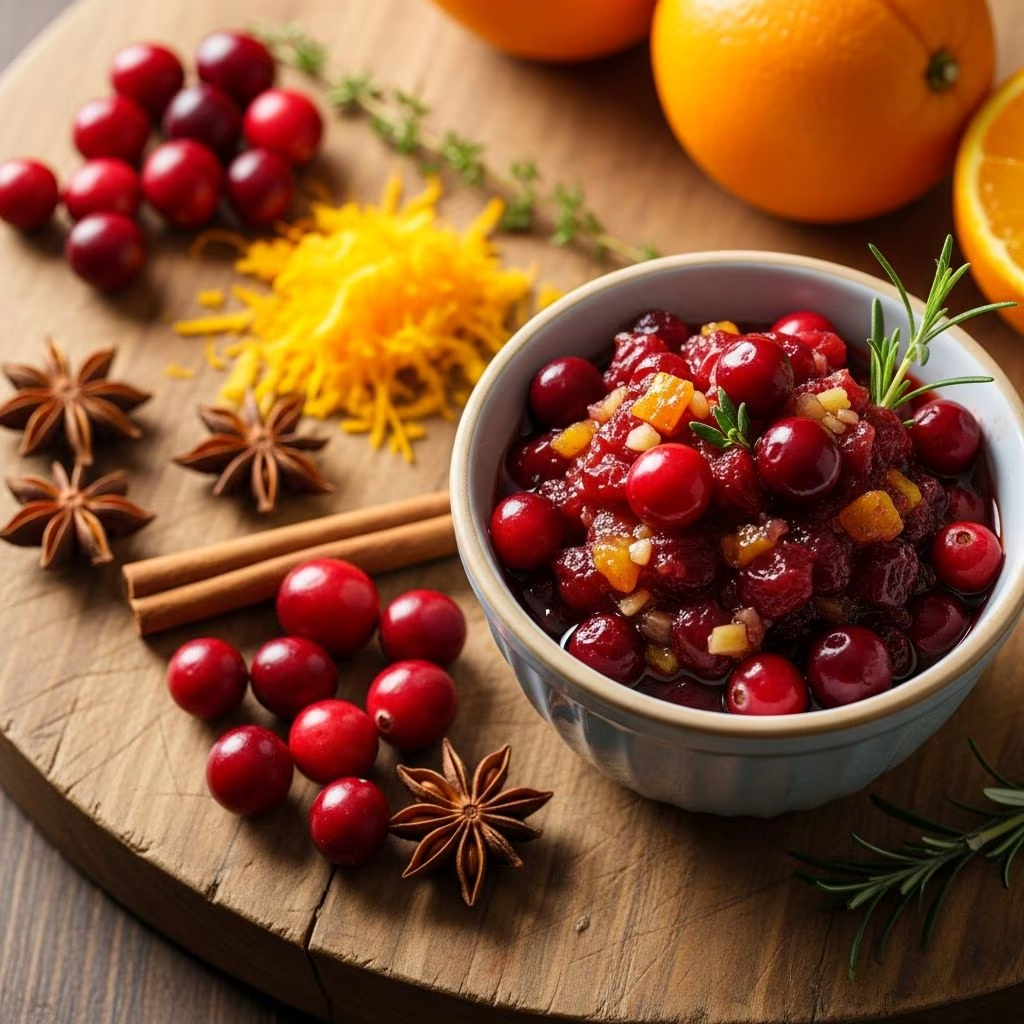
Cranberry chutney represents a sophisticated evolution of traditional cranberry sauce, offering layers of flavor that extend far beyond the simple berry-and-sugar combinations found in conventional holiday preparations. This versatile condiment bridges the gap between sweet and savory, providing complexity that elevates everything from roasted poultry to cheese boards. Whether you prefer the warm spice notes of cinnamon and ginger, the brightness of citrus, or the heat from Indian-inspired aromatics, cranberry chutney adapts to your preferences while maintaining its essential character as a bold, textured accompaniment.
Understanding Cranberry Chutney as a Culinary Category
Chutneys occupy a unique position within the world of condiments, originating from South Asian cuisine but now embraced across global culinary traditions. Unlike sauces that prioritize smoothness, chutneys deliberately maintain texture and distinct ingredient visibility. The chunky consistency allows individual components—fruit pieces, aromatics, and spices—to remain identifiable throughout the cooking process. When applied to cranberries, this approach transforms the tart fruit into something that feels both refined and rustic, capable of complementing both casual weeknight meals and formal dining occasions.
The defining characteristics of any successful cranberry chutney include its ability to balance sweetness with acidity, its complex spice profile, and its capacity to develop deeper flavors over time. Many chutneys actually improve after sitting for several days, as their constituent flavors marry and mellow into a cohesive whole. This makes cranberry chutney an ideal make-ahead dish for holiday entertaining.
Essential Ingredients and Their Functions
The Foundation: Cranberries and Sugar
Fresh cranberries serve as the backbone of any chutney, providing natural pectin that contributes to thickening and a distinctive tart punch that prevents the final product from becoming cloying. Most recipes call for three to four cups of fresh or frozen berries. Using frozen cranberries eliminates the need for defrosting, as they release their juices readily during cooking. The sugar component typically ranges from three-quarters to two and one-half cups, depending on the recipe’s overall flavor profile and desired sweetness level. Rather than relying solely on white granulated sugar, many contemporary recipes incorporate brown sugar, which adds molasses notes that deepen the chutney’s complexity.
Aromatics and Flavor Builders
Onions form the aromatic base in most chutney recipes, requiring fine dicing to ensure they integrate fully into the mixture during cooking. Yellow onions provide a milder sweetness, while red onions introduce slightly more pungency. Garlic appears in certain variations, particularly those drawing inspiration from global cuisines, and should be minced finely to distribute evenly throughout the chutney.
Ginger represents another critical aromatic component, contributing both warmth and subtle spice. Fresh ginger root, minced or finely chopped, imparts more vibrant flavor than ground ginger, though ground versions work adequately when fresh is unavailable. Many recipes incorporate both fresh and ground ginger for layered intensity. Ground cinnamon and cloves provide the warm spice foundation common to traditional cranberry preparations, while certain recipes add allspice, turmeric, mustard seeds, or black pepper for additional complexity.
Textural and Flavor Complements
Dried fruit additions such as golden raisins, candied pineapple, or dried cranberries contribute natural sweetness and chewy texture that contrasts with the burst of fresh cranberries. Apples and pears, when included, should be peeled, cored, and diced into uniform pieces, ensuring even cooking. Granny Smith apples provide tartness that balances sweetness, while Honeycrisp varieties offer more pronounced natural sugars. Celery, though less common, adds subtle herbaceous notes when finely diced.
Nuts such as hazelnuts or walnuts, added after cooking concludes, provide textural contrast and flavor depth. Citrus elements—whether fresh orange juice, orange zest, or lemon juice—brighten the overall flavor profile and add complexity that prevents the chutney from feeling one-dimensional.
Flavor Variations and Culinary Directions
Traditional Spiced Interpretation
The classic approach to cranberry chutney emphasizes warm spices familiar to holiday cooking: cinnamon, ginger, and cloves create an aromatic framework that feels both nostalgic and refined. This variation typically incorporates apples or pears for subtle fruit complexity, raisins for natural sweetness, and often includes brandy or apple cider vinegar to add depth and slight acidity. The resulting chutney pairs beautifully with roasted turkey, ham, or pork, and works equally well alongside sharp cheeses on a winter cheese board.
Indian-Inspired Contemporary Approach
Drawing from authentic South Asian chutney traditions, this variation begins by tempering mustard seeds and other aromatics in ghee or oil before introducing the remaining ingredients. This technique, known as tadka or chaunk, creates a flavor foundation that differs fundamentally from Western cooking methods. The mustard seeds impart subtle peppery notes, while spices like turmeric and fresh green chilies bring warmth and slight heat. This version typically cooks more quickly—approximately 20 minutes total—and relies less on extended simmering. The result feels brighter and more immediately flavorful than traditional interpretations, making it an excellent choice for those seeking something contemporary and globally-informed.
Vinegar-Forward Sophisticated Version
Certain recipes prioritize apple cider vinegar or red wine vinegar as a significant component, using one-half to three-quarters cup in the total recipe. This acidic backbone creates a chutney that feels more complex and less uniformly sweet, with pronounced tangy notes that cut through rich foods beautifully. These versions often cook longer, allowing the liquid to reduce and flavors to concentrate into something almost jam-like in consistency. This approach appeals to those who prefer condiments with assertive flavors and less residual sweetness.
Detailed Cooking Methods and Techniques
The Two-Stage Cooking Approach
Most recipes follow a two-stage cooking process that ensures proper texture development and flavor integration. The first stage combines cranberries, sugar, water, and primary spices, bringing the mixture to a boil over medium to medium-high heat. This initial phase typically lasts 10 to 15 minutes, during which the cranberries burst and release their juices. Frequent stirring prevents sticking and ensures even cooking. Once the cranberries have begun to break down noticeably, the heat reduces to a simmer, and secondary ingredients—diced apples, onions, celery—join the pot. This second stage continues for an additional 10 to 15 minutes, allowing these vegetables to soften and integrate into the mixture.
Achieving Optimal Consistency
Cranberry chutney thickens as it cools, so many recipes deliberately maintain a slightly runny consistency when hot. Removing the chutney from heat before it appears fully thickened prevents over-reduction, which can result in an undesirably dense final product. Some recipes include a resting period, refrigerating the chutney overnight to allow flavors to meld and the mixture to reach final consistency. This technique produces superior results compared to serving the chutney immediately after cooking.
Optional Finishing Touches
After removing the chutney from heat, certain recipes incorporate brandy, additional vinegar, or freshly chopped nuts. These additions introduce new flavor dimensions and can be adjusted to personal preference. Some recipes specify removing whole spices—cinnamon sticks and whole cloves—before storing, while ground spices remain integrated throughout.
Storage, Preservation, and Make-Ahead Strategies
Refrigerator Storage
Properly prepared cranberry chutney stores reliably in the refrigerator for up to three weeks when kept in airtight containers. Allowing the chutney to cool completely before refrigerating prevents condensation and potential spoilage. Many recipes recommend refrigerating overnight before serving to allow flavors to fully develop and the mixture to reach optimal consistency.
Freezing for Extended Storage
Cranberry chutney freezes exceptionally well, remaining stable for several months when stored in freezer-safe containers or bags. Leaving some headspace in containers prevents them from cracking as the mixture expands during freezing. Thawing should occur in the refrigerator overnight rather than at room temperature.
Canning and Preservation
For those interested in traditional preservation methods, cranberry chutney can be processed in a boiling water bath canner. When canning, recipes typically call for ladling hot chutney into hot jars while leaving one-half inch headspace. Processing typically takes approximately 10 minutes, after which jars should cool at room temperature for 12 hours before checking seals. Proper canning technique requires careful attention to headspace, jar preparation, and processing times to ensure food safety.
Versatile Applications Beyond Holiday Tables
While cranberry chutney gained prominence as a holiday sauce accompanying poultry, its applications extend far beyond traditional contexts. Serve it alongside roasted pork, ham, or duck for dinners throughout the cooler months. Include it on cheese boards featuring sharp cheddar, aged gouda, or creamy brie, where its sweet-tart balance complements both pungent and mild cheeses. Spread it onto sandwiches made with leftover holiday turkey or roasted chicken. Offer it as a topping for vanilla ice cream or yogurt-based desserts, where its tartness provides counterpoint to sweetness. Use it as a glaze for roasted root vegetables or as a condiment for braised dishes requiring acidic balance.
Recipe Variations Comparison
| Variation Type | Key Ingredients | Cooking Time | Flavor Profile |
|---|---|---|---|
| Traditional Spiced | Cranberries, apples, cinnamon, ginger, cloves, raisins | 25-30 minutes | Warm, nostalgic, balanced sweet-tart |
| Indian-Inspired | Cranberries, mustard seeds, turmeric, green chili, ghee | 15-20 minutes | Bright, slightly spicy, complex aromatics |
| Vinegar-Forward | Cranberries, vinegar, sugar, spices, dried fruit | 30-40 minutes | Tangy, sophisticated, less uniformly sweet |
| Simplified Quick | Cranberries, sugar, water, basic spices | 10-15 minutes | Pure cranberry forward, less complex |
Frequently Asked Questions About Cranberry Chutney
Can I use frozen cranberries instead of fresh?
Absolutely. Frozen cranberries work beautifully in chutney and require no thawing before use. They release their juices readily during cooking and produce results indistinguishable from fresh berries.
How much sugar should I use if I prefer less sweetness?
Start by reducing sugar by approximately one-quarter cup and taste before adding more. Remember that chutney continues to develop sweetness as it cools, so err on the side of less sugar initially. Additional vinegar or lemon juice can compensate for reduced sugar.
What should I do if my chutney remains too runny after cooking?
Return the chutney to the stove and simmer for an additional 5 to 10 minutes. Alternatively, refrigerate overnight, as many chutneys thicken significantly during cooling.
How long does homemade cranberry chutney last?
Refrigerated chutney remains safe for up to three weeks in airtight containers. Frozen chutney maintains quality for several months. Properly canned chutney, sealed according to USDA guidelines, remains shelf-stable for one year.
Can I substitute brandy or add alcohol to the chutney?
Yes. Brandy, rum, or other spirits can be added after cooking, using approximately one-quarter to one-half cup. The alcohol mostly cooks off during the final simmering, leaving behind subtle flavor complexity.
References
- Cranberry Sauce Recipe — Alaska from Scratch. Accessed April 8, 2026. https://www.alaskafromscratch.com/2012/11/04/cranberry-sauce-recipe/
- Cranberry Chutney — She Paused 4 Thought. Accessed April 8, 2026. https://www.shepaused4thought.com/cranberry-chutney/
- Cranberry Chutney — Chef Lindsey Farr. Accessed April 8, 2026. https://cheflindseyfarr.com/nanas-cranberry-chutney/
- Sweet and Spicy Cranberry Chutney — Indiaphile. Accessed April 8, 2026. https://indiaphile.info/sweet-spicy-cranberry-chutney/
- Fresh Cranberry Chutney — Mel’s Kitchen Cafe. Accessed April 8, 2026. https://www.melskitchencafe.com/fresh-cranberry-chutney/
- Cranberry Chutney — David Lebovitz. Accessed April 8, 2026. https://www.davidlebovitz.com/thanksgiving-cranberry-chutney-recipe-sauce/