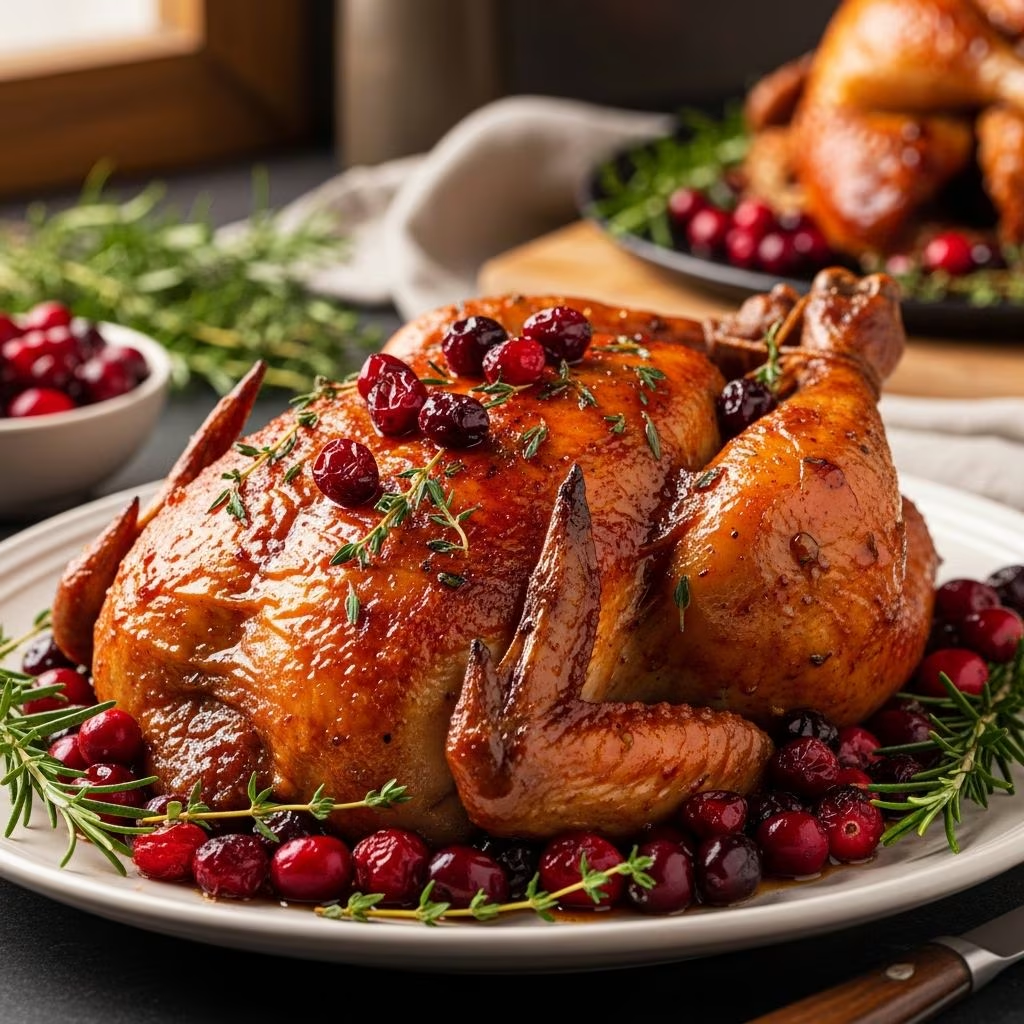
When the need arises for a meal that balances sophistication with simplicity, cranberry chicken emerges as an exceptional choice. This dish represents the intersection of seasonal ingredients and straightforward cooking techniques, making it accessible to both experienced cooks and kitchen beginners. The combination of tart berries with savory poultry creates a naturally elegant presentation that feels festive without requiring elaborate preparation.
Understanding the Appeal of Cranberry Chicken
Cranberry chicken has gained popularity across various cooking traditions and occasions. The appeal stems from several key factors that make this dish remarkable. The tartness of cranberries cuts through the richness of chicken, creating a balanced flavor profile that satisfies modern palates seeking more than just basic seasoning. Additionally, the vibrant red hue of the berries provides visual interest that automatically elevates the presentation of any table setting.
This dish suits multiple dining scenarios seamlessly. During holiday seasons, it provides a festive alternative to traditional roasted poultry that feels special without demanding hours of preparation. For weeknight dinners, streamlined versions come together in under an hour, making it practical for busy families. The versatility of preparation methods—from oven-baked to skillet-cooked to sheet pan—ensures that cooks can adapt the recipe to their available equipment and time constraints.
Essential Components for Building Flavor
The Protein Foundation
Selecting the right chicken pieces establishes the foundation for a successful dish. Bone-in, skin-on chicken pieces offer superior flavor and texture compared to skinless alternatives. The bone marrow contributes depth to any broth or sauce, while the skin renders during cooking, creating a golden, crispy exterior that contrasts beautifully with the tender meat beneath. A combination of chicken breasts and thighs works particularly well, as thighs remain moist during extended cooking while breasts cook through evenly.
Aromatic Seasonings
Fresh rosemary and minced garlic form the backbone of aromatic seasoning. These ingredients infuse the chicken with Mediterranean-inspired flavors that complement the tartness of cranberries remarkably well. When possible, fresh rosemary provides a more robust, piney quality than dried versions, though substitutions remain acceptable for practical cooking. Sweet paprika adds a subtle warmth and color dimension without overwhelming the other flavors. Kosher salt and freshly ground black pepper serve as flavor enhancers, drawing out the natural taste of the chicken and berries.
The Cranberry Element
Fresh cranberries provide the characteristic tartness that defines this dish. Combining whole cranberries with brown sugar and vinegar creates a balanced condiment that softens during cooking and breaks down partially, creating both textural variety and a cohesive sauce. The brown sugar contributes caramel notes that round out the sharpness of the berries, while white wine vinegar or apple cider vinegar adds complexity to the sweet-tart combination.
Supporting Vegetables and Liquids
Onions and celery establish an aromatic foundation similar to classic French mirepoix. These vegetables develop flavor depth as they cook alongside the chicken, contributing to both taste and mouth-feel of the finished dish. The cooking liquid—whether chicken broth or water—creates steam that tenderizes the chicken while allowing flavors to meld. Chicken broth provides fuller flavor, but water works adequately when time or ingredients are limited.
Cooking Methodologies and Techniques
The Oven-Baked Approach
Oven-baking represents the most common method for preparing cranberry chicken. This technique involves several sequential steps that build flavor gradually. First, fresh cranberries are combined with brown sugar and vinegar in a small bowl, allowing them to soften and begin releasing their juices. Meanwhile, chicken pieces are patted dry—a crucial step that allows seasonings to adhere properly—then rubbed thoroughly with minced garlic, fresh rosemary, paprika, salt, and pepper. Lifting the skin and pushing seasonings underneath ensures flavor penetration deep into the meat.
After a brief 15-minute marination, a large skillet is heated with olive oil over medium-high heat. Chicken pieces are seared skin-side down for approximately seven minutes until the skin releases from the pan and achieves golden-brown color. Flipping and browning the other side for about five minutes completes the searing process. This step develops a flavorful crust through the Maillard reaction, a chemical process that creates complex flavors impossible to achieve through gentle cooking alone.
The seared chicken transfers to a prepared baking dish where it layers with onions, celery, lemon halves, and the reserved marinade. Chicken broth or water pours over the components, followed by the prepared cranberry mixture. Baking at 425°F for 35 to 40 minutes brings the chicken to safe internal temperature (165°F) while allowing the cranberries to break down and create a glossy sauce.
The Skillet Method
For cooks preferring single-pan cooking with minimal cleanup, the skillet method offers efficiency without sacrificing flavor. Seasoned chicken breasts are seared in an oven-proof skillet to develop a golden crust. After searing, water, fresh cranberries, brown sugar, and warm spices like nutmeg add moisture and flavor. The mixture simmers covered on the stovetop for 20 to 30 minutes, with occasional basting to keep the chicken moist and allow it to absorb the developing sauce.
The Sheet Pan Variation
Sheet pan preparations simplify cleanup further by consolidating all components on a single baking surface. Chicken pieces, root vegetables like baby potatoes and carrots, onion pieces, and the cranberry sauce mixture combine on parchment-lined or oil-coated sheet pans. Roasting at moderate temperature until the chicken reaches safe internal temperature creates caramelized vegetables and tender poultry in one cooking step.
Ingredient Variations and Substitutions
| Component | Primary Option | Alternative Substitutions |
|---|---|---|
| Chicken Cut | Bone-in, skin-on thighs and breasts | Boneless thighs, whole chicken pieces, Cornish game hens |
| Fresh Herbs | Fresh rosemary and thyme | Dried herbs (use 1/3 the amount), sage, oregano |
| Cranberries | Fresh whole cranberries | Dried cranberries (rehydrate first), canned whole-berry sauce |
| Acid Component | White wine vinegar | Apple cider vinegar, balsamic vinegar, red wine |
| Sweetener | Brown sugar | Honey, maple syrup, white sugar |
| Cooking Liquid | Chicken broth | Vegetable broth, white wine, water |
Advanced Flavor Enhancements
Incorporating Citrus Elements
Lemon and orange juices bring brightness that amplifies the natural tartness of cranberries. Half-lemon pieces nestled among the chicken pieces perfume the entire dish as they roast. Orange juice and zest complement cranberries particularly well, adding a subtle floral note that sophisticated palates appreciate. These citrus additions work especially well when balsamic vinegar features in the sauce, creating a complex sweet-tart-fruity profile.
Spice Layering
Beyond basic salt and pepper, strategic spice additions create depth. Nutmeg contributes warmth that aligns with fall and winter cooking, while mustard powder adds subtle tanginess. Red pepper flakes introduce gentle heat that contrasts the sweetness of cranberries and brown sugar. These spices remain in the background, enhancing rather than dominating the cranberry-chicken-herb combination.
Umami Development
For enhanced savory depth, incorporating umami-rich elements elevates the dish considerably. Dijon mustard or honey mustard introduces pungent complexity, while Worcestershire sauce adds fermented depth. These additions need careful balance to avoid overwhelming the delicate cranberry-herb harmony, but when used judiciously, they transform a simple preparation into restaurant-quality cuisine.
Pairing and Serving Suggestions
Complementary Side Dishes
Cranberry chicken pairs beautifully with starchy sides that balance its rich sauce. Creamy mashed potatoes provide textural contrast and soak up the flavorful cooking liquid. Wild rice or farro contribute nutty undertones that complement the herb-cranberry combination. Root vegetable medleys featuring roasted carrots, parsnips, and Brussels sprouts create a cohesive autumn-themed plate.
Vegetable Accompaniments
Green vegetables cut through the richness effectively. Sautéed spinach or kale adds nutritional value and visual contrast. Steamed asparagus or roasted green beans provide textural variety. The key involves selecting vegetables that won’t compete with the cranberry-herb flavors but rather complement them.
Wine and Beverage Pairings
Dry rosé wines complement the fruit-forward nature of the dish beautifully. Light-bodied red wines with food-friendly tannins work excellently. For white wine preferences, Rieslings with their natural acidity match the tartness of cranberries. Non-alcoholic options including cranberry-based beverages or sparkling cider maintain thematic consistency.
Frequently Asked Questions
Can I prepare cranberry chicken in advance?
Yes, the dish actually benefits from advance preparation in several ways. The chicken can be seasoned and marinated several hours ahead, with cooking occurring just before serving. Alternatively, the entire dish can be prepared one to two days in advance and reheated gently in a 325°F oven for approximately 20 minutes, allowing flavors to develop further while maintaining quality.
What substitutes work for fresh cranberries?
Dried cranberries require rehydration by soaking in warm water for 15 minutes before incorporating into the sauce. Canned whole-berry cranberry sauce works conveniently, though some of the tartness may be reduced compared to fresh berries. Frozen cranberries thaw and cook similarly to fresh varieties, making them excellent year-round alternatives.
How do I ensure crispy skin?
Several techniques promote crispy skin development. Patting the chicken completely dry before seasoning removes surface moisture that inhibits browning. Adequate searing in sufficiently hot oil develops a crust before the oven-cooking phase. Ensuring the oven temperature reaches 425°F or higher allows continued crisping during the baking period. Spacing chicken pieces adequately on the baking dish prevents steam accumulation that softens the skin.
Can I use boneless, skinless chicken?
While boneless, skinless chicken proves more convenient and cooks faster, bone-in skin-on varieties produce superior results. If using boneless chicken, reduce cooking time to 20 to 25 minutes and monitor carefully to prevent drying. Increasing the sauce proportion helps compensate for the reduced moisture retention of boneless meat.
What makes the sauce glossy and flavorful?
The sauce develops from the combination of chicken drippings, cranberry juices, and the cooking liquid. For a thicker, more luxurious sauce, lightly dredging the chicken in flour before searing helps create a naturally thickened sauce. Alternatively, whisking together cornstarch and cold water creates a slurry that can be stirred into the sauce during the final minutes of cooking.
Nutritional Considerations
Cranberry chicken presents a reasonably balanced nutritional profile. The chicken provides substantial protein and essential amino acids, while the cranberries contribute vitamin C and antioxidant compounds. The preparation method influences the overall nutritional impact—using less oil during searing and omitting certain thickening agents reduces calorie density. The presence of fresh herbs and vegetables adds micronutrients and fiber, contributing to overall nutritional value beyond basic macronutrients.
Storage and Reheating Guidelines
Properly stored cranberry chicken maintains quality for three to four days refrigerated in an airtight container. The sauce preserves the chicken effectively, preventing drying during storage. Reheating occurs best at 325°F for 15 to 20 minutes, preserving texture and flavor better than microwave methods. Freezing works well for up to three months, though the chicken maintains optimal texture if thawed thoroughly before reheating rather than reheating from frozen.
References
- Cranberry Chicken with Rosemary and Garlic — The Mediterranean Dish. Accessed April 2026. https://www.themediterraneandish.com/garlic-rosemary-chicken-cranberries/
- Food Safety and Inspection Service: Safe Internal Temperatures — United States Department of Agriculture. https://www.fsis.usda.gov/food-safety/safe-food-handling-and-preparation/food-safety-basics/safe-temperatures-and-storage
- Cranberry Balsamic Chicken Recipe — Everyday Delicious. Accessed April 2026. https://www.everyday-delicious.com/cranberry-balsamic-chicken/
- Easy Cranberry Chicken Recipe — Belly Full. Accessed April 2026. https://bellyfull.net/easy-cranberry-chicken/
- Maillard Reaction in Cooking: Understanding Browning — Institute of Food Technologists. https://www.ift.org/
- Best Ever Cranberry Chicken Recipe — Happy Healthy Mama. Accessed April 2026. https://happyhealthymama.com/cranberry-chicken.html