Crab dip stands as a timeless appetizer that elevates any gathering, from casual dinner parties to formal holiday celebrations. This luxurious dish combines the delicate sweetness of fresh seafood with creamy, savory components that appeal to sophisticated palates while remaining simple enough for home cooks to master. Whether you prefer your dip served warm from the oven or chilled for summer entertaining, understanding the fundamentals of preparation ensures impressive results every time.
The Foundation: Understanding Essential Ingredients
The success of any crab dip begins with selecting quality components. The star ingredient—crab meat—deserves careful consideration. Fresh lump crab meat provides the ideal balance of flavor and texture, offering substantial pieces that remain visible and enjoyable throughout the dip. This grade of crab meat works particularly well because it maintains its integrity when mixed with other ingredients, creating an appetizing presentation that guests appreciate.
The creamy base of your dip relies on a combination of dairy and emulsified components. Cream cheese serves as the primary foundation, contributing both richness and structural stability to the mixture. To ensure smooth incorporation, allow cream cheese to reach room temperature before beginning your preparation. Mayonnaise and sour cream work in tandem to enhance creaminess while introducing subtle flavor dimensions that prevent the dip from tasting one-dimensional.
Flavor development comes through strategic use of seasonings and acidic elements. Old Bay seasoning carries particular significance, as this spice blend connects your preparation to the Chesapeake Bay heritage from which crab dip likely originated. Worcestershire sauce adds umami complexity, while fresh lemon juice brightens the overall taste profile and prevents the richness from becoming cloying.
Building Flavor Layers: Aromatics and Spice
Creating depth in your crab dip requires attention to multiple flavor components working in concert. Garlic, whether minced fresh or incorporated as powder, provides pungent notes that balance the sweetness of crab meat. Fresh chives contribute mild onion-like flavors and visual appeal through their verdant color and delicate texture. These green elements matter not only for taste but also for presentation, signaling to guests the freshness of the preparation.
The inclusion of cheese—typically cheddar or Parmesan—adds both flavor and textural interest to your finished dip. Cheese contributes saltiness and depth while creating a more cohesive texture that holds together more effectively than cream-based preparations alone. Some recipes incorporate hot sauce to those who appreciate spice, allowing for customization based on individual preferences and guest requirements.
Preparation Techniques and Methods
The most straightforward approach to making crab dip begins by softening cream cheese in a mixing bowl, either through manual beating or the use of an electric mixer set to medium-low speed. This step prevents lumps and ensures smooth integration of subsequent ingredients. Once the cream cheese reaches a smooth consistency, incorporate mayonnaise, sour cream, minced garlic, chopped green onions or chives, Old Bay seasoning, salt, Worcestershire sauce, and fresh lemon juice. Blend these components thoroughly until the mixture achieves uniform color and texture.
Following the combination of base ingredients and seasonings, gently fold in the shredded cheese, stirring just enough to distribute it evenly. The final and most delicate step involves incorporating your crab meat. Rather than vigorous mixing, use a gentle folding motion to preserve the integrity of crab pieces, preventing them from breaking into undesirable fragments. This careful approach maintains the textural contrast that distinguishes quality crab dip from preparations where crab becomes indistinguishable from the surrounding mixture.
Hot Versus Cold Presentations
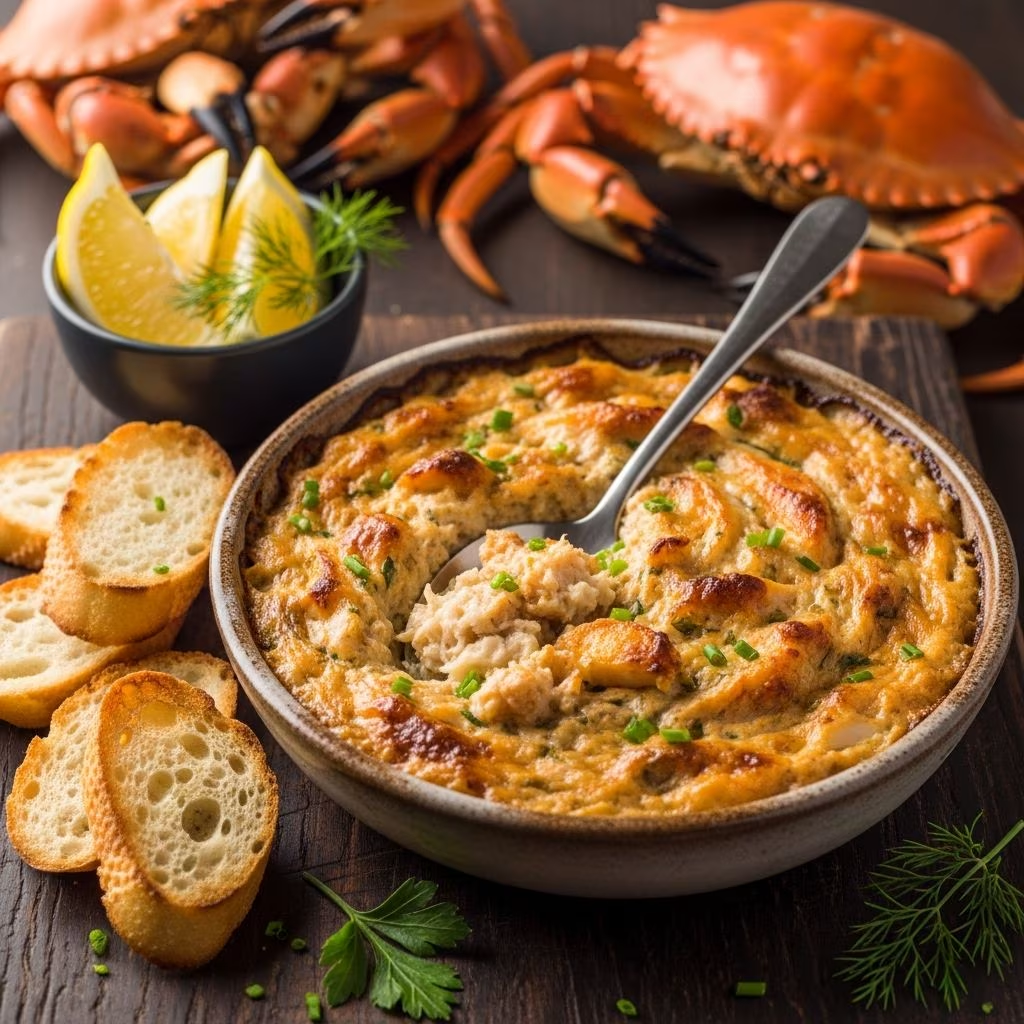
The versatility of crab dip lies in its adaptability to different serving temperatures, each method offering distinct advantages for different occasions. Baked preparations involve transferring your mixed dip to an oven-safe vessel and heating at 350 degrees Fahrenheit for approximately 20 minutes, until the mixture becomes heated through and the top develops slight browning. This warm presentation creates an elegant centerpiece for buffet-style entertaining, as the heat encourages slower consumption and allows guests to mingle while enjoying the appetizer.
Cold crab dip serves a different purpose, functioning as an ideal solution for warm-weather events, outdoor gatherings, or situations where oven space presents challenges. The preparation method remains identical through the point of combining ingredients; however, rather than baking, the finished dip simply chills until serving time. Cold preparations offer convenience advantages, as they can be made hours ahead of entertaining, allowing hosts to focus on other menu components immediately before guests arrive.
Creative Serving Variations and Vessels
Beyond the traditional serving method—presenting dip in a standard bowl surrounded by crackers or crudités—creative presentation options enhance the dining experience and create memorable appetizer moments. A hollowed bread bowl transforms humble ingredients into an eye-catching centerpiece, with the bread interior filled with crab dip and the removed interior pieces serving as edible accompaniments. This presentation combines functionality with visual impact, eliminating the need for separate crackers while adding textural variety.
Crostini made from sliced baguette toasted at high temperature provides an elegant vehicle for the dip, offering superior structural support compared to delicate crackers that may crack under the weight of generous portions. Vegetable sticks—celery, bell peppers, and cucumber—appeal to guests seeking lighter accompaniments, creating balance against the dip’s richness.
Slow Cooker Adaptations
For situations requiring hands-off cooking or maintaining temperature control during extended events, slow cooker methodology proves invaluable. After preparing your crab dip using standard techniques, transfer the mixture to a slow cooker set on low heat, allowing it to warm gradually over one to two hours. This gentle, prolonged heating prevents the delicate seafood flavors from becoming muted or scorched, while maintaining optimal serving temperature throughout your event without requiring active attention from the host.
Essential Ingredient Selection Guide
| Component | Selection Criteria | Quantity Guidelines |
|---|---|---|
| Crab Meat | Fresh lump preferred; avoid processed alternatives when possible | 8 oz to 1 lb per batch |
| Cream Cheese | Full-fat, softened to room temperature | 4-8 oz per batch |
| Seasonings | Old Bay seasoning, Worcestershire, fresh lemon juice | 1-2 tsp each |
| Cheese | Sharp cheddar or Parmesan for pronounced flavor | ½-1 cup total |
| Aromatics | Fresh garlic, chives, green onions | 2-3 cloves; ¼ cup fresh herbs |
Troubleshooting Common Issues
Sometimes even experienced cooks encounter problems during preparation. Excessively grainy texture often results from insufficient blending of cream cheese before incorporating other ingredients, or from using cold cream cheese that hasn’t fully softened. Solution: always begin with room-temperature cream cheese and use adequate mixing time before proceeding with other components.
Dips that separate or appear oily typically indicate imbalance in dairy components or mixing temperature fluctuations. Prevention involves maintaining consistent ingredient temperatures and avoiding over-mixing, which can cause the fat in mayonnaise to separate from other elements.
Underseasoned dip lacks the complexity that distinguishes exceptional preparations from mundane versions. Solution: taste frequently during preparation and adjust seasonings incrementally, remembering that Old Bay seasoning and salt intensify slightly during baking.
Frequently Asked Questions
Can I use canned crab meat instead of fresh? While fresh lump crab meat produces superior results, canned varieties work acceptably when fresh options prove unavailable, though the texture and flavor profile differ noticeably.
How far ahead can I prepare crab dip? Cold preparations can be made up to 24 hours in advance, stored in an airtight container. Hot dips are best prepared no more than 4-6 hours ahead, with final baking occurring just before serving.
What beverages pair well with crab dip? White wines such as Sauvignon Blanc or Pinot Grigio complement seafood preparations nicely. Non-alcoholic options include sparkling water with citrus or light fruit juices.
Can I multiply this recipe for large gatherings? Yes, recipes scale well with proportional increases in all ingredients. For every pound of crab meat, maintain roughly 4 ounces cream cheese and appropriate seasonings.
Is this dish appropriate for dietary restrictions? Crab dip contains dairy and seafood, limiting availability for vegan guests. Gluten sensitivity depends on serving vessels—bread bowls contain gluten, while veggie and cracker accompaniments may vary.
Storage and Make-Ahead Strategies
Properly storing prepared crab dip extends its usability and reduces last-minute stress during entertaining. Refrigerate finished dip in an airtight container for up to three days, though consumption within 24 hours ensures optimal freshness and food safety. Freezing generally isn’t recommended, as the texture becomes compromised upon thawing, particularly in cream cheese-based preparations.
For optimal flavor development, remove crab dip from refrigeration 30 minutes before serving, allowing it to reach appropriate temperature and flavor intensity. This brief tempering period enhances the perception of both taste and creaminess that might otherwise seem muted when consumed directly from cold storage.
References
- Easy Cold Crab Dip — Vanilla Bean Cuisine. Accessed April 2026. https://www.vanillabeancuisine.com/easy-cold-crab-dip/
- The Best Crab Dip (Hot or Cold) — Tastes Better From Scratch. Accessed April 2026. https://tastesbetterfromscratch.com/crab-dip/
- Hot Crab Dip Recipe — Will Cook For Smiles. Accessed April 2026. https://www.willcookforsmiles.com/hot-crab-dip/
- The Best Crab Dip Recipe (Hot or Cold) — The Modern Proper. Accessed April 2026. https://themodernproper.com/crab-dip