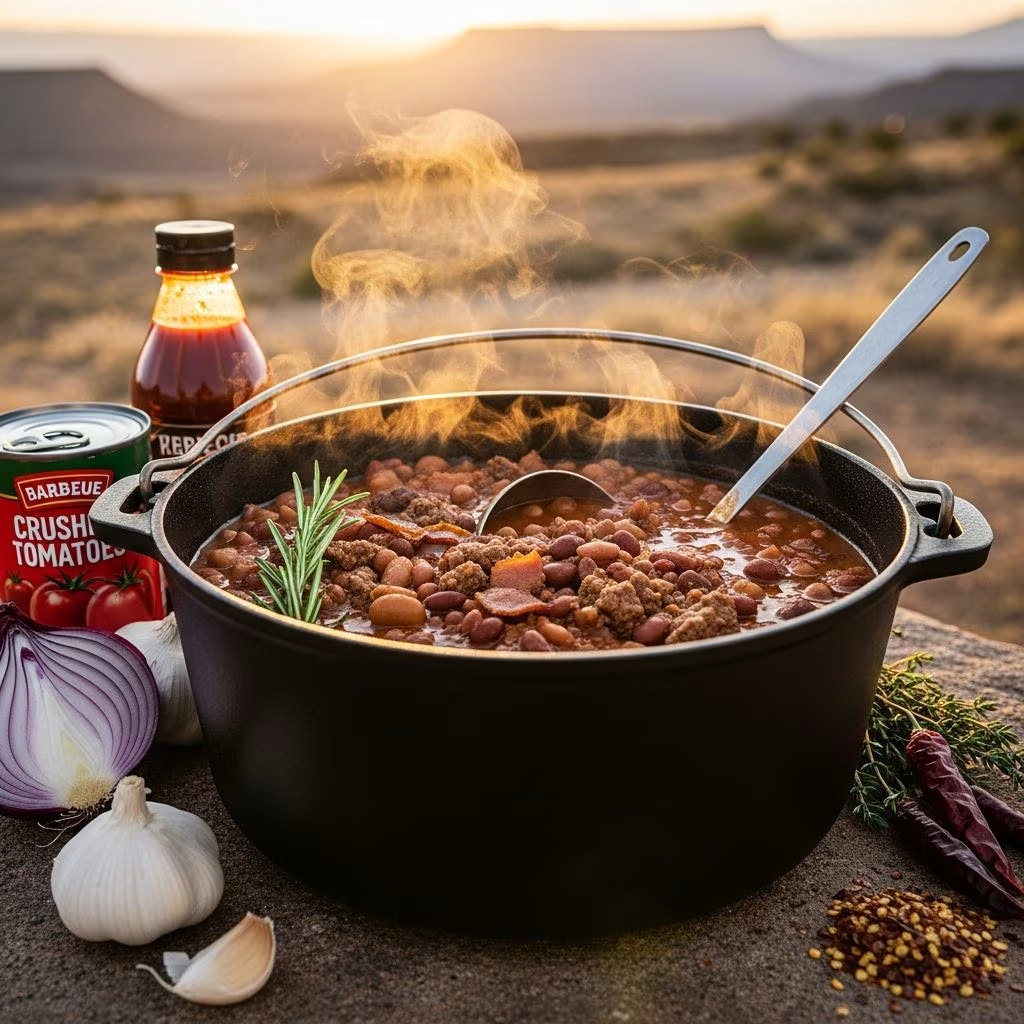
Cowboy beans represent a quintessential comfort food that brings together hearty ingredients in a single pot. This beloved dish has become a staple at outdoor gatherings, family dinners, and community potlucks across North America. The combination of savory beef, crispy bacon, tender beans, and a tangy-sweet sauce creates a flavor profile that appeals to both children and adults. Whether you’re preparing dinner for your family or hosting a backyard barbecue, understanding how to prepare cowboy beans properly ensures you’ll create a dish that impresses every time.
Understanding the Foundation of Cowboy Beans
The appeal of cowboy beans lies in their simplicity and the quality of their core components. This dish traditionally combines ground beef as the primary protein, which provides a rich, savory base. The addition of bacon introduces a smoky, salty dimension that elevates the overall flavor complexity. Multiple varieties of beans create texture variation—combining creamy options with heartier legumes ensures each spoonful offers different textural experiences. The sauce component typically features barbecue sauce as the foundation, enhanced with complementary seasonings and condiments that add depth.
The versatility of this dish makes it suitable for various cooking methods and occasions. You can prepare cowboy beans on the stovetop, in a traditional oven using a Dutch oven, or in a slow cooker for convenient all-day cooking. Each method produces slightly different results while maintaining the essential character of the dish.
Essential Ingredients for Authentic Flavor
The Protein Components
Ground beef forms the foundation of this dish, typically requiring one pound for a standard serving size. Selecting beef with appropriate fat content matters—an 85/15 blend provides optimal flavor without excessive greasiness. Bacon serves as the second protein element, with most recipes calling for six to eight slices, cooked until crispy and then crumbled. The rendered bacon fat becomes valuable for cooking aromatics, adding subtle smoky undertones to the entire dish.
Bean Varieties and Combinations
Traditional recipes employ multiple bean types to create complexity and texture variation. Common selections include kidney beans, black beans, navy beans, and cannellini beans. Using three different varieties provides creamy elements alongside heartier textures. Some recipes incorporate pork and beans canned in sauce, which reduces the need for additional liquid and adds pre-existing flavor complexity. When using plain canned beans, proper drainage prevents excess liquid that could dilute your sauce.
Aromatic Base and Seasonings
A medium yellow onion, diced into approximately one-cup portions, provides the aromatic foundation. Bell peppers add sweetness and crunch—most recipes include both green and red varieties for color and flavor variation. Garlic, typically three minced cloves, intensifies the savory profile. Essential seasonings include chili powder, cumin, cayenne pepper for heat, garlic salt, and onion powder. These components build layered flavors that make the dish more complex than its simple ingredient list suggests.
The Sauce and Sweetening Elements
Barbecue sauce serves as the primary flavor vehicle, with recipes calling for eighteen ounces to one full cup depending on desired consistency. To elevate standard barbecue sauce, many cooks add yellow mustard, Worcestershire sauce, and apple cider vinegar for tanginess. Brown sugar provides sweetness that balances the savory and acidic components, typically ranging from one-quarter cup to one-half cup. Some recipes incorporate ketchup for additional sweetness and tomato depth.
Preparation Techniques and Methods
Traditional Oven-Baked Approach
Begin by preheating your oven to 350 degrees Fahrenheit. In a heavy-bottomed, oven-safe pot such as a Dutch oven, cook eight slices of bacon over medium heat until crispy, approximately seven minutes. Remove the bacon and set aside, leaving two tablespoons of rendered fat in the pot. Add your diced onion and cook for approximately four minutes until it begins softening. Introduce minced garlic and ground beef, cooking and crumbling the beef until it loses its pink color, typically requiring seven to ten minutes. Drain excess grease from the pot to prevent an overly rich final dish.
Add your cooked bacon crumbles back to the pot along with your bean selection, seasonings, and sauce components. Stir thoroughly to incorporate all ingredients evenly. Transfer the pot to your preheated oven and bake uncovered for approximately forty-five minutes, allowing flavors to meld and the mixture to reach the desired consistency.
Slow Cooker Convenience Method
For those preferring a hands-off approach, brown your ground beef and bacon separately on the stovetop before transferring to your slow cooker. Add all remaining ingredients to the slow cooker and mix thoroughly. Cook on low setting for six to eight hours or on high setting for three to four hours. The extended cooking time in a slow cooker allows flavors to develop more gradually, sometimes producing a slightly different but equally satisfying result.
Bacon Preparation Efficiency
To streamline preparation and minimize cleanup, cook bacon in advance on an aluminum foil-lined baking sheet at 415 degrees Fahrenheit for eighteen to twenty minutes. This batch-cooking method produces uniformly crispy bacon without requiring constant stovetop monitoring. Once cooled, crumble the bacon and store until ready to incorporate into your cowboy beans.
Ingredient Selection and Substitution Strategies
Customizing Your Bean Selection
While traditional recipes use specific bean combinations, flexibility allows personal preference to guide your choices. You can substitute pork and beans for baked beans, or use pinto, navy, kidney, black, or great northern beans. If using plain beans without sauce, ensure proper drainage to prevent excess liquid. Some cooks prefer the richness of pork and beans left undrained, as the sauce adds significant flavor.
Pepper and Heat Adjustments
Bell pepper customization ranges from standard green and red varieties to incorporating jalapeños, serranos, or poblanos for additional spice. If you prefer milder dishes, omit cayenne pepper entirely or reduce the quantity. Those seeking smoky depth can add liquid smoke to enhance the bacon flavor even further.
Barbecue Sauce Variations
Different barbecue sauce brands offer distinct flavor profiles—honey varieties, chipotle options, and sweet onion versions each contribute unique characteristics. Experimenting with various brands allows you to develop your signature version. The tangy additions like apple cider vinegar, mustard, and Worcestershire sauce can be adjusted based on your preference for acidity and depth.
Nutritional Considerations and Serving Suggestions
Cowboy beans provide substantial protein from both the beef and bean components, making them satisfying as either a side dish or a lighter main course when paired with simple accompaniments. The fiber content from beans supports digestive health, while the combination of proteins creates sustained energy. One serving typically contains between 300-400 calories depending on exact ingredient proportions and cooking method.
These beans pair exceptionally well with coleslaw for a refreshing contrast to the rich, savory dish. Cornbread complements the flavors beautifully, providing textural contrast and a neutral base to balance the bold sauce. Rice or simple grains work equally well for those seeking a different carbohydrate accompaniment. At large gatherings, cowboy beans function as an impressive centerpiece dish that feeds substantial groups economically.
Cooking Time Comparison Table
| Cooking Method | Preparation Time | Cooking Time | Total Time | Best For |
|---|---|---|---|---|
| Oven-Baked (350°F) | 30 minutes | 45 minutes | 1 hour 15 minutes | Quick weeknight dinners |
| Slow Cooker (Low) | 15 minutes | 6-8 hours | 6-8 hours 15 minutes | All-day cooking, convenience |
| Slow Cooker (High) | 15 minutes | 3-4 hours | 3-4 hours 15 minutes | Same-day planning |
Pro Tips for Perfect Cowboy Beans Every Time
- Use applewood smoked bacon for enhanced smoky flavor that distinguishes your dish from standard versions.
- Don’t skip the bacon fat when cooking aromatics—this step adds significant depth to your final product.
- Taste your sauce mixture before transferring to the oven; adjust seasonings while you still have easy access to modify the flavor profile.
- If your final dish seems too thick after baking, thin it with beef broth added gradually until you reach desired consistency.
- Leftovers actually improve after sitting overnight as flavors continue melding; reheat gently on the stovetop or in the microwave.
- Consider doubling your recipe for freezer storage; these beans freeze exceptionally well for up to three months.
- Brown sugar is optional but recommended—it provides subtle sweetness that rounds out the savory and acidic components.
Frequently Asked Questions
Can I prepare cowboy beans without meat?
Yes, you can create a vegetarian version by omitting the beef and bacon and increasing your bean quantity. Add extra vegetables like mushrooms for umami depth, and consider incorporating smoked paprika to replace some of the smoky flavor from bacon.
How should I store leftover cowboy beans?
Store cooled beans in airtight containers in the refrigerator for up to four days. For longer storage, freeze in portion-sized containers for up to three months. Thaw overnight in the refrigerator before reheating.
What if I prefer less spice in my cowboy beans?
Simply reduce or eliminate cayenne pepper and jalapeños. You can also use milder barbecue sauce varieties. Start with smaller quantities of spicy ingredients and adjust upward if desired—you can always add more heat but cannot easily remove it.
Can I use fresh beans instead of canned?
Fresh beans require extended cooking time before adding other ingredients. Soak dried beans overnight, then simmer for 1-2 hours until tender. This method produces excellent results but requires significantly more preparation time than using canned beans.
Is this dish suitable for large gatherings?
Absolutely. This recipe multiplies easily—simply increase all ingredient quantities proportionally. The dish can be prepared in advance and reheated, making it ideal for potlucks and outdoor events where you need hands-off options.
Storage and Make-Ahead Planning
One of cowboy beans’ greatest advantages lies in its make-ahead versatility. You can prepare the entire dish one to two days in advance, then simply reheat before serving. This works particularly well for event planning when you need to manage multiple dishes simultaneously. The flavor actually deepens as the dish sits, with seasonings and sauce components continuing to integrate.
For freezer storage, portion the cooled beans into individual containers or freezer bags. Label with the date and contents for easy identification. When ready to serve, thaw overnight in the refrigerator, then reheat gently either on the stovetop over low heat or in a microwave in 30-second intervals, stirring between rounds to ensure even warming.
Equipment Recommendations
A heavy-bottomed Dutch oven or similar oven-safe pot ensures even heat distribution during baking, preventing hot spots that might scorch the bottom layer. Cast iron options work particularly well and can transition from stovetop to oven seamlessly. For slow cooker preparation, standard 6-8 quart models accommodate standard recipe quantities comfortably. Quality chef’s knives and cutting boards facilitate efficient ingredient preparation, though this dish doesn’t demand specialized equipment.
Cowboy beans represent an accessible, forgiving dish that welcomes experimentation and personal customization. Whether you’re feeding your family on a weeknight or preparing food for a large gathering, mastering this classic recipe ensures you’ll have a reliable, crowd-pleasing option in your culinary repertoire. The combination of straightforward techniques, affordable ingredients, and impressive results makes cowboy beans a worthy addition to any cook’s regular menu rotation.
References
- Cowboy Beans Recipe — I Am Homesteader. Accessed 2026. https://iamhomesteader.com/cowboy-beans/
- Hearty Cowboy Beans (in the slow cooker) — Boots and Hooves Homestead. Accessed 2026. https://bootsandhooveshomestead.com/cowboy-beans/
- Amazing Cowboy Beans — The Recipe Critic. Accessed 2026. https://therecipecritic.com/cowboy-beans/
- Cowboy Baked Beans (Slow Cooker or Oven Baked) — Delicious Table. Last Updated May 24, 2023. https://www.delicioustable.com/cowboy-baked-beans/