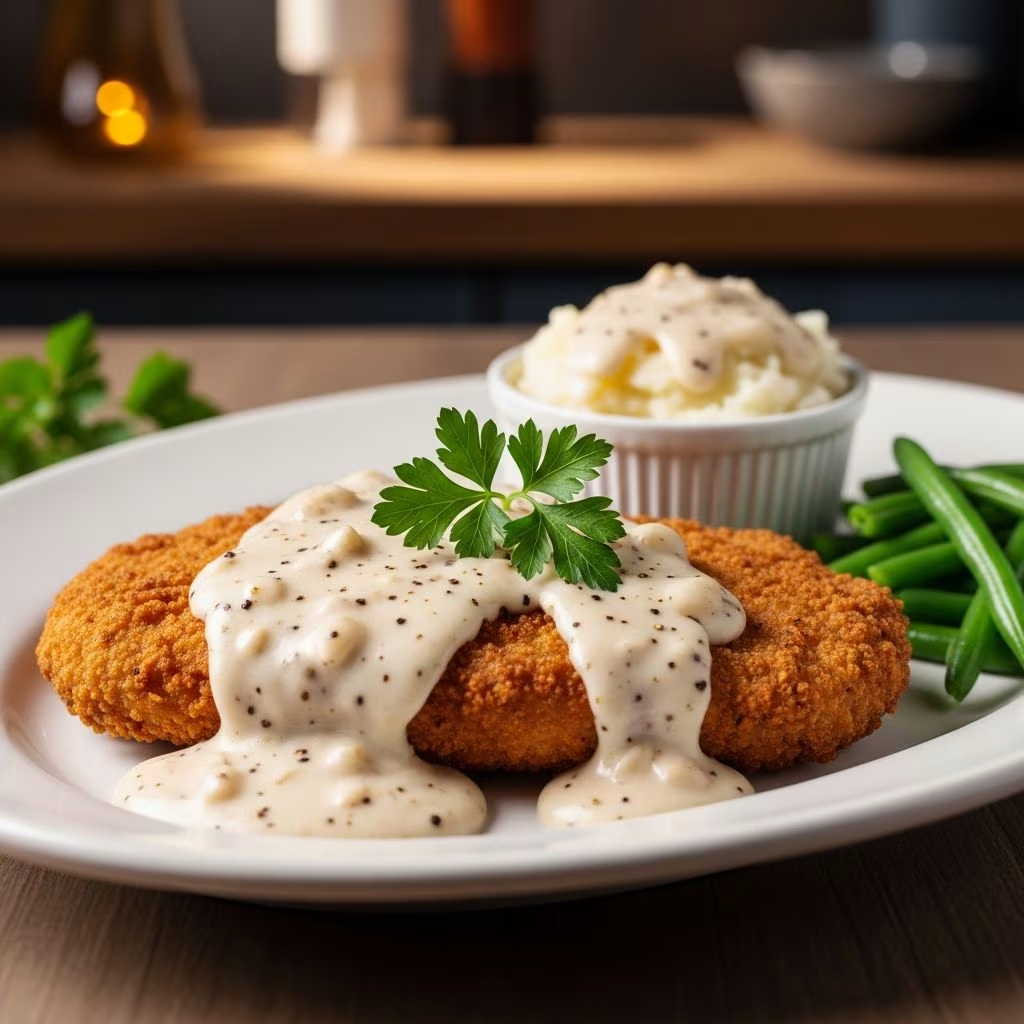
Country fried steak represents one of the most beloved comfort foods in American Southern cuisine. This hearty dish combines tender beef cutlets with a golden, crispy exterior and is traditionally served beneath a blanket of silky, savory milk gravy. Despite its name, this preparation method owes more to chicken frying techniques than traditional steak cooking, making it an accessible yet impressive dish for home cooks of all skill levels.
Understanding the Foundation: Selecting Your Beef
The success of country fried steak begins with choosing the right cut of beef. Cube steaks, also known as tenderized beef round steaks, form the ideal foundation for this dish. These cuts come pre-tenderized through a mechanical process that breaks down muscle fibers, making them tender enough to cook quickly while remaining flavorful. Each steak typically weighs between 3 to 5 ounces, providing a perfect portion size for individual servings.
When purchasing cube steaks at your local butcher or grocery store, look for pieces that display good marbling and a deep red color. Avoid steaks that appear excessively pale or contain excessive surface moisture, as these indicators suggest less desirable quality or improper handling. Many recipes call for four to eight steaks, depending on your party size and appetite levels.
The Breading Process: Creating the Perfect Crust
The coating transforms ordinary steak into the crispy, golden creation that defines this dish. Begin by preparing two separate shallow vessels for your breading station. In the first bowl, combine all-purpose flour with your chosen seasonings. Traditional options include salt, black pepper, and ground paprika, though many Southern cooks incorporate additional flavors such as garlic powder, onion powder, or cayenne pepper for extra depth.
In a second vessel, prepare your liquid breading medium. While some recipes employ a simple mixture of milk and beaten eggs, others use buttermilk alone or add a dash of hot sauce for complexity. The liquid medium should be well-combined but not necessarily smooth—slight texture helps the flour coating adhere more effectively.
Essential breading tips:
- Allow steaks to reach room temperature before breading for more even cooking
- Pat steaks dry with paper towels to eliminate excess surface moisture
- Season meat on both sides with salt and pepper before dredging
- Dredge thoroughly in flour, shaking off excess to prevent clumpy buildup
- For extra crispiness, dip in liquid again after flour coating
- Allow breaded steaks to rest on a clean plate for 5-10 minutes before frying
The Frying Method: Achieving Golden Perfection
Proper frying technique determines whether your country fried steak emerges tender and juicy or dry and tough. Begin by heating vegetable oil to the appropriate temperature in a large, heavy-bottomed skillet. The oil should measure at least one inch deep to allow steaks to cook evenly. Cast iron skillets work particularly well due to their superior heat distribution and retention properties.
When the oil reaches the ideal temperature—approximately medium-high heat until a small piece of bread sizzles immediately upon contact—carefully add your first batch of breaded steaks. Avoid overcrowding the pan, as this reduces oil temperature and creates steam that prevents proper browning. Cook steaks for approximately 5 minutes per side, until the exterior transforms to an appealing golden-brown color with a slight crispness.
Once the steaks achieve the desired color, transfer them immediately to a paper towel-lined baking sheet to drain excess oil. This step prevents the coating from becoming soggy while allowing the exterior to maintain its crispy texture. If preparing multiple batches, maintain consistent oil temperature between additions to ensure uniform results across all steaks.
Crafting the Signature Milk Gravy
The creamy milk gravy elevates country fried steak from simple to extraordinary. This component relies on a time-tested technique that transforms the flavorful bits left in the pan into a luxurious sauce.
Begin by carefully pouring off most of the cooking oil, leaving approximately 3 to 4 tablespoons along with the browned flour particles and meat drippings accumulated on the pan bottom. These flavorful remnants, known as fond, provide crucial depth to your finished gravy. Reduce the heat to medium to prevent scorching.
Sprinkle additional flour—typically 2 to 4 tablespoons—directly into the remaining oil and drippings. Using a wooden spoon, stir constantly, ensuring the flour combines completely with the fat to create a smooth paste called a roux. Continue cooking this mixture for 1 to 2 minutes, allowing the raw flour taste to cook away while the color deepens slightly.
Gravy composition guidelines:
| Ingredient | Amount | Purpose |
|---|---|---|
| Butter or Oil | 3-4 tablespoons | Base for roux and fat delivery |
| All-Purpose Flour | 2-4 tablespoons | Thickening agent |
| Whole Milk | 1.5-2 cups | Primary liquid component |
| Evaporated Milk | Optional: 0.5-1 cup | Enhanced richness |
| Salt and Pepper | To taste | Seasoning |
Gradually add your milk to the roux mixture, whisking continuously. This gradual incorporation prevents lump formation and ensures a smooth final consistency. Some cooks begin with a small amount of evaporated milk before adding whole milk, as the concentrated dairy product creates a particularly rich texture. Continue whisking for 3 to 5 minutes until the gravy reaches your desired thickness and any remaining flour particles fully dissolve.
Season the completed gravy generously with salt and freshly ground black pepper. Many traditional recipes emphasize abundant pepper, which provides both visual appeal and assertive flavor. Taste and adjust seasonings as needed, keeping in mind that gravy flavors intensify slightly as it cools.
Assembly and Serving Techniques
Return the fried steaks to the skillet containing the finished gravy, ensuring they become fully coated on both sides. Reduce the heat to its lowest setting and cover the skillet. Allow everything to simmer together for 15 to 20 minutes, which gives the steaks time to absorb the gravy flavors while remaining perfectly tender. This final step creates a cohesive dish where flavors meld together beautifully.
Transfer the completed country fried steak and gravy to serving plates, ensuring each portion receives generous gravy coverage. Traditional accompaniments include warm buttermilk biscuits, mashed potatoes, or fluffy white rice—all excellent vehicles for capturing every drop of the savory sauce. Fresh green onion slices scattered across the top add visual interest and provide a subtle onion accent.
Ingredient Quality and Sourcing Considerations
The quality of individual components significantly influences the final dish’s success. Whole milk produces the creamiest results, though some cooks appreciate the extra richness that a combination of whole milk and evaporated milk provides. Avoid skim or low-fat options, as they lack the body necessary for proper gravy consistency and mouthfeel.
All-purpose flour serves as the standard thickening agent and works reliably throughout the recipe. Some specialty cooks experiment with alternatives like cornstarch, though traditional recipes maintain the classic flour approach. Fresh, high-quality butter delivers superior flavor in the gravy roux, though vegetable oil works adequately as a more economical substitute.
Seasonings deserve equal attention to the primary components. Freshly ground black pepper provides far superior flavor compared to pre-ground varieties, which lose volatile compounds over time. If available, sea salt or kosher salt offers more complex mineral notes than standard table salt. For cooks seeking additional depth, incorporating garlic powder, onion powder, or white pepper into the breading flour creates interesting variations while maintaining traditional character.
Common Challenges and Solution Strategies
Lumpy Gravy: Ensure thorough whisking during milk incorporation and cook the completed gravy over low heat while continuing to stir. If lumps do form, press the gravy through a fine-mesh strainer before returning it to the heat.
Gravy Too Thick: Gradually whisk in additional milk, one tablespoon at a time, until reaching desired consistency. Remember that gravy thickens further as it cools, so aim for slightly thinner results during cooking.
Gravy Too Thin: Create a slurry by mixing equal parts flour and cold milk, then whisk this mixture into the simmering gravy. Increase the flour quantity incrementally until proper consistency develops.
Tough or Dried-Out Steaks: Confirm that your oil temperature remains at medium-high heat rather than extremely hot, which can overcook the exterior before the interior finishes. Avoid pressing steaks against the pan with your spatula, as this squeezes out valuable juices.
Oil Splattering Excessively: Reduce heat slightly and ensure steaks are patted as dry as possible before entering the oil. Use a splatter screen if available, or angle the pan lid slightly to deflect hot oil.
Frequently Asked Questions
Can I prepare country fried steak in advance? You can bread the steaks several hours ahead and refrigerate them until cooking time. Allow them to reach room temperature before frying. The completed dish reheats adequately over low heat with the addition of a splash of milk to restore gravy consistency.
What oil works best for frying? Vegetable oil, canola oil, or peanut oil all perform well due to their high smoke points. Avoid olive oil and butter, which break down at frying temperatures.
How do I prevent the breading from falling off during frying? Ensure steaks are completely dry before breading, use a liquid breading medium that adheres properly, and allow breaded steaks to rest for 5-10 minutes before cooking.
Can I use a different cut of beef? While cube steaks remain traditional, tenderized round steak or thin-cut chuck steak work adequately. Avoid premium cuts like ribeye or tenderloin, as their cost doesn’t justify the preparation method.
Is buttermilk necessary, or can I substitute regular milk? While buttermilk adds tangy complexity, regular milk combined with a small amount of vinegar or lemon juice creates an acceptable substitute.
Storage and Make-Ahead Guidance
Leftover country fried steak stores properly in airtight containers for up to three days when refrigerated. Reheat gently in a low-temperature oven at 325°F for approximately 15 minutes, adding a small splash of milk to the gravy to restore its original consistency. Avoid microwaving, which can result in uneven heating and toughened steaks.
The dish does not freeze well due to textural changes that occur when the breaded coating thaws, though you can freeze uncooked, breaded steaks for up to two months. Cook directly from frozen, adding 2 to 3 minutes to the cooking time per side.
References
- Paula Deen’s Country Fried Steak with Milk Gravy Recipe — Paula Deen Official Website. Accessed April 2026. https://www.pauladeen.com/recipe/country-fried-steak-with-milk-gravy/
- Southern Plate’s Southern Cubed Steak and Milk Gravy — Southern Plate. Accessed April 2026. https://www.southernplate.com/southern-steak-and-milk-gravy/
- Divas Can Cook’s Chicken Fried Steak with Creamy White Gravy — Divas Can Cook. Accessed April 2026. https://divascancook.com/chicken-fried-steak-country-gravy/
- Gift of Hospitality’s Easy White Gravy Recipe — Gift of Hospitality. Accessed April 2026. https://www.giftofhospitality.com/easy-white-gravy-recipe/
- Beef It’s What’s For Dinner Classic Country-Fried Steaks & Gravy — Beef Industry. Accessed April 2026. https://www.beefitswhatsfordinner.com/recipes/recipe/55863/classic-country-fried-steaks-gravy