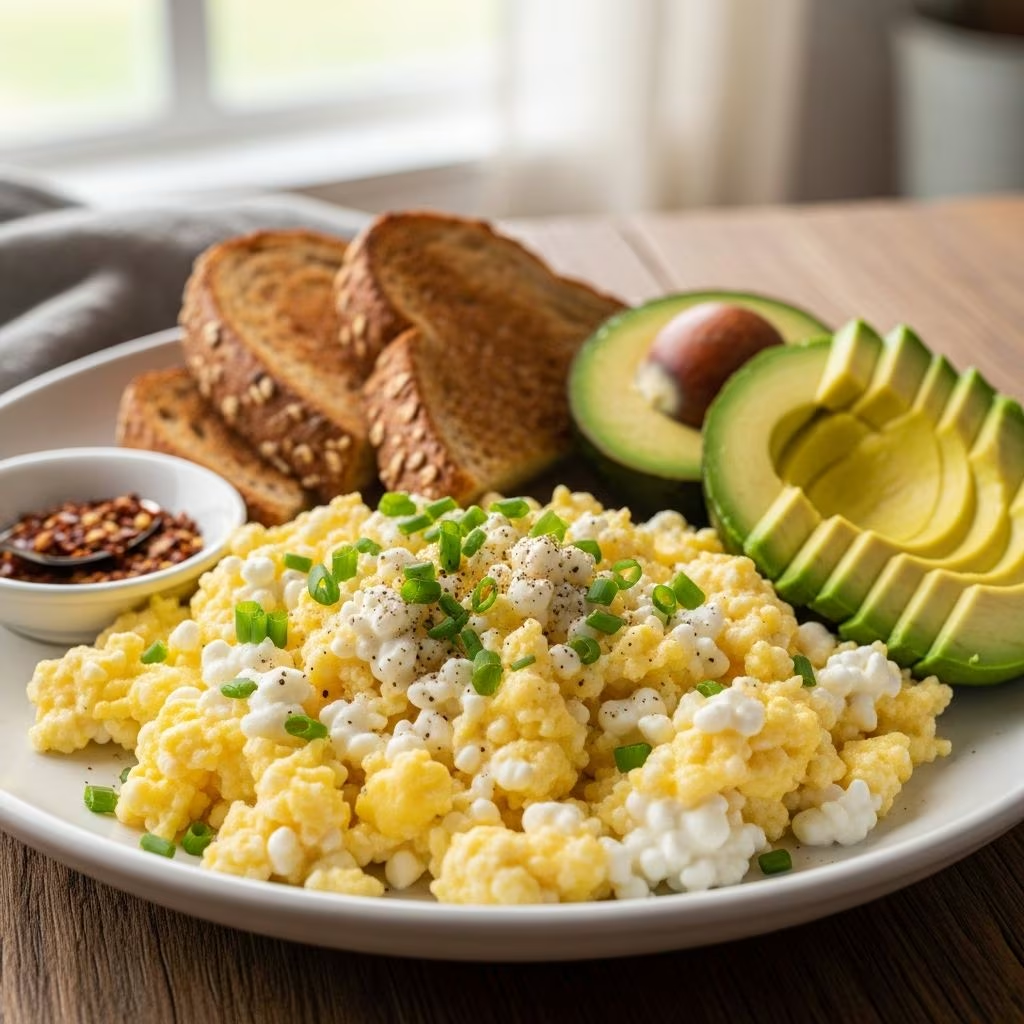
Breakfast sets the tone for your entire day, and what better way to start than with a nourishing dish that combines simplicity with nutritional powerhouse ingredients? Cottage cheese scrambled eggs represent a modern culinary innovation that transforms a classic morning staple into something remarkably more satisfying and protein-dense. This humble combination takes just five minutes to prepare yet delivers substantial nutritional benefits that keep you energized throughout your morning.
The beauty of this preparation lies in its ability to elevate everyday ingredients into something genuinely special. By incorporating cottage cheese into your scrambled eggs, you’re not just adding flavor—you’re fundamentally transforming the texture, nutritional profile, and overall eating experience. Whether you’re following a specific dietary approach or simply seeking ways to make breakfast more fulfilling, this method offers a straightforward solution backed by both culinary technique and nutritional science.
Understanding the Nutritional Advantages
One of the primary reasons cottage cheese scrambled eggs have gained popularity among health-conscious individuals is their impressive protein content. A single serving of this dish provides approximately 17 grams of protein, making it an excellent choice for those seeking to increase protein intake without complicated meal preparation. This protein boost comes from the combination of eggs—already a complete protein source—and the additional contribution from cottage cheese.
Beyond protein, this combination offers several nutritional benefits:
- Enhanced satiety that extends well into mid-morning, reducing snacking urges
- Stable blood sugar levels due to the balanced macronutrient profile
- Bioavailable amino acids essential for muscle maintenance and recovery
- Micronutrients including selenium, choline, and B vitamins from eggs
- Calcium and other minerals from cottage cheese
The versatility of this dish makes it suitable for various dietary frameworks, including keto-friendly, low-carbohydrate, gluten-free, and vegetarian approaches. The carbohydrate content remains minimal when prepared according to traditional methods, making it particularly appealing to those managing blood sugar or following specific macronutrient guidelines.
Selecting Quality Ingredients for Optimal Results
The excellence of any dish fundamentally depends on ingredient selection. Understanding which components to choose and why can significantly impact your final result.
The Eggs: Foundation of Your Dish
Begin with large, fresh eggs as your starting point. The size ensures adequate volume for proper cooking and texture development. Egg freshness matters more than many home cooks realize—fresher eggs produce better results when scrambled, as the proteins interact more favorably during cooking. If possible, source eggs from pasture-raised hens, which often provide richer yolks and superior flavor compared to conventionally raised alternatives.
Cottage Cheese: The Secret Component
Cottage cheese functions as the transformative ingredient in this preparation. Rather than dominating the flavor profile, it works behind the scenes to create exceptional creaminess and add protein density. Full-fat varieties deliver superior results compared to reduced-fat options, offering richer texture and better mouthfeel. Brands like Good Culture have gained recognition among culinary enthusiasts for their quality and smooth consistency. If standard cottage cheese proves difficult to find or unavailable, farmer cheese serves as an excellent alternative, providing similar textural benefits.
Butter: The Finishing Touch
Never underestimate the importance of quality butter in this preparation. High-quality unsalted butter—whether grass-fed or European-style—contributes significantly to flavor and mouthfeel. Beyond taste, butter added during the final stages of cooking serves a practical purpose: it stops the cooking process while creating a glossy, luxurious finish that elevates the entire dish.
Seasonings and Flavor Enhancers
Keep your seasoning approach refined yet intentional. Salt and freshly ground black pepper form the foundation, while a light pinch of paprika introduces subtle warmth and visual appeal. Fresh chives provide delicate onion notes and color contrast without overwhelming the dish’s natural flavors. These classical accompaniments allow the primary ingredients to shine while adding complexity.
The Technical Approach to Perfect Texture
Achieving the ideal texture—silky, creamy, and never rubbery—requires understanding the cooking technique and temperature control. This isn’t simply about heat; it’s about managing the cooking environment to coax out the best qualities from your ingredients.
The Initial Combination Process
Begin by whisking your eggs thoroughly with cottage cheese, salt, pepper, and paprika in a medium bowl. The whisking action ensures even distribution of ingredients and creates the foundation for uniform cooking. Some home cooks prefer using a blender for this stage, which produces an even smoother consistency, though hand whisking yields satisfactory results for most preferences.
Heat Management and the On-Off Technique
Place your nonstick skillet over medium-low heat—this temperature proves critical for success. Add half your butter portion and allow it to become foamy before introducing the egg mixture. Once the eggs enter the pan, resist the urge to increase heat. Instead, employ the on-off heat technique that distinguishes this method from conventional scrambled egg preparation.
Every thirty seconds, remove your pan from the heat while continuing to stir with a rubber spatula. After approximately ten seconds of off-heat stirring, return the pan to the burner and repeat. This rhythm—which might seem unconventional—prevents the bottom layer from overcooking while allowing residual heat to continue cooking the eggs gently. The technique requires patience but produces consistently superior results.
Achieving the Perfect Doneness
The endpoint matters tremendously in this preparation. You’re targeting a stage where eggs are nearly set but retain visible softness and slight runniness. This is when you introduce your remaining butter and stir gently until just cooked through. The eggs should appear glossy and silky, never dry or curdled. Remove from heat immediately upon reaching this stage—carryover cooking will continue the process even off the burner.
Presentation and Serving Suggestions
While cottage cheese scrambled eggs shine on their own, thoughtful presentation enhances both visual appeal and eating experience. Consider these serving approaches:
| Serving Style | Accompanying Components | Flavor Profile |
|---|---|---|
| Classic Toast Base | Mashed avocado on whole grain toast, shredded Parmesan, fresh chives | Creamy, savory, with vegetable undertones |
| Vegetable-Forward | Sautéed spinach, mushrooms, or bell peppers mixed into eggs | Earthy, enhanced complexity |
| Mediterranean | Feta cheese, fresh dill, cherry tomatoes on the side | Tangy, herbaceous, bright |
| Minimalist Approach | Simply plated with a sprinkle of sea salt and black pepper | Pure, allowing ingredient quality to stand out |
Serve immediately for optimal texture and temperature. The silky quality that defines this dish diminishes if allowed to cool, so having your plate and serving components ready before cooking ensures the best experience.
Creative Variations and Adaptations
While the basic preparation provides excellent results, experimentation allows you to customize this dish to your preferences and available ingredients.
Flavor Profile Variations
Transform the taste experience by adjusting seasonings:
- Italian Inspiration: Add garlic powder, dried basil, and oregano for Mediterranean notes
- Mexican-Influenced: Incorporate chili powder, cumin, and a squeeze of lime juice
- Smoky Depth: Introduce smoked paprika and a touch of cayenne for added complexity
- Asian-Inspired: Use white pepper, sesame oil, and green onions for East Asian characteristics
Ingredient Additions
Beyond seasoning variations, consider adding complementary ingredients:
- Fresh vegetables such as diced tomatoes, sautéed mushrooms, or fresh spinach
- Cheese additions including crumbled feta, grated cheddar, or shredded Swiss
- Herbs like fresh parsley, dill, tarragon, or cilantro
- Proteins such as smoked salmon, crispy bacon bits, or plant-based alternatives
Scaling for Different Serving Sizes
The base recipe serves one to two individuals effectively. To accommodate larger groups, proportionally double or triple the ingredients. The cooking technique remains consistent regardless of batch size, though cooking time may extend slightly with increased volume.
Equipment Essentials for Success
While simple in execution, this dish benefits from appropriate equipment. A nonstick skillet prevents sticking and allows gentle manipulation of eggs. A rubber spatula—rather than metal utensils—protects the nonstick surface while providing the gentle scraping action necessary for proper texture development. Medium-sized bowls for whisking and a fork or whisk for combining ingredients round out your basic requirements.
Frequently Asked Questions
Can I use low-fat or fat-free cottage cheese?
While technically possible, full-fat varieties deliver superior results. Low-fat options tend to produce slightly less creamy results, though they remain acceptable if that’s your only available option. The reduced fat content affects both texture and flavor development.
What if my eggs turn out rubbery?
Rubbery eggs typically result from excessive heat or overcooking. Lower your heat setting for future attempts and employ the on-off technique more rigorously. Remove the pan from heat slightly earlier than you think necessary—carry over cooking continues the process.
Can I prepare the egg mixture ahead of time?
Yes, you can whisk the eggs with cottage cheese and seasonings up to several hours in advance. Store in the refrigerator and cook when ready. This preparation actually saves time during busy mornings.
Are there suitable substitutes for cottage cheese?
Farmer cheese works excellently as a direct substitute. Ricotta offers another option, though its slightly different texture may require minor technique adjustments. Greek yogurt can work in a pinch, though it introduces tanginess some may not prefer.
How does this compare nutritionally to regular scrambled eggs?
The cottage cheese addition approximately doubles the protein content compared to standard scrambled eggs prepared with the same number of eggs. Beyond protein, you gain additional calcium and other micronutrients from the cottage cheese component.
Troubleshooting Common Issues
Even experienced cooks encounter occasional challenges. Understanding common problems and their solutions builds confidence:
- Eggs cooking too quickly: Reduce heat further and employ the on-off technique more frequently
- Grainy or curdled texture: This indicates overcooking; next time, remove from heat earlier
- Bland flavor: Ensure adequate seasoning and use quality butter; taste-test for salt adjustment
- Eggs sticking to pan: Verify nonstick surface integrity and ensure adequate butter coating
Incorporating Into Your Routine
This dish’s five-minute preparation time makes it practical for busy weekday mornings while remaining special enough for weekend leisure dining. The high protein content supports muscle maintenance and provides satiety that extends well into your day, potentially reducing overall calorie consumption and snacking impulses.
Consider preparing this dish two to three times weekly as part of a balanced breakfast rotation. The combination of nutritional density, quick preparation, and satisfying flavor creates a sustainable addition to most dietary approaches and lifestyles.
References
- USDA FoodData Central: Eggs and Cottage Cheese Nutritional Information — United States Department of Agriculture. 2024. https://fdc.nal.usda.gov/