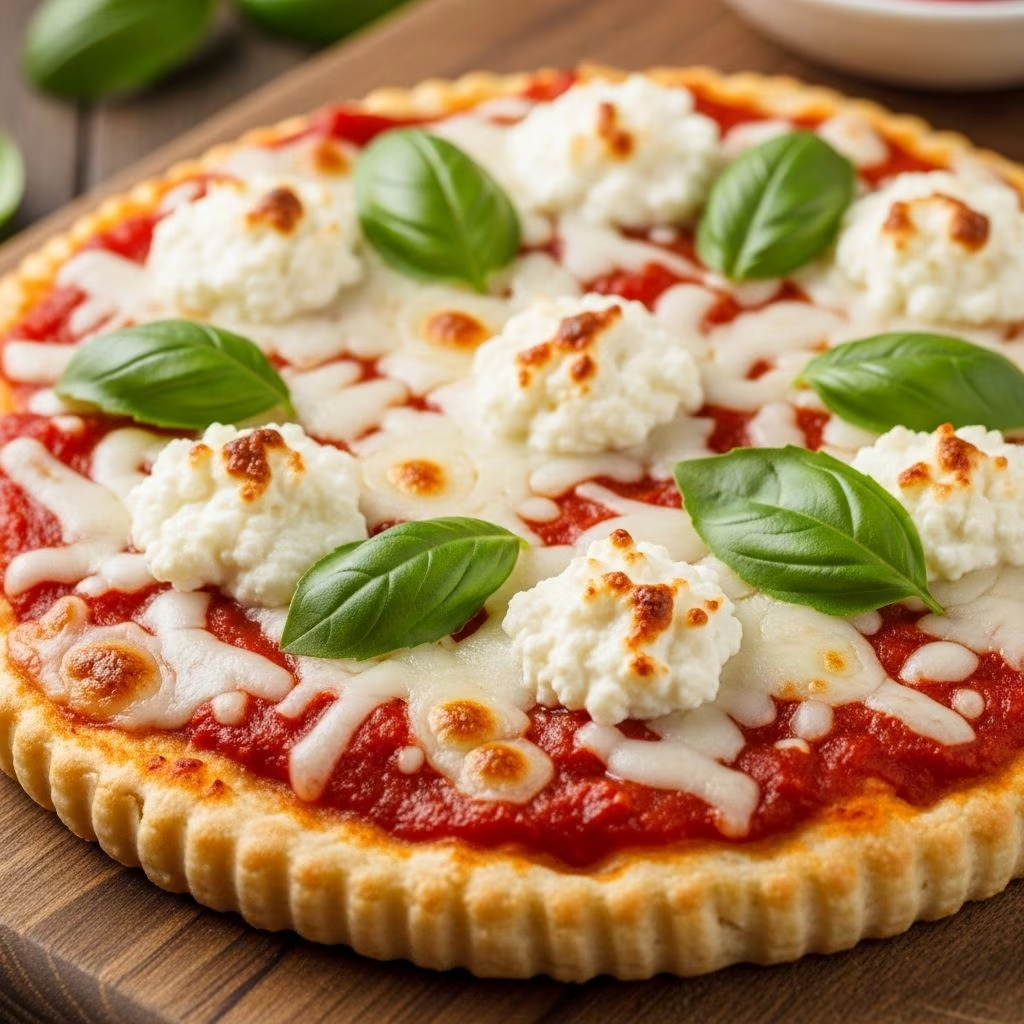
Pizza remains one of the most beloved comfort foods across the globe, but traditional crust recipes are often heavy on carbohydrates and light on nutritional value. For those seeking a healthier approach to this classic dish without sacrificing taste or satisfaction, cottage cheese pizza offers a compelling solution. This innovative take on pizza leverages the protein-rich properties of cottage cheese to create a crust that is both nutritionally superior and surprisingly delicious.
The beauty of cottage cheese as a pizza base lies in its versatility and nutritional profile. Unlike conventional pizza dough that requires yeast, lengthy fermentation, and multiple rising periods, a cottage cheese foundation can be prepared in under thirty minutes. This makes it an ideal choice for busy individuals, fitness enthusiasts, and anyone looking to streamline their cooking process without compromising on flavor or presentation.
Understanding the Nutritional Advantages
One of the primary reasons cottage cheese has emerged as a preferred pizza crust alternative is its impressive protein content. A single serving of cottage cheese pizza can deliver between 40 to 51 grams of protein, depending on the specific recipe and portion size. This substantial protein contribution makes the dish particularly attractive to individuals following fitness regimens, athletes in training, or those adhering to high-protein dietary patterns.
Beyond protein, cottage cheese brings several other nutritional benefits to the table. The dairy product contains essential amino acids necessary for muscle repair and recovery. Additionally, it provides calcium for bone health and contains probiotics in certain varieties, which support digestive wellness. When combined with whole grain flour options and nutrient-rich toppings, cottage cheese pizza transforms from a simple indulgence into a genuinely nutritious meal.
The low-fat or fat-free varieties of cottage cheese work particularly well for pizza making, as they minimize excess moisture in the crust while maintaining the protein density. This distinction proves crucial when aiming for the ideal crust texture—one that remains somewhat chewy while developing crispy edges during baking.
Essential Ingredients for Success
Creating a successful cottage cheese pizza requires understanding which ingredients work harmoniously together. The foundational components are straightforward and likely already present in most kitchens:
- Cottage cheese: The star ingredient, preferably low-fat or reduced-fat varieties with small curds for optimal blending and moisture control
- Eggs: Act as a binding agent and contribute additional protein to the mixture
- Flour: All-purpose flour works excellently, though alternatives like spelt flour or other whole grain options can be substituted based on dietary preferences
- Seasonings: Garlic powder, onion powder, dried oregano, and Italian seasoning create an authentic pizza flavor foundation
- Baking powder: Helps the crust achieve a lighter, airier texture
- Salt and pepper: Essential for balancing flavors
For toppings, the classic combination includes pizza sauce or marinara, shredded mozzarella or low-fat cheese blends, and protein additions like pepperoni or turkey pepperoni. However, the beauty of this recipe format allows for substantial customization, accommodating vegetarian preferences, specific dietary restrictions, and personal taste inclinations.
The Preparation Process Explained
The preparation methodology for cottage cheese pizza distinguishes itself through remarkable simplicity. Understanding each step ensures optimal results and helps prevent common mistakes that can affect the final product’s texture and flavor.
Step 1: Preparation and Mixing
Begin by preheating your oven to approximately 350-375°F (175-190°C). Line a baking sheet with parchment paper to facilitate easy removal and cleanup. In a large mixing bowl, combine one cup of cottage cheese with two large eggs. Add your chosen flour—typically one-quarter cup of all-purpose flour—along with the seasonings: one teaspoon each of garlic powder and onion powder, plus one-half teaspoon of dried oregano.
The critical aspect of this step involves achieving a smooth, well-combined mixture without over-processing. Using a spatula or wooden spoon, stir the ingredients until they reach a uniform consistency. This approach differs from high-speed blending, which can introduce excess air and create an undesirable texture. The goal is a texture that appears cohesive and ready for spreading, not a thin batter.
Step 2: Shaping the Crust
Spread the cottage cheese mixture onto your parchment-lined baking sheet, forming a circular shape approximately eight inches in diameter. The thickness should be moderate—thin enough to bake through completely but thick enough to provide structural integrity. Some recipes suggest creating a slightly thicker border around the edges to develop a crust-like rim.
Step 3: The Initial Bake
Place the shaped crust into your preheated oven for approximately 10 to 15 minutes, depending on your oven’s characteristics and the thickness of your crust. The objective is to set the crust enough that it can support toppings without becoming excessively dry or crispy. The surface should appear slightly firm to the touch, with perhaps a light browning visible on the edges.
Step 4: Adding Toppings and Final Bake
Remove the partially baked crust from the oven and distribute your pizza sauce evenly across the surface, leaving a small margin around the edges if you prefer a crust-like border. Distribute cheese and additional toppings according to preference. Return the pizza to the oven for an additional 5 to 7 minutes, allowing the cheese to melt completely and any cooked toppings to reach the desired doneness.
Customization and Topping Combinations
One of the significant advantages of cottage cheese pizza lies in its adaptability to various flavor profiles and dietary preferences. The neutral base pairs exceptionally well with numerous topping combinations, allowing for both traditional and creative applications.
Classic Meat Lover’s Approach
For those preferring traditional pizza flavors, combining pepperoni or turkey pepperoni with mozzarella cheese creates a satisfying, familiar experience. Turkey pepperoni offers a leaner alternative without compromising on flavor intensity. Many recipes recommend approximately two ounces of pepperoni as an appropriate portion for a single-serving pizza.
Fresh Vegetable-Forward Options
Incorporating fresh produce transforms the pizza into a lighter, more nutrient-dense meal. Zucchini, cherry tomatoes, and corn create a summery combination with bright, fresh flavors. These vegetables require minimal preparation—simply slice thinly or halve (in the case of cherry tomatoes) before distributing across the cheese layer.
Flavor Enhancement Strategies
A sprinkle of fresh basil, grated parmesan cheese, or chili flakes applied after baking adds finishing touches that elevate the overall dish. Some variations incorporate flavored cottage cheese varieties, such as salt and pepper or herb-infused options, providing an additional layer of complexity to the crust itself.
Texture Profile and Flavor Expectations
Those approaching cottage cheese pizza for the first time often wonder how the final product compares to traditional pizza in terms of texture and eating experience. The reality is that cottage cheese crust creates a unique textural experience that many find surprisingly satisfying.
The crust tends to be chewy with crispy edges—remarkably similar to certain artisanal pizza styles. The slight moisture from the cottage cheese and egg combination creates a tender interior, while proper baking develops a golden, crisp exterior. This textural contrast provides an engaging eating experience that distinguishes it from heavier, denser traditional crusts.
Flavor-wise, the cottage cheese itself remains relatively neutral when properly seasoned, allowing the sauce, cheese, and toppings to take center stage. The addition of garlic powder, onion powder, and oregano ensures the crust carries its own seasoning profile rather than serving as a blank canvas. This approach creates a more cohesive, integrated pizza experience.
Timing and Convenience Factors
For individuals with hectic schedules or those seeking quick meal solutions, cottage cheese pizza addresses a significant gap in convenient healthy eating. From ingredient assembly to serving, the entire process requires approximately 20 to 30 minutes—a dramatic reduction compared to traditional yeast-based pizza dough, which can demand several hours including rising time.
This rapid preparation timeline makes cottage cheese pizza viable for weeknight dinners, meal prep activities, or unexpected entertaining scenarios. The simplicity of ingredients means minimal grocery shopping complexity, and most components maintain reasonable shelf stability for impulsive cooking decisions.
Storage and Reheating Considerations
Like conventional pizza, cottage cheese pizza stores effectively in refrigerated conditions. Leftover slices can be wrapped individually or stored in an airtight container for up to three days. Reheating can be accomplished through several methods: a conventional oven set to 350°F for 5 to 10 minutes to restore crispness, a toaster oven for quicker warming, or even a microwave for convenience, though the latter may result in a softer crust.
The pizza can also be frozen for extended storage, lasting several weeks in a freezer. Thaw overnight in the refrigerator before reheating, or reheat directly from frozen with an additional few minutes of cooking time.
Dietary Accommodations and Variations
Cottage cheese pizza demonstrates remarkable flexibility for accommodating various dietary approaches. Vegetarian versions simply omit meat products while maintaining the protein-rich foundation. Dairy-free adaptations using plant-based cheese alternatives can be explored, though the crust itself remains dairy-based.
For those avoiding certain grains, flour substitutions offer viable alternatives. Coconut flour, almond flour, or grain-free flour blends can replace traditional all-purpose flour, though adjustments to liquid ratios may be necessary to achieve the correct consistency.
Frequently Asked Questions
Can I use full-fat cottage cheese for this recipe?
Yes, full-fat cottage cheese works, though it may result in a slightly moister crust. Low-fat or fat-free varieties are generally recommended for optimal texture and easier handling during shaping and baking.
What if my cottage cheese is too watery?
Drain the cottage cheese through a fine-mesh strainer before using, or select brands known for lower liquid content. This step significantly impacts the final crust texture.
Can this crust be made in an air fryer?
Yes, air fryer preparation is possible, typically at similar temperatures with slightly reduced cooking times due to the appliance’s efficient heating properties.
Is this suitable for meal prepping?
Absolutely. The crust can be prepared in advance and stored refrigerated until assembly with toppings is desired, making it excellent for meal preparation routines.
Does the crust rise during baking?
Minimal rising occurs compared to yeast-based doughs. The crust may puff slightly due to the egg and baking powder, but the primary rise has occurred before topping application.
References
- High Protein Cottage Cheese Pizza Crust — Healthy Fitness Meals. 2026. https://healthyfitnessmeals.com/cottage-cheese-pizza-crust/
- Cottage Cheese Pizza Bowl Recipe — The Protein Chef. 2026. https://theproteinchef.co/cottage-cheese-pizza-bowl-recipe/
- Cottage Cheese Pizza — Well Plated. 2026. https://www.wellplated.com/cottage-cheese-pizza/
- Summery Cottage Cheese Pizza — Cooking for Keeps. 2026. https://www.cookingforkeeps.com/summery-cottage-cheese-pizza/
- Viral Cottage Cheese Pizza — Patiispage. 2026. https://patiispage.substack.com/p/viral-cottage-cheese-pizza
- My New Favorite Pizza Has a Cottage Cheese Crust — Pinch of Yum. 2026. https://pinchofyum.com/my-new-favorite-pizza-has-a-cottage-cheese-crust