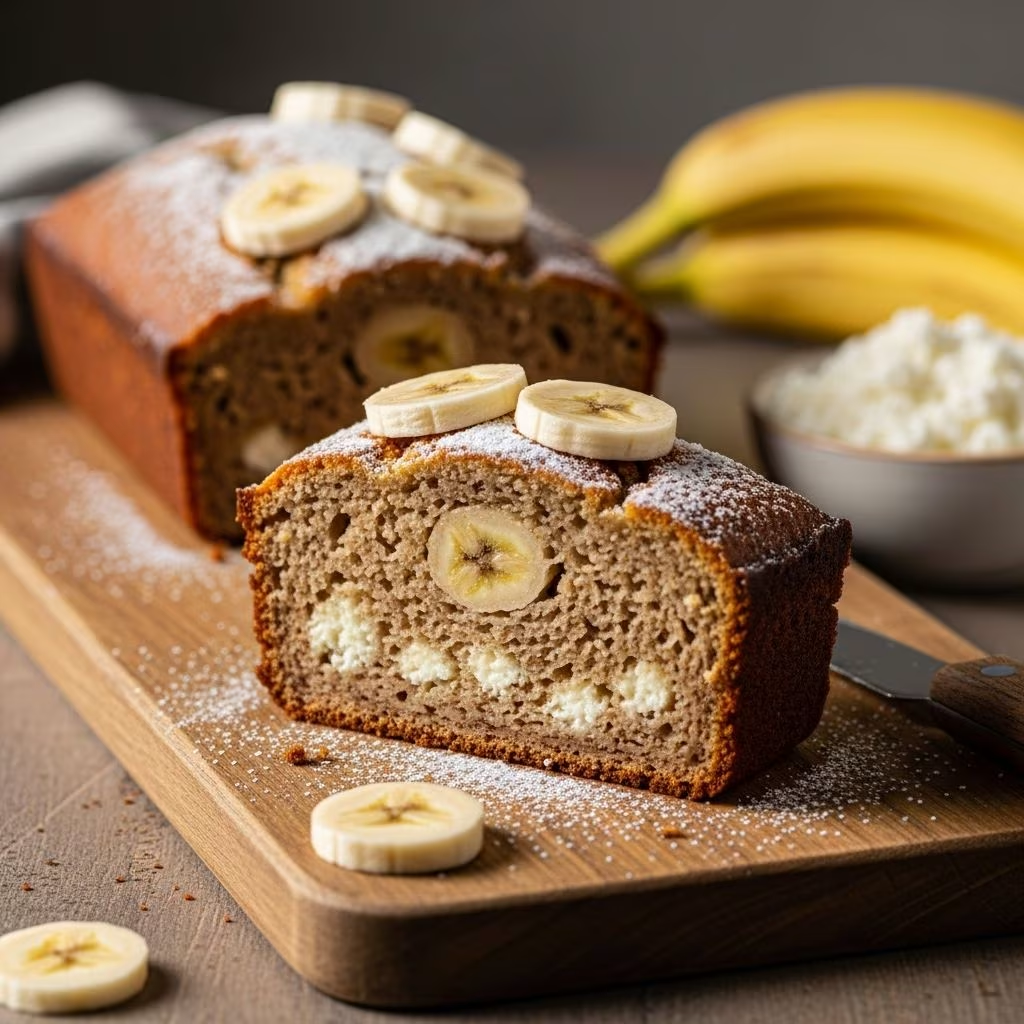
Banana bread has long been a beloved staple in home kitchens, cherished for its simplicity and comforting flavors. However, modern home bakers are discovering ways to elevate this traditional recipe by incorporating unexpected ingredients that enhance both nutrition and texture. One such innovation involves using cottage cheese as a key component, transforming the humble banana loaf into something more substantial and satisfying.
This approach to banana bread preparation introduces a dairy element that fundamentally changes how the bread develops during baking. Rather than relying solely on eggs and oil for moisture and structure, cottage cheese provides a unique combination of proteins and nutrients that contribute to a distinctly tender crumb while boosting the overall nutritional profile of each slice.
Understanding the Role of Cottage Cheese in Baking
Cottage cheese functions as more than just another ingredient in this recipe—it serves multiple purposes that work together to create superior results. When blended into the batter, cottage cheese provides moisture without adding excessive oil, while simultaneously increasing the protein content significantly compared to traditional banana bread recipes.
The dairy component also creates a distinctive tenderness in the finished loaf. This occurs because cottage cheese contains whey and casein proteins that interact with flour gluten networks differently than eggs alone would. The result is a crumb structure that feels delicate and moist, even when the bread has been stored for several days.
Additionally, cottage cheese contributes natural creaminess that helps bind all the wet ingredients together seamlessly. This binding action reduces the need for excessive amounts of oil or butter, making the final product less heavy while maintaining that sought-after moistness that distinguishes exceptional banana bread from dry, crumbly versions.
Essential Ingredients and Their Functions
Creating successful cottage cheese banana bread requires understanding how each ingredient contributes to the final product. Below is a breakdown of the key components and their roles:
| Ingredient | Amount | Function |
|---|---|---|
| Ripe Bananas | 2-3 medium | Provides natural sweetness, moisture, and distinctive flavor |
| Cottage Cheese | 1/2 to 1 cup | Adds protein, moisture, and creates tender crumb structure |
| Eggs | 2-3 large | Binds ingredients and provides leavening assistance |
| All-Purpose Flour | 1.5-2 cups | Forms the bread structure and framework |
| Baking Soda | 1 teaspoon | Reacts with acidic components to create rise |
| Oil or Butter | 1/3 to 1/2 cup | Adds richness and helps distribute moisture throughout |
The selection of bananas deserves special attention. Overripe bananas with brown speckles on the skin contain higher concentrations of natural sugars and are softer, making them ideal for this recipe. They mash more easily and distribute their sweetness evenly throughout the batter.
The cottage cheese choice also matters. Full-fat versions provide more richness and superior moisture retention, though low-fat varieties work adequately if that fits your dietary preferences. The slight lumpiness that sometimes remains in low-fat cottage cheese does not negatively impact the final texture.
Preparation Methods and Techniques
Success with cottage cheese banana bread begins before you even start measuring ingredients. Proper preparation sets the stage for a loaf that bakes evenly and develops the desired texture.
Preparing Your Workspace and Equipment
Start by positioning your oven rack to the middle position and preheating your oven to 350°F. This temperature allows the bread to bake through without the exterior browning too quickly. While the oven preheats, prepare your loaf pan by lining it with parchment paper and lightly greasing the exposed surfaces. This dual approach prevents sticking while allowing easy removal once the bread cools.
Blending the Cottage Cheese
One crucial step that distinguishes this recipe involves blending the cottage cheese until completely smooth. Using a food processor or high-powered blender transforms the chunky dairy product into a silky base that integrates seamlessly with other wet ingredients. This smoothing process typically takes just 30 to 60 seconds and ensures an even texture throughout the finished bread.
Combining Wet Ingredients
After blending the cottage cheese, combine it with mashed bananas, eggs, and your choice of sweetener in a large mixing bowl. Using a whisk to combine these elements thoroughly ensures that all components are evenly distributed. At this stage, you might notice some small lumps, which is entirely normal and does not affect the outcome.
Mixing Dry Ingredients
In a separate bowl, whisk together flour, baking soda, baking powder, and salt. This pre-mixing allows the leavening agents to distribute evenly throughout the flour, promoting consistent rise throughout the loaf. Some recipes include warming spices like cinnamon or nutmeg at this stage, which bloom more effectively when whisked with flour.
Combining Wet and Dry Components
Gently fold the dry ingredients into the wet mixture using a rubber spatula or wooden spoon. The key here is restraint—overmixing develops gluten strands that can result in tough, dense banana bread. Mix only until you no longer see dry flour streaks, then stop. Small lumps in the batter are perfectly acceptable and often preferable to overdeveloped gluten.
Baking and Timing Considerations
Pour your prepared batter into the lined loaf pan, smoothing the top with the back of a spoon or spatula. Some bakers choose to place banana slices on the surface before baking, creating an attractive presentation while adding extra banana flavor to the exterior.
Baking time typically ranges from 45 to 55 minutes, depending on your specific oven and the exact consistency of your batter. Begin checking for doneness around the 40-minute mark by inserting a toothpick into the center. The bread is ready when the toothpick emerges clean or with just a few moist crumbs clinging to it.
If the top begins browning too quickly, tent it loosely with aluminum foil after about 30 minutes of baking. This prevents the exterior from becoming overly dark while the interior continues cooking through.
Flavor Variations and Creative Additions
While the basic cottage cheese banana bread recipe stands on its own merit, numerous variations allow you to customize the loaf to your preferences:
- Chocolate Integration: Fold chocolate chips into the batter just before pouring into the loaf pan. Semi-sweet, dark chocolate, or white chocolate all work beautifully with the banana-cottage cheese base.
- Nutty Dimension: Replace a portion of all-purpose flour with almond flour, creating a gluten-free version that boasts additional protein and subtle nutty undertones.
- Spice Enhancement: Beyond standard cinnamon, consider adding cardamom, ginger, or allspice to introduce warming complexity.
- Natural Sweetness: Substitute maple syrup or honey for granulated sugar, reducing the processed sugar content while adding distinctive flavor notes.
- Texture Additions: Incorporate chopped nuts like walnuts or pecans for structural interest and healthy fats.
Storage and Serving Recommendations
Properly stored cottage cheese banana bread maintains its moistness and flavor for several days after baking. Once cooled completely, wrap the loaf tightly in plastic wrap or aluminum foil and store at room temperature for up to three days. For extended storage, refrigerate for up to one week or freeze for up to three months.
The bread tastes wonderful fresh from the oven while still slightly warm, but flavors actually deepen after 24 hours as the ingredients continue melding. Toast slices lightly and serve with butter, cream cheese, or yogurt for enhanced enjoyment.
Nutritional Benefits and Health Considerations
The incorporation of cottage cheese dramatically improves the nutritional profile compared to traditional banana bread. Each slice typically contains 10 to 15 grams of protein, making it a genuinely satisfying breakfast option or afternoon snack rather than an empty-calorie treat.
Cottage cheese also provides essential amino acids necessary for muscle maintenance and repair. The combination of cottage cheese, eggs, and bananas creates a more balanced nutritional package that helps stabilize blood sugar levels more effectively than bread made without the dairy component.
The use of less oil or melted butter compared to conventional recipes reduces overall fat content while maintaining the desirable moistness that defines quality banana bread. This represents a meaningful nutritional improvement without sacrificing taste or texture.
Common Questions About Cottage Cheese Banana Bread
What type of cottage cheese works best for this recipe?
While any cottage cheese variety functions adequately, full-fat cottage cheese produces the most luxurious crumb and superior moisture retention. Low-fat versions work acceptably, though they may result in slightly less tender bread. Container size matters less than the total volume used.
Can I make this recipe without a blender?
Yes, though you’ll need to mash the cottage cheese as thoroughly as possible with a fork. Some small lumps will remain, but this does not negatively impact the final texture. Simply mix the remaining ingredients as normal.
How do I know my bananas are ripe enough?
The ideal banana for this recipe has a yellow skin completely covered with brown speckles. At this ripeness stage, the fruit is softer and contains maximum natural sweetness. Avoid using completely green or brown bananas, as they lack sufficient sweetness and moisture.
Can I substitute maple syrup for sugar?
Absolutely. Use approximately three-quarters of the amount of maple syrup as you would sugar by weight, since maple syrup contains water. This substitution creates deeper, more complex sweetness while slightly reducing overall sugar content.
Why is my banana bread dense?
Dense texture typically results from overmixing the batter, which develops too much gluten. Another common cause is insufficient baking soda, which prevents proper leavening. Ensure you’re measuring leavening agents accurately and mixing only until dry flour disappears.
References
- Baking Science and Technology — American Association of Cereal Chemists International. 2023. https://www.aaccnet.org
- Nutritional Composition of Cottage Cheese — USDA FoodData Central. 2024. https://fdc.nal.usda.gov
- Protein in Baked Goods — Food and Agriculture Organization of the United Nations. 2023. https://www.fao.org