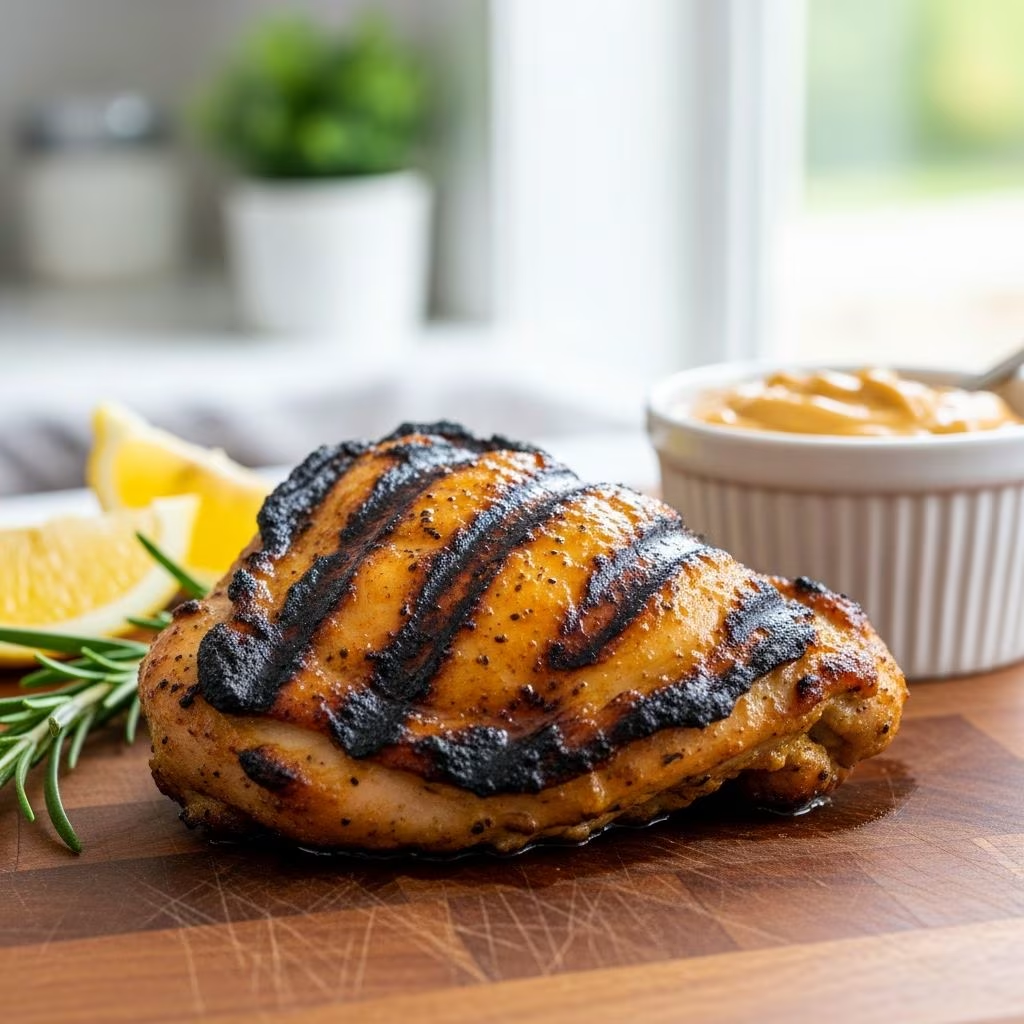
The **Cornell chicken marinade** stands as a timeless favorite among grilling enthusiasts, delivering exceptionally juicy and flavorful poultry with its unique tangy profile. Originating from a simple yet ingenious formula, this marinade transforms ordinary chicken into a crispy-skinned delight that’s perfect for backyard gatherings or weeknight dinners.
Origins of the Legendary Marinade
This iconic recipe traces its roots to Dr. Robert C. Baker, a pioneering professor in poultry science at Cornell University. Over five decades ago, Baker crafted this marinade to elevate everyday chicken grilling, emphasizing moisture retention and bold seasoning without relying on sugary sauces that burn easily. His innovation helped popularize accessible poultry preparation techniques, influencing modern barbecue culture profoundly.
Baker’s approach focused on an emulsion of oil, vinegar, and egg, which not only tenderizes the meat but also promotes even browning on the grill. Firefighters in Ithaca, New York, adopted it as their go-to “Fireman Chicken,” spreading its fame through community fundraisers and local events. Today, it remains a staple in grilling circles for its reliability and crowd-pleasing taste.
Essential Ingredients Breakdown
The beauty of this marinade lies in its straightforward pantry staples that work synergistically to enhance chicken’s natural flavors. Here’s a detailed look at each component:
- Apple Cider Vinegar: Provides essential acidity to tenderize tough muscle fibers, allowing seasonings to penetrate deeply while imparting a bright tang.
- Vegetable Oil: Acts as a carrier for flavors, ensuring even distribution and adding moisture to prevent drying during high-heat grilling.
- Egg: Forms the emulsion base, creating a custardy coating that crisps up beautifully without charring, thanks to the absence of sugars.
- Salt and Poultry Seasoning: Salt draws out moisture for better marinade absorption, while poultry seasoning—a blend of sage, thyme, marjoram, and more—delivers herbaceous depth.
- Black Pepper and Garlic Powder: Add subtle heat and savory umami, rounding out the profile without overpowering the vinegar’s zing.
For a standard batch serving 4-6 people, combine 2 cups apple cider vinegar, 1 cup vegetable oil, 1 egg, 2-3 tablespoons salt, 1 tablespoon poultry seasoning, 1 teaspoon black pepper, and optional garlic powder or paprika.
Step-by-Step Marinade Preparation
Creating the perfect emulsion is key to success. Follow these precise steps:
- Crack one fresh egg into a large mixing bowl and whisk vigorously until frothy, about 30 seconds.
- Slowly drizzle in the vegetable oil while whisking continuously to form a thick emulsion, similar to homemade mayonnaise.
- Gradually incorporate the apple cider vinegar, whisking to maintain smoothness; the mixture will thin out slightly but remain cohesive.
- Stir in salt, poultry seasoning, black pepper, and any additional spices until fully dissolved.
- Reserve ½ cup of the marinade in a separate container for basting during grilling to avoid cross-contamination.
Taste and adjust seasoning if needed, noting that flavors intensify during marination. This process takes under 10 minutes and yields enough for 8-10 pounds of chicken.
Selecting and Prepping Chicken Cuts
Choose bone-in, skin-on pieces like quarters, thighs, drumsticks, or breasts for optimal flavor and texture—the bones retain moisture, while skin crisps under the marinade’s influence. Pierce the meat multiple times with a fork to enhance absorption.
Place chicken in a large zip-top bag or shallow dish, pour marinade over (using 1 cup per 3-4 pounds of meat), and refrigerate for 2-24 hours. Flip occasionally for even coverage. Avoid over-marinating beyond 24 hours to prevent mushiness from excess acidity.
| Chicken Cut | Marinade Time | Grill Temp | Cook Time |
|---|---|---|---|
| Quarters | 4-24 hours | Medium-High | 35-45 min |
| Thighs/Drums | 2-12 hours | Medium | 25-35 min |
| Breasts | 2-8 hours | Medium | 20-30 min |
This table guides preparation based on cut size and fat content for consistent results.
Grilling Techniques for Perfection
Preheat your grill to medium-high (375-450°F) for indirect heat cooking. Pat excess marinade off chicken to prevent flare-ups, then place skin-side down over direct heat for 5-7 minutes to sear and crisp.
Move to indirect heat, baste with reserved marinade every 10 minutes, and cover. Cook until internal temperature reaches 165°F in the thickest part, avoiding overcooking for juiciness. Rest 5-10 minutes post-grill to redistribute juices.
For charcoal grills, bank coals to one side; for gas, turn off middle burners. This method yields golden, non-burnt skin unique to the egg-vinegar emulsion.
Flavor Variations and Adaptations
While the classic shines on its own, customize for variety:
- Spicy Kick: Add 1 teaspoon cayenne or hot sauce to the base recipe.
- Herb-Forward: Incorporate fresh chopped rosemary or thyme alongside poultry seasoning.
- Mayo Swap: For egg-free versions, substitute ½ cup mayonnaise, blending well for similar emulsion properties.
- Pork or Veggies: Apply to pork chops or portobello mushrooms, marinating 1-4 hours.
Scale ratios maintain 2:1 vinegar-to-oil for balance.
Storage, Safety, and Make-Ahead Tips
Unused marinade stores in a sealed jar in the fridge for weeks, thanks to vinegar’s preservative qualities. Discard any used for raw chicken raw; only baste with reserved portions. Freeze marinated chicken in bags for up to 3 months—thaw overnight before grilling.
Always use pasteurized eggs if concerned about raw egg safety, especially for vulnerable groups. Grill to proper temps to eliminate risks.
Perfect Pairings and Serving Ideas
Serve with grilled corn, coleslaw, or potato salad to complement the tang. A simple green salad dressed in vinaigrette echoes the marinade’s acidity. For drinks, opt for crisp whites like Sauvignon Blanc or iced tea.
Leftovers excel in salads, tacos, or sandwiches, retaining moisture even reheated gently.
Frequently Asked Questions (FAQs)
Can I use this marinade on boneless chicken?
Yes, but reduce time to 1-4 hours; boneless dries faster. Pat dry before grilling.
What if I don’t have apple cider vinegar?
Substitute white vinegar or lemon juice, but cider offers the best fruity tang.
Is the raw egg safe?
The vinegar and quick cooking minimize risks; use fresh or pasteurized eggs for peace of mind.
How do I achieve extra crispy skin?
Sear skin-down first, baste sparingly, and finish indirect with lid closed.
Can this be oven-baked?
Yes, at 400°F for 35-45 minutes, basting halfway, though grilling maximizes flavor.
Nutritional Snapshot
Per serving (3oz grilled thigh, skinless): ~180 calories, 10g fat, 22g protein, low carbs. Marinade adds negligible calories post-cooking.
References
- EASY Cornell Chicken Recipe (Fireman Chicken) — Savory Experiments. 2023-06-15. https://www.savoryexperiments.com/fireman-chicken/
- The Ultimate Grilled Chicken Secret — It Is a Keeper (YouTube Transcript). 2023-07-20. https://www.youtube.com/watch?v=UyoP0t8XRBQ
- Cornell Chicken Barbecue — Platter Talk. 2022-05-10. https://www.plattertalk.com/cornell-chicken-barbecue/
- Cornell Chicken (with how-to for perfectly barbecued bone-in chicken) — Fountain Avenue Kitchen. 2021-11-05. https://fountainavenuekitchen.com/cornell-chicken/