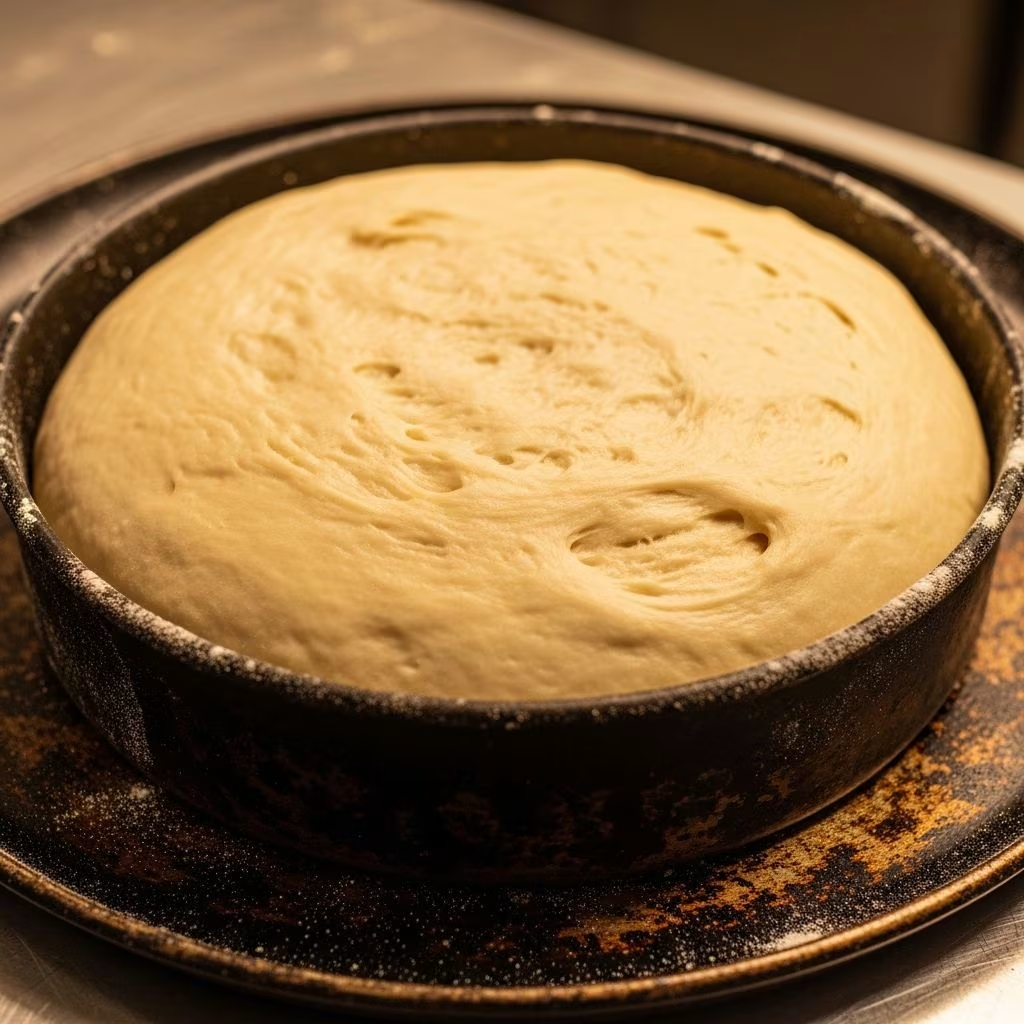
Cornbread and sausage stuffing represents one of the most beloved side dishes for festive gatherings and holiday celebrations. This traditional preparation combines the subtle sweetness of cornbread with the robust flavors of seasoned sausage, creating a dish that appeals to multiple palates while remaining relatively straightforward to prepare. Understanding the fundamentals of this recipe allows home cooks to achieve restaurant-quality results while accommodating personal preferences and dietary considerations.
Understanding the Foundation: Why Cornbread Works Best
The choice of cornbread as the base for this stuffing distinguishes it from traditional bread-based versions. Cornbread possesses a naturally sweeter profile and a denser crumb structure compared to wheat bread, which absorbs liquids more efficiently while maintaining its integrity during mixing and baking. This characteristic prevents the stuffing from becoming mushy or overly saturated. The slightly crumbly texture of cornbread also creates appealing pockets throughout the finished dish, providing textural contrast between soft and slightly crisp elements.
When preparing cornbread for stuffing, using day-old or store-bought cornbread works exceptionally well. Fresh cornbread contains too much moisture and can break down excessively when combined with broths and other wet ingredients. Allowing cornbread to dry out overnight, or purchasing pre-made varieties, ensures the proper texture and consistency. Cutting cornbread into uniform cubes and toasting them in the oven for approximately ten minutes at 400°F creates a golden exterior that helps the pieces maintain their structure throughout the cooking process.
Selecting and Preparing Quality Sausage
The sausage component elevates this dish from simple to exceptional. Italian sausage, whether seasoned with sage, fennel, or other traditional herbs, provides the authentic flavor profile associated with classic stuffing preparations. The fat content in sausage ensures the finished dish remains moist and flavorful rather than dry or bland. When selecting sausage, removing the casings allows the meat to break apart easily during cooking, distributing flavor more evenly throughout the stuffing.
Cooking sausage properly requires attention to detail. Brown the meat over medium-high heat in a large skillet, stirring frequently to break it into small pieces. This process typically requires eight to ten minutes, depending on the quantity and heat intensity. Properly cooked sausage should show no pink coloration and should release most of its fat, which becomes the cooking medium for the aromatics. After cooking, drain excess fat to prevent the finished stuffing from becoming greasy, though retaining a small amount of the flavorful rendered fat improves the overall taste profile.
Aromatic Vegetables: The Essential Building Blocks
Celery and onion comprise the aromatic base that provides foundational flavor to the entire dish. These vegetables should be finely chopped to ensure even distribution and quick cooking. Celery brings a characteristic crunch and subtle earthiness, while onion adds natural sweetness that complements both the cornbread and sausage. Together, they create a flavor foundation that professionals in culinary settings refer to as the aromatic base.
Cooking these vegetables with the sausage creates a deeply flavored mixture. The residual fat from the meat allows the vegetables to soften and release their natural sugars through a process called caramelization. This combination of sausage and aromatics should be thoroughly cooked before combining with other ingredients, ensuring every element of the final dish has developed its full flavor potential.
The Role of Fresh Herbs in Flavor Development
Fresh herbs distinguish exceptional stuffing from merely adequate versions. Parsley, sage, and oregano represent the traditional triumvirate of flavors for this preparation. Parsley contributes a bright, fresh note that prevents the dish from tasting overly heavy. Sage provides the distinctive savory quality associated with traditional stuffing preparations, carrying earthy and slightly peppery undertones. Oregano adds Mediterranean character and complexity to the overall flavor profile.
The quantities of fresh herbs matter significantly. Approximately one-quarter cup of fresh parsley, three tablespoons of fresh sage, and three tablespoons of fresh oregano create balanced flavoring without allowing any single herb to dominate. Fresh herbs possess more delicate flavors than their dried counterparts, allowing cooks to use larger quantities without creating an overpowering result. However, if fresh herbs prove unavailable, dried versions can substitute at approximately one-third the quantity called for in the recipe.
Binding Ingredients: Broth and Eggs for Structure
Chicken broth serves the dual purpose of adding moisture and flavor to the stuffing. This ingredient prevents the cornbread from drying out during the baking process while simultaneously infusing each bite with savory depth. Approximately one cup of broth provides adequate moisture for four cups of cornbread cubes, creating a consistency that holds together without becoming soggy or soup-like.
Eggs function as a binding agent, holding the various components together while adding richness to the texture. A single beaten egg mixed thoroughly with the broth before combining with other ingredients ensures even distribution. The egg proteins coagulate during baking, creating a custard-like consistency that makes the stuffing simultaneously creamy and structurally sound. This binding action proves essential for achieving the proper texture that distinguishes quality stuffing from preparations that fall apart when served.
Cheese: The Luxurious Addition
Monterey Jack cheese introduces a creamy, slightly tangy element that complements the other flavors in the dish. This cheese melts readily when heated, distributing its rich flavor throughout the mixture while adding a subtle nuttiness. Approximately one cup of shredded cheese provides noticeable flavor without overpowering the other ingredients. The cheese also contributes to the custard-like texture created by the egg and broth combination.
Adding cheese during the final mixing stages ensures it distributes evenly. If cheese is added too early or mixed excessively, it can clump or become unevenly distributed. Gentle folding of the cheese into the mixture after the broth and egg have been incorporated prevents these issues while maintaining the light, airy texture desired in quality stuffing.
Step-by-Step Preparation Process
Following a systematic approach to preparation ensures consistent results. Begin by preheating the oven to 400°F and toasting the cornbread cubes on a sheet pan for approximately ten minutes until they achieve a light golden color. Remove from the oven and reduce the temperature to 325°F for the final baking stage. This preliminary toasting step is non-negotiable for creating proper texture.
Next, cook the sausage, celery, and onion combination in a large skillet over medium-high heat for eight to ten minutes. Stir frequently to ensure even cooking and proper browning. Once the sausage is thoroughly cooked, drain excess fat by pouring the mixture through a fine-mesh strainer, reserving the sausage and vegetables in a large mixing bowl.
Add the toasted cornbread cubes to the sausage mixture along with the fresh herbs and seasonings. Mix gently to avoid breaking the cornbread pieces into small fragments. In a separate small bowl, whisk together the chicken broth and beaten egg until thoroughly combined. Pour this mixture over the cornbread combination and mix gently until all ingredients are moistened. Finally, stir in the shredded cheese using a folding motion to distribute it evenly without excessive mixing.
Transfer the prepared mixture to a lightly greased two-quart casserole or soufflé dish. Cover with aluminum foil and bake for forty-five minutes at 325°F. After thirty-five minutes of baking, remove the foil to allow the top to brown and develop a slightly crispy exterior. The stuffing should be thoroughly heated and the top should display a golden-brown coloration when fully cooked.
Seasoning Strategy and Flavor Balance
Salt and freshly cracked black pepper form the foundation of seasoning. These simple elements should be added carefully, tasting the mixture before final baking to ensure proper seasoning. Approximately one-half teaspoon of kosher salt and one-quarter teaspoon of black pepper serve as starting points, though personal preference and the saltiness of the chicken broth and cheese should be considered when determining final seasoning levels.
Balancing flavors requires understanding how different components interact. The sweetness of the cornbread and onion should be balanced by the savory notes from the sausage and herbs. The creaminess of the cheese and eggs should provide richness without creating a heavy, unpleasant texture. Achieving this balance separates exceptional stuffing from mediocre preparations.
Storage and Make-Ahead Convenience
This stuffing recipe accommodates advance preparation, making it ideal for busy holiday schedules. The prepared mixture can be assembled in the baking dish up to one day in advance. Cover tightly with plastic wrap and refrigerate until ready to bake. Remove from refrigeration and bring to room temperature for approximately thirty minutes before baking. The baking time may increase slightly due to the cold starting temperature, requiring approximately fifty minutes instead of forty-five.
Leftovers store well in airtight containers for three to four days in the refrigerator. Reheat gently in a 325°F oven, covered with foil, for approximately fifteen to twenty minutes until warmed through. Alternatively, leftover stuffing transforms into delicious stuffing-based omelets, providing a creative use for remaining portions.
Common Mistakes to Avoid
Preventing common errors ensures consistent success. Using fresh cornbread instead of day-old or store-bought varieties can result in overly moist, mushy stuffing. Excessive mixing after combining wet ingredients can break apart cornbread cubes and create an undesirable texture. Inadequate toasting of cornbread cubes before assembly compromises texture by allowing the pieces to absorb too much liquid. Failing to drain excess sausage fat can create a greasy, unpalatable final product. Finally, over-seasoning or under-seasoning requires careful tasting and adjustment before final baking.
Variations and Personalization Options
This recipe accommodates numerous modifications based on personal preferences. Adding chopped pecans or walnuts introduces textural contrast and nutty flavors. Incorporating additional vegetables such as mushrooms or bell peppers expands the vegetable content. Using sage sausage instead of Italian sausage creates a more traditional flavor profile. Experimenting with different cheese varieties, such as sharp cheddar or smoked gouda, allows cooks to customize the flavor profile to their preferences. These variations demonstrate the recipe’s inherent flexibility while maintaining its essential character and appeal.
Frequently Asked Questions
Can I prepare this stuffing in advance?
Yes, the assembled mixture can be prepared up to twenty-four hours ahead. Cover it tightly and refrigerate, then bake when ready, allowing an extra five to ten minutes of cooking time since the mixture starts cold.
What if I don’t have fresh herbs available?
Dried herbs can substitute at approximately one-third the quantity called for in the recipe. Use about one tablespoon dried sage, one tablespoon dried oregano, and a few tablespoons of dried parsley for equivalent flavoring.
How can I prevent the stuffing from drying out?
Ensure adequate broth is incorporated and maintain the foil covering during the first thirty-five minutes of baking. Do not overbake, as excessive heat will dry out the mixture.
Can I use store-bought cornbread?
Absolutely. Store-bought cornbread works exceptionally well, provided it is allowed to dry out or is at least a day old before using in the recipe.
What can I do with leftover stuffing?
Leftover stuffing can be reheated in the oven, incorporated into omelets for breakfast, or crumbled as a topping for soups or salads.
References
- What’s Gaby Cooking – Cornbread Stuffing with Sausage — What’s Gaby Cooking. https://whatsgabycooking.com/cornbread-stuffing/
- Sally’s Baking Addiction – Cornbread Stuffing Recipe — Sally’s Baking Addiction. https://sallysbakingaddiction.com/make-ahead-cornbread-stuffing/
- Laura Fuentes – Cornbread and Sausage Stuffing Dressing — Laura Fuentes. https://www.laurafuentes.com/cornbread-and-sausage-stuffing-dressing/
- The Cooking Guy – Easy Cornbread & Sausage Stuffing — The Cooking Guy. https://www.thecookingguy.com/recipes/easy-cornbread-sausage-stuffing
- Kale Junkie – Ultimate Cornbread Sausage Stuffing — Kale Junkie. https://kalejunkie.com/ultimate-cornbread-sausage-stuffing/