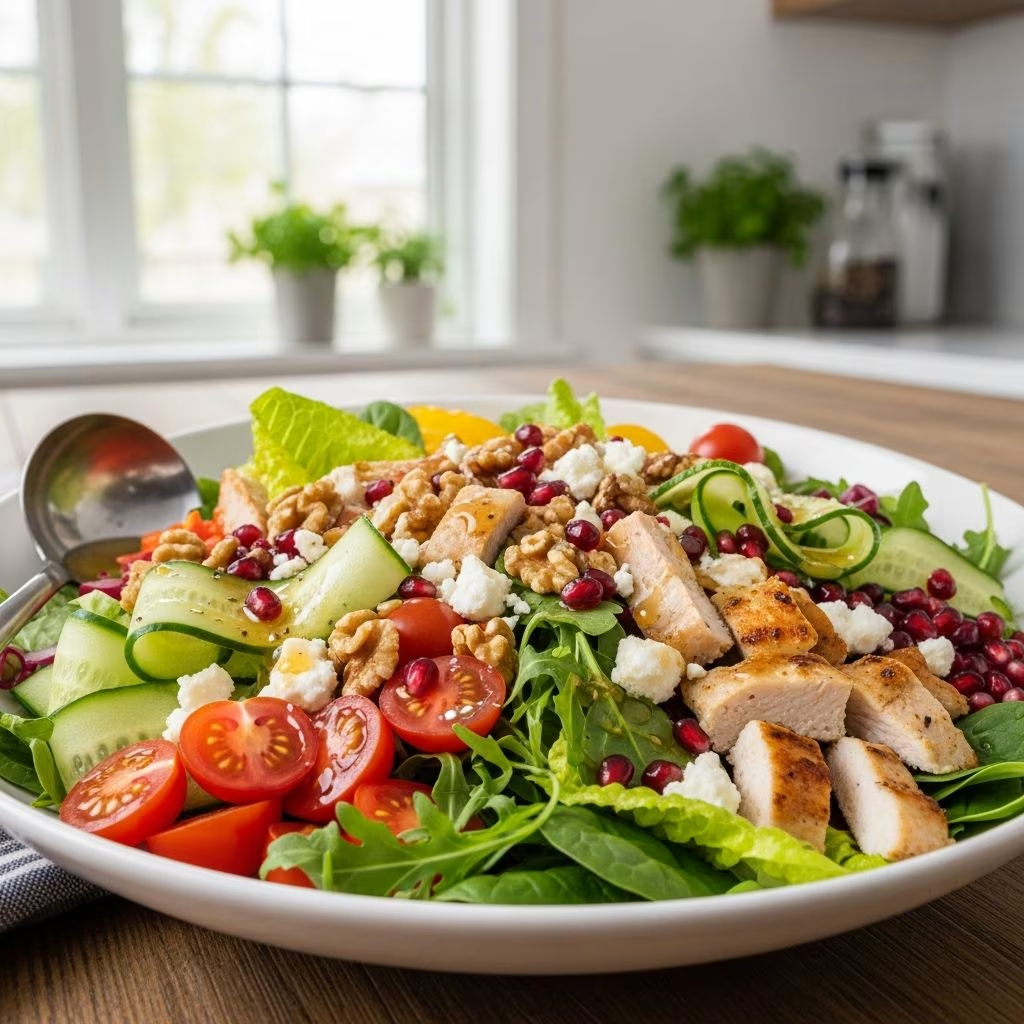
There’s something undeniably appealing about the crisp, fresh salad served at casual Italian restaurants. The combination of tender greens, vibrant vegetables, and zesty dressing creates a dining experience that feels both indulgent and wholesome. While many home cooks assume this level of restaurant quality requires special ingredients or culinary expertise, the truth is far simpler. With the right approach, quality components, and a homemade dressing recipe, anyone can recreate this beloved dish in their own kitchen. This comprehensive guide walks you through the process of building an exceptional salad that rivals what you’d find at your favorite dining establishment.
Understanding the Foundation: Selecting Your Greens
The base of any exceptional salad starts with thoughtfully chosen leafy greens. Rather than defaulting to a single variety, combining different types of lettuce creates a more interesting texture and flavor profile. The crisp, refreshing nature of iceberg lettuce provides that satisfying crunch that many home cooks seek, while romaine adds a slightly more robust flavor and substantial bite. Some recipes incorporate mixed bagged salad options as a time-saving convenience, though purchasing individual heads and chopping them fresh yields superior crispness and allows you to control the texture of each piece.
When preparing your greens, timing matters significantly. Washing and drying lettuce well in advance of assembly helps it maintain its crispness, though the actual tossing should happen just before serving to prevent the vegetables from becoming soggy. The quantity of greens forms the backbone of your salad—typically six to eight cups provides a generous portion suitable for four servings, though this can be adjusted based on your preferences and appetite.
The Supporting Cast: Fresh Vegetables That Make the Difference
While greens form the base, it’s the supporting vegetables that transform a simple bowl of lettuce into a memorable dish. Each component serves a purpose, contributing distinct flavors, textures, and nutritional benefits.
- Tomatoes: Choose ripe, flavorful varieties like roma or campari tomatoes rather than pale, mealy supermarket options. Slice or chop them into bite-sized pieces that distribute evenly throughout the salad. Aim for about two to three medium-sized tomatoes to ensure adequate distribution without overwhelming the greens.
- Red Onion: This purple-hued allium provides a sharp, slightly peppery bite that elevates the entire dish. Slice the onion extremely thin and cut the slices into smaller pieces to ensure the flavor doesn’t dominate any single bite. A quarter to half onion, finely processed, typically provides the right balance of flavor.
- Black Olives: These briny, umami-rich ingredients add sophisticated depth to the salad. Use large, pitted varieties for easier eating, and include approximately one cup per salad. The salty character of olives complements the acidity of the dressing beautifully.
- Pepperoncini Peppers: These small, mildly spicy pickled peppers are the secret ingredient that distinguishes restaurant-quality salads from ordinary versions. Use sliced peppers rather than whole ones for better distribution and easier consumption. About one cup provides the signature tangy, slightly spicy note that makes this salad distinctive.
- Shredded Carrots: Adding a quarter to half cup of shredded carrots introduces natural sweetness and vibrant color. This ingredient bridges the gap between the earthiness of the greens and the brightness of the tomatoes and peppers.
- Red Cabbage: A quarter to half cup of shredded red cabbage adds nutritional density and a subtle peppery undertone while contributing visual appeal through its striking color.
Textural Elements: Croutons and Cheese
Texture plays a crucial role in the overall dining experience, and two ingredients deserve special attention in this regard. Croutons provide the essential crunch that contrasts beautifully with the soft vegetables and tender greens. The key to crouton success is timing—add them at the table or just before serving rather than tossing them in immediately, as this prevents them from absorbing moisture and losing their satisfying crispness.
Cheese selection significantly impacts both flavor and mouthfeel. A combination of finely shredded Parmesan and Romano cheese works exceptionally well, as Parmesan contributes a sharp, nutty quality while Romano adds a slightly saltier, more assertive character. Rather than mixing the cheese into the salad before serving, consider adding it at the table. This approach allows diners to control the amount of cheese and ensures it remains distinct and flavorful rather than becoming coated with dressing.
The Essential Element: Crafting Your Homemade Dressing
The dressing represents the binding element that transforms individual ingredients into a cohesive dish. Store-bought versions often contain preservatives, excessive sugar, and artificial flavors that dilute the freshness of quality ingredients. Creating your own dressing takes just minutes and delivers noticeably superior results.
Dressing Ingredients and Their Functions
| Ingredient | Function | Quantity |
|---|---|---|
| Extra Virgin Olive Oil | Provides richness and carries fat-soluble flavors | ¾ cup |
| White Vinegar | Contributes acidity and brightness | ⅓ cup |
| Water | Dilutes intensity and adjusts consistency | ¼ cup |
| Zesty Italian Seasoning Mix | Provides foundational herb flavors | 1.7 ounces |
| Dijon Mustard | Adds subtle heat and helps emulsify | 1 teaspoon |
| Mayonnaise | Contributes creaminess and aids emulsification | 1 tablespoon |
| Granulated Sugar | Balances acidity with subtle sweetness | ½ teaspoon |
| Garlic Powder | Enhances savory depth | ½ teaspoon |
Preparation Methods for Optimal Results
Two effective approaches exist for combining dressing ingredients. The traditional jar method involves placing all ingredients in a container with a tight-fitting lid and shaking vigorously for 15 to 20 seconds until the mixture emulsifies and thickens. This method works particularly well when you plan to store dressing for future use, as the sealed jar allows the flavors to meld and intensify over time.
The blender method offers an alternative that creates an exceptionally smooth, creamy texture. Add all dressing ingredients to a blender and process on high speed for 15 to 20 seconds until fully emulsified and uniform in appearance. This technique produces a dressing with superior consistency and a silkier mouthfeel.
Both methods yield delicious results. Choose based on your available equipment and preferred texture. The dressing should taste balanced—not excessively vinegary or oily, but rather complex with overlapping layers of herb, garlic, and savory flavors punctuated by subtle sweetness.
Assembly Strategy: Building Your Masterpiece
The order in which you combine ingredients influences both the aesthetic presentation and the flavor distribution. Begin by placing your prepared greens in a large mixing bowl. Add the shredded carrots and red cabbage, tossing gently to distribute these ingredients evenly throughout the greens. These foundation elements create the base upon which all other components rest.
Add the tomato pieces, being careful to position them thoughtfully rather than dumping them all in one spot. Follow with the red onion slices and black olives, distributing each ingredient as uniformly as possible. The pepperoncini peppers should be added next, ensuring their unique flavor permeates the salad rather than concentrating in one area.
At this stage, you have two options. If you plan to serve the salad immediately, pour your prepared dressing over the vegetables and toss gently but thoroughly using salad tongs or two forks, ensuring every piece receives coating. Alternatively, if you need to hold the salad before serving, keep components separate and combine at the last moment before plating.
Top each serving with croutons and shredded cheese immediately before serving, as this preserves the textural contrast that makes the dish so appealing.
Variations and Customizations for Different Preferences
While the classic version delivers consistent satisfaction, this salad provides an excellent canvas for personalization. For those seeking additional protein, grilled or roasted chicken transforms the salad from a side dish into a complete meal. Similarly, adding hard-boiled eggs, crispy bacon, or white beans increases nutritional density while maintaining the essential character of the dish.
Health-conscious cooks might incorporate additional leafy greens like spinach or arugula, which add nutritional depth without compromising the familiar flavor profile. Using Greek yogurt in place of mayonnaise in the dressing reduces fat content while maintaining creaminess. A lighter dressing variation simply reduces the oil quantity and increases the vinegar slightly for those watching caloric intake.
For those with dietary restrictions or preferences, most ingredients remain easily swappable. Vegetarians and vegans find this salad naturally accommodating when traditional cheese is either reduced or replaced with nutritional yeast. Those avoiding nightshades can omit tomatoes without significantly impacting the overall experience, while those sensitive to heat can reduce or eliminate pepperoncini peppers.
Storage and Make-Ahead Considerations
The homemade dressing stores beautifully in an airtight container in the refrigerator for up to two weeks. The flavors actually improve over the first few days as the herbs and seasonings continue to develop and meld. This makes it convenient to prepare dressing ahead and use it throughout the week.
For the salad itself, store prepared greens separately from other components. Place washed and thoroughly dried greens in a sealed container, where they maintain their crispness for three to five days. Store chopped vegetables, olives, and pepperoncini in separate containers to prevent flavor transfer and maintain individual ingredient quality.
When ready to serve, combine the components, dress lightly, and top with croutons and cheese just before eating. This approach ensures optimal texture and flavor in every bite.
Frequently Asked Questions
Can I make this salad in advance for meal prep?
Yes, but with strategy. Prepare and store individual components separately in airtight containers. Keep greens away from wet ingredients like tomatoes and olives. Assemble and dress within two hours of serving for best results, adding croutons and cheese immediately before eating.
How do I prevent the salad from becoming soggy?
Timing is key. Dress the salad as close to serving time as possible, and add croutons at the very last moment. Use thoroughly dried greens, and consider storing the dressing separately if preparing significantly in advance.
What if I don’t have pepperoncini peppers?
Pepperoncini provide signature tangy spice, but you can substitute with banana peppers, roasted red peppers, or even jalapeños if you prefer more heat. The salad remains delicious, though the flavor profile shifts slightly.
Can I use pre-made dressing instead of homemade?
Absolutely, though homemade dressing offers superior flavor and control over sodium and sugar content. If using store-bought versions, look for quality options with recognizable ingredients and minimal additives.
How many servings does this recipe yield?
The basic recipe serves four as a side dish or two as a satisfying main course with added protein. Quantities scale easily for larger gatherings by multiplying ingredient quantities proportionally.
Why This Approach Delivers Restaurant-Quality Results
Creating this salad at home rivals restaurant versions because of deliberate attention to ingredient quality and preparation technique. By starting with fresh, crisp greens, incorporating a diverse array of colorful vegetables, crafting a balanced homemade dressing, and timing the assembly strategically, home cooks produce results that match or exceed casual dining establishments.
The combination of familiar ingredients prepared with intention transforms an ordinary salad into something memorable. Whether served as an accompaniment to pasta or enjoyed as a light main course, this Italian-inspired creation satisfies with its brightness, complexity, and satisfying textural contrast.
References
- The Recipe Critic – Copycat Olive Garden Salad — The Recipe Critic. Accessed April 2026. https://therecipecritic.com/copycat-olive-garden-salad/
- Crazy Busy Mama – Copycat Olive Garden Salad Recipe — Crazy Busy Mama. Accessed April 2026. https://www.crazybusymama.com/copycat-olive-garden-salad-recipe/
- Le Creme de la Crumb – Olive Garden Salad and Dressing Recipe — Le Creme de la Crumb. Accessed April 2026. https://www.lecremedelacrumb.com/olive-garden-salad-and-dressing-recipe/
- Amee’s Savory Dish – Healthier Copycat Olive Garden Salad — Amee’s Savory Dish. Accessed April 2026. https://ameessavorydish.com/copycat-olive-garden-salad/
- Frugal Hausfrau – Copycat Olive Garden Salad — Frugal Hausfrau. June 22, 2025. https://frugalhausfrau.com/2025/06/22/copycat-olive-garden-salad/