Parkinson’s disease introduces motor challenges like tremors, rigidity, and balance issues that can transform routine cooking into a daunting task. Yet, with thoughtful adaptations, strategic planning, and the right tools, individuals can reclaim the kitchen as a space of creativity and nourishment. This guide draws from expert recommendations and real-life experiences to empower those living with Parkinson’s to prepare satisfying meals safely and independently.
Understanding Kitchen Challenges in Parkinson’s
Motor symptoms such as hand tremors, reduced dexterity, and fatigue often complicate tasks like chopping vegetables, stirring pots, or carrying heavy items. Balance problems increase fall risks near hot stoves or slippery floors, while multitasking—watching the oven while sautéing—becomes overwhelming. Swallowing difficulties (dysphagia) and altered senses of smell or taste may also affect appetite and food choices. Despite these hurdles, home cooking supports better nutrition and mental well-being, as it allows control over ingredients and portion sizes.
Studies highlight that older women with Parkinson’s prioritize independence in food-related activities, adapting their methods to shop, cook, and eat despite physical declines. Married individuals often receive spousal support, while those living alone may rely on pre-prepared foods or assistance to avoid nutritional risks.
Optimizing Your Kitchen Layout for Efficiency
A well-organized kitchen minimizes movement, reduces energy expenditure, and enhances safety. Start by assessing your most-used items: plates, utensils, spices, and appliances.
- Place everyday essentials at waist height or on countertops to avoid stretching or bending, which can trigger dizziness or falls.
- Store lightweight pots, pans, and frequently accessed fridge items on middle shelves for easy reach.
- Install non-slip mats under cutting boards, plates, and cookware to prevent sliding during use.
- Clear counter space by mounting microwaves or storing rarely used gadgets in lower cabinets.
- Opt for a perching stool or adjustable chair to sit while prepping, conserving energy for cooking.
Reorganizing like this, as suggested by occupational therapists, can cut unnecessary steps by half, making sessions less exhausting.
Essential Adaptive Tools for Easier Prep
Specialized gadgets address grip issues, tremors, and precision needs without requiring advanced skills.
| Tool Type | Benefits | Examples |
|---|---|---|
| Utensils | Steady hands, reduce spills | Weighted spoons/forks, swivel utensils, foam-gripped handles |
| Cutting Aids | Safe chopping without knives | Adaptive boards with guards, electric choppers, food processors |
| Cookware | Lightweight, stable pouring | Suction-based pots, pot stands with clips |
| Other Gadgets | Simplify mixing/stirring | Stick blenders, large-handle peelers, mini processors for garlic |
Build up thin handles with foam tubing or pipe insulation from hardware stores—a low-cost hack for better grasp. Cut-resistant gloves add protection during slicing.
Safety First: Preventing Accidents in the Kitchen
Falls, burns, and cuts are heightened risks, but proactive measures keep cooking secure.
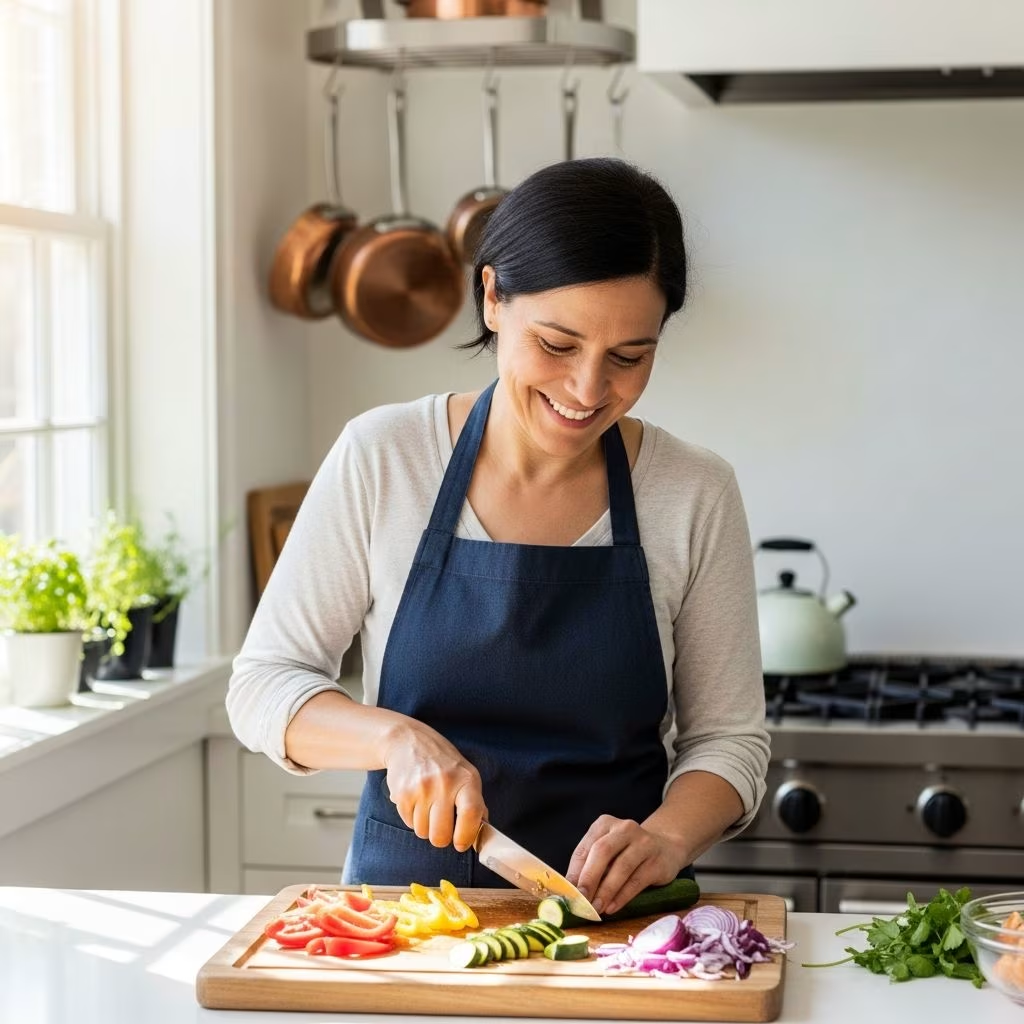
- Wear cut-resistant gloves and use sharp, quality knives that require less force—self-sharpening models with covers are ideal.
- Prep high-risk tasks (like chopping) when energy peaks, perhaps earlier in the day, and freeze portions for low-energy days.
- Choose appliances at waist level; swap heavy kettles for 1-liter lightweight versions or travel models.
- Keep floors dry, use non-slip footwear, and position a stool nearby for resting.
- Avoid multitasking: set timers and stay with hot items; one-pot recipes eliminate oven-stove juggling.
Timing meals with medication ‘on’ periods maximizes control and minimizes tremor interference.
Smart Meal Planning and Recipe Strategies
Focus on simplicity to match fluctuating symptoms. Batch cooking and pantry staples ensure options on tough days.
- Gather all ingredients in one spot before starting to limit trips.
- Prioritize one-pot dishes: stir-fries, salads, soups, or slow-cooker meals that simmer unattended.
- Incorporate pre-chopped veggies or frozen produce to bypass knife work.
- Freeze extras in single servings; nap beforehand if needed to boost stamina.
Nutritionally, emphasize soft textures for dysphagia, fiber-rich foods for constipation, and protein timing around meds. Consult resources like the Michael J. Fox Foundation for medication-aligned plans.
Sample Parkinson’s-Friendly Recipes
These easy, nutritious ideas use minimal tools and multitasking.
One-Pot Veggie Stir-Fry
Ingredients (serves 2): 2 cups frozen mixed veggies, 1 cup pre-cooked rice, 2 tbsp soy sauce, 1 tsp ginger (pre-minced), protein like tofu or chicken strips.
- Sit at counter; dump frozen veggies into lightweight pan on low heat.
- Add protein, ginger, soy; stir with large-grip spoon 10 mins.
- Mix in rice; serve. Total time: 15 mins.
Blender Creamy Soup
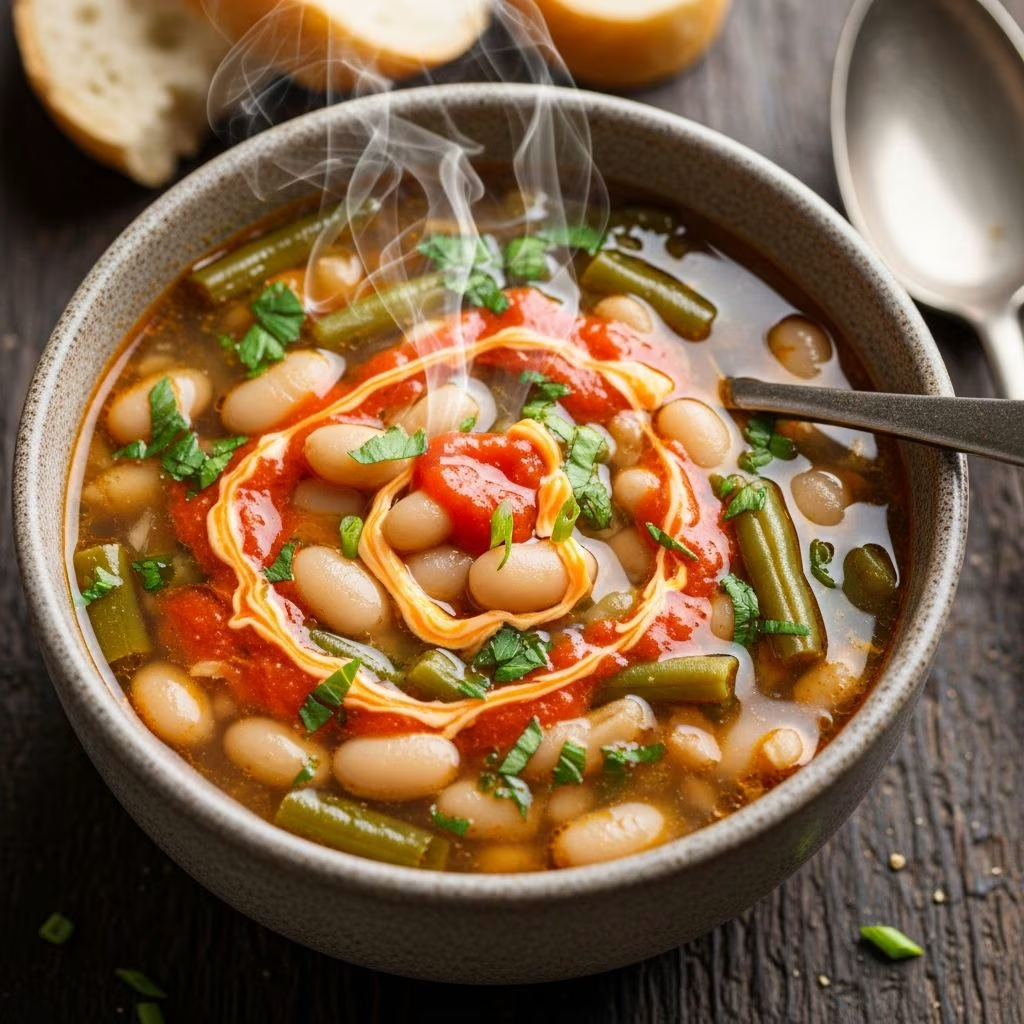
Ingredients: 2 carrots (pre-sliced), 1 potato (diced), 4 cups broth, garlic powder, herbs.
- Combine in pot; simmer 20 mins using pot stand.
- Blend with stick blender; freeze halves.
No-Chop Pantry Salad
Tear canned tuna, add pre-washed greens, canned beans, dressing. Toss in one bowl.
These leverage pantry items for convenience and variety.
Preserving Independence and Joy
Beyond tools, mindset matters. Many with Parkinson’s cherish cooking as a ‘normal’ ritual, adapting pace to savor it. Accept help when needed, but celebrate small victories like a fresh meal. Community tips emphasize persistence: one user freezes blitzed garlic for instant flavor.
Frequently Asked Questions (FAQs)
How do tremors affect cooking?
Tremors complicate gripping and steadying; weighted utensils and seated prep counteract this.
Are electric tools worth it?
Yes, food processors and knives save energy and boost safety for frequent use.
What if I’m too fatigued?
Prep in stages, use slow cookers, or rely on frozen batches timed for ‘off’ days.
Can I still bake?
Absolutely—light mixers or blenders simplify; focus on drop cookies or no-knead breads.
How to dine out easier?
Bring swivel utensils; request soft foods and stable tables.
References
- 5 Ways to Make Cooking Easier with Parkinson’s Disease — Michael J. Fox Foundation. 2023. https://www.michaeljfox.org/news/5-ways-make-cooking-easier-parkinsons-disease
- Tips for Cooking with Parkinson’s — Peterson for Parkinson’s. 2021-06-02. https://petersonforparkinsons.org/tips-for-cooking-with-parkinsons/
- Mealtime & Dining Out — Parkinson’s Foundation. 2024. https://parkinson.org/living-with-parkinsons/management/activities-daily-living/eating
- 10 Delicious Recipes for People with Parkinson’s — Parkinson’s Europe. 2023. https://parkinsonseurope.org/parkinsonslife/delicious-recipes-for-people-with-parkinsons/
- Kitchen Safety for People with Parkinson’s — Rebel Fit Club. 2023. https://rebelfitclub.com/kitchen-safety-for-people-with-parkinsons-2/
- Managing in the Kitchen with Parkinson’s — Parkinson’s UK. 2024. https://www.parkinsons.org.uk/magazine/tips/managing-kitchen-parkinsons
- Parkinson’s Cooking with Pantry Staples — Davis Phinney Foundation. 2023. https://davisphinneyfoundation.org/blog/parkinsons-cooking-with-pantry-staples/
- Case Studies of Food Shopping, Cooking and Eating Habits in Older Women with Parkinson’s Disease — PubMed (Peer-reviewed). 2001-07-27. https://pubmed.ncbi.nlm.nih.gov/11442684/