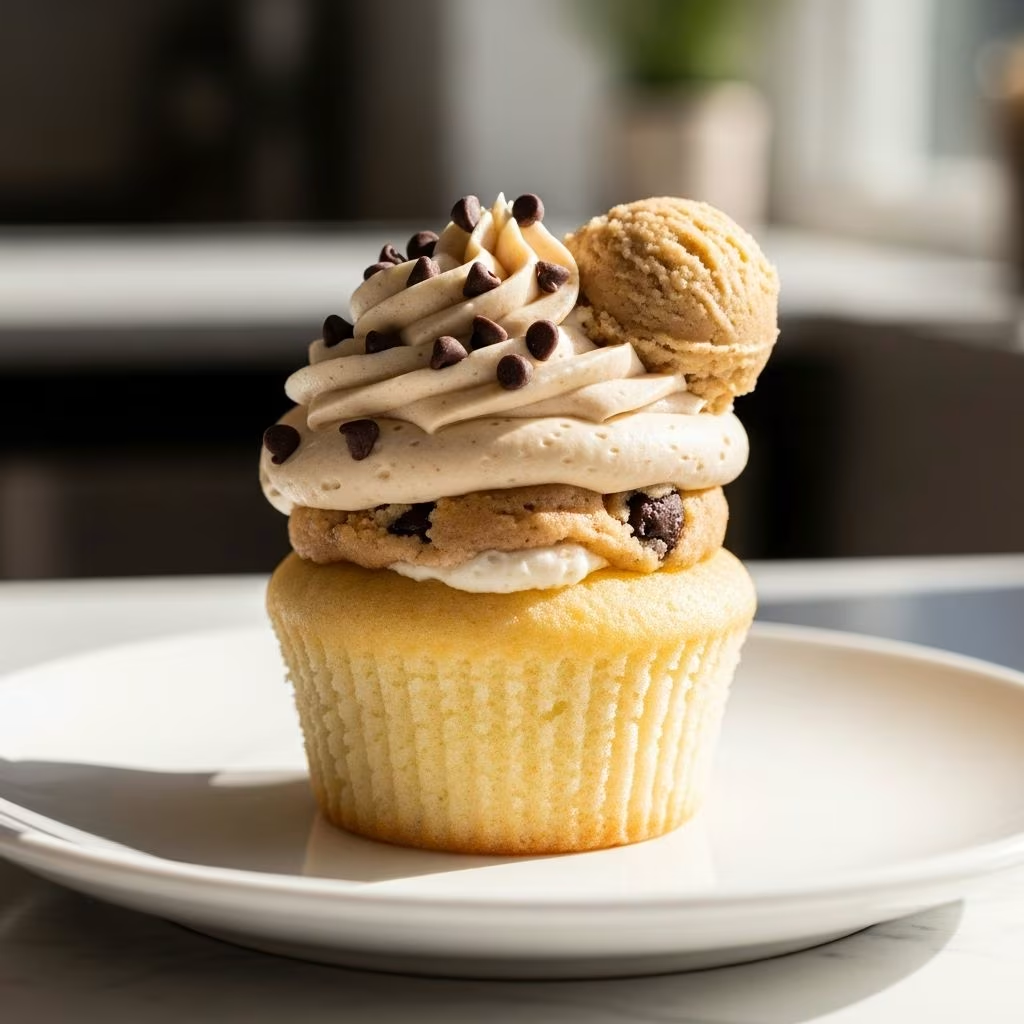
For dessert enthusiasts who struggle to choose between cake and cookies, there exists a perfect solution: cookie dough cupcakes. This innovative treat merges the fluffy crumb of a traditional cupcake with the beloved flavor profile of chocolate chip cookie dough, creating a multi-layered dessert experience that satisfies multiple cravings in a single bite. The combination of tender cake, creamy frosting infused with cookie dough elements, and sometimes a surprise filling in the center makes these cupcakes an increasingly popular choice for celebrations, gatherings, and simple indulgences.
Understanding the Structure of Cookie Dough Cupcakes
Cookie dough cupcakes typically consist of three distinct components that work together to create the final product. The foundation is a moist, flavorful cupcake base that can be either chocolate or vanilla, though chocolate variations have gained particular popularity for their complementary flavor to cookie dough elements. The second component involves the edible cookie dough, which must be prepared differently from traditional cookie dough due to food safety considerations. Finally, a frosting layer—often a cookie dough-flavored buttercream—tops the creation, sometimes accompanied by a garnish of mini chocolate chips.
What distinguishes these cupcakes from standard varieties is the intentional layering and flavor integration throughout. Rather than simply frosting a plain cupcake, each element builds upon the others, creating a cohesive taste experience where every component complements rather than competes with its neighbors.
The Base Cupcake: Selecting Your Foundation
The cupcake base serves as the canvas for your cookie dough creation. Many bakers find that a chocolate cupcake provides an excellent foundation, offering depth and richness that pairs naturally with cookie dough flavors. However, vanilla and yellow cake varieties also work wonderfully, particularly when you want the cookie dough elements to be the star of the show.
When developing your base, consider the following elements:
- Using quality ingredients including real vanilla extract rather than artificial flavorings
- Incorporating buttermilk or sour cream for enhanced moisture and tenderness
- Adding chocolate chips directly to the batter for additional texture and flavor distribution
- Ensuring proper mixing techniques to avoid over-beating, which can create dense cupcakes
- Baking at the appropriate temperature—typically 350°F—for even browning and cooking
Most cupcake recipes yield between 12 and 24 cupcakes depending on the pan size used. Standard muffin tins produce approximately 12 cupcakes per batch, while mini muffin pans can create smaller individual servings.
Preparing Edible Cookie Dough: Safety and Technique
Perhaps the most critical aspect of creating successful cookie dough cupcakes involves preparing edible cookie dough, which differs fundamentally from traditional cookie dough recipes. The primary concern centers on food safety, particularly the risk associated with raw eggs and uncooked flour. Fortunately, multiple approaches exist for creating delicious, safe-to-eat cookie dough.
Heat-Treating Flour for Safety
One widely recommended method involves heat-treating flour before incorporating it into your cookie dough mixture. This process eliminates potential pathogens while preserving the flour’s functional properties. To heat-treat flour, spread it evenly on a baking sheet and bake at 350°F for approximately 5-10 minutes, stirring occasionally. Allow the flour to cool completely before using in your cookie dough preparation. This simple step enables you to use regular all-purpose flour with confidence.
Cookie Dough Ingredient Composition
Regardless of the specific recipe variation, edible cookie dough requires several essential components:
| Component | Purpose | Typical Amount (for 12 servings) |
|---|---|---|
| Softened Butter | Creates richness and creamy texture | 4-6 tablespoons |
| Granulated Sugar | Provides sweetness and contributes to texture | ¼ cup |
| Brown Sugar | Adds depth and moisture | 2-4 tablespoons |
| Heat-Treated Flour | Provides structure and authentic cookie taste | ½ cup |
| Milk | Balances dryness and improves consistency | 1-2 tablespoons |
| Mini Chocolate Chips | Delivers signature cookie flavor | ½ cup |
| Vanilla Extract | Enhances flavor complexity | ½-1 teaspoon |
The preparation process involves creaming butter with both sugars until the mixture becomes light and fluffy—typically 2-3 minutes of beating. This step incorporates air and develops the proper texture. Subsequently, heat-treated flour, salt, vanilla, and milk are incorporated, followed by folding in mini chocolate chips to preserve their integrity.
Consistency and Storage Considerations
After mixing, refrigerate the cookie dough mixture for at least 30 minutes to an hour, allowing it to firm considerably. This cooling period makes the dough easier to work with when filling or decorating cupcakes. Some bakers prefer to scoop the dough into small balls and freeze them separately, creating individual portions that can be added to cupcake centers before frosting.
Filling and Assembly Techniques
Several approaches exist for incorporating cookie dough into your cupcakes, each offering distinct advantages and flavor distributions.
Center-Fill Method
One popular technique involves creating a hollow center in the cooled cupcake, similar to a filled cupcake. Using a small cone-shaped tool or a sharp knife, carefully remove a portion of the cupcake from the center, leaving approximately ½ inch of cake around the edges and bottom. Fill this cavity with chilled cookie dough mixture, pressing gently to ensure it doesn’t compress excessively.
Mixed-In Integration
Alternatively, some recipes incorporate cookie dough components directly into the cupcake batter itself, distributing cookie dough pieces throughout the crumb. This method creates surprise pockets of cookie dough flavor with every bite but requires using only fully heat-treated components in the batter.
Topping Enhancement
The most straightforward approach involves using cookie dough primarily as a frosting component, with frosting applied generously atop cooled cupcakes and garnished with additional chocolate chips for visual appeal.
Crafting the Perfect Cookie Dough Frosting
Cookie dough frosting represents the crowning element of these cupcakes, often determining whether the final result achieves the desired taste and texture balance. This frosting differs from traditional buttercream in its incorporation of cookie dough flavors and edible flour components.
Frosting Preparation Steps
- Begin by creaming together softened, unsalted butter with brown sugar at medium speed for 2-3 minutes, achieving a light and fluffy consistency
- Add vanilla extract and salt, beating well to incorporate thoroughly
- Incorporate heat-treated flour gradually, mixing until the frosting develops a dough-like texture
- Add whole milk one tablespoon at a time, beating between additions until achieving desired frosting consistency
- Gently fold in mini semi-sweet chocolate chips, being careful not to break them during incorporation
- Use immediately or cover and refrigerate until ready to apply
Consistency Adjustments
The texture of cookie dough frosting can be customized based on preference and application method. If the frosting appears too thick for piping, add milk in small increments. If it seems too thin, incorporate additional heat-treated flour gradually. The frosting should hold peaks and spread smoothly without crumbling or tearing the delicate cupcake surface.
Baking Science Behind the Perfect Cupcake
Understanding the baking mechanics behind cookie dough cupcakes helps ensure consistent, high-quality results. Cupcakes bake more quickly than sheet cakes due to their smaller size and increased surface area, typically requiring 18-25 minutes depending on oven characteristics and pan depth. A reliable indicator of doneness involves inserting a toothpick into the center—if it emerges clean or with just a few crumbs, the cupcakes have finished baking.
Allowing cupcakes to cool in the pan for 5-10 minutes before transferring to a wire rack promotes even cooling and prevents structural damage. Attempting to remove them too early risks breakage, while leaving them in the warm pan too long can create an overly dense base from continued residual heat.
Troubleshooting Common Issues
Even experienced bakers encounter occasional challenges when preparing cookie dough cupcakes. Understanding common problems and their solutions promotes consistent success.
- Dense, Dry Cupcakes: Often result from overmixing batter or baking too long. Mix only until ingredients combine and check doneness using the toothpick method rather than time alone.
- Cookie Dough Too Soft: Insufficient refrigeration time is typically the cause. Always allow adequate chilling time before using in cupcakes or frosting.
- Frosting Separation or Greasiness: This suggests over-beating after adding milk. Mix only until the desired consistency appears.
- Crumbly, Difficult-to-Frost Cupcakes: Ensure cupcakes have cooled completely to room temperature before frosting applications.
- Uneven Baking: Rotate the pan halfway through baking and ensure your oven temperature is accurate using a reliable thermometer.
Storage and Make-Ahead Planning
Cookie dough cupcakes can be prepared in stages, allowing flexibility for busy bakers. Unfrosted cupcakes store well in an airtight container at room temperature for up to two days, or frozen for up to three months. Thaw frozen cupcakes at room temperature before frosting for best results.
Cookie dough components can be prepared days in advance and refrigerated until needed. Frosted cupcakes are best consumed within 24-48 hours of frosting, as the frosting may soften slightly over time, particularly in warm environments.
Customization and Variation Ideas
While the traditional chocolate-vanilla combination remains popular, numerous variations allow personal expression and dietary accommodation:
- Using white chocolate chips instead of semi-sweet varieties for a lighter flavor profile
- Adding espresso powder to cupcake batter for enhanced chocolate depth
- Incorporating peanut butter into the frosting for a cookie dough-peanut butter combination
- Creating a salted caramel drizzle over frosted cupcakes for sophisticated flavor layering
- Using different cake bases such as red velvet or marble cake for visual interest
Serving Suggestions and Presentation
Cookie dough cupcakes work beautifully as standalone desserts or as part of larger dessert displays. For special occasions, arrange cupcakes on tiered stands with complementary decorative elements such as fresh berries or edible flowers. A simple dusting of powdered sugar or cocoa powder enhances visual appeal without overwhelming the existing flavors.
These cupcakes pair wonderfully with beverages including hot coffee, cold milk, or dessert wine, making them versatile options for various entertaining scenarios from casual gatherings to formal celebrations.
References
- Katie’s Cucina – Chocolate Chip Cookie Dough Cupcakes — Katie’s Cucina. https://www.katiescucina.com/chocolate-chip-cookie-dough-cupcakes/
- Entirely Elizabeth – Chocolate Chip Cookie Dough Cupcakes — Entirely Elizabeth. https://entirelyelizabeth.com/chocolate-chip-cookie-dough-cupcakes/
- Recipe Girl – Chocolate Chip Cookie Dough Cupcakes — Recipe Girl. https://www.recipegirl.com/chocolate-chip-cookie-dough-cupcakes/
- Sally’s Baking Addiction – Chocolate Chip Cookie Dough Cupcakes — Sally’s Baking Addiction. https://sallysbakingaddiction.com/chocolate-chip-cookie-dough-cupcakes/
- TidyMom – Chocolate Chip Cookie Dough Cupcakes with Cookie Dough Frosting — TidyMom. https://tidymom.net/cookie-dough-cupcakes-with-cookie-dough-frosting-recipe/
- Beyond the Butter – Chocolate Chip Cookie Dough Cupcakes — Beyond the Butter. https://beyondthebutter.com/chocolate-chip-cookie-dough-cupcakes/
- Mindy Cake – Cookie Dough Cupcakes — Mindy Cake by Mindy Johnson. https://mindycake.com/cookie-dough-cupcakes/