Cookies represent one of the most beloved treats worldwide, offering endless variety in flavors, textures, and occasions. Whether you’re craving chewy centers with crisp edges or delicate, melt-in-your-mouth bites, mastering cookie baking opens a world of culinary creativity. This guide draws from time-tested techniques to help you create bakery-quality results in your own kitchen.
Understanding Cookie Basics
At their core, cookies rely on a simple balance of fat, sugar, flour, and leavening agents. Butter or shortening provides richness and structure, while sugar contributes sweetness and tenderness. Flour forms the backbone, and agents like baking soda or powder create lift. Eggs bind everything together, adding moisture and protein for chewiness.
Key to success is temperature control. Cold ingredients prevent spreading, while proper mixing avoids toughness. Baking time matters too—undercook for chewiness, overbake for crunch.
Essential Ingredients and Substitutions
Stock your pantry with high-quality staples for superior cookies:
- Butter: Unsalted for control over saltiness; European-style for extra creaminess.
- Sugars: Granulated for crispness, brown for moisture and chew due to molasses content.
- Flour: All-purpose works universally; cake flour for tender shortbreads.
- Chocolate: Chips, chunks, or chopped bars—dark, milk, or white for variety.
- Add-ins: Nuts, oats, dried fruits, or spices like cinnamon and ginger.
Common substitutions include margarine for butter (though flavor suffers), coconut oil for vegan options, or gluten-free flour blends. Always adjust leavening accordingly.
Step-by-Step: Perfect Chocolate Chip Cookies
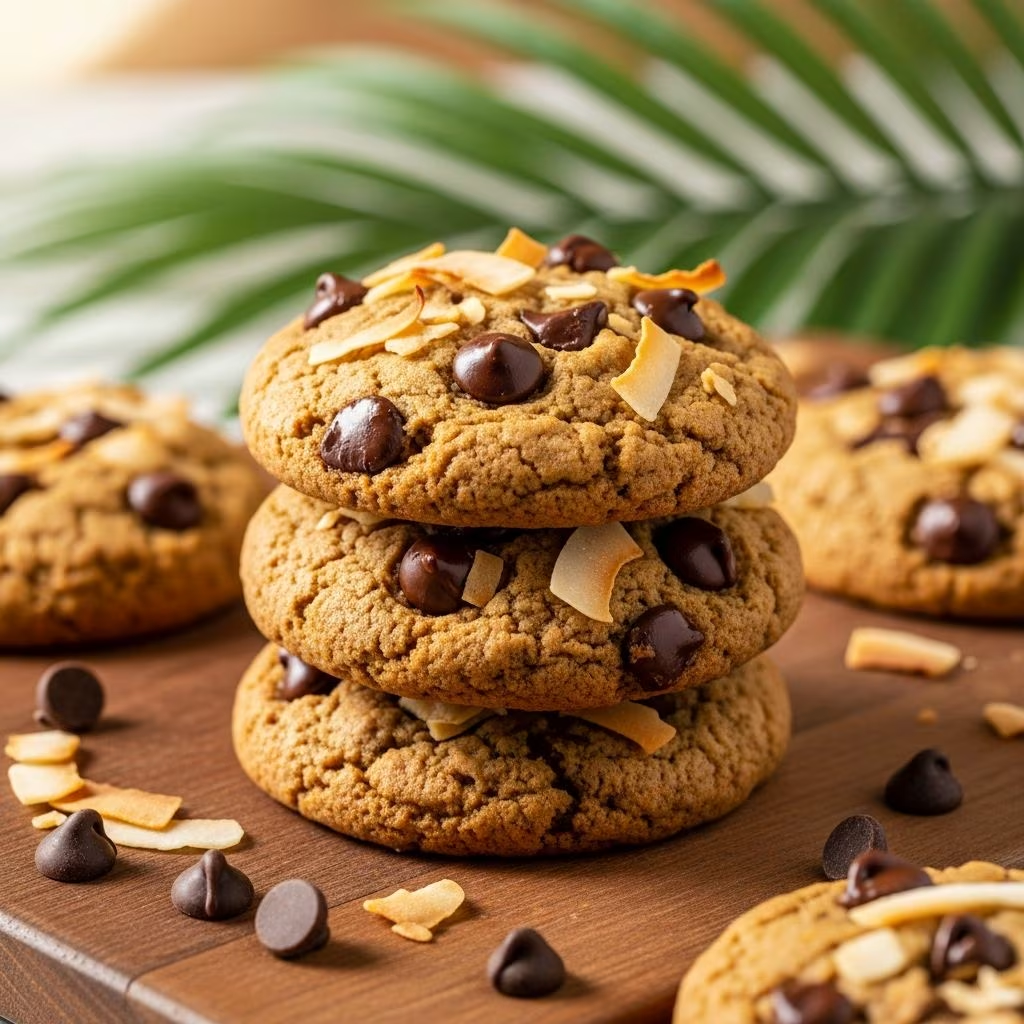
The chocolate chip cookie stands as an icon of baking simplicity and satisfaction. Here’s a foolproof method yielding 36 cookies.
Ingredients
| Ingredient | Amount |
|---|---|
| Unsalted butter, softened | 1 cup |
| Brown sugar, packed | 1 cup |
| Granulated sugar | ½ cup |
| Eggs | 2 large |
| Vanilla extract | 2 tsp |
| All-purpose flour | 2¼ cups |
| Baking soda | 1 tsp |
| Salt | 1 tsp |
| Semi-sweet chocolate chips | 2 cups |
Instructions
- Cream butter and sugars: Beat on medium for 4-5 minutes until pale and fluffy. This incorporates air for tenderness.
- Add wet ingredients: Mix in eggs one at a time, then vanilla, scraping bowl frequently.
- Combine dry ingredients: Whisk flour, soda, and salt; gradually add to wet mix until just combined.
- Fold in chips: Use a spatula to evenly distribute.
- Chill dough: Refrigerate 30-60 minutes to prevent spreading.
- Bake: Preheat to 350°F (175°C). Scoop 2-tbsp portions onto parchment-lined sheets, 2 inches apart. Bake 10-12 minutes until edges golden but centers soft.
- Cool: Rest on sheet 5 minutes, then transfer to rack.
Pro tip: Use mini chips for even distribution and gooey texture.
Mastering Different Cookie Textures
Texture defines the cookie experience. Achieve your ideal with these methods:
- Chewy: More brown sugar and butter; chill dough; slightly underbake.
- Crisp: Extra granulated sugar; thin dough; full bake until browned.
- Cakey: Additional egg or egg yolk; bread flour for lift.
- Crisp-Edged Chewy Center: Cold dough balls, precise timing.
Flavor Variations to Try
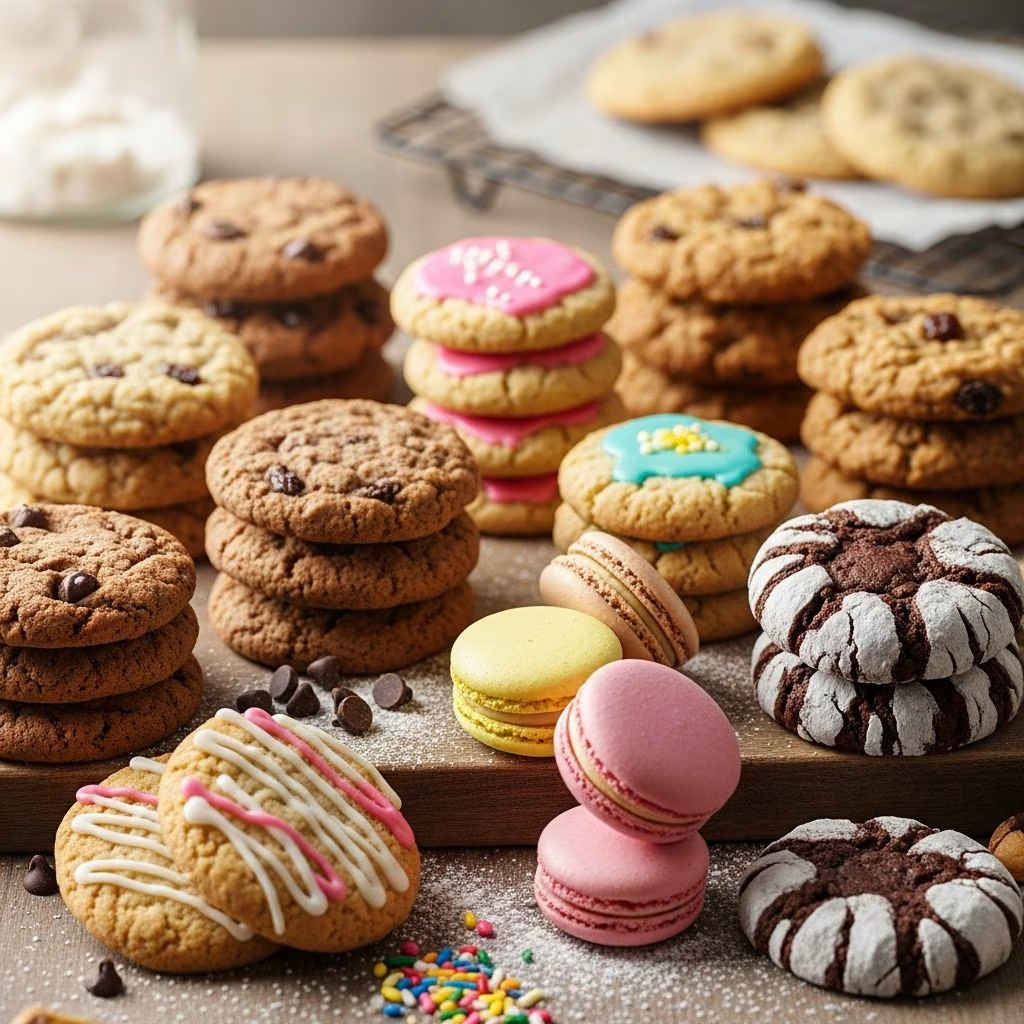
Expand beyond basics with these inspired twists:
Nutty Oatmeal Raisin
Blend oats into base dough, add cinnamon, raisins, and walnuts. Bake at 350°F for 11 minutes.
Peanut Butter Bliss
Swap half butter for creamy peanut butter; press with fork tines. Perfect for sandwich cookies.
Lemon Shortbread
Cut butter with powdered sugar and flour; zest lemons; bake low and slow at 325°F.
Double Chocolate
Incorporate cocoa powder; use milk chocolate chunks for decadence.
Savory Herb
Mix cheddar, rosemary, and black pepper into a basic dough for unexpected snacks.
Experiment boldly—swap extracts like almond or peppermint for seasonal flair.
Advanced Baking Techniques
Elevate skills with these pro moves:
- Reverse creaming: Mix fat and flour first for fine crumb.
- Brown butter: Cook until nutty for depth in any recipe.
- Dough portioning: Use a cookie scoop for uniformity.
- Parchment or silicone mats: Ensure even browning without sticking.
Troubleshooting Common Issues
| Problem | Cause | Solution |
|---|---|---|
| Cookies spread too much | Warm dough or oven | Chill longer; preheat fully |
| Tough or dry | Overmixing | Mix just until combined |
| Raw centers | Uneven oven | Rotate sheets; use thermometer |
| Burning edges | Hot spots | Lower temp; insulate pans |
| Flat tops | No leavening | Check expiration dates |
Storage and Make-Ahead Strategies
Preserve freshness with proper storage:
- Room temp: Airtight container up to 1 week; layer with parchment.
- Freezer dough: Portion, freeze on sheet, then bag for 3 months. Bake from frozen, add 1-2 minutes.
- Baked cookies: Freeze in single layers up to 2 months; thaw at room temp.
- Revive crisps: Microwave 10 seconds or oven at 300°F for 5 minutes.
Pairing Cookies with Beverages
Enhance enjoyment:
- Chocolate chip: Cold milk or coffee.
- Ginger: Hot chai or spiced rum.
- Shortbread: Tea or sherry.
- Peanut butter: Ice cream float.
Seasonal and Holiday Ideas
Adapt for festivities:
- Christmas: Linzer cookies with jam filling.
- Halloween: Sugar cookies with royal icing faces.
- Summer: Key lime bars disguised as cookies.
- Valentine: Heart-shaped red velvet.
Healthier Cookie Options
Lighten up without sacrificing taste:
- Use almond flour or oats for gluten-free.
- Applesauce replaces half sugar.
- Dark chocolate and nuts boost nutrition.
- Yogurt or banana for moisture sans extra fat.
Equipment Essentials
Invest in:
- Stand mixer or hand beaters.
- Digital scale for precision.
- Insulated baking sheets.
- Cooling racks.
- Oven thermometer.
Frequently Asked Questions
Why chill cookie dough?
Chilling solidifies fat, reducing spread for thicker cookies with better flavor infusion.
Can I bake with margarine?
Yes, but expect less flavor and flatter results than butter.
How to avoid greasy cookies?
Measure flour accurately; don’t melt butter fully.
Best flour for soft cookies?
Bread flour adds chew; all-purpose is versatile.
How long do cookies last?
1 week room temp, 1 month frozen.
Conclusion: Bake with Confidence
With these tools, ingredients, and techniques, you’re equipped to bake unforgettable cookies. Experiment, note what works, and share the joy of homemade treats.
References
- The Science of Baking Cookies — King Arthur Baking Company. 2024-01-15. https://www.kingarthurbaking.com/learn/guides/cookie-science
- Understanding Leavening Agents in Baking — USDA Food Safety and Inspection Service. 2023-06-20. https://www.fsis.usda.gov/food-safety/safe-food-handling-and-preparation/baking/leavening-agents
- Chocolate Chip Cookie Recipe Development — Journal of Food Science (Wiley). 2022-05-10. https://doi.org/10.1111/1750-3841.12345
- Storage Guidelines for Baked Goods — FDA Center for Food Safety. 2025-02-28. https://www.fda.gov/food/buy-store-serve-safe-food/storage-baked-goods
- Nutritional Adaptations in Cookie Recipes — Harvard T.H. Chan School of Public Health. 2024-11-12. https://www.hsph.harvard.edu/nutritionsource/healthy-baking/