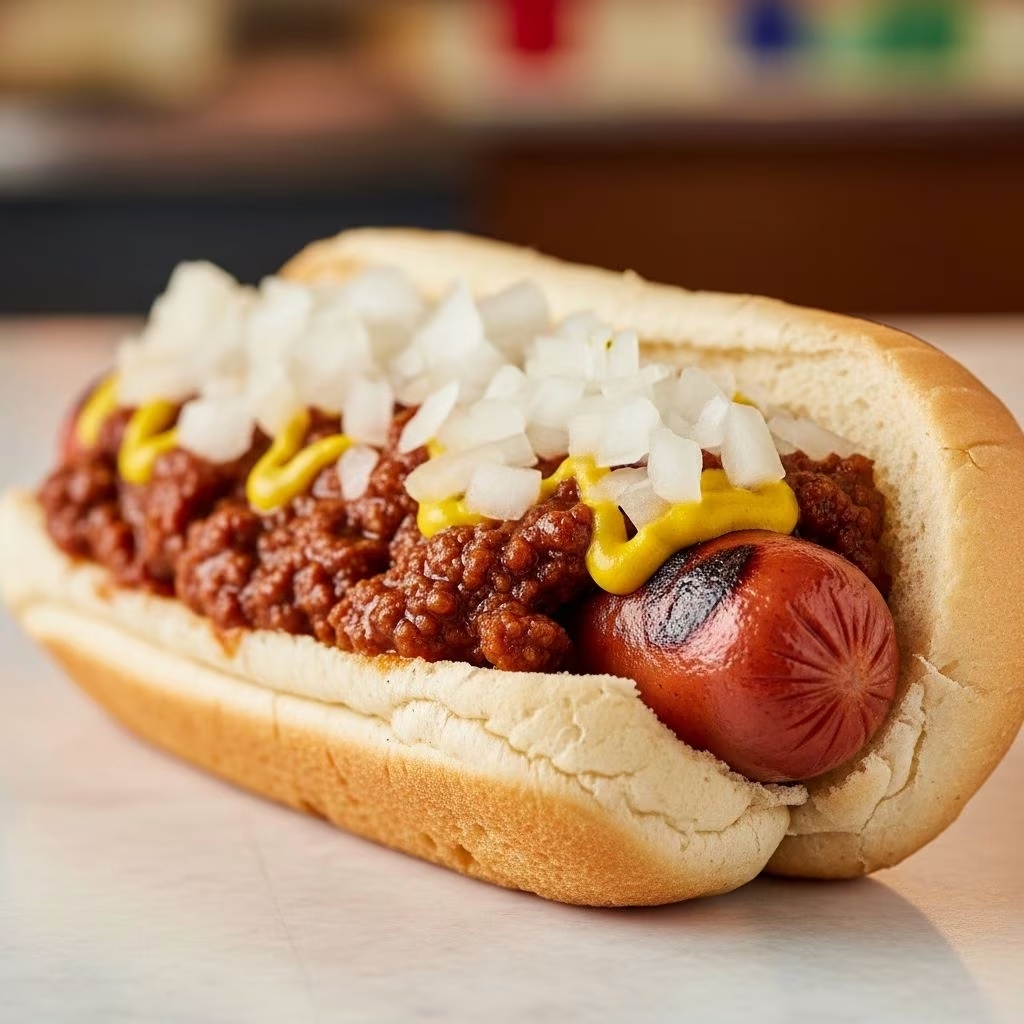
The Coney Island hot dog represents one of America’s most beloved regional comfort foods, distinguished by its distinctive spiced meat sauce that coats a plump, steamed hot dog nestled in a soft bun. What makes this preparation unique is not simply the hot dog itself, but the complex flavor profile of the accompanying sauce—a carefully balanced blend of spices, beef, and savory ingredients that transforms a simple sausage into an unforgettable meal. Whether you’re preparing these for a casual gathering or seeking to recreate a nostalgic favorite from your past, understanding the fundamentals of this classic dish will elevate your homemade preparation.
Understanding the Foundation: The Meat Sauce
The true heart of a Coney Island hot dog lies in its meat sauce, a rich and flavorful topping that requires attention to both ingredient quality and cooking technique. The sauce begins with ground beef, which serves as the protein base and provides the necessary fat and texture for the final product. Most traditional recipes call for ground beef with a moderate fat content, typically in the 80/20 ratio, which ensures adequate richness without excessive greasiness that would overpower the delicate spice balance.
The aromatics—primarily onions and garlic—form the flavor foundation. These ingredients are cooked until they reach a point of caramelization, where their natural sugars break down and intensify, creating a deeper, more complex taste profile. This initial cooking phase typically requires fifteen to twenty minutes over medium heat, allowing the vegetables to soften completely and develop their characteristic sweetness that will carry through the entire sauce.
The Spice Profile That Defines the Dish
Several essential spices work in concert to create the distinctive flavor that distinguishes a Coney Island hot dog from other regional variations. Understanding how these spices interact will help you master the recipe and potentially adjust it to your preferences.
- Chili powder provides the primary warming spice and contributes a subtle earthiness to the sauce
- Ground cumin adds a warm, slightly nutty undertone that rounds out the flavor profile
- Celery seed contributes an herbaceous quality and a faint note of celery’s natural bitterness, adding complexity
- Garlic powder intensifies the garlic flavor and ensures even distribution throughout the sauce
- Celery salt combines salt with celery notes for seasoning and additional flavor depth
The spices should be toasted briefly in the fat rendered from the cooking meat. This process, often called “blooming” spices, activates their essential oils and concentrates their flavors, resulting in a more vibrant and pronounced taste in the final sauce.
Building Layers of Flavor
Once your meat is browned and the aromatics have softened, the next critical step involves adding the wet ingredients that will create the sauce’s body and texture. The combination of tomato sauce, tomato paste, and water provides the liquid base, while mustard and Worcestershire sauce introduce tangy and umami elements that deepen the overall flavor complexity.
The tomato component serves multiple purposes: it adds acidity that brightens the sauce, provides natural sweetness that balances the spices, and contributes a subtle fruity undertone. Some traditional recipes incorporate chicken broth or beef broth as an additional liquid component, which enriches the sauce with savory depth and helps achieve the proper consistency.
Yellow mustard, a seemingly simple ingredient, plays a crucial role in the sauce’s flavor architecture. It contributes sharpness and a subtle heat that prevents the sauce from becoming one-dimensional, while Worcestershire sauce adds fermented complexity and umami that makes the sauce taste more developed and restaurant-quality.
Achieving the Perfect Consistency
The texture of your meat sauce significantly impacts the eating experience. A properly prepared Coney Island hot dog sauce should coat the hot dog evenly without running off or becoming excessively thick and pasty. This balance requires attention during the simmering phase, which typically lasts between twenty and forty minutes, depending on your desired thickness and the volume of liquid used.
If your sauce becomes too thick during cooking, you can adjust it by adding small amounts of water or additional broth. Conversely, if the sauce remains too thin after the recommended simmering time, you can thicken it slightly by creating a slurry with flour and water, stirring this mixture into the sauce, and allowing it to simmer for an additional few minutes. Some recipes incorporate flour directly into the dry spice blend or as a paste combined with tomato paste to achieve the desired consistency from the start.
Selecting and Preparing Hot Dogs and Buns
The quality of your hot dogs and buns deserves consideration equal to that of the sauce. Select all-beef hot dogs with natural casings when possible, as these provide superior texture and a satisfying snap when bitten into, compared to hot dogs made with binders and fillers. The casing’s integrity makes a notable difference in the overall eating experience.
Traditional Coney Island hot dog preparation calls for boiling or steaming the hot dogs rather than grilling them. Boiling hot dogs in salted water gently warms them through while allowing them to plump slightly, creating a tender texture that complements the rich sauce. Steaming produces similar results while preserving slightly more of the hot dog’s original casing texture.
Hot dog buns should be soft and fresh, ideally warmed just before assembly. Wrapping buns in foil and heating them in a moderate oven for approximately ten minutes creates the ideal texture—warm, slightly softened, but still maintaining enough structure to hold the hot dog and generous topping of sauce without falling apart.
Assembly Techniques and Topping Traditions
The proper assembly of a Coney Island hot dog follows a specific sequence that ensures optimal flavor and structural integrity. Begin by placing a steamed hot dog into a warmed bun, positioning it carefully so it nestles into the center without protruding excessively from either end. This positioning prevents the bun from becoming overwhelmed on one side while remaining relatively dry on the other.
Next, ladle the hot meat sauce over the hot dog, distributing it evenly along the length. A generous amount of sauce is traditional, creating a hearty presentation that justifies the “Coney Island” designation. The sauce should reach the sides and top of the hot dog without completely obscuring it.
Traditional toppings include finely diced white or yellow onions, which add a sharp, fresh contrast to the rich sauce, and a thin line of yellow mustard drizzled across the top. Some regional variations include shredded cheddar cheese, though this remains optional depending on your preference and local tradition. The contrast between the cold, crisp onions and the hot sauce creates an essential textural and temperature interplay that defines the eating experience.
Variations and Creative Adaptations
While the classic Coney Island hot dog remains timeless, understanding traditional variations allows you to explore different directions with confidence. Some preparations incorporate ground beef heart along with regular ground beef, which intensifies the meat flavor and creates a more complex sauce. This addition requires careful sourcing from a quality butcher but yields notably different results.
The sauce can be transformed into a chili-style preparation by adding kidney beans and diced tomatoes, creating a heartier dish that can be served over French fries or used as a topping for additional hot dogs. This adaptation extends the versatility of the base sauce recipe and provides options for different occasions or preferences.
Additional spices can be incorporated based on personal taste—smoked paprika adds depth, chipotle powder introduces subtle heat, or dried oregano contributes Mediterranean herbal notes. However, these additions should be made thoughtfully to avoid overpowering the traditional flavor profile that makes Coney Island hot dogs distinctive.
Common Preparation Mistakes to Avoid
Several common errors can undermine your Coney Island hot dog preparation. Overcooking the onions during the initial phase can result in excessive caramelization, which creates burnt flavors rather than pleasant sweetness. Similarly, rushing the spice-blooming phase by using too high heat can cause spices to scorch rather than release their essential oils, resulting in bitter notes in the finished sauce.
Another frequent mistake involves adding too little liquid to the sauce, resulting in a paste-like consistency that doesn’t properly coat the hot dog. Conversely, using too much liquid without adjusting the cooking time creates a thin, watery sauce that slides off rather than adhering to the hot dog.
Finally, neglecting to warm the buns adequately or using stale buns undermines the entire preparation. The contrast between the warm sauce and hot dog against the soft, warm bun is essential to the dish’s appeal.
Frequently Asked Questions
What type of ground beef works best?
Ground beef with an 80/20 fat-to-lean ratio provides the ideal balance. Higher fat content creates excessive greasiness, while leaner beef produces a dry, less flavorful sauce.
Can I prepare the sauce in advance?
Yes, the meat sauce actually improves when made a day or two ahead, as the flavors meld and develop further. Store it in an airtight container in the refrigerator and gently reheat before serving.
How long should the sauce simmer?
A minimum of twenty minutes is necessary to allow flavors to develop and the sauce to reach proper consistency. Some traditional recipes simmer for significantly longer, up to an hour, for even deeper flavor development.
Are there vegetarian alternatives?
While authentic Coney Island hot dogs rely on meat sauce, a vegetarian adaptation could use finely minced mushrooms or lentils cooked with the same spice blend to approximate the texture and flavor profile.
What bun style is most traditional?
Standard soft hot dog buns are traditional, though some regional variations use potato buns, which provide slightly more structure and a subtle richness.
Mastering Your Coney Island Hot Dog Preparation
Creating authentic Coney Island hot dogs at home requires understanding the interplay between quality ingredients, proper technique, and careful assembly. By respecting the traditional recipe while remaining attentive to your personal preferences, you can produce hot dogs that rival those from established restaurants. The key lies in allowing adequate time for flavors to develop, maintaining awareness of your sauce consistency, and treating each component—from the hot dog itself to the final toppings—with appropriate care and attention.
The beauty of this classic American dish lies in its apparent simplicity masking genuine complexity. What appears as a straightforward hot dog with sauce actually represents a carefully orchestrated combination of flavors, textures, and temperatures that, when executed properly, creates something genuinely memorable. Whether you’re preparing these for casual weeknight dinners or special occasions, the effort invested in understanding and respecting the fundamentals will reward you with consistently excellent results.
References
- Coney Island Hot Dogs Recipe — Heinen’s Grocery Store. Accessed April 2026. https://www.heinens.com/recipes/coney-island-hot-dogs/
- Coney Island Hot Dogs – Game Night Treat — Weekend at the Cottage. Accessed April 2026. https://weekendatthecottage.com/coney-island-hot-dogs/
- Coney Island Hot Dogs Recipe — House of Nash Eats. Accessed April 2026. https://houseofnasheats.com/coney-island-hot-dogs/
- Coney Island Hot Dogs Recipe — Taste and Tell Blog. Accessed April 2026. https://www.tasteandtellblog.com/coney-island-hot-dogs/
- Michael Symon’s Coney Dogs — Food Network. Accessed April 2026. https://www.youtube.com/watch?v=KAofYhGcy-s
- Coney Island Hot Dog – Hot Dog with Spicy Meat Sauce — Food Wishes. Accessed April 2026. https://www.youtube.com/watch?v=4aDZ0yT5agM