Many households overlook condiment shelf life, assuming dates are mere suggestions. However, certain expired items pose serious health risks due to bacterial growth in egg or dairy components. Prioritizing proper storage and timely disposal prevents illnesses like salmonellosis.
Why Condiment Dates Matter More Than You Think
Best-by dates indicate peak quality, but for perishable condiments, they signal safety thresholds. Egg-based products support pathogens like Salmonella and Listeria if mishandled post-expiration. Dairy elements in dressings amplify risks, while acidic or fermented options offer longer leeway.
The USDA FoodKeeper app outlines post-opening fridge life: creamy items last 1-2 months, vinegary ones extend to a year. Temperature control below 40°F is crucial; above 50°F for hours invites contamination.
Top High-Risk Condiments: Egg and Dairy Culprits
Egg and dairy condiments demand strict adherence to dates. Their neutral pH fosters rapid bacterial proliferation once preservatives wane.
Mayonnaise and Its Creamy Cousins
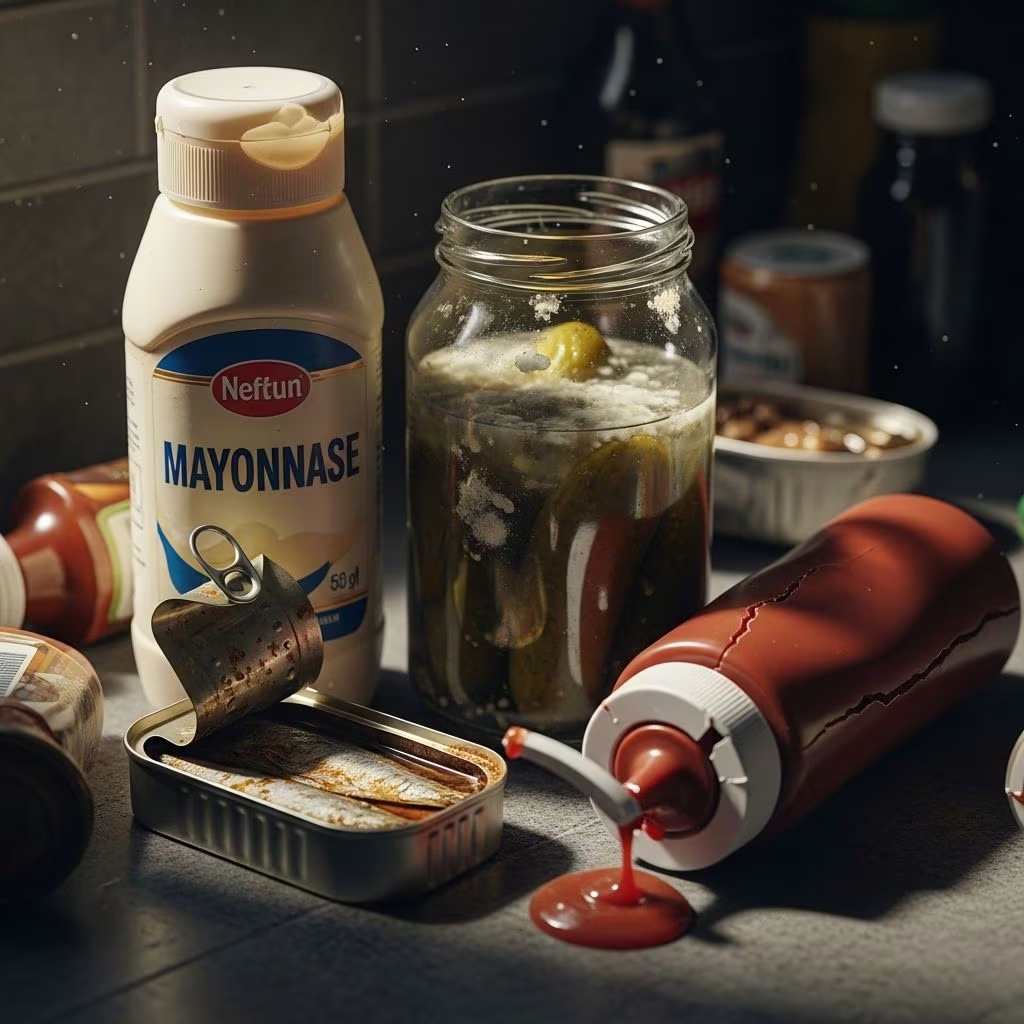
Commercial mayo uses pasteurized eggs and acids for stability, yet opened jars harbor risks after 2 months refrigerated. Discard if left above 50°F over 8 hours, as Salmonella, E. coli, or Listeria thrive. Symptoms emerge in hours: nausea, cramps, diarrhea.
Tartar sauce, aioli, remoulade, and Thousand Island share this profile. Visual cues include separation, discoloration, or off odors. Dietitians recommend tossing at expiration, especially post-barbecue exposure.
Ranch and Blue Cheese Dressings
Ranch, blending buttermilk, sour cream, and mayo, spoils within 1-2 months opened. Improper storage invites foodborne illness; check for texture shifts or masked rancidity via cheese pungency.
Blue cheese dressing, heavy on dairy and crumbles, risks bacterial breeding. Strong aromas hide spoilage—rely on dates over senses.
Caesar Dressing Dangers
Raw or lightly pasteurized yolks in Caesar make it Salmonella-prone. Commercial pasteurization helps, but post-expiration oil-egg bases degrade. Toss after 1-2 months; ignore smell tests.
Moderately Risky: Sauces That Need Watching
Not all condiments are equal threats. High-acid or preserved types endure longer, but vigilance prevents issues.
Barbecue Sauce Breakdown
Store-bought BBQ lasts 4 months opened thanks to sugar, vinegar, preservatives. Artisan variants shorten to weeks. Mold, texture changes, or off smells warrant discard.
Horseradish Heat Loss
Air exposure dulls horseradish pungency rapidly. By expiration, flavor fades; freshness ensures full kick. Use within months of opening.
Safer Bets: Long-Lasting Condiments
Acid, salt, and fermentation preserve these indefinitely if stored right.
- Mustard: 1 year post-opening; pungency signals prime.
- Ketchup: 6 months; acidity inhibits bacteria.
- Hot Sauce: 6 months to 5 years; vinegar and heat protect.
- Soy Sauce: 6 months to 3 years fridge; unopened 3 years pantry. Stale flavor post-prime.
- Worcestershire: 1-3 years; fermentation aids longevity.
- Honey: Indefinite; natural preservatives.
Condiment Shelf Life Comparison Table
| Condiment | Unopened Shelf Life | Opened (Fridge) | Key Spoilage Signs |
|---|---|---|---|
| Mayonnaise | 3-4 months past best-by | 2-3 months | Separation, off smell, discoloration |
| Ranch | 6-9 months | 1-2 months | Texture change, rancid odor |
| Caesar Dressing | 6-9 months | 1-2 months | Color shift, watery consistency |
| BBQ Sauce | 6-12 months | 4 months | Mold, funky smell |
| Mustard | 2 years | 1 year | Faded pungency |
| Soy Sauce | 3 years | 6-12 months | Stale, rancid taste |
| Hot Sauce | 2 years | 6 months+ | Minimal; check mold |
Spotting Spoilage: Sensory Checks and Best Practices
Beyond dates, inspect visually, olfactorily, and texturally. Discard if:
- Mold appears (fuzzy spots).
- Odors deviate sharply (rancid, sour).
- Colors alter (darkening, separation).
- Textures thin or thicken unnaturally.
Store opened condiments in fridge doors or bins at 40°F max. Label with open dates. Freeze mayo-based for 2 months extension, thawing carefully. Clean jars post-use to deter cross-contamination.
Health Impacts of Consuming Spoiled Condiments
Expired creamy condiments risk Salmonella (fever, diarrhea 12-72 hours post-ingestion) or Listeria (vulnerable groups: pregnant, elderly). Acidic ones rarely sicken but degrade nutritionally. Vulnerable populations heed dates strictly.
FAQs on Condiment Safety
Can you eat condiments past best-by dates?
Depends on type. Acidic like mustard: yes, with checks. Egg/dairy like mayo: no, risk illness.
What if expired mayo tastes fine?
Taste/smell unreliable; bacteria thrive odorlessly. Discard if past date or mishandled.
How long does opened ketchup last?
6 months refrigerated; acidity preserves well.
Is freezing condiments safe?
Yes for mayo/ranch (2 months); thaw in fridge, use soon.
Does soy sauce expire?
Quality degrades after 6-12 months opened; safe but less flavorful.
Practical Tips for a Safer Pantry
Inventory monthly: rotate stock, note open dates. Buy small jars for infrequent use. Homemade? Use within days, refrigerate promptly. Educate family on risks—prevents casual consumption.
By distinguishing risky from resilient condiments, you safeguard meals without waste. Focus vigilance on mayo-family items for peace of mind.
References
- These Expired Condiments in Your Fridge Could Actually Make You Sick — On Better Living. 2023-05-15. https://onbetterliving.com/expired-condiments-make-you-sick/
- 13 Condiments You Should Never Keep Past Expiration Dates — Delish. 2024-10-01. https://www.delish.com/food/a68078493/condiments-expiration-dates-what-to-toss/
- When to Say Goodbye to Your Condiments — Kansas State University Johnson County. 2023-08-20. https://www.johnson.k-state.edu/programs/health-food-safety/newsletter-articles/agents-articles/when-to-say-goodbye-to-your-condiments.html