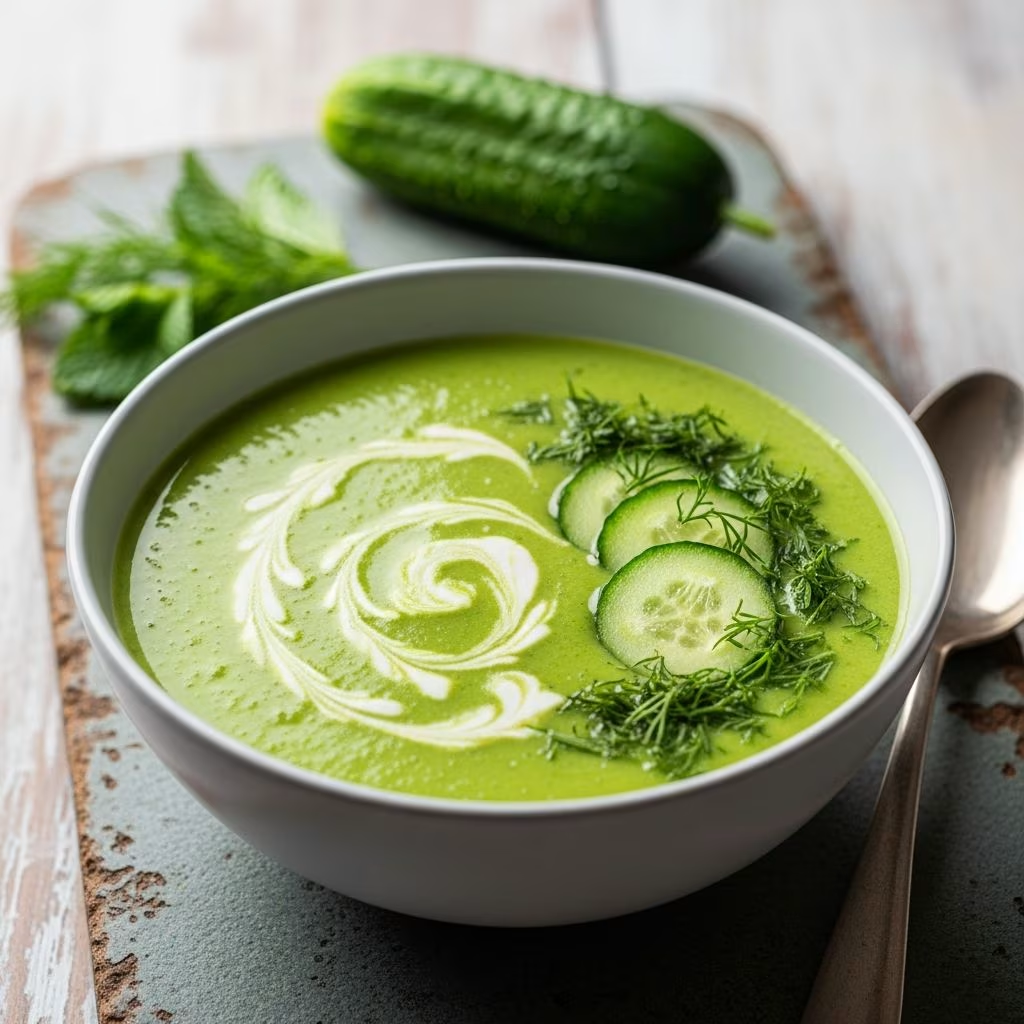
When temperatures soar and the thought of turning on your kitchen stove feels unbearable, cold cucumber soup emerges as the perfect culinary solution. This **chilled soup delivers refreshment without any cooking**, making it an ideal choice for warm weather entertaining or a quick, healthy lunch. The beauty of this dish lies in its simplicity—just a blender, fresh ingredients, and patience allow you to transform humble cucumbers into a sophisticated, restaurant-quality starter.
Why Cold Cucumber Soup Deserves a Place in Your Summer Menu
Cold soup recipes have experienced a resurgence in modern cuisine, and for good reason. This particular preparation method keeps your kitchen cool while delivering maximum flavor and nutrition. Unlike traditional hot soups that require stovetop time and careful monitoring, a chilled cucumber soup demands nothing more than basic blending techniques and refrigeration time.
The versatility of this soup cannot be overstated. Serve it as an elegant appetizer at dinner parties, enjoy it as a light lunch option, or present it as a palate cleanser between courses. The neutral flavor profile allows for numerous variations, meaning you can adapt it based on available ingredients or personal preferences. Furthermore, this preparation aligns well with contemporary dietary approaches, including keto-friendly and gluten-free lifestyles.
Essential Ingredients and Their Roles
Understanding each component’s contribution helps you optimize your finished dish and make intelligent substitutions when necessary.
The Foundation: Cucumbers
Cucumbers form the backbone of this recipe, typically accounting for the majority of the soup’s volume. Persian or English cucumbers work best due to their delicate skin and fewer seeds compared to standard slicing varieties. These thin-skinned options require minimal peeling and create a smoother final texture when blended. Reserve several cucumber slices before blending to use as an elegant garnish that adds visual appeal and fresh crunch to each serving.
Creaminess: Greek Yogurt’s Important Function
Plain Greek yogurt serves as the creamy component that transforms watery cucumber puree into a luxurious soup. Full-fat Greek yogurt produces the richest results, though lower-fat versions work acceptably if you’re managing calorie intake. The yogurt contributes protein, probiotics, and a subtle tangy undertone that balances the soup’s fresh vegetable notes. The cultured flavor creates depth without requiring any cooking or additional fats.
Flavor Builders: Herbs and Aromatics
Fresh herbs elevate this soup from ordinary to extraordinary. Common choices include basil, dill, mint, and parsley—each bringing distinct flavor characteristics. Dill adds an herbaceous, slightly grassy note that complements cucumbers beautifully. Basil introduces a more robust, peppery dimension. Mint delivers brightness and cooling sensation that enhances the soup’s refreshing quality. Most recipes combine multiple herbs rather than relying on a single variety, creating complexity in the final flavor profile.
Garlic and shallots provide aromatic foundation, while onions add subtle sweetness and depth. Start with modest quantities of these pungent ingredients, as their flavor intensifies during the blending and chilling processes.
Brighteners and Enhancers
Fresh lemon juice provides acidity that prevents the soup from tasting flat or one-dimensional. The citrus component cuts through richness from the yogurt and olive oil while enhancing the perception of freshness. Extra-virgin olive oil contributes healthy fats, richness, and subtle fruity notes. Adding it after blending (rather than before) helps preserve its delicate flavor profile and provides a finishing touch of elegance.
Preparation Methodology
Cucumber Preparation Techniques
Proper cucumber prep significantly impacts your final result. Begin by washing cucumbers thoroughly under cool running water. For recipes using English cucumbers, peel the skin away using a vegetable peeler. Persian varieties often have skin thin enough to leave intact, though personal preference matters here.
After peeling, cut cucumbers lengthwise and use a small spoon to gently scrape away the seed interior. Excessive seeds create a watery, bitter taste and muddy the final texture. Some recipes recommend salting sliced cucumbers and allowing them to “sweat” for 20-30 minutes, which draws out excess moisture and concentrates flavor. Pat the cucumber slices dry with paper towels before blending.
The Blending Process
A high-powered blender produces the smoothest, most refined texture, though a food processor with a blade attachment yields acceptable results. Combine all prepared ingredients—cucumbers, yogurt, herbs, aromatics, lemon juice, olive oil, salt, and pepper—in your blending vessel. Begin on a lower setting to combine ingredients, then gradually increase speed to achieve complete smoothness. This staged approach prevents splashing and ensures even blending.
The resulting puree should resemble thick cream rather than thin liquid. If your mixture seems too thick, add water gradually—one teaspoon at a time—until reaching your preferred consistency. Remember that the soup will thicken slightly during refrigeration as yogurt continues its natural process.
Chilling and Flavor Development
Refrigeration time is not optional; it’s essential for proper flavor development. Most recipes recommend chilling for at least four hours, though overnight storage produces even better results. During this resting period, flavors meld and intensify, creating a more sophisticated taste than freshly made soup. The cold temperature also enhances the refreshing sensation when consumed.
Serving Suggestions and Garnishing
Presentation elevates your cold soup from simple to special. Ladle the chilled soup into bowls, then apply your chosen garnishes with intention and care.
- Reserved cucumber slices: Thinly sliced fresh cucumbers add visual interest and provide crisp texture contrast against the smooth soup
- Fresh herb sprigs: Small portions of dill, mint, basil, or chives offer aromatic enhancement and visual elegance
- Cracked black pepper: A finishing grind of fresh pepper adds sophisticated appearance and subtle spice
- Olive oil drizzle: A careful pour of extra-virgin olive oil creates a glossy finish and contributes luxurious mouthfeel
- Minced shallots: A delicate scatter of finely diced shallots provides sharp, oniony punctuation
- Edible flowers: Chive blossoms, nasturtiums, or pansies add unexpected color and delicate flavor
Flavor Variations and Creative Adaptations
While the basic formula remains consistent, numerous variations allow for personalization based on ingredient availability and taste preferences. Some preparations incorporate heat through jalapeño peppers or Tabasco sauce, creating a spicy dimension that excites the palate. Others include cumin for warmth and earthiness, or replace some yogurt with coconut milk for tropical undertones.
Regional variations exist worldwide. Mediterranean-influenced versions emphasize feta cheese and olives, while Asian-inspired adaptations might incorporate ginger, sesame oil, and scallions. Experiment cautiously with ingredient substitutions, remembering that each change affects the overall flavor balance.
Nutritional Considerations
Cold cucumber soup offers significant nutritional benefits alongside its delicious flavor. Cucumbers contain approximately 95 percent water, making them exceptionally hydrating while remaining low in calories. Greek yogurt provides protein for satiety and probiotics that support digestive health. Fresh herbs contribute vitamins, minerals, and beneficial plant compounds without adding substantial calories.
This soup naturally accommodates various dietary approaches. Its gluten-free status makes it suitable for those with celiac disease or gluten sensitivity. The carbohydrate-conscious can enjoy it comfortably, as it aligns with ketogenic and low-carb dietary frameworks. The absence of heavy cream or butter appeals to those seeking lighter options without sacrificing richness or satisfaction.
Storage and Make-Ahead Strategies
Cold cucumber soup stores beautifully in an airtight container for three to four days in the refrigerator. The flavors actually improve slightly during the first two days as ingredients continue melding. The soup does not freeze well, as the yogurt component separates during thawing, creating an unpleasant texture.
For entertaining purposes, prepare the soup base the day before serving, then add fresh herbs and garnishes just before presenting. This timing strategy ensures optimal herb flavor while minimizing last-minute preparation stress. Keep chilled bowls in the refrigerator so the soup stays cold from presentation through consumption.
Equipment Recommendations
While this recipe requires minimal equipment, certain tools make preparation significantly easier. A high-powered blender creates the silkiest texture with the least effort. A food processor serves as an acceptable alternative, though it may not produce quite as smooth a result. A vegetable peeler streamlines cucumber preparation, and a small spoon makes seed removal simple and efficient.
Frequently Asked Questions
Can I make cold cucumber soup without yogurt?
While yogurt provides creaminess and richness essential to the traditional preparation, alternatives exist. Sour cream offers similar texture and tang, though it may slightly alter the final flavor. Coconut milk creates a lighter, more exotic version suitable for Asian-influenced variations. However, removing the creamy component entirely results in a thinner, more broth-like consistency that differs substantially from the traditional soup.
How can I reduce the garlic intensity in my soup?
Garlic flavor intensifies during storage, so use less than you think you need initially. Begin with half a clove rather than a full one, tasting after blending and adding more if desired. Blanching garlic cloves for one minute before blending mellows their sharp edge while preserving flavor. Some recipes substitute garlic powder for fresh garlic, producing a more subtle effect.
Why does my soup taste watery or diluted?
Overly watery soup typically results from using regular slicing cucumbers with excessive water content or failing to remove seeds properly. The “sweating” technique mentioned earlier draws out moisture before blending, improving the final consistency. If your cucumbers were particularly juicy, reduce the yogurt quantity slightly or extend the refrigeration time, allowing the yogurt to thicken the mixture further.
Can I serve this soup hot?
While the recipe is designed for chilled consumption, heating the soup to serving temperature is technically possible. However, heat diminishes the fresh, bright flavor profile and eliminates the refreshing quality that defines this preparation. Heat also may cause yogurt to separate or become grainy. For hot soup, choose traditional hot cucumber soup recipes designed with heating in mind.
How far in advance can I prepare this soup?
Prepare the complete soup up to two days ahead for optimal flavor development and ingredient freshness. The soup maintains acceptable quality for up to four days when properly stored in airtight containers. Add fresh herb garnishes and olive oil drizzles immediately before serving rather than hours ahead, as this preserves the visual appeal and delicate herb flavors.
Conclusion: Embracing Simple, Elegant Cooking
Cold cucumber soup exemplifies the principle that exceptional cuisine need not require complex techniques or extensive ingredient lists. This straightforward preparation delivers sophistication, nutrition, and refreshment in perfect harmony. Whether you’re cooking for yourself or impressing dinner guests, this soup proves that some of the most satisfying dishes emerge from respecting ingredient quality and embracing simplicity.
References
- Cold Cucumber Soup Recipe — Love and Lemons. Accessed April 2026. https://www.loveandlemons.com/cold-cucumber-soup/
- Andrew Zimmern’s Cold Cucumber Soup Recipe — Andrew Zimmern Official Site. Accessed April 2026. https://andrewzimmern.com/recipes/andrew-zimmern-cooks-cold-cucumber-soup/
- Cold Cucumber Soup — What A Girl Eats. Accessed April 2026. https://whatagirleats.com/cold-cucumber-soup/
- Cold Cucumber Basil Soup — Cooking On The Weekends. Accessed April 2026. https://cookingontheweekends.com/chilled-cucumber-basil-soup-recipe/
- Cucumber Soup — Skinnytaste. Accessed April 2026. https://www.skinnytaste.com/cucumber-soup/