Understanding the Coffee Cocktail Renaissance
The contemporary cocktail scene has witnessed a remarkable transformation in recent years, with bartenders and home enthusiasts increasingly exploring the intersection of coffee culture and mixology. Among these creative combinations, the coffee Americano cocktail stands out as a sophisticated option that marries the robust intensity of espresso with carefully selected spirits. This beverage represents more than just a casual combination—it embodies the modern approach to craft cocktails that emphasize quality ingredients, precise technique, and flavor balance.
The rise of coffee-infused cocktails reflects broader trends in hospitality where consumers seek multisensory experiences that combine stimulation from caffeine with the complexity of premium alcohol. What makes this particular cocktail compelling is its versatility; it can serve as an afternoon pick-me-up, a sophisticated digestif after dinner, or an impressive offering at social gatherings.
The Foundation: Core Ingredients and Their Roles
Selecting Your Base Spirit
The choice of spirit forms the backbone of your coffee Americano cocktail and significantly influences its character. Different spirits bring distinct flavor profiles that either complement or contrast with coffee’s inherent bitterness and depth. Bourbon, with its vanilla notes and warmth, creates a comforting and full-bodied experience. Cognac or brandy introduces fruity undertones that can soften the espresso’s edge while adding sophistication. Rum, particularly aged varieties, offers caramel and molasses notes that naturally align with coffee’s sweetness. Vodka provides a neutral canvas that allows espresso to shine as the dominant flavor, appealing to those who prefer coffee-forward profiles.
Your selection should consider not only personal preference but also the intended occasion and accompanying flavors. Premium quality matters significantly at this stage—lower-quality spirits can leave harsh, unpleasant finishes that overwhelm the nuanced coffee notes you’ve carefully developed.
Espresso: The Defining Element
Espresso quality cannot be overstated when crafting this cocktail. Unlike regular brewed coffee, espresso’s concentration and extraction method produce oils and compounds that create a distinctive mouthfeel and flavor intensity essential to this drink’s character. Freshly pulled espresso—ideally within 10 to 30 seconds of extraction—delivers optimal aromatic compounds and crema that enhance both flavor and presentation.
The grind size, tamping pressure, and extraction time all influence the final product. Over-extracted espresso becomes excessively bitter, while under-extracted versions taste thin and sour. If you lack access to an espresso machine, high-quality instant espresso powder mixed with hot water provides a reasonable alternative, though purists may notice a difference in complexity.
Supporting Ingredients for Depth
Secondary ingredients transform a simple two-component drink into a balanced cocktail. Liqueurs such as Kahlúa, Frangelico, or Tia Maria add sweetness and coffee depth without requiring additional sugar. These products are specifically formulated to complement coffee flavors and require careful measurement to avoid overwhelming the drink. Simple syrup or demerara syrup offers customizable sweetness levels while maintaining clarity.
Bitters—particularly those formulated for coffee or chocolate applications—provide complexity and subtle flavor accents. A few dashes can dramatically elevate the drinking experience by adding aromatic notes and visual appeal. Some bartenders experiment with specialty bitters including orange, walnut, or cardamom varieties to create unique flavor combinations.
Essential Techniques for Perfect Execution
Temperature Management
One of the most critical yet frequently overlooked aspects of creating this cocktail involves managing temperature. Espresso’s heat can affect spirit flavors and create a drink that’s too hot to enjoy immediately. Allowing espresso to cool slightly—approximately two to three minutes—before combining with spirits helps prevent heat-induced flavor alterations. However, you want to avoid letting it cool completely, as warm ingredients contribute to a more cohesive, integrated flavor profile.
Some bartenders pre-chill glassware and serve the cocktail over ice, which both cools the drink rapidly and provides dilution that softens sharp edges. Others prefer room-temperature preparation for immediate consumption in the warmed glass, which preserves volatile aromatics.
Proper Mixing and Integration
The method of combining ingredients significantly impacts the final result. Gentle stirring rather than vigorous shaking helps preserve espresso’s crema and prevents excessive aeration that can muddy flavors. When using spirits, liqueurs, and espresso together, stir for approximately 10 to 15 seconds until the mixture achieves visual homogeneity and the ingredients reach thermal equilibrium.
If incorporating ice, use large, high-quality ice cubes rather than standard ice. The slower melt rate of premium ice prevents excessive dilution while maintaining optimal temperature. Some professionals employ the dry shake method—shaking without ice to integrate aromatic components—followed by a pour into ice-containing glassware for a hybrid approach.
Garnishing and Presentation
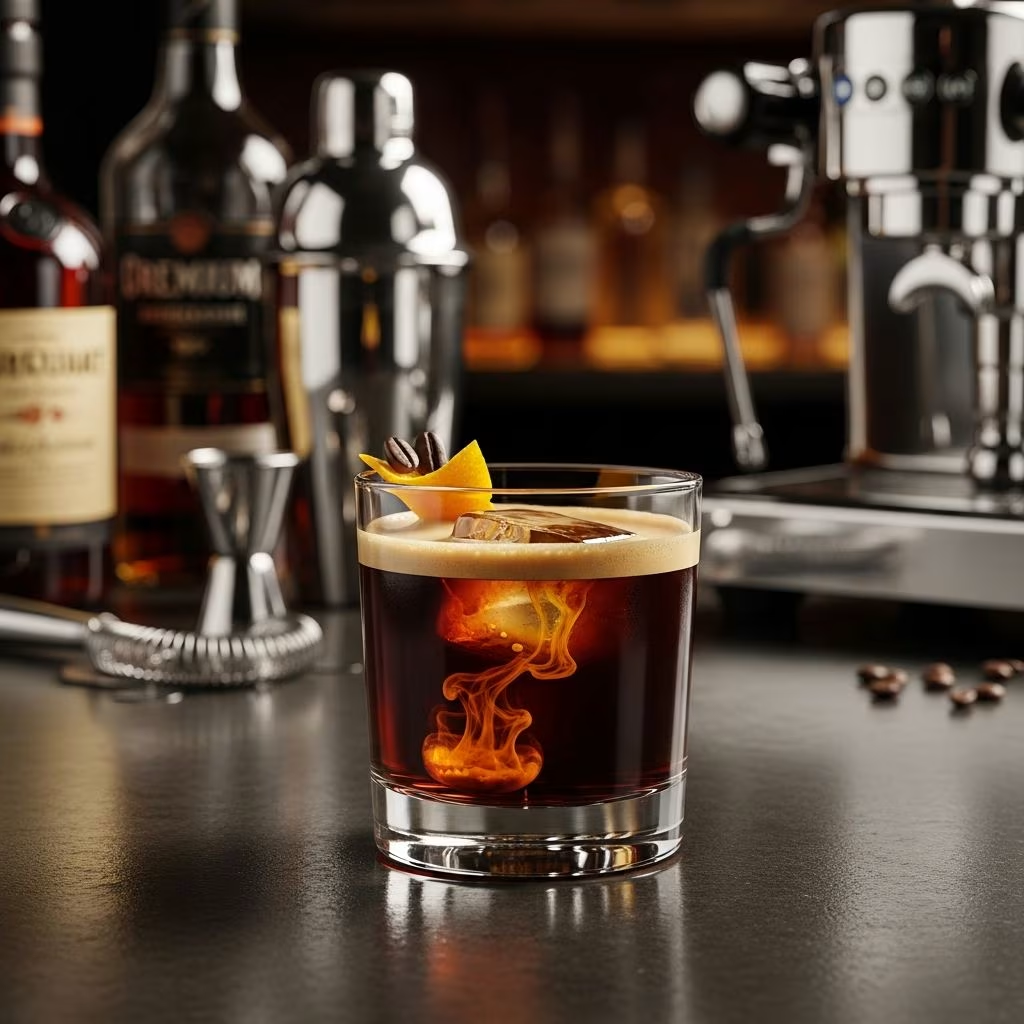
Visual presentation enhances the drinking experience and signals quality craftsmanship. A traditional approach involves floating a small amount of cream or cold foam atop the finished cocktail, creating an elegant contrast with the dark liquid below. The cream should be gently poured over the back of a bar spoon to create distinct layering.
Express citrus oils over the surface by twisting a lemon or orange peel, allowing aromatic compounds to mist across the drink. A single whole spice such as a cinnamon stick, star anise, or vanilla bean can serve both functional and aesthetic purposes, stirring the drink while adding subtle flavor. Cocoa powder dusted lightly across the foam provides visual interest and hints at chocolate-coffee flavor harmonies.
Recipe Framework and Variations
The Classic Formula
- 1.5 ounces premium bourbon or brandy
- 1 ounce freshly extracted espresso (cooled 2-3 minutes)
- 0.5 ounces coffee liqueur
- 0.25 ounces simple syrup
- 2-3 dashes aromatic or coffee bitters
- Large ice cube or sphere
- Floating cream or cold foam topping
Combine all ingredients except ice in a mixing glass. Stir until well-integrated and slightly chilled. Pour into a rocks glass over ice. Top with cream or foam. Express citrus oil over the surface and serve immediately.
Adventurous Interpretations
The Spiced Variation: Add 0.25 ounces of spiced liqueur such as Cinnamon Whiskey or replace standard bitters with aromatic bitters featuring warming spices. This creates a more autumnal, dessert-forward profile.
The Creamy Version: Incorporate 0.5 ounces of Irish cream liqueur and reduce coffee liqueur proportionally. This produces a dessert-like quality reminiscent of traditional Irish coffee but with added complexity.
The Chocolate Accent: Use chocolate bitters, add 0.25 ounces of crème de cacao, and dust the finished drink with finely grated dark chocolate. This combination appeals to those preferring sweeter, more indulgent profiles.
The Tropical Twist: Replace traditional bourbon with dark rum and incorporate 0.25 ounces of coconut liqueur. Add a touch of vanilla syrup and garnish with toasted coconut. This variation works exceptionally well for warm-weather entertaining.
Ingredient Selection Guide
| Ingredient Category | Recommended Options | Flavor Profile | Best For |
|---|---|---|---|
| Base Spirits | Buffalo Trace, Maker’s Mark, Hennessy, Diplomatico Rum | Warm, balanced, fruity, smooth | Everyday preparation, balanced drinks |
| Coffee Liqueurs | Kahlúa, Patron XO Cafe, Tia Maria, Mr. Black | Sweet, rich, coffee-forward | Adding depth without bitterness |
| Syrups | Demerara, vanilla, brown sugar, maple | Varying sweetness levels and notes | Customizing sweetness profiles |
| Bitters | Angostura, Fee Brothers Coffee, Regan’s Orange | Aromatic, complex, layered | Adding sophistication and depth |
Professional Tips for Home Bartenders
Equipment Investment
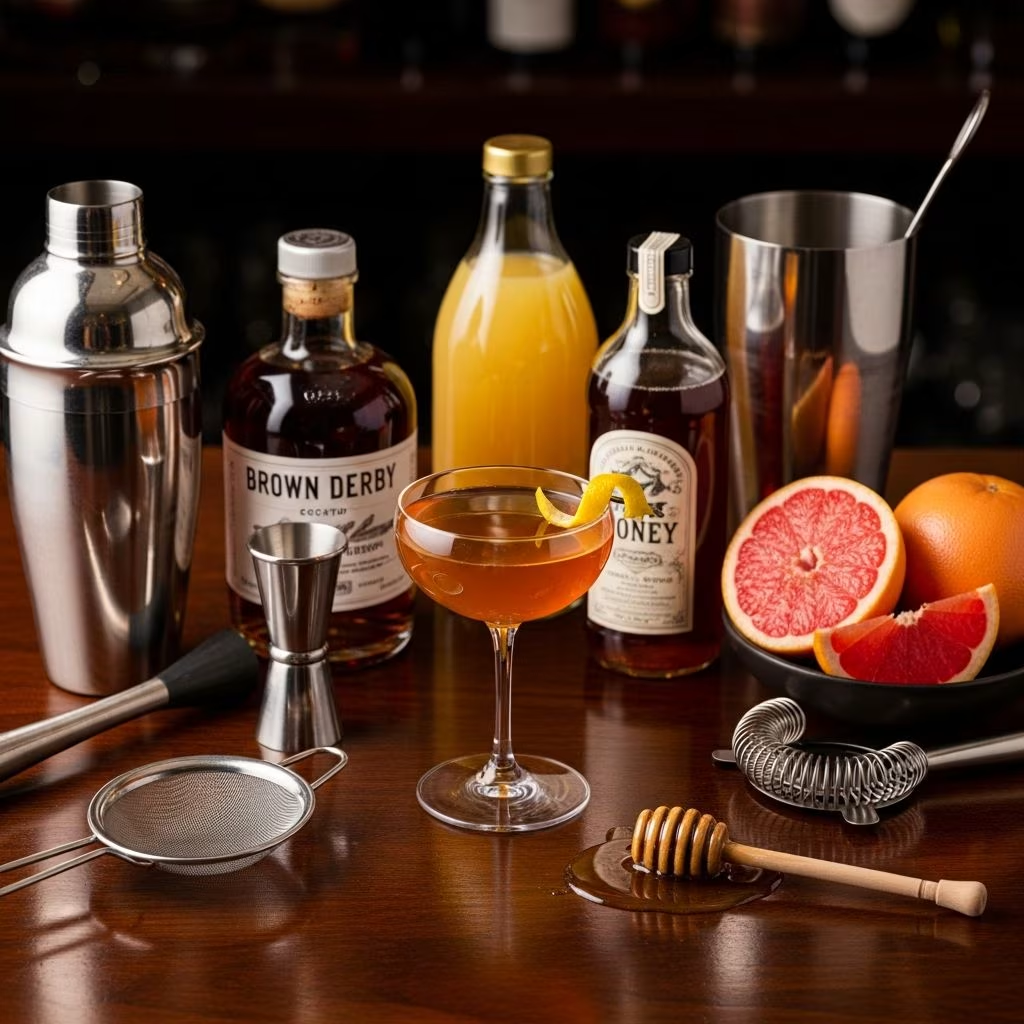
Creating consistently excellent cocktails requires appropriate tools. A jigger with clearly marked measurements ensures precise proportioning. A bar spoon with adequate length allows for proper stirring technique and controlled pouring. A mixing glass provides better control than shaking directly in the serving glass, allowing you to monitor incorporation and temperature. A channel knife or vegetable peeler creates elegant citrus garnishes that enhance presentation.
If you frequently prepare these cocktails, investing in a quality home espresso machine transforms the experience. Entry-level machines capable of producing adequate espresso cost significantly less than premium models while delivering substantial improvements over instant alternatives.
Preparation Workflow
Organize your ingredients before beginning. Pull espresso and allow it to cool slightly while you measure spirits and other components. This sequence prevents unnecessary waiting and ensures all elements reach the mixing glass at optimal temperature. Keep ice stored in an insulated container to maintain its integrity until the final moment of service.
Flavor Balancing Strategy
Taste components individually before combining them fully. Understanding how each ingredient contributes to the final profile helps you make real-time adjustments. If the result feels too bitter, incorporate slightly more liqueur or syrup. If it seems overly sweet, add a few more drops of bitters or increase spirit proportion. Development of palate awareness requires tasting and comparing variations systematically.
Frequently Asked Questions
Can I prepare this cocktail in advance?
While you can prepare ingredients ahead, the finished cocktail is best consumed immediately after preparation. Espresso oxidizes and loses aromatic qualities within 10 to 15 minutes. If entertaining, consider preparing components separately and combining them on-demand for optimal flavor and presentation.
What if I don’t have an espresso machine?
Quality instant espresso powder provides a functional alternative. Mix one teaspoon of powder with two ounces of hot water to approximate one ounce of fresh espresso. While the complexity differs from freshly pulled espresso, this method produces acceptable results. Some specialty coffee retailers sell concentrated liquid espresso shots designed specifically for cocktail applications.
How can I reduce caffeine content?
Use half the espresso quantity and compensate for depth by increasing coffee liqueur slightly. Alternatively, incorporate decaffeinated espresso, though this may sacrifice some aromatic intensity. Some bartenders prepare hybrid versions using one-third espresso combined with two-thirds very strong brewed coffee for a lower-caffeine option.
What glassware works best?
Traditional rocks or old-fashioned glasses provide an appropriate vessel, allowing adequate space for ice and garnishes while maintaining an elegant aesthetic. Some bartenders prefer coupe glasses for a more refined presentation, though this limits ice incorporation. Experiment with different glassware to determine your preference.
How do I adjust sweetness levels?
Begin with 0.25 ounces of simple syrup and taste before adding additional amounts. Consider that coffee liqueurs contribute significant sweetness—reducing their quantity provides an alternative to syrup adjustment. High-quality dark spirits often contain subtle sweetness that becomes apparent as the drink warms and flavors integrate.
Pairing and Serving Occasions
This cocktail transitions well across multiple serving occasions and times of day. In afternoon settings, serve it as a sophisticated alternative to traditional coffee, offering the stimulation of caffeine alongside the indulgence of spirits. After dinner, it functions as an elegant digestif that aids digestion while satisfying dessert cravings through its subtle sweetness and rich flavors.
For special occasions or entertaining, consider preparing a small batch variation served in punch bowls, allowing guests to help themselves. The cocktail pairs particularly well with chocolate-based desserts, pastries featuring coffee or caramel notes, and savory items such as nuts or aged cheeses that provide textural and flavor contrast.
Conclusion: Mastering the Craft
Creating an exceptional coffee Americano cocktail combines technical precision, quality ingredient selection, and creative experimentation. By understanding how individual components interact and mastering fundamental mixing techniques, home bartenders can produce beverages that rival professional offerings. The beauty of this particular cocktail lies in its flexibility—the basic framework accommodates numerous interpretations while maintaining essential character.
Whether you prefer the classic combination or adventurous variations, approaching cocktail preparation as a craft rather than mere recipe-following elevates the entire experience. Investment in quality ingredients, appropriate tools, and dedicated practice yields consistently impressive results that delight guests and provide personal satisfaction. Begin with established proportions, taste systematically, and refine your approach based on preferences and available ingredients. Through this iterative process, you’ll develop intuitive understanding that transforms you from recipe-follower into confident home bartender capable of creating memorable cocktails.
References
- The Joy of Mixology: The Consummate Guide to the Bartender’s Craft — Gary Regan. Clarkson Potter, 2003. https://www.clarksonpotter.com/
- Coffee: A Comprehensive Guide to the Bean, the Beverage, and the Industry — Robert W. Thurston, Jonathan P. Morris, and Shawn Steiman (Editors). Rowman & Littlefield, 2013. https://rowman.com/
- Cocktail Techniques — Dave Arnold and Nick Fauchald. W. W. Norton & Company, 2015. https://wwnorton.com/
- The Flavor Bible: The Essential Guide to Culinary Creativity, Based on the Wisdom of America’s Most Imaginative Chefs — Karen Page and Andrew Dornenburg. Little, Brown, 2008. https://www.littlebrown.com/
- Professional Bartending Today — Sam Bretnall. Bartending Institute Publications, 2019. https://www.bartending.org/