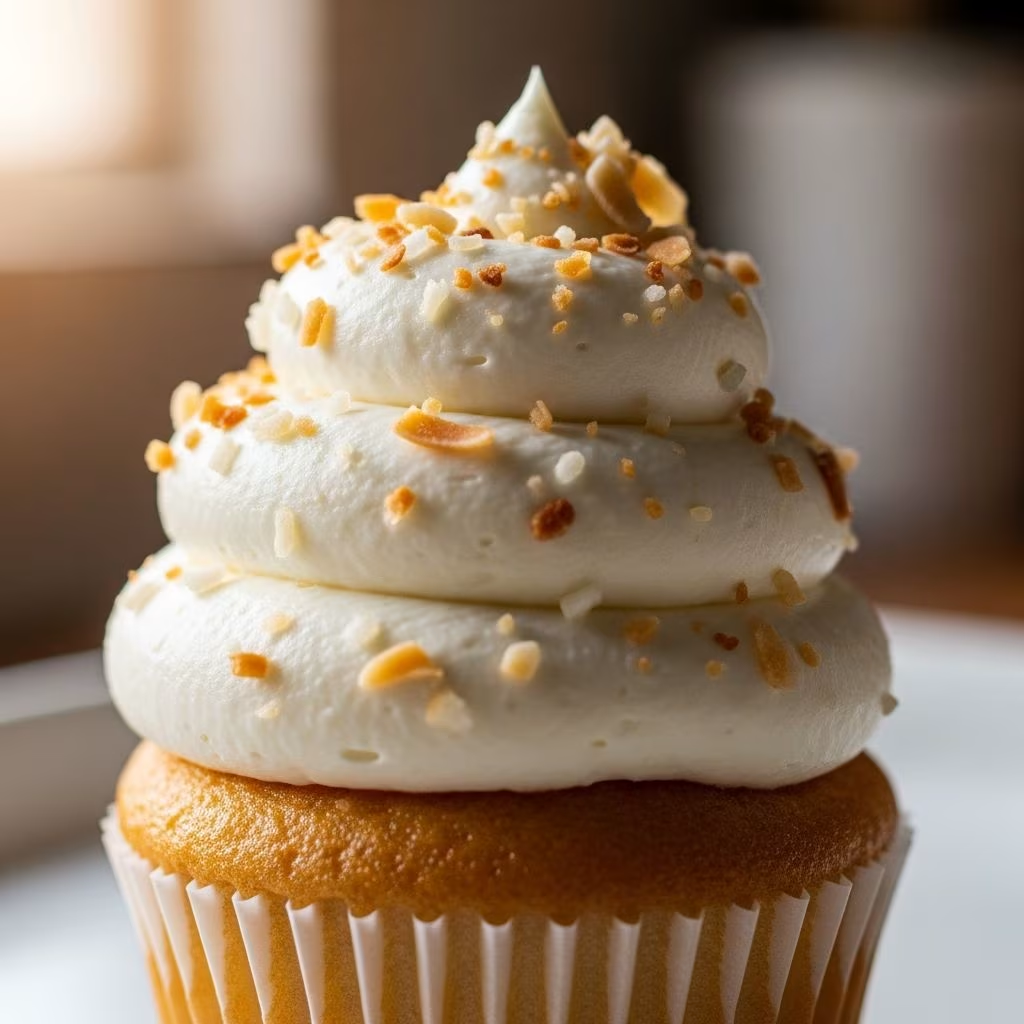
Frosting represents one of the most transformative elements of any baked creation, elevating simple cakes and cupcakes into memorable desserts. Among the vast array of frosting options available to home bakers, tropical variations have gained considerable popularity for their ability to evoke warmth, vacation vibes, and sophisticated flavor profiles. The coconut cream cheese frosting stands as a prime example of how combining two beloved ingredients—rich cream cheese and warm coconut notes—creates something genuinely special.
This particular frosting category merges the tangy sophistication of cream cheese with the mellow sweetness of coconut extract, producing a coating that is both visually appealing and remarkably versatile. Whether you’re decorating a celebration cake, topping delicate cupcakes, or filling layered sponge cakes, understanding the nuances of this frosting will significantly improve your baking repertoire.
Understanding the Core Components
Creating exceptional frosting begins with comprehending what each ingredient contributes to the final product. The foundation of cream cheese frostings rests on the interplay between three primary ingredients: cream cheese, butter, and powdered sugar. Each plays a distinct role in determining texture, flavor, and workability.
The Role of Cream Cheese
Cream cheese serves as the flavor anchor and structural backbone of this frosting. The ingredient provides a subtle tang that prevents the frosting from becoming cloying, while simultaneously offering a luxurious, smooth texture. When selecting cream cheese, opt for full-fat versions rather than reduced-fat alternatives, as lower-fat options contain more water content, compromising the frosting’s ability to hold its shape during piping and application.
Temperature management with cream cheese is crucial. Many recipes recommend using cold cream cheese initially, as this helps maintain a pipeable consistency when combined with room-temperature butter. The temperature differential between these two ingredients creates the ideal beating action that incorporates air and develops the proper texture.
Butter’s Contribution to Texture
Butter provides not only flavor but also the emulsifying action necessary for achieving smooth, consistent frosting. When properly beaten with cream cheese, butter creates a stable matrix that holds air, resulting in a lighter, more spreadable product. Room-temperature butter integrates more effectively with cold cream cheese, as the temperature difference facilitates proper blending without overworking the mixture.
The proportion of butter to cream cheese significantly impacts the final frosting’s characteristics. Using equal weights creates a balanced flavor where neither ingredient dominates, though some bakers prefer slightly more butter for enhanced richness or slightly more cream cheese for tanginess.
Powdered Sugar’s Functional Purpose
Powdered sugar does far more than sweeten the frosting. Its fine texture allows for smooth integration, while its lower moisture content compared to granulated sugar prevents the frosting from becoming grainy or separated. Interestingly, many coconut cream cheese frosting recipes use surprisingly modest amounts of powdered sugar—often between 1.5 to 2 cups—compared to traditional cream cheese frostings that might call for twice that amount.
This reduction works because coconut extract is potent enough to provide flavor satisfaction without requiring excessive sugar to mask any unwanted notes. The result is a frosting that tastes less heavy and overly sweet, making it more sophisticated and suitable for a wider range of desserts.
The Magic Ingredient: Coconut Extract
Coconut extract represents the flavor element that transforms standard cream cheese frosting into something distinctly tropical. Unlike shredded coconut, which adds texture but dilutes flavor intensity through volume, coconut extract delivers concentrated tropical notes with minimal liquid addition.
Coconut extract typically requires only 1.5 to 2 teaspoons per batch, making it an efficient flavoring choice. Some recipes include a small amount of vanilla extract alongside the coconut extract, creating complexity that prevents the frosting from tasting one-dimensional. The vanilla supports and rounds out the coconut flavor without making itself obvious.
For bakers who desire intensified coconut character, adding shredded, unsweetened coconut directly into the frosting after mixing is a viable option. This addition provides textural interest and visual appeal while amplifying the tropical sensation with each bite.
Step-by-Step Preparation Techniques
Initial Mixing Stage
Begin by placing cold cream cheese and a small portion of room-temperature butter—typically 2 tablespoons—into a large mixing bowl. Using an electric hand mixer on medium speed, beat these two ingredients until they become completely smooth and well-combined. This initial step typically requires 1-2 minutes of beating.
The cold cream cheese will gradually soften from the friction of mixing, while the room-temperature butter provides lubrication for smoother blending. This temperature differential is intentional and produces superior results compared to using cream cheese and butter that are both at the same temperature.
Progressive Butter Addition
Rather than adding all remaining butter at once, incorporate it gradually—approximately 2 tablespoons at a time—while continuing to beat on medium speed. This measured approach ensures thorough incorporation and prevents the frosting from becoming greasy or separated.
Between butter additions, beat until the mixture achieves complete smoothness before adding the next portion. This patience results in a more stable emulsion and prevents the overworking that can cause frosting to become too soft for piping.
Sugar and Flavoring Integration
Once all butter has been incorporated, add powdered sugar and coconut extract simultaneously. Using low to medium speed, blend these ingredients until they disappear visually into the frosting and the mixture appears completely uniform.
Critical timing applies here: avoid extended beating once sugar and extract are added. Overworking the frosting at this stage introduces excessive air, which can cause the frosting to become too soft for piping applications. If softness becomes problematic, refrigerate or freeze the frosting for 15-30 minutes until it firms to the desired consistency.
Achieving Ideal Frosting Consistency
The texture of cream cheese frosting exists along a spectrum from stiff (suitable for piping) to spreadable (better for crumb coating) to fluid (ideal for filling).
| Consistency Level | Characteristics | Best Uses |
|---|---|---|
| Stiff | Holds peaks when lifted with a spoon; requires firm pressure to pipe | Decorative piping, rosettes, detailed designs |
| Medium | Spreads smoothly but holds shape; flows easily through piping tips | General frosting application, simple piping, smooth coating |
| Soft | Spreads easily without pressure; cannot hold piped shapes | Filling between cake layers, crumb coating |
To adjust consistency, add liquid (such as heavy cream or milk) one tablespoon at a time to soften, or refrigerate to firm. Adding 1-2 tablespoons of heavy cream creates a frosting that pipes beautifully while remaining slightly softer than a completely stiff version.
Equipment Considerations
While the search results do not explicitly detail equipment requirements, proper tools significantly impact success. An electric mixer—whether handheld or stand-mounted—provides consistent beating action that produces smooth, lump-free frosting. Silicone spatulas work well for folding in additions and transferring frosting to piping bags without deflating the mixture.
Piping bags with various tips allow for different application styles, from simple round tips for rustic dollops to star tips for decorative ridges. For bakers without piping equipment, frosting can be spread onto cakes using an offset spatula, though this technique requires more manual effort to achieve a polished appearance.
Troubleshooting Common Issues
Frosting Becomes Too Soft
If frosting loses its shape and becomes impossible to pipe, refrigeration provides a quick fix. Place the frosting in the refrigerator for 15-30 minutes, checking periodically for the desired firmness. In urgent situations, the freezer can be used, though checking every 5 minutes prevents over-hardening.
Frosting Appears Grainy or Curdled
This issue typically results from overmixing or temperature extremes. If the frosting appears separated or curdled after mixing, gently fold in a tablespoon of heavy cream or milk, which often restores smoothness. Alternatively, transfer the frosting to a microwave-safe bowl and heat it for 5-second intervals (stirring between each) until it becomes smooth.
Insufficient Coconut Flavor
If the final frosting lacks the anticipated tropical intensity, additional coconut extract can be folded in gently. Add extract in quarter-teaspoon increments, blending thoroughly between additions. Alternatively, toasted shredded coconut can be incorporated, which provides more concentrated coconut flavor than untoasted varieties.
Storage and Make-Ahead Strategies
Coconut cream cheese frosting remains stable when stored properly. In an airtight container at room temperature, it will hold for up to 4 hours. For longer storage, refrigerate for up to one week or freeze for up to three months.
When freezing, place frosting in a freezer-safe container and thaw at room temperature for approximately one hour before use. Re-beat the thawed frosting for 30-60 seconds to restore its smooth, light texture, which can sometimes become dense during freezing.
Flavor Pairings and Application Ideas
Coconut cream cheese frosting pairs beautifully with numerous cake varieties. Classic vanilla cakes provide a neutral canvas that allows the tropical frosting to shine, while coconut cakes create a cohesive flavor experience. Additionally, this frosting complements carrot cakes, adding a sophisticated counterpoint to spice-forward layers.
For those seeking adventure, consider pairing this frosting with pineapple-infused cakes, mango layers, or even rum-soaked sponge cakes. The versatility of cream cheese frosting as a foundation means that secondary flavors can be incorporated through the cake itself rather than the frosting, allowing this tropical variation to serve as a sophisticated finishing touch.
Frequently Asked Questions
Can I use spreadable cream cheese from a tub?
Block cream cheese works more reliably than spreadable varieties. Spreadable cream cheese contains additional stabilizers and moisture, which can result in frosting that is too soft for piping. Stick with traditional brick cream cheese for best results.
Is salted or unsalted butter preferable?
Either works, though unsalted butter provides better control over the final salt content. If using salted butter, reduce any additional salt in the recipe accordingly.
How far in advance can I prepare this frosting?
Frosting can be made up to one week in advance and refrigerated in an airtight container. Refresh it with 30-60 seconds of re-beating before applying to cakes or cupcakes.
What happens if I use too much coconut extract?
Excessive coconut extract can create a harsh, bitter flavor. Start with the recommended amount and increase gradually if desired. Most recipes call for 1.5 teaspoons as a baseline.
Creating Professional-Quality Results
Achieving frosting that looks and tastes professionally prepared requires attention to detail and proper technique. Maintaining proper temperatures throughout preparation, incorporating ingredients gradually rather than all at once, and avoiding overworking the final mixture all contribute to superior results.
Chill decorated cakes for at least one hour before serving, which allows the frosting to set and creates cleaner slices. This resting period also allows flavors to meld and develop more fully.
Coconut cream cheese frosting represents an accessible yet impressive frosting option that elevates any baked creation. By understanding the role of each ingredient and following proper mixing techniques, bakers of all skill levels can create frosting worthy of professional bakeries, bringing tropical sophistication to their home desserts.
References
- Dessert Now Dinner Later – Coconut Cream Cheese Frosting — Dessert Now Dinner Later. 2024. https://www.dessertnowdinnerlater.com/coconut-cream-cheese-frosting/
- My Cake School – Coconut Cream Cheese Frosting — My Cake School. 2024. https://www.mycakeschool.com/coconut-cream-cheese-frosting/
- The Sweet Occasion – 5-Minute Coconut Cream Cheese Frosting — The Sweet Occasion. 2024. https://thesweetoccasion.com/coconut-cream-cheese-frosting/