Coconut chicken represents one of the most versatile and accessible dishes in contemporary home cooking, combining the richness of coconut with the universal appeal of poultry. Whether you’re preparing a casual weeknight dinner or entertaining guests, this dish delivers restaurant-quality results with minimal fuss. The beauty of coconut chicken lies in its adaptability—it can be prepared using various cooking methods, flavor profiles, and ingredient combinations while maintaining its fundamental appeal.
Understanding the Foundation of Coconut Chicken
At its core, coconut chicken is a celebration of complementary flavors that elevate simple chicken into something memorable. The foundation begins with quality poultry, typically boneless, skinless chicken breasts, though thighs and cutlets work equally well. The chicken serves as a neutral canvas that absorbs surrounding flavors while remaining tender and succulent when cooked properly.
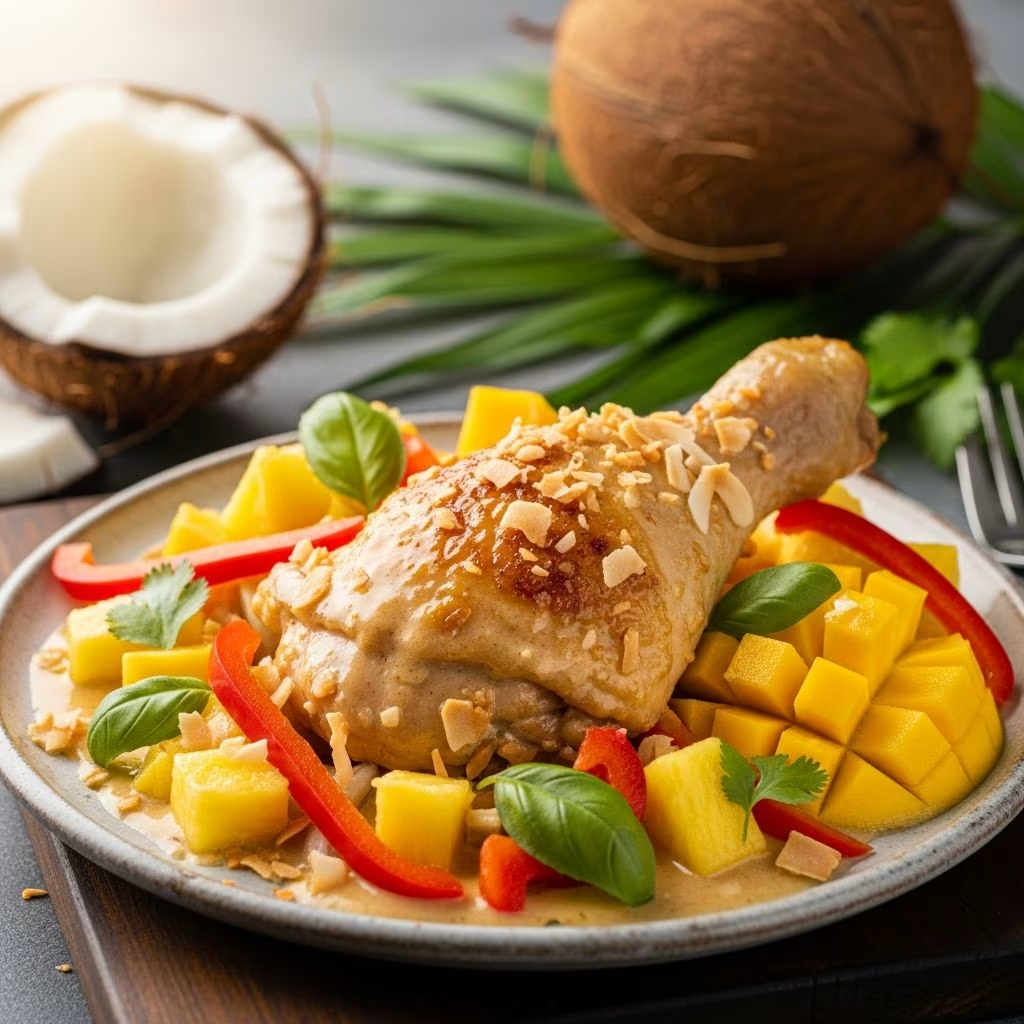
The coconut element provides the dish’s signature creaminess and subtle sweetness. Full-fat canned coconut milk stands as the preferred choice, delivering the luxurious texture and authentic flavor that lighter varieties cannot match. Fresh lime juice serves a dual purpose—it brightens the overall flavor profile while tenderizing the chicken through its natural acidity.
Essential Ingredients for Success
- Boneless, skinless chicken breasts or thighs
- Full-fat canned coconut milk
- Fresh lime juice
- Aromatic vegetables including onions and garlic
- Warming spices such as curry powder, garam masala, and cumin
- Ginger root for depth and complexity
- Chili peppers for optional heat
- Cooking oil or coconut oil for searing
Preparing Your Chicken for Optimal Results
Proper preparation of the chicken determines the final dish’s success more than any other factor. Begin by trimming any excess fat or silver skin from the chicken breasts. For even cooking and faster preparation, consider slicing each breast horizontally to create thinner cutlets. This technique reduces cooking time significantly while ensuring consistent doneness throughout the protein.
Seasoning the chicken before cooking creates a flavorful foundation. A simple combination of salt, paprika, garlic powder, and onion powder provides essential seasoning. Apply these seasonings generously to both sides of the chicken, allowing them to adhere properly before the meat enters the pan.
Mastering the Cooking Process
The Searing Method
Begin your cooking process by heating coconut oil or a high-heat cooking oil in a large skillet over medium-high heat. Once the pan reaches proper temperature and shimmers, carefully place the seasoned chicken into the skillet. Resist the urge to move the chicken immediately; allow it to develop a golden crust on the first side, typically requiring 3 to 5 minutes. After achieving this coloration, flip the chicken and repeat the process on the second side.
The searing process accomplishes multiple objectives simultaneously. It creates a protective outer layer that seals in moisture, develops complex flavors through the Maillard reaction, and produces fond—those caramelized bits clinging to the pan bottom—that will later enhance your sauce’s depth.
Building the Sauce
After removing the chicken from the skillet, use the same pan to build your sauce foundation. Add diced onions and cook until they soften and become translucent, typically requiring 2 to 3 minutes. Incorporate minced garlic, fresh ginger, and chili peppers, stirring constantly for about one minute to release their essential oils and aromatics.
Next, deglaze the pan with chicken stock, using a wooden spoon to scrape up those flavorful browned bits. This step, though simple, dramatically increases the sauce’s complexity. Add fresh lime juice, brown sugar to balance acidity with subtle sweetness, and soy sauce for umami depth. Allow this mixture to simmer for 5 to 10 minutes, permitting flavors to meld and concentrate.
Incorporating Coconut Cream
Once your base sauce has developed sufficiently, introduce the coconut cream or coconut milk. Stir thoroughly to ensure even distribution throughout the liquid. Return the chicken to the skillet, positioning it skin-side up if using bone-in chicken or simply nestling it into the creamy sauce. Cover the skillet and reduce heat to medium-low, allowing the chicken to finish cooking through in the residual heat and gentle simmer.
The chicken reaches doneness when its internal temperature reaches 165 degrees Fahrenheit. Using an instant-read thermometer ensures accuracy and prevents overcooking, which results in dry, rubbery meat. The total braising time typically ranges from 10 to 15 minutes, depending on chicken thickness.
Exploring Alternative Cooking Methods
One-Pot Slow Simmer Approach
For a simplified method requiring minimal attention, combine all ingredients directly in a large pot. Sear the chicken as previously described, then return it to the pot with aromatic vegetables, spices, and coconut milk. Cover and simmer on medium heat for approximately 10 minutes. This streamlined approach works exceptionally well for entertaining, as you can prepare it in advance and simply reheat gently before serving.
Baked Crunchy Variation
For those seeking textural contrast, coconut chicken can be breaded and baked rather than braised. Prepare a breading station with coconut flour in one bowl, beaten eggs in another, and a mixture of panko breadcrumbs combined with unsweetened shredded coconut in a third. Dredge chicken strips through each station sequentially, then arrange on a wire rack set over a baking sheet. Bake at 400 degrees Fahrenheit for 15 to 20 minutes, flipping halfway through. For additional crispness, briefly broil the finished chicken until the exterior achieves desired crunchiness.
Flavor Profiles and Spice Variations
| Flavor Profile | Key Spices | Additional Ingredients | Best Served With |
|---|---|---|---|
| Warm Curry | Curry powder, garam masala, coriander | Coconut milk, lime juice | Jasmine rice |
| Heat-Forward | Cayenne, chili powder, red pepper flakes | Fish sauce, garlic | Rice noodles |
| Honey-Lime Balance | Paprika, cumin | Honey, coconut milk, Asian sweet chili sauce | Jasmine rice or rice bowls |
| Herb-Forward | Minimal spicing | Fresh cilantro, mint, lemongrass | Rice or noodles |
Incorporating Vegetables and Proteins
While chicken remains the star of this dish, complementary vegetables enhance nutrition and visual appeal. Bell peppers add sweetness and color, while mushrooms contribute earthy umami notes. Broccoli florets and zucchini slices work beautifully in braised preparations, absorbing the creamy sauce while maintaining their structural integrity. Add heartier vegetables early in the cooking process, while more delicate varieties should be incorporated near the end to preserve their texture.
For increased protein and substance, consider adding tofu cubes or shrimp alongside the chicken. These additions require minimal adjustment to cooking times and expand the dish’s appeal to various dietary preferences.
Achieving the Perfect Sauce Consistency
Sauce thickness represents an important consideration in coconut chicken preparation. Some prefer a brothier consistency that soaks into accompanying rice, while others favor a thicker coating. If your sauce appears too thin after cooking, create a slurry by whisking one teaspoon of cornstarch with one tablespoon of water. Add this mixture gradually to the simmering sauce, stirring constantly, until reaching desired thickness. This technique provides control over the final result without affecting flavor.
Conversely, if sauce has become too thick, simply whisk in additional chicken stock or coconut milk in small increments until achieving balance. Remember that sauce continues thickening slightly as it cools, so target a consistency slightly thinner than your ultimate preference.
Serving Suggestions and Accompaniments
The vehicle for your coconut chicken dramatically influences the overall dining experience. Jasmine rice represents the classic pairing, its delicate floral notes complementing coconut without competing for attention. White or brown basmati rice provides slightly different textural experiences while maintaining complementary flavor profiles.
For lighter alternatives, serve your coconut chicken over cauliflower rice, making the dish more appropriate for low-carbohydrate diets. Rice noodles create a more delicate presentation suitable for entertaining. Coconut chicken also works beautifully as a component in grain bowls, paired with quinoa, farro, or other contemporary grains[10].
Fresh garnishes elevate the finished dish substantially. Chopped fresh cilantro adds brightness and aromatic appeal, while lime wedges encourage diners to adjust acidity to their preference. Sliced red chili peppers, toasted coconut flakes, and crushed peanuts add textural contrast and visual interest.
Dietary Modifications and Allergies
Coconut chicken naturally accommodates several dietary restrictions without requiring substantial modification. The dish is inherently gluten-free when prepared with tamari or coconut aminos instead of traditional soy sauce[10]. For dairy-free requirements, coconut milk provides all necessary richness, eliminating any need for cream or butter.
Those following low-carbohydrate or ketogenic diets can enjoy this dish by eliminating or minimizing added sugars and serving it over cauliflower rice or alongside roasted vegetables. The high protein content and healthy fats from coconut milk support satiety and nutritional goals.
Storage and Make-Ahead Strategies
Coconut chicken actually improves as flavors meld during storage. Prepare the complete dish up to two days in advance, storing it in an airtight container in the refrigerator. Gently reheat over low heat, adding small amounts of coconut milk or stock if sauce has thickened excessively during storage.
For longer storage, freeze the prepared dish in individual portions for up to three months. Thaw overnight in the refrigerator before reheating gently on the stovetop. This make-ahead quality makes coconut chicken an excellent choice for meal preparation and busy weeknights.
Common Questions About Coconut Chicken
Can I use light coconut milk instead of full-fat?
While possible, full-fat coconut milk delivers superior creaminess and authentic flavor. Light coconut milk produces a thinner, less luxurious sauce. If using light coconut milk, reduce overall liquid quantities slightly to compensate.
What type of chicken works best?
Boneless, skinless chicken breasts offer convenience and quick cooking. Chicken thighs provide more forgiving texture and deeper flavor but require slightly longer cooking time. Even chicken breasts cut horizontally cook more evenly than whole breasts.
How spicy will this dish be?
Coconut milk naturally cools chili heat through its fatty richness. The dish ranges from mild to moderately spicy depending on chili pepper quantity and type. Adjust heat to preference by adding serrano peppers for mild-to-moderate heat or jalapeños for subtle spiciness.
Can I prepare this in an Instant Pot?
Yes, marinated coconut chicken cooks successfully in an Instant Pot using the manual pressure setting. Follow marinade instructions, then cook on high pressure for 8 to 10 minutes depending on chicken thickness.
What if I don’t have fresh ginger?
Powdered ginger substitutes adequately, using approximately one-third the fresh quantity. However, fresh ginger contributes irreplaceable brightness and aromatic qualities worth seeking out at most grocery stores.
Conclusion: Mastering an Accessible Elegant Dish
Coconut chicken represents an accessible entry point into more sophisticated home cooking, requiring basic techniques while delivering impressive results. Whether you choose traditional braised preparations, contemporary grain bowl presentations, or creative variations, this versatile dish adapts to your preferences and available ingredients. With attention to quality components—particularly full-fat coconut milk and fresh lime juice—and proper cooking technique, you’ll create restaurant-caliber meals that satisfy both everyday dining and special occasions.
References
- Creamy Coconut Milk Chicken Recipe (One-Skillet) — The Forked Spoon. https://theforkedspoon.com/one-skillet-coconut-lime-chicken/
- Creamy Coconut Chicken (One-Pot Dinner) — Tiffy Cooks. https://tiffycooks.com/creamy-coconut-chicken-one-pot-dinner/
- Coconut Curry Chicken (Super Easy!) — Downshiftology. https://downshiftology.com/recipes/coconut-curry-chicken/
- Coconut Chicken (6 Ingredients) — Wholesome Yum. https://www.wholesomeyum.com/coconut-chicken/
- Easy Coconut Milk Chicken — Cotter Crunch. https://www.cottercrunch.com/coconut-milk-chicken-with-jalapeno-mango-chutney/
- Saucy Coconut Braised Chicken with Rice Noodles and Broccoli — Half Baked Harvest. https://www.halfbakedharvest.com/saucy-coconut-braised-chicken/
- Coconut Chicken Rice Bowl — Skinny Taste. https://www.skinnytaste.com/coconut-chicken-rice-bowl/