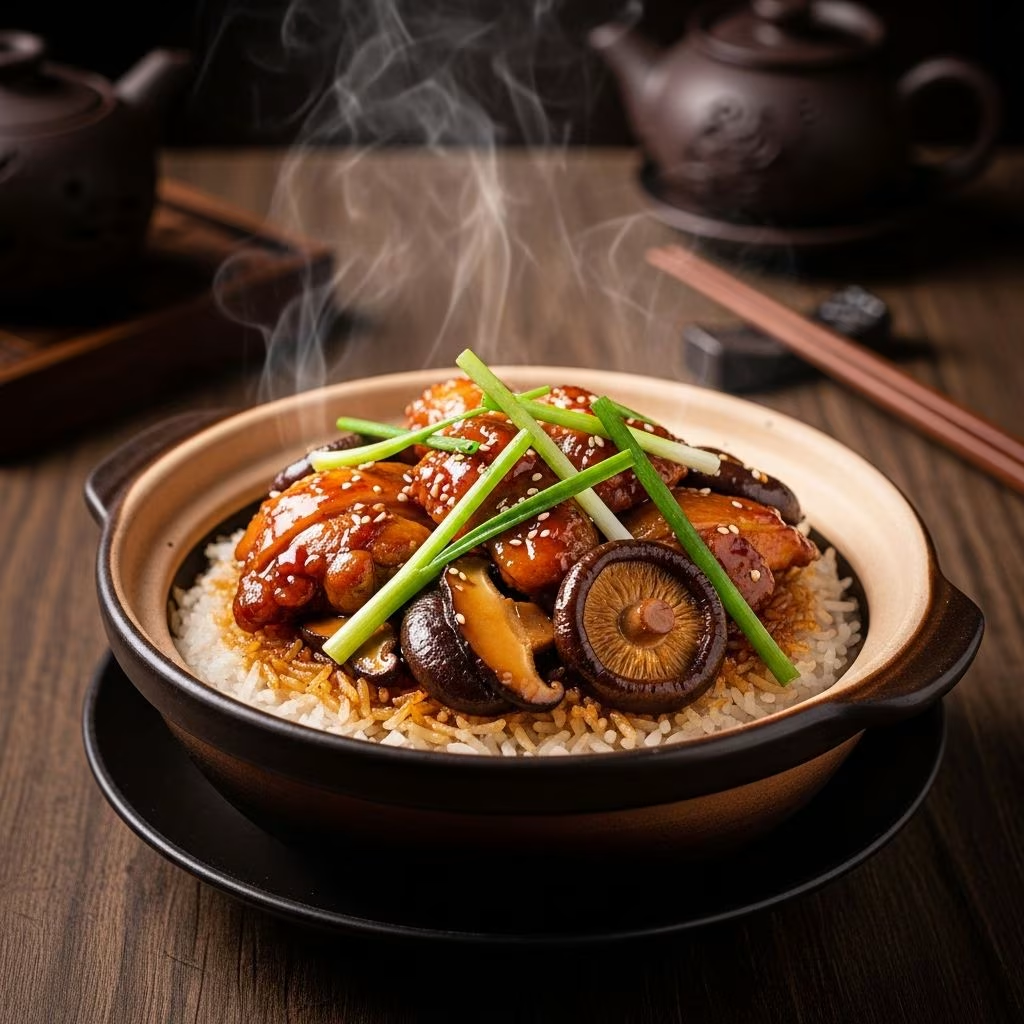
Clay pot rice represents one of Asia’s most beloved comfort dishes, combining fluffy jasmine rice with tender chicken and aromatic mushrooms in a single vessel. This one-pot meal delivers remarkable depth of flavor through the layering of ingredients and the unique cooking properties of traditional clay cookware. The beauty of this dish lies in its simplicity—with just a handful of quality components and proper technique, you can recreate restaurant-caliber results in your own kitchen.
Understanding the Foundation: Why Clay Pots Matter
The clay pot, or earthenware vessel, serves more than an aesthetic purpose in preparing this dish. Unlike conventional metal cookware, clay distributes heat gradually and evenly, preventing hot spots that can burn rice while ensuring thorough cooking of all ingredients. The porous nature of clay also allows for subtle moisture regulation, contributing to the characteristic texture where grains remain distinct yet tender, with some achieving the prized crispy exterior that adds textural interest to each bite.
For those without access to authentic clay pots, heavy-bottomed Dutch ovens or stainless steel vessels work effectively, though the final result differs slightly. The key principle remains consistent: use cookware that distributes heat gently and maintains stable temperature throughout the cooking process.
Essential Ingredients and Their Roles
Rice Selection and Preparation
Jasmine rice provides the ideal base for this preparation due to its delicate fragrance and slightly sticky texture when cooked. Begin by rinsing the rice thoroughly under cold running water until the water runs clear, removing excess starch that can result in gummy, clumpy texture. This simple step dramatically improves the final dish’s quality. Allow the washed rice to drain completely using a fine-mesh sieve before adding to the cooking vessel.
Mushroom Components
The mushroom selection creates the earthy foundation of this dish. Dried shiitake mushrooms offer concentrated umami flavors and require rehydration in warm water before use. This soaking liquid becomes valuable for cooking the rice, infusing it with mushroom essence. Wood ear mushrooms, also called cloud ear fungus, contribute a unique chewy texture and subtle earthiness. Lily flowers, when included, add delicate floral notes that complement the savory elements.
To prepare dried mushrooms, submerge them in hot water and allow 20-30 minutes for full softening. Slice rehydrated mushrooms into thin, even pieces to ensure consistent cooking and distribution throughout the rice.
Chicken Selection and Treatment
Boneless, skinless chicken thighs represent the optimal choice, offering tender meat that remains moist through the cooking process. Unlike breast meat, which can dry out, thighs contain sufficient fat content to stay succulent. Cut chicken into uniform bite-sized pieces, approximately one inch, to promote even cooking. A brief marination in seasoning mixtures enhances flavor development before the rice cooking begins.
Supporting Flavor Elements
Chinese sausage sliced at an angle adds richness and subtle sweetness. Aromatics including fresh ginger, scallions, and garlic layer into the preparation at different stages. Sesame oil, Shaoxing wine, soy sauce (both light and dark varieties), oyster sauce, cornstarch, and white pepper form the marinade that seasons both chicken and mushrooms.
Preparation Techniques That Ensure Success
Marinating for Maximum Flavor
Combine marinated chicken components in a mixing bowl at least 30 minutes before cooking, though preparing this mixture a full day in advance intensifies flavor development. The cornstarch creates a silky coating that seals in juices during cooking, while the combination of soy sauces provides umami depth. The Shaoxing wine adds aromatic complexity and helps tenderize the meat through gentle acid interaction.
Rice Preparation Steps
After rinsing and draining rice completely, add it to the clay pot with water or stock. Allow the rice to soak for 25 minutes before heating begins. This soaking period hydrates grains evenly, promoting consistent cooking. Some methods call for initial boiling to accelerate the process, though the soaking method produces more reliable results for home cooks.
Layering Strategy
The layering sequence significantly impacts final results. Begin with prepared rice in the cooking vessel, add liquid (ideally a combination of mushroom soaking water and chicken stock), then bring to a boil before reducing heat. After approximately 10-12 minutes, when rice is partially cooked, arrange marinated chicken and mushroom mixture evenly over the rice surface. This timing allows rice to establish its structure before adding protein, preventing ingredients from sinking into uncooked rice.
Cooking Methods Comparison
| Method | Total Time | Initial Heat Level | Key Advantages |
|---|---|---|---|
| Traditional Clay Pot | 30-40 minutes | Medium-high to medium | Superior heat distribution, crispy rice edges, authentic results |
| Rice Cooker Method | 25-30 minutes | Multi-grain setting | Hands-off cooking, consistent results, convenient for beginners |
| Dutch Oven or Heavy Pot | 30-35 minutes | Medium-high to medium | Good heat retention, accessible equipment, reliable texture |
Clay Pot Method
Heat sesame oil in the clay pot, add prepared rice and stock, then bring to a boil over medium-high heat. Once boiling, immediately reduce heat to medium-low and cover. After 10-12 minutes of simmering, the rice will be partially cooked. At this point, arrange marinated chicken and mushrooms evenly across the rice surface. Continue cooking covered for an additional 8-10 minutes at medium heat until the rice begins to develop crispy areas and releases a nutty aroma. This final heating phase creates the textural contrast between tender grains and crispy edges.
Rice Cooker Adaptation
For those without clay pots, rice cookers provide a reliable alternative. Place washed rice in the cooker’s inner pot, add liquid, and select the brown rice or multi-grain setting. After 20 minutes, open the lid and add the chicken mixture on top of partially cooked rice. Resume cooking until the cycle completes, approximately 25-30 minutes total. While this method produces excellent results, it sacrifices the textural complexity of crispy rice edges.
Temperature Management Throughout Cooking
Temperature control represents the most critical success factor. Begin with medium-high heat to initiate boiling and establish moisture distribution. Transition to low or medium-low heat immediately after boiling begins to prevent burning. The final phase may utilize medium heat briefly to develop crispy rice edges, but this requires careful attention to prevent scorching. Reducing heat to the lowest setting during the final 5-7 minutes of cooking allows gentle completion of cooking without burning.
Finishing Techniques and Presentation
After the main cooking phase completes, arrange any remaining ingredients—fresh bok choy, additional ginger slivers, or the prepared sauce mixture—on top of the rice approximately 3 minutes before removing from heat. This timing allows these elements to warm through without overcooking. Some preparations incorporate a final splash of Shaoxing wine around the pot’s edges with the lid closed, creating aromatic steam that permeates the dish.
Remove from heat and allow the pot to rest covered for 10 minutes. This resting period allows residual heat to complete the cooking process while flavors meld more thoroughly. Garnish with fresh scallion greens and serve directly from the pot, scraping up portions of the prized crispy rice bottom with each serving.
Common Challenges and Solutions
Unevenly Cooked Rice
Inadequate stirring before adding the chicken mixture can create pockets of undercooked grains. Solution: stir once after boiling begins but before adding the protein mixture.
Undercooked Chicken
If chicken remains pink after the cooking cycle, set another cooking cycle or continue cooking for an additional 10-15 minutes. Cutting chicken into smaller, more uniform pieces prevents this issue in future preparations.
Excessively Crispy or Burnt Rice
Insufficient liquid or excessive heat during the final cooking phase causes burning. Ensure proper liquid measurement and maintain low heat during the latter portion of cooking. Some burnt areas are desirable; excessive burning indicates heat is too high.
Mushy Mushrooms
Over-soaking dried mushrooms before adding to the pot causes deterioration. Slice mushrooms immediately after softening and add to the marinade shortly before the cooking process begins.
Ingredient Variations and Customization
While the classic preparation features chicken and mushrooms, this versatile dish accommodates numerous adaptations. Chinese sausage can be increased or decreased based on preference. Vegetable additions like bok choy, snow peas, or carrots introduce color and nutritional variety. Seafood alternatives including shrimp or scallops work well, though cooking times require adjustment. Vegetarian preparations substitute plant-based protein and vegetable stock for equally satisfying results.
Storage and Reheating Guidance
Leftover clay pot rice stores in refrigerated containers for up to three days. Reheating presents a challenge since the characteristic crispy rice edges soften with storage. For best results, transfer individual portions to a skillet with a small amount of oil and warm gently over medium heat for 2-3 minutes, allowing edges to crisp slightly. Alternatively, microwave portions individually and accept the softer texture.
Frequently Asked Questions
Can I use regular white rice instead of jasmine rice?
While possible, jasmine rice’s natural fragrance and texture properties make it superior for this dish. Other long-grain white rice varieties work adequately but produce slightly different results.
What if I don’t have a clay pot?
Heavy-bottomed Dutch ovens, stainless steel pots, or even rice cookers work well. The cooking principles remain consistent; results may vary slightly in texture.
How much liquid should I use?
Generally, maintain a 1:1 ratio of rice to liquid (one cup rice to one cup liquid). The mushroom soaking liquid can comprise part of this total liquid measurement.
Can I prepare this ahead of time?
Yes, marinate the chicken mixture and soak the rice separately for up to 24 hours. Combine these elements just before cooking for optimal results.
Why is crispy rice important?
The textural contrast between tender rice grains and crispy bottom edges adds complexity and sensory interest. This element distinguishes authentic clay pot rice from simple rice dishes.
References
- Easy Clay Pot Chicken Rice – Bao Zai Fan (with Rice Cooker) — What To Cook Today. Accessed April 2026. https://whattocooktoday.com/claypot-chicken-rice.html
- Bo Zai Fan (Chinese Sausage, Shiitake and Chicken Claypot Rice) — Pata Cake Cookbook. Accessed April 2026. https://www.patacakecookbook.com/home/bo-zai-fan-chinese-sausage-shiitake-and-chicken-claypot-rice
- Chicken and Mushroom Clay Pot Rice — The Woks of Life. Accessed April 2026. https://thewoksoflife.com/chicken-mushroom-clay-pot-rice/
- Chinese Clay Pot Rice – Bo Zai Fan (ft Chef Becky Wong) — Chefs With Benefits via YouTube. Accessed April 2026. https://www.youtube.com/watch?v=UHVyOpJiggo