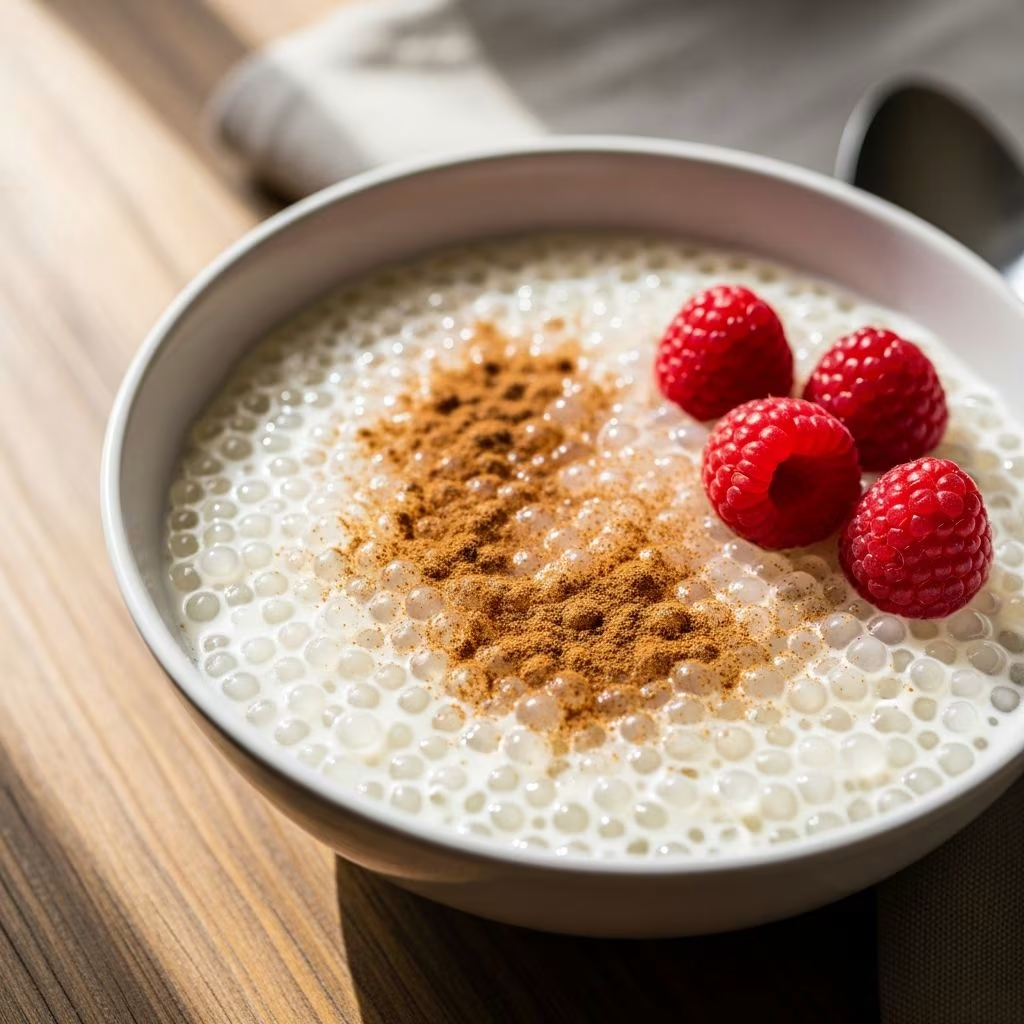
Classic tapioca pudding stands as a beloved dessert that evokes nostalgia with its smooth, creamy texture and subtle sweetness. Derived from the starchy extract of the cassava root, tapioca pearls transform simple pantry staples into a comforting treat enjoyed across generations. This guide delves into the essentials of preparing this timeless recipe, offering detailed instructions, ingredient insights, and creative adaptations to suit modern palates.
The Allure of Tapioca Pudding
Tapioca pudding’s appeal lies in its versatility and simplicity. Unlike denser custards, it features chewy pearls suspended in a velvety base, providing a unique mouthfeel. Originating from South American indigenous cuisines, tapioca has evolved into a global favorite, particularly in American home cooking during the early 20th century. Its gluten-free nature makes it accessible for various dietary needs, while its mild flavor pairs seamlessly with fruits, spices, or chocolate.
Preparing tapioca pudding requires patience, as the pearls need time to hydrate and soften. The result, however, is a dessert that can be served warm for immediate indulgence or chilled for a refreshing option. Families appreciate its make-ahead convenience, allowing it to set in the refrigerator without losing quality.
Essential Ingredients for Authentic Flavor
Selecting quality components ensures the pudding’s success. Here’s a breakdown of key elements:
- Small pearl tapioca: Opt for small pearls, not instant varieties, as they deliver the signature texture. These hard beads absorb liquid during cooking, plumping into tender morsels.
- Milk and cream: Whole milk provides creaminess, while a splash of heavy cream adds richness. Alternatives like coconut milk work for dairy-free versions.
- Eggs: Yolks contribute custard-like thickness; whites, when whipped, introduce airiness in some recipes.
- Sugar: Granulated sugar balances flavors; adjust to taste for less sweetness.
- Vanilla and salt: Pure vanilla extract enhances aroma, and a pinch of salt sharpens the overall profile.
Typical quantities for four servings include 1/2 cup small pearl tapioca, 3-4 cups milk, 1/2 cup sugar, 2 eggs, and 1 teaspoon vanilla. These measurements yield a balanced pudding that thickens naturally upon cooling.
Step-by-Step Cooking Guide
Mastering tapioca pudding involves a few critical techniques to avoid common pitfalls like clumpy pearls or curdled eggs. Follow these steps for flawless results.
- Soak the pearls (optional but recommended): Some methods begin by soaking tapioca in water or milk for 15-60 minutes. This jump-starts hydration, reducing cooking time.
- Combine base liquids: In a heavy-bottomed saucepan, heat milk, cream, sugar, and salt over medium heat until simmering. Stir in tapioca pearls and lower the heat.
- Simmer patiently: Cook on low, stirring frequently, for 40-50 minutes. Pearls will turn translucent and soften as the mixture thickens slightly.
- Temper the eggs: Whisk eggs in a bowl. Gradually add hot tapioca mixture (2-3 spoonfuls) to the eggs, stirring vigorously to prevent scrambling. Return the tempered mixture to the saucepan.
- Final cook and flavor: Simmer 2-5 more minutes until custard-like. Remove from heat, stir in vanilla, and cover with plastic wrap directly on the surface to prevent skin formation.
- Cool and chill: Let cool at room temperature, then refrigerate for 4+ hours. It firms up beautifully overnight.
This process, totaling about 1 hour active time plus chilling, guarantees a lump-free, silky pudding.
Ingredient Comparison Table
| Recipe Variation | Tapioca Amount | Milk/Cream | Eggs | Cook Time |
|---|---|---|---|---|
| Basic Stovetop | 1/2 cup small pearls | 3.5 cups milk + 1/2 cup cream | 2 whole | 50 minutes |
| Overnight Soak | 1 cup pearls | 4 cups milk | 2 (separated) | 15-20 minutes post-soak |
| Quick Soak | 1/2 cup pearls | 2 cups milk + water soak | 2 yolks | 15 minutes |
This table highlights efficient adaptations based on time constraints.
Common Mistakes and Fixes
Even seasoned cooks encounter issues. Here’s how to sidestep them:
- Chewy pearls: Extend simmering time and stir constantly; low heat prevents scorching.
- Scrambled eggs: Always temper properly—slow integration is key.
- Skin on top: Press plastic wrap onto the surface during cooling.
- Too thin: Pudding thickens as it chills; if needed, cook longer next time.
Taste-test pearls for tenderness before adding eggs.
Creative Variations to Elevate Your Pudding
While classic is cherished, experimentation adds excitement:
- Chocolate tapioca: Stir in 1/4 cup cocoa powder with sugar for a decadent twist.
- Tropical fusion: Use coconut milk and top with mango or pineapple.
- Spiced delight: Infuse with cinnamon, nutmeg, or cardamom during simmering.
- Fruit parfaits: Layer with berries, whipped cream, and granola.
- Vegan option: Substitute with almond milk and cornstarch-thickened aquafaba.
These tweaks maintain the dish’s essence while introducing new flavors.
Nutritional Profile and Serving Suggestions
A standard serving (about 1/2 cup) offers around 250 calories, primarily from milk and sugar. It’s a source of calcium and protein from dairy and eggs. Serve in elegant glass bowls with fresh strawberries, toasted coconut, or a dollop of yogurt for contrast. For gatherings, portion into ramekins for individual appeal.
Pair with coffee or tea for an afternoon treat, or enjoy post-dinner as a light finale.
Storage and Make-Ahead Tips
Tapioca pudding stores well in an airtight container in the fridge for up to 5 days. It may weep slightly, but stirring revives it. Freezing is possible for 1-2 months; thaw overnight in the fridge. Avoid reheating on high heat to preserve texture.
Prepare a double batch on weekends for effortless desserts throughout the week.
Frequently Asked Questions
Can I use instant tapioca?
No, instant tapioca alters the texture; stick to small pearl varieties for authenticity.
Is tapioca pudding gluten-free?
Yes, naturally gluten-free, making it suitable for celiacs.
How do I know when pearls are done?
Pearls are ready when translucent with no hard centers; they should have a slight chew.
Can I make it without eggs?
Yes, increase milk and simmer longer for thickening, or use cornstarch slurry.
Why does my pudding not thicken?
It thickens upon cooling; if still thin, cook eggs longer or add more next time.
Historical Context and Cultural Significance
Tapioca pudding traces roots to Brazil, where cassava flour sustained communities. European settlers adapted it into puddings, popularizing it in the U.S. via brands like Minute Tapioca in the 1900s. Today, it symbolizes comfort food, bridging old-world traditions with contemporary kitchens.
In Asian cuisines, similar puddings appear in bubble tea or sago desserts, showcasing tapioca’s adaptability.
Expert Tips from Seasoned Cooks
Use a double boiler for gentler heat if stovetop scorching occurs. For fluffier texture, fold in whipped egg whites post-cooking, as in some vintage recipes. Always source high-quality vanilla for depth.
Experiment with pearl sizes: larger for bolder chew, smaller for subtlety.
References
- Old-Fashioned Tapioca Pudding — Tastes Better From Scratch. 2023-05-15. https://tastesbetterfromscratch.com/tapioca-pudding/
- Classic Tapioca Pudding — The Joy-Filled Kitchen. 2022-08-10. https://thejoyfilledkitchen.com/classic-tapioca-pudding/
- My Dad’s Tapioca Pudding — 101 Cookbooks. 2021-03-22. https://www.101cookbooks.com/tapioca-pudding-recipe/
- Tapioca Pudding Recipe — WonkyWonderful. 2024-01-12. https://wonkywonderful.com/tapioca-pudding-recipe/