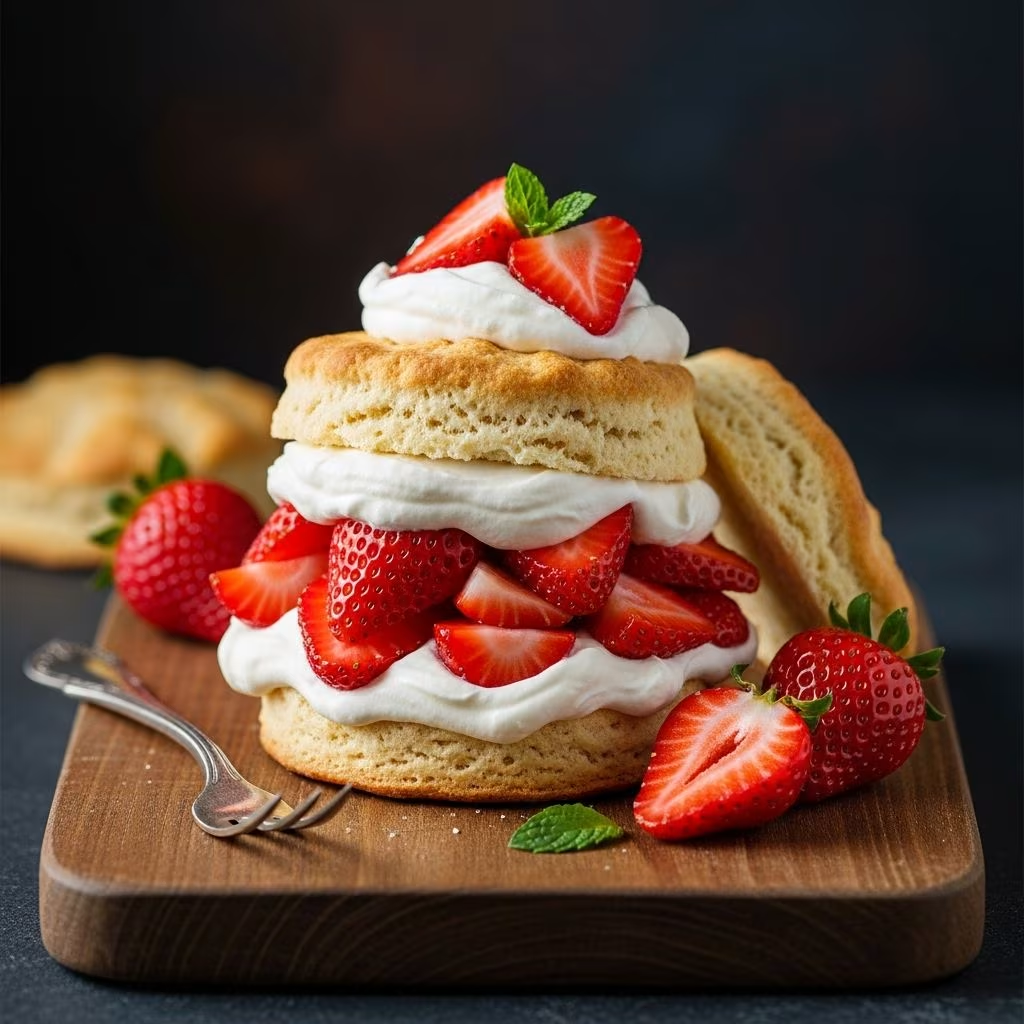
Strawberry shortcake stands as one of the most beloved warm-weather desserts, combining the simplicity of gentle sponge cake with the brightness of fresh berries and clouds of whipped cream. This timeless treat requires no exotic ingredients or advanced techniques, yet the results feel elegant enough for special occasions. Whether you’re preparing dessert for a family gathering, holiday celebration, or casual weeknight dinner, understanding the fundamentals of strawberry shortcake preparation will ensure consistently excellent results.
Understanding the Foundation: Why This Dessert Endures
The appeal of strawberry shortcake lies in its balance of textures and flavors. The tender crumb of the cake provides structural support without overwhelming the palate, while macerated strawberries contribute natural sweetness and vibrant color. Whipped cream adds richness and lightness simultaneously, creating a dessert that feels indulgent yet refreshingly uncomplicated. The beauty of this classic preparation is that it celebrates ingredient quality rather than complicated procedures.
Selecting Your Ingredients with Purpose
Creating exceptional strawberry shortcake begins long before you preheat the oven. Each component deserves careful consideration to ensure the final product achieves maximum flavor and texture.
The Cake Foundation
The cake layer should be tender, moist, and capable of supporting the substantial toppings without becoming soggy or collapsing. This requires a careful balance of fat, flour, and leavening agents. Shortening or butter creates the richness necessary for flavor development, while the proper ratio of flour to liquid ensures structural integrity. Baking powder serves as the primary leavening agent, creating a fine crumb that won’t deflate when topped with juicy berries. The addition of vanilla extract contributes warmth and complexity that complements the fresh fruit component.
The Strawberry Component
Fresh strawberries represent the star ingredient, making their selection critical. Choose berries that are firm, fragrant, and deeply colored throughout. Avoid berries with soft spots or pale coloring, as these indicate overripeness or insufficient flavor development. The process of macerating strawberries—combining them with sugar and allowing them to rest—draws out natural juices, creating a syrupy topping that penetrates the cake and adds moisture throughout the dessert. This step requires patience, as allowing strawberries to macerate for at least thirty minutes to an hour produces noticeably superior results compared to immediate assembly.
Whipped Cream Considerations
Heavy cream whipped to soft or medium peaks provides the structural lightness that balances the cake’s richness. The addition of vanilla extract and a small amount of sugar creates subtle flavor enhancement without making the cream overly sweet. Whipping cream shortly before assembly ensures optimal texture and prevents the dessert from becoming watery during serving.
Essential Equipment and Setup
Successful dessert preparation relies on having the right tools available. A medium mixing bowl works well for creaming butter and sugar together, developing the light, fluffy base necessary for tender cake crumb. A separate bowl for dry ingredients allows for organized preparation and prevents accidental lumps in the final batter. An electric mixer, whether stand-mounted or handheld, dramatically simplifies the process of thoroughly combining ingredients and incorporating air into the butter mixture. A wire cooling rack positioned above a baking sheet catches drips while allowing air circulation that promotes even cooling. A large serving plate or cake platter provides sufficient space for final assembly and attractive presentation.
Step-by-Step Preparation Process
Preparing the Dry Ingredients
Before beginning the wet ingredients, combine flour, baking powder, and salt in a medium bowl. Whisking these together distributes the leavening agent evenly throughout the flour, ensuring consistent rise throughout the baked cake rather than creating tunnels or uneven crumb structure. This preliminary mixing prevents the dry ingredients from clumping when added to the wet mixture.
Developing the Cake Batter
Begin by creaming shortening and granulated sugar together in a bowl fitted with an electric mixer. This initial step aerates the mixture, creating tiny air pockets that contribute to the cake’s tender crumb and light texture. Continue beating for approximately two to three minutes until the mixture noticeably lightens in color and increases in volume. Add eggs one at a time, beating well after each addition to ensure complete incorporation. This technique gradually adds moisture and additional structure to the batter. Next, incorporate vanilla extract, which adds aromatic complexity and enhances the overall flavor profile. Finally, alternate adding the dry ingredients and milk in three additions, beginning and ending with the dry mixture. This alternating technique prevents overmixing, which can develop gluten and result in a tough, dense cake. Mix just until the ingredients combine into a smooth, cohesive batter.
Baking the Cake
Preheat the oven to 350°F, allowing approximately 15 minutes for proper temperature stabilization. A properly preheated oven ensures that the cake begins setting immediately upon insertion, creating a tender crumb. Pour the prepared batter into a greased 9-by-11-inch baking pan, spreading evenly with a spatula. Bake for 20 to 25 minutes, watching for the edges to pull slightly away from the pan sides and the top to develop a light golden color. The cake is fully baked when a toothpick inserted in the center emerges clean or with just a few moist crumbs. Remove from the oven and place on a wire cooling rack, allowing the cake to cool to room temperature before proceeding with assembly. This cooling period is essential, as a warm cake cannot support the weight of the toppings without crumbling.
Preparing the Strawberry Topping
While the cake cools, rinse and hull fresh strawberries, then slice them into uniform pieces approximately one-quarter inch thick. Place the sliced strawberries in a medium bowl and sprinkle with granulated sugar at a ratio of approximately one tablespoon sugar per two cups of berries. Gently toss to combine, then allow the mixture to sit for 30 to 60 minutes at room temperature. The berries will gradually release their natural juices, creating a fragrant, syrupy mixture perfect for layering into the finished dessert. Do not refrigerate during this maceration period, as cold temperatures slow the release of juices.
Assembly Techniques for Maximum Impact
Once the cake has cooled completely, carefully cut it horizontally into two layers of approximately equal thickness using a serrated knife or cake leveler. Place the bottom layer on a serving plate or cake platter. Whip the heavy cream with a small amount of sugar and vanilla extract until soft peaks form. Spread a generous layer of whipped cream across the bottom cake layer, creating an even coating approximately one-half inch thick. Spoon approximately half of the macerated strawberries and their juices over the whipped cream layer, distributing them evenly. Place the top cake layer carefully over the filling, gently pressing to create a stable structure. Frost the entire exterior of the cake with the remaining whipped cream, using an offset spatula to create a smooth, professional finish or a textured, rustic appearance depending on preference. Top with the remaining macerated strawberries and their juices, allowing some to cascade down the sides for visual appeal. Serve immediately for optimal texture, as the cake gradually absorbs moisture from the strawberry juices and whipped cream, eventually softening to a pudding-like consistency after several hours.
Troubleshooting Common Challenges
| Challenge | Likely Cause | Solution |
|---|---|---|
| Cake sinks in center | Oven temperature too low or underbaking | Use oven thermometer to verify temperature; bake until toothpick emerges clean |
| Cake remains dense and heavy | Overmixing or insufficient air incorporation | Cream butter mixture for full 2-3 minutes; avoid overmixing batter |
| Whipped cream becomes watery | Overwhipping or warm temperature | Stop beating at soft peaks; refrigerate until serving |
| Strawberries lose color | Oxidation or sitting too long | Slice berries shortly before assembly and serving |
Frequently Asked Questions
Can I prepare strawberry shortcake in advance?
The cake component can be baked one day ahead and stored in an airtight container at room temperature. However, assembly should occur shortly before serving to maintain optimal texture. The cake will gradually soften as it absorbs moisture from the strawberry juices and whipped cream, eventually becoming overly soft if left sitting for more than a few hours.
What if fresh strawberries are unavailable?
Frozen strawberries can substitute for fresh berries, though they tend to release more liquid. Thaw frozen berries and drain excess liquid before macerating with sugar. The resulting texture will be slightly different, with the cake absorbing more moisture, but the flavor remains pleasant and satisfying.
How does altitude affect baking time and temperature?
At higher elevations, water boils at lower temperatures, and leavening gases expand more rapidly. Those living above 3,000 feet may need to increase oven temperature by 15-25°F and reduce baking powder slightly. Consult altitude-specific baking resources for precise adjustments based on your elevation.
Can dairy-free substitutes work for this recipe?
Coconut cream whipped to stiff peaks provides a suitable substitute for traditional whipped cream, though the flavor will differ noticeably. Plant-based butters can replace shortening, though this may affect the final cake texture. Experimentation will be necessary to achieve satisfactory results with alternative ingredients.
Seasonal Variations and Creative Adaptations
Once you’ve mastered the classic preparation, consider exploring variations that maintain the fundamental structure while introducing new flavors. Angel food cake creates an alternative to traditional sponge cake, offering a lighter crumb that some prefer. The addition of fresh mint or basil to the macerated strawberries introduces herbaceous complexity. Mascarpone mixed with whipped cream creates a richer, more decadent filling. Pound cake provides a denser alternative suitable for stacking or layering. Lemon zest in the cake batter complements strawberry flavors beautifully without overwhelming them.
Serving Suggestions and Storage
Serve strawberry shortcake slightly cool or at room temperature for optimal flavor and texture contrast. Accompany slices with additional whipped cream, a drizzle of reserved strawberry syrup, or a light dusting of powdered sugar. Store any leftovers covered in the refrigerator for up to two days, though the cake will continue softening as it absorbs moisture. The dessert is best consumed the day of preparation for superior texture and fresh fruit flavor.
References
- Strawberry Shortcake History and Evolution — Mariano’s Grocery Blog. 2024. https://www.marianos.com/blog/food/strawberry-shortcake-inspired-recipes_06-07
- Professional Baking Techniques for Tender Cake Crumb — King Arthur Baking Company Educational Resources. 2024. https://www.kingarthurbaking.com/learn/guides/cake-baking
- Food Science: Fruit Maceration and Juice Release — America’s Test Kitchen. 2024. https://www.americastestkitchen.com/guides/how-to-macerate-fruit